
lovethailand home >Northeastern Travel Attractions >Surin Travel Attractions >Khwao Sinrin >Khwao Sinrin > Khwao Sinarin Silver-Making Village
TL;DR: Khwao Sinarin Silver-Making Village is located at Ban Chok, Ban Sado, And Khwao Sinarin Community Area, Khwao Sinarin District, Surin Province 32000, open Daily, hours 08.00 – 18.00.

Khwao Sinarin Silver-Making Village
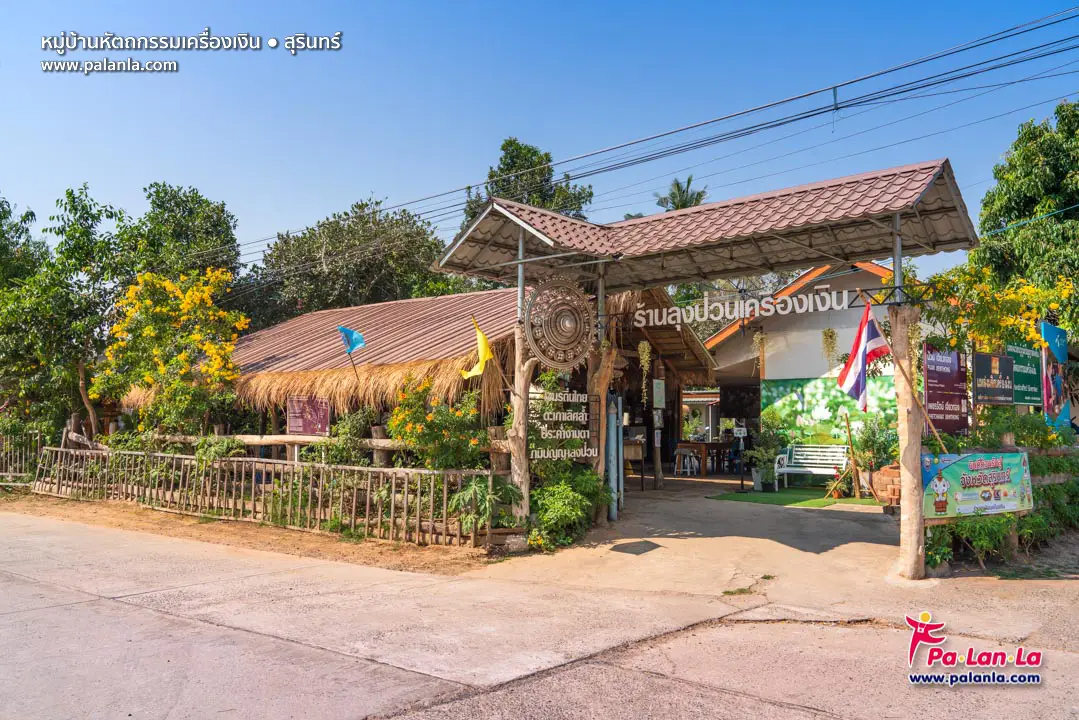
Open Days: Daily
Opening Hours: 08.00 – 18.00
Khwao Sinarin Silver-Making Village Surin is one of the most important traditional silver handicraft communities in Surin Province. Located in Khwao Sinarin District, about 18 km north of Surin city, the craft area is closely associated with Ban Chok, Ban Sado, and nearby local communities known for producing silver prayer beads called Luk Pakueam. These ancient silver beads are made into women’s ornaments such as necklaces, bracelets, earrings, belts, bangles, and finely patterned silver jewelry. The village represents a living craft tradition of Thai-Khmer communities in Surin, where silverwork is not simply a product but a cultural heritage passed down through families, artisans, and community shops over generations.
The importance of Khwao Sinarin Silver-Making Village lies in the preservation of Luk Pakueam as an active local craft. Luk Pakueam, also known in some sources as Luk Prakueam, refers to silver beads made by shaping silver sheets into round or oval forms, then finishing the surface, enameling, and engraving traditional motifs. Common patterns include horseshoe-crab egg motifs, phikun flower motifs, money-bag motifs, and other ancient local designs. When these beads are strung together, they become ornaments that express beauty, dignity, auspicious meaning, and the local identity of Surin.
Ban Chok and Ban Sado have played important roles in establishing Khwao Sinarin’s reputation as a silver craft area. In the past, this area was part of Mueang Surin District. It later became Khwao Sinarin Minor District and is now Khwao Sinarin District. The name Khwao Sinarin carries local historical meaning. “Khwao” refers to a local tree found in the area, while “Sinarin” is connected with Khun Sinarin Bamrung, a former local leader. The name therefore reflects nature, local leadership, and community memory.
The story of Khwao Sinarin silver is closely connected with settlement history and Thai-Khmer cultural roots in Surin. Local communities inherited knowledge of metalwork, including gold and silver ornament making. Over time, silver became the most distinctive material associated with the area. The craft developed into the production of Luk Pakueam, which has remained a signature of Ban Chok, Ban Sado, and nearby villages. This continuity shows how local people adapted their skills to changing economic conditions while preserving the spirit of traditional metalwork.
The making of Luk Pakueam requires careful hand skill from the first stage. Artisans select silver, cut it into suitable pieces, form it into beads, refine the shape, make openings, enamel the surface, and engrave patterns. Each step requires control of hand pressure, knowledge of silver texture, and long experience. If the silver is hammered too hard, the form may be damaged. If the pattern is too light, it loses clarity. If the assembly is weak, the finished jewelry will not be durable. This is why Khwao Sinarin silver clearly shows the value of handmade craftsmanship.
Pattern engraving is the feature that makes Khwao Sinarin silver different from general silver jewelry. Each motif is more than decoration. It is a visual language of local artisanship. The horseshoe-crab egg motif gives a fine rhythmic texture. The phikun flower motif suggests grace and auspicious beauty. The money-bag motif carries a sense of wealth and abundance. When these motifs are placed on silver beads, the finished ornaments hold both visual charm and cultural meaning.
Luk Pakueam silver ornaments are produced in many forms, including necklaces, bracelets, bangles, earrings, belts, pendants, and silver sets for traditional dress. These ornaments are often worn with Surin silk, especially Hol silk, matmi silk, and other local woven textiles. The glow of silver complements the deep color and intricate patterns of silk. When local women wear silk with Pakueam silver, the result is a complete visual expression of lower northeastern Thai culture: dignified, refined, and distinctively Surin.
The village also shows how handicraft and community economy work together. Many shops are not only sales points but also learning spaces where visitors can see finished pieces, speak with sellers or artisans, ask about motifs, learn silver care, and understand the production process. Buying directly from the village therefore has meaning beyond souvenir shopping. It supports artisans, craft families, and the local community economy.
The Ancient Silver Handicraft Group of Puan Jiaothong, also known as Lung Puan Traditional Silver, is one of the important learning points in the area. Master Puan Jiaothong has played a major role in preserving and demonstrating traditional silverwork, especially Luk Pakueam bead making. Visitors can watch demonstrations when arranged, see simple craft tools, and buy silver ornaments made by local artisans. Observing the demonstration allows visitors to understand the rhythm of hammering, shaping, engraving, and finishing silver by hand.
Ban Chok is strongly associated with Khwao Sinarin silver in tourism awareness because the village has silver shops and craft groups producing many forms of Luk Pakueam jewelry. Ban Sado is also mentioned together with Ban Chok and Khwao Sinarin as one of the long-standing silver-making communities in the area. Together, these villages create a strong craft identity for Khwao Sinarin, making it known as a living silver-making community rather than a single shop or isolated workshop.
The main strength of Khwao Sinarin silver is its handmade character. Each piece carries the weight of labor, patience, and experience. Factory-made jewelry may look perfectly uniform, but village-made Luk Pakueam has the charm of handwork. Subtle variations in form, surface, and pattern make each piece feel alive. These differences are part of the artistic and cultural value of the craft.
Visitors interested in buying silver should take time to compare patterns, silver weight, finishing, clasp strength, comfort when worn, and suitability for use. For jewelry to be worn with silk, choose motifs that match the color and formality of the fabric. For gifts, small pendants, earrings, or bracelets are practical choices. For collectors, detailed traditional pieces with clear origin from local artisans or groups are especially valuable.
Silver care is important. Real silver naturally tarnishes when exposed to air, moisture, sweat, perfume, and chemicals. After wearing, silver should be wiped with a soft cloth and stored in a dry pouch or box. It should be kept separate from other jewelry to prevent scratches. Avoid wearing silver while bathing, swimming, or exercising heavily. Gentle care preserves both the shine and the engraved details of Luk Pakueam silver.
Khwao Sinarin silver is also closely connected with local silk, especially Hol silk and Surin matmi silk. Travelers often see silver and silk together in the same route. Silk forms the base of traditional dress, while silver gives ornamental weight, elegance, and ceremonial presence. Together, they unite textile art and metalwork in a single cultural style.
Silverwork also appears in local cultural events, especially activities related to wearing silk, wearing Pakueam silver, and dancing Kantruem. Such events show that Luk Pakueam is not merely kept in display cases. It is used in real social life, merit-making, festivals, cultural performances, and community hospitality. This continued use helps keep the craft meaningful in the present.
Important areas within the village include Luk Pakueam silver shops, the Ancient Silver Handicraft Group, Ban Chok craft area, Ban Sado craft area, silver display and sales areas, demonstration areas when arranged in advance, local silk and Hol silk areas, OTOP product areas, silver-care learning points, and community walking routes through Khwao Sinarin. Each area shows a different part of the village’s craft system: production, selling, learning, and transmission.
There is no general admission fee for ordinary visits to Khwao Sinarin Silver-Making Village. Visitors can enter shops, browse silver products, and buy items during opening hours. Costs depend on silver purchases, silk purchases, or arranged demonstrations. Silver prices vary according to silver weight, motif complexity, size, assembly difficulty, and the reputation of the artisan or producing group.
Visitors who want to watch a silver-making demonstration should contact the group in advance, especially for school groups, study groups, and organized tours. Advance coordination allows artisans to prepare tools, demonstration space, and explanations. A structured demonstration helps visitors understand Luk Pakueam from material selection and silver shaping to pattern engraving, stringing, finishing, and product care.
Getting There from Surin city is easy by private car, rental car, or chartered van. Take Highway 214, the Surin – Roi Et route, northward for about 14 km, then turn right and continue about 4 km into Khwao Sinarin District. The total distance is about 18 km from Surin city. For navigation, search for “Khwao Sinarin Silver Handicraft Village,” “Ban Chok Khwao Sinarin,” “Lung Puan Traditional Silver,” or “Ban Chok Silver Handicraft Group.”
The best time to visit is from late morning to afternoon, when community shops are active. The craft village opens daily from 08.00 to 18.00. Visitors who want to photograph products, speak with artisans, or watch a demonstration should arrive when there is enough natural light and shops are fully open. A meaningful visit usually takes at least 1 to 2 hours.
A suitable half-day route can begin at Khwao Sinarin Silver-Making Village to see Luk Pakueam and local silk, then continue to Ban Tha Sawang Ancient Gold Brocade Silk Weaving Village. Visitors can also return to Surin city to visit Surin City Pillar Shrine, Wat Burapharam, Phraya Surin Phakdi Si Narong Changwang Monument, and Surin National Museum. This route connects silver, silk, faith, history, and urban culture in one manageable journey.
Dining options near the village include local cafés and restaurants in Khwao Sinarin and more varied choices in Surin city. Visitors who want to eat near the craft area can choose cafés or small local restaurants. Families or tour groups may prefer returning to Surin city, where there are Thai, Isan, Vietnamese, café, and hotel-restaurant options.
The most convenient accommodation for visiting Khwao Sinarin Silver-Making Village is in Surin city. The village is only about 18 km away, and the city offers hotels, restaurants, markets, the railway station, bus station, and major attractions. Travelers can stay in the city and visit Khwao Sinarin as a half-day trip or combine it with Ban Tha Sawang, Ban Butom, Surin City Pillar Shrine, and Surin National Museum.
For international visitors, Khwao Sinarin Silver-Making Village clearly demonstrates what a living craft village means. Thai silverwork here does not come from a large factory. It comes from artisan families, small workshops, local shops, inherited knowledge, and hand techniques. The Luk Pakueam motifs, traditional tools, and handmade process give the silver cultural value beyond its material value.
International visitors should observe carefully, ask about motifs, and buy from shops that can explain the origin of the work. Buying directly from the production area helps support local artisans and allows visitors to understand the value of handmade silver. Visitors should ask permission before photographing artisans or demonstrations, avoid touching tools without permission, and bargain politely because each piece carries material cost, time, and skilled labor.
Overall, Khwao Sinarin Silver-Making Village brings together Thai-Khmer settlement history, ancient metalwork, local silk, traditional dress, community economy, and craft tourism. A single Luk Pakueam bead is more than a small piece of silver. It is the result of material, skill, pattern, belief, beauty, and community pride.
In summary, Khwao Sinarin Silver-Making Village Surin, including Ban Chok and Ban Sado, is one of Thailand’s most important Luk Pakueam silver-making communities. Located about 18 km north of Surin city, it is open daily from 08.00 to 18.00 with no general admission fee. The village is known for ancient silver bead making, shaping silver sheets into round or oval beads, enameling, engraving, and turning them into women’s ornaments. It is suitable for travelers, craft lovers, designers, collectors, students, and international visitors who want to understand Surin through living handmade silver traditions.
| Name | Khwao Sinarin Silver-Making Village Surin / Khwao Sinarin Silver Handicraft Village / Ban Chok Silver Handicraft Group |
| Location | Ban Chok, Ban Sado, And Khwao Sinarin Community Area, Khwao Sinarin District, Surin Province 32000 |
| Address | Khwao Sinarin Silver Handicraft Village, Khwao Sinarin Subdistrict, Khwao Sinarin District, Surin Province 32000 |
| Highlights | Luk Pakueam silver beads, ancient silver prayer beads, Ban Chok silverwork, Ban Sado, horseshoe-crab egg motif, phikun flower motif, money-bag motif, silver necklaces, bracelets, earrings, belts, demonstrations, and community silver shops |
| History | Khwao Sinarin communities inherited metalworking skills from Thai-Khmer ancestors. Earlier gold and metalwork knowledge later developed into Luk Pakueam silverwork, preserved through generations in Ban Chok, Ban Sado, and nearby communities |
| Name Origin | “Khwao” refers to a local tree found in the area, while “Sinarin” is connected with Khun Sinarin Bamrung, a former local leader. The silver-making village name follows the Khwao Sinarin area where Luk Pakueam silver is produced and sold |
| Distinctive Features | A production area for silver prayer beads or Luk Pakueam, made by shaping silver sheets into round or oval beads, then enameling and engraving them before turning them into women’s ornaments such as necklaces, bracelets, earrings, belts, and bangles |
| Travel Information | From Surin city, take Highway 214, the Surin – Roi Et route, for about 14 km, then turn right and continue about 4 km into Khwao Sinarin District. The total distance is about 18 km |
| Current Status | Open for visits, Luk Pakueam silver shopping, local silk browsing, and community craft learning. Visitors who want demonstrations should coordinate with artisan groups in advance |
| Open Days | Daily |
| Opening Hours | 08.00 – 18.00 |
| Fees | No Admission Fee For Ordinary Visits. Costs Depend On Silver Purchases, Silk Purchases, Or Pre-Arranged Demonstrations |
| Facilities | Silver shops, silk shops, silver demonstration areas when arranged in advance, OTOP product areas, community parking according to local conditions, nearby cafés, restaurants, and basic services in Khwao Sinarin District |
| Main Areas / Zones | 1. Ancient Silver Handicraft Group Zone 2. Ban Chok Luk Pakueam Silver Shop Zone 3. Ban Sado Silver Artisan Community Zone 4. Lung Puan Traditional Silver Zone 5. Luk Pakueam Display And Sales Zone 6. Silver Shaping And Engraving Demonstration Zone When Arranged In Advance 7. Women’s Ornament Zone Including Necklaces, Bangles, Earrings, And Belts 8. Hol Silk, Matmi Silk, And Local Silk Zone 9. OTOP And Community Souvenir Zone 10. Khwao Sinarin Community And Craft Shop Route |
| Important Products | Luk Pakueam, silver prayer beads, silver necklaces, silver bracelets, silver bangles, silver earrings, silver belts, silver pendants, ancient-pattern silver ornaments, Hol silk, matmi silk, and local Surin silk |
| Silver Care | Wipe with a soft cloth after wearing, store in a dry place, keep away from perfume, chemicals, sweat, moisture, and store separately from jewelry that may scratch the silver surface |
| Community Traditions / Lifestyle | Wearing silk with Luk Pakueam silver, local cultural events involving silk, Pakueam silver, and Kantruem dance, merit-making, traditional festivals, important occasions, and family-based silver craft transmission |
| Caretaker / Community Groups | Ancient Silver Handicraft Group of Puan Jiaothong, Ban Chok Silver Handicraft Group, silver shops in Khwao Sinarin, Ban Chok, Ban Sado, and Khwao Sinarin Subdistrict Municipality as the related local authority |
| Group / Craft Contact | Ancient Silver Handicraft Group, Puan Jiaothong, Tel. 081-309-4352 Community Silver Group / Shop, Tel. 086-264-5331 Khwao Sinarin Silver And Silk, Tel. 085-499-4617 |
| Local Information Contact | Khwao Sinarin Subdistrict Municipality, Tel. 0-4458-2052 |
| Nearby Tourist Attractions | 1. Ban Chok Luk Pakueam Silver Area, about 1 km 2. Ban Sado Khwao Sinarin Silver Community, about 2 km 3. Khwao Sinarin Community Learning Center, about 2 km 4. Ban Tha Sawang Ancient Gold Brocade Silk Weaving Village, about 12 km 5. Surin City Pillar Shrine, about 18 km 6. Wat Burapharam Royal Temple, about 18 km 7. Phraya Surin Phakdi Si Narong Changwang Monument, about 19 km 8. Surin National Museum, about 23 km, Tel. 044-513-272, 044-513-274 9. Ban Butom Basketry Village, Mueang Thi Subdistrict, about 28 km |
| Nearby Restaurants | 1. Cha Phu Khwan Coffee, Khwao Sinarin District, about 2 km, Tel. 099-442-9491 2. Starbeam Restaurant, Mueang Surin District, about 18 km, Tel. 044-519-629, 086-877-4447 3. Sawasdee Surin On Sirirat Road, about 18 km, Tel. 085-637-7707 4. Kon Khmer Namnueng Surin, about 18 km, Tel. 083-385-5599, 086-497-7958 5. Big Bite Restaurant At Thong Tarin Hotel, about 19 km, Tel. 088-103-2383 6. Aroi@Surin, Mueang Mai IQ Market, about 19 km, Tel. 093-380-4385 |
| Nearby Accommodations | 1. HOP INN Surin, about 18 km, Tel. 065-518-9784 2. Fortune Mansion Surin, about 18 km, Tel. 044-060-398, 084-554-5290 3. Maneerote Hotel Surin, about 18 km, Tel. 044-514-569 4. The Lion Residence Surin, about 18 km, Tel. 089-717-6961 5. Sorin Boutique Hotel, about 19 km, Tel. 044-060-188 6. The Wood Surin, about 19 km, Tel. 063-023-7999 7. Slive Hotel Surin, about 20 km, Tel. 044-060-322, 044-060-323 8. Thong Tarin Hotel, about 19 km, Tel. 044-514-281, 085-300-8858 |
Frequently Asked Questions (FAQ)
Q: Where Is Khwao Sinarin Silver-Making Village Located?
A: Khwao Sinarin Silver-Making Village is located in Khwao Sinarin District, Surin Province, covering Ban Chok, Ban Sado, and nearby communities. It is about 18 km from Surin city.
Q: When Is Khwao Sinarin Silver-Making Village Open?
A: It is open daily from 08.00 to 18.00. Visitors who want to watch silver-making demonstrations should contact the artisan group in advance.
Q: Is There An Admission Fee?
A: No. There is no admission fee for ordinary visits. Costs depend on silver purchases, silk purchases, or pre-arranged demonstrations.
Q: What Is Luk Pakueam?
A: Luk Pakueam is an ancient silver prayer bead made by shaping silver sheets into round or oval beads, then enameling and engraving patterns such as horseshoe-crab egg, phikun flower, and money-bag motifs before turning them into ornaments.
Q: What Are Khwao Sinarin Silver Products Commonly Made Into?
A: They are commonly made into necklaces, bracelets, earrings, belts, bangles, pendants, and women’s ornaments, often worn with Surin silk during ceremonies, festivals, and important occasions.
Q: Who Are The Key Community Groups?
A: Key groups include the Ancient Silver Handicraft Group of Puan Jiaothong, Ban Chok Silver Handicraft Group, silver shops in Khwao Sinarin, Ban Chok, and Ban Sado, with Khwao Sinarin Subdistrict Municipality as the related local authority.
Q: What Nearby Places Can Be Visited With Khwao Sinarin Silver-Making Village?
A: Nearby places include Ban Tha Sawang Ancient Gold Brocade Silk Weaving Village, Surin City Pillar Shrine, Wat Burapharam, Phraya Surin Phakdi Si Narong Changwang Monument, Surin National Museum, and Ban Butom Basketry Village.
Q: How Should Visitors Prepare For A Visit?
A: Visitors should dress modestly, allow enough time to browse community shops, ask permission before photographing artisans or production steps, avoid touching tools without permission, and prepare cash for silver or silk purchases.
 Category: ●Suburban Living
 Group: ●Village, Community
Last Update : 2 MonthAgo
 Last Update : 2 MonthAgo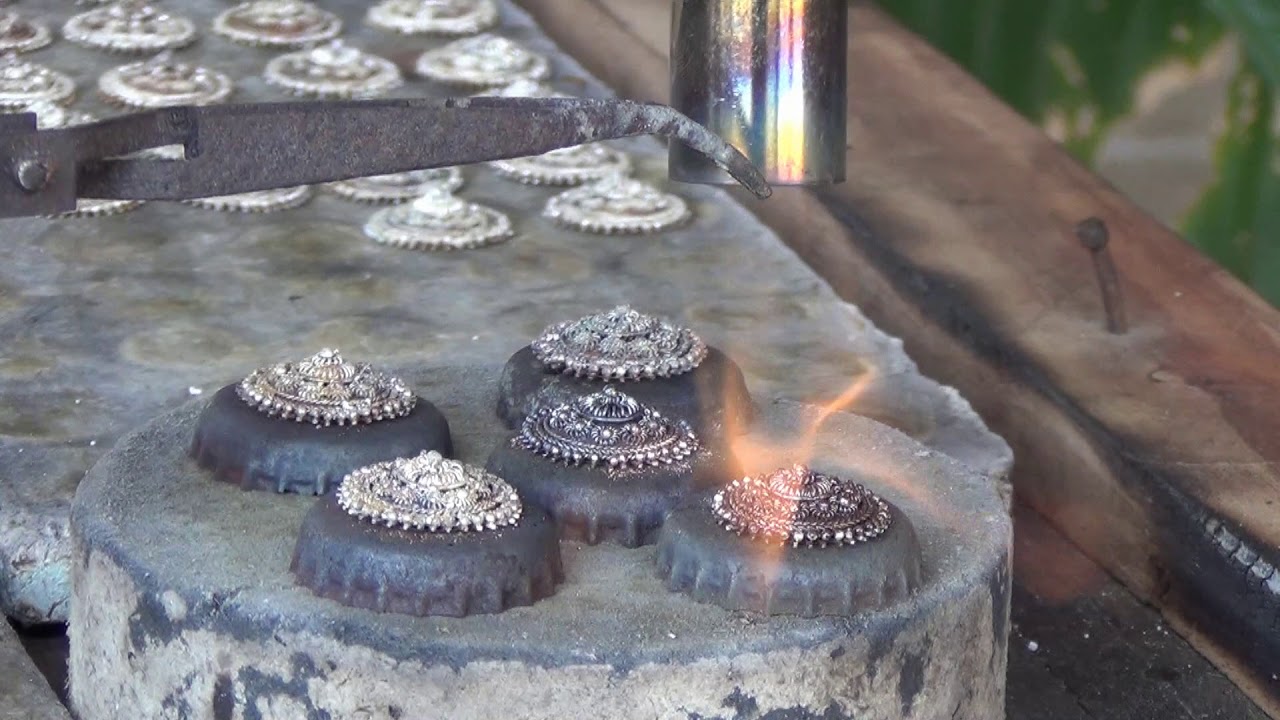
 Click to Access the Navigation Map GPS
Khwao Sinarin Silver-Making Village Map
Recommend

 Art, Culture and Heritage
 Historical Sites and Monuments(11)
 Landmarks and Memorials(2)
 Art, Craft Centres, Tradition(5)
 Museums(1)
 Places of Worship
 Temple(15)
 Other Sacred Sites(1)
Village, Community(9)
Other Sacred Sites(1)
Village, Community(9)
 Local Market(1)
 Nature and Wildlife
 National Parks and Marine Reserves(2)
 Mountain (Doi)(2)
 Dam, Reservoir, Lake(6)
 Waterfalls(1)
 River, Canal(2)
 Other natural attractions(4)
 Entertainment and Agricultural
 Farms, Parks and Ecotourism(2)


