
TL;DR: Tham Lod Wildlife and Nature Education Center is located at Tham Lod Subdistrict, Pang Mapha District, Mae Hong Son Province, open Daily, hours 08:00 – 17:00.

Tham Lod Wildlife and Nature Education Center
Open Days: Daily
Opening Hours: 08:00 – 17:00
Tham Lod Wildlife and Nature Education Center is one of the most important natural and archaeological attractions in Pang Mapha District, Mae Hong Son Province. It is located in Tham Lod Subdistrict, about 77 kilometers from Mae Hong Son town along Highway 1095 on the Pang Mapha – Pai route. If you are coming from Mae Hong Son town, you will reach the left turn near kilometer markers 138 – 139, then continue about 9 kilometers into Ban Tham Lod. The site is far more than a scenic cave stop. It is a place where geology, archaeology, wildlife, river landscape, and local tourism all come together in one destination.
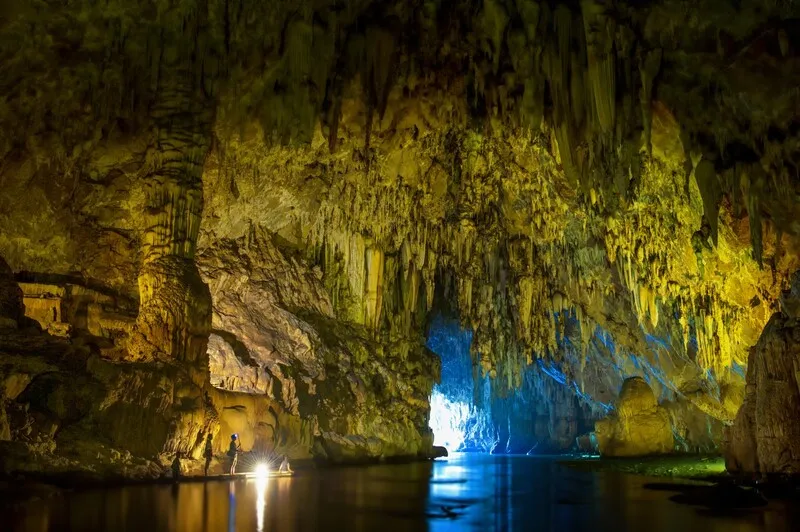
The main attraction here is “Tham Lod,” also widely known as Nam Lod Cave, a large stream cave formed by the Lang River flowing through the mountain and emerging on the other side. This creates a dramatic cave system filled with limestone formations, dark chambers, moisture-rich air, and a natural atmosphere that feels immersive from the moment visitors enter. The cave is not famous only because it is visually beautiful. It is also remarkable for how clearly it shows the relationship between water, limestone, time, and human history.
Tham Lod is also one of the most important archaeological cave sites in Mae Hong Son. Ancient tools and objects discovered inside the cave suggest that people used this area around 2,000 years ago or more. That makes the cave valuable not only as a natural attraction, but also as evidence of prehistoric human presence in the Pang Mapha area. Visitors therefore experience more than impressive scenery. They are walking through a place that preserves traces of long-ago communities and their interaction with the landscape.
The cave itself is about 1 kilometer long and contains 3 major chambers, each with a distinct character. The first is “Sao Hin Luang Cave,” a vast chamber famous for its magnificent stalactites and stalagmites. Its most striking feature is a giant limestone column formed by multiple calcite formations joining together over time. Some of these towering columns reach around 20 meters in height. This chamber is often the moment when visitors fully understand the scale and beauty of Tham Lod.
The second major chamber is “Tukta Cave.” Unlike the grand vertical impact of Sao Hin Luang Cave, this chamber is known for its many small knob-like stalagmites that resemble rows of figurines, which is why the cave carries the name “Tukta,” meaning dolls. One section of the cave wall also contains prehistoric paintings in red and black pigments, a combination considered relatively uncommon in Thailand. Tukta Cave is also the longest and widest of the main chambers, adding both visual and archaeological importance to the experience.
The final chamber near the exit is “Phi Man Cave.” This section is especially important to archaeology because, in addition to beautiful cave formations, researchers found pottery fragments, plant remains, stone tools, human teeth, bones, and the famous “Phi Man Coffins.” These coffin-like wooden structures were made from logs hollowed out in the center, resembling boats or long troughs. Larger examples were placed on elevated beams supported by wooden posts. This funerary tradition is one of the most recognizable cultural discoveries associated with Pang Mapha cave archaeology, and it gives Phi Man Cave a very distinctive historical identity.
Visiting Tham Lod is not like visiting a brightly lit show cave. The cave interior is very dark, and visitors cannot enter by themselves. A local guide with a hurricane lantern is required, and part of the journey includes traveling on a bamboo raft through the cave stream. This is exactly what makes the experience so memorable. Rather than following an artificial walkway through a heavily staged attraction, visitors move through a natural environment shaped by darkness, water, stone, and local knowledge.
The cave route is usually divided into 2 main parts. The first section covers Sao Hin Luang Cave and Tukta Cave, while the second focuses on Phi Man Cave. This structure helps visitors enjoy the site at a comfortable pace and gives each chamber enough time to leave its own impression. Travelers who love geology tend to be fascinated by the giant limestone pillars and the details of the formations, while those interested in history and archaeology are often most drawn to the rock art and the coffin remains.
Another memorable aspect of Tham Lod is the wildlife around the cave, especially bats and swifts. In the late afternoon, the area near the cave entrance becomes a rewarding place to observe natural movement and cave ecology. This adds another layer to the site’s identity as a true wildlife and nature education center rather than just a scenic cave stop.
Overall, Tham Lod is a destination that appeals to several types of travelers at once. Nature lovers come for the cave stream and limestone formations. History-minded travelers come for the archaeological importance. Adventure seekers enjoy the bamboo raft and lantern-guided route. Road trippers appreciate that the site fits easily into a broader Pang Mapha itinerary with viewpoints, community villages, cafés, and mountain stays nearby.
The area around the center also supports overnight travel plans. There are accommodation options nearby, and the official area allows camping and basic stay arrangements. Many travelers choose to stay in the Tham Lod or Soppong area so they can continue their trip to Ban Jabo, mountain viewpoints, or other cave-related destinations the next morning. This makes Tham Lod a very practical anchor point for a one-night or two-day trip in Pang Mapha.
Atmospherically, Tham Lod feels both expansive and deeply intimate. Outside, the landscape is mountainous, rural, and calm. Inside, the cave becomes a shadowy river world with ancient traces hidden in stone and darkness. The transition from daylight into the lantern-lit interior is one of the strongest parts of the experience. It feels less like ordinary sightseeing and more like entering a natural chamber that has preserved memory, water, and silence for centuries.
One of the strongest practical reasons to visit Tham Lod is that it connects well with the wider Pang Mapha area. Many visitors are not looking only for a cave. They want a full route that includes nature, local food, scenic viewpoints, and cultural stops. Tham Lod works perfectly as the core of that kind of trip. After the cave, travelers can continue to Doi Kiew Lom Viewpoint, Doi San Wua Tor Viewpoint, Ban Jabo, Ban Jabo Viewpoint, or Phu Pha Mok, then finish the day at a café or guesthouse in the same region.
Pang Mapha is also known for many other caves, including Pha Daeng Cave, Pha Pheuak Cave, Pang Kham Cave, Nam Tok Cave, Su Sa Cave, Pha Mon Cave, and Mae Lana Cave. Many of these places are much harder to access and are better suited to experienced explorers. Mae Lana Cave in particular is known for its great depth, extending around 12 kilometers, with some sections requiring swimming. This makes Tham Lod especially valuable because it offers a rich cave experience that is accessible to general travelers while still carrying genuine geological and archaeological depth.
For transportation, the site is easiest to reach by private car. Travelers from Mae Hong Son town follow Highway 1095 for about 77 kilometers, then turn into the Ban Tham Lod road and continue another 9 kilometers. Visitors coming from Pai can use the same highway in the opposite direction and follow the signs into Tham Lod. Because the route is part of the main Mae Hong Son travel loop, the cave is convenient for self-drive travelers who want to combine several attractions in one day.
As for preparation, visitors should wear shoes with good grip, choose comfortable clothing, and be ready for a cave environment that includes walking, darkness, moisture, and bamboo raft travel. Even though lanterns are provided through the guiding service, a small personal flashlight can still be helpful. During the cool season and the rainy season, the cave interior may feel noticeably chilly, so a light extra layer can make the visit more comfortable.
In terms of travel value, Tham Lod stands out because it delivers beauty and knowledge at the same time. Visitors do not simply pass through impressive rock scenery. They encounter evidence of prehistoric life, learn how water shaped the mountain, and experience a guided journey that still depends on local expertise. That combination gives the site depth and makes it one of the most meaningful cave attractions in northern Thailand.
For travelers planning an overnight stay, Tham Lod pairs especially well with Ban Jabo or accommodations in the Soppong area. A typical route could include cave exploration during the day, followed by a café stop or a mountain-view meal, then an overnight stay nearby before a sunrise viewpoint visit the next morning. This kind of itinerary lets travelers experience both the underground world of Pang Mapha and the open mountain landscapes above it in the same trip.
In clear terms, Tham Lod Wildlife and Nature Education Center is one of Mae Hong Son’s most rewarding destinations because it brings together a major stream cave, striking limestone formations, prehistoric wall paintings, Phi Man coffins, wildlife observation, and local travel culture in one place. Visitors are not just sightseeing. They are stepping into a landscape where natural beauty, archaeological importance, and regional identity are closely intertwined. For anyone looking for a Mae Hong Son attraction with beauty, substance, and a genuinely memorable experience, Tham Lod belongs high on the list.
Getting There from Mae Hong Son town, follow Highway 1095 toward Pang Mapha and Pai for about 77 kilometers. Near kilometer markers 138 – 139, turn left toward Ban Tham Lod and continue around 9 kilometers to the cave area. From Pai, use the same highway in the opposite direction and follow the sign into Tham Lod. If you want to continue to Mae Lana Cave, use Highway 1095 on the Pai – Mae Hong Son route, then turn onto Highway 1226 toward Ban Mae Lana for 6 kilometers and continue another 4 kilometers to the cave area. This onward route is better suited to experienced nature and adventure travelers.
| Name | Tham Lod Wildlife and Nature Education Center |
| Place Summary | A major natural and archaeological attraction in Pang Mapha featuring a stream cave, limestone formations, prehistoric paintings, and Phi Man coffins. |
| Location | Tham Lod Subdistrict, Pang Mapha District, Mae Hong Son Province |
| Highlights | Sao Hin Luang Cave, Tukta Cave, Phi Man Cave, bamboo raft cave passage, prehistoric paintings, and Phi Man coffins |
| History / Importance | A major archaeological cave site under the Pai River Wildlife Sanctuary area, with evidence suggesting human use dating back around 2,000 years or more |
| Name Origin | The name refers to the Lang River flowing through the mountain and passing through the cave before emerging on the other side |
| Distinctive Features | A cave about 1 km long with 3 major chambers, visited with a local guide, lantern, and bamboo raft in some sections |
| Travel Information | About 77 km from Mae Hong Son town via Highway 1095, then a left turn near km 138 – 139 and another 9 km into Ban Tham Lod |
| Current Status | Open to visitors |
| Open Days | Daily |
| Opening Hours | 08:00 – 17:00 |
| Fees | Guide, lantern, and bamboo raft service fees apply depending on the visit format and are arranged at the site |
| Facilities | Visitor service area, accommodation, and camping option |
| Main Areas / Zones | 1) Sao Hin Luang Cave 2) Tukta Cave 3) Phi Man Cave |
| Caretaker | Pai River Wildlife Sanctuary / Tham Lod Wildlife and Nature Education service unit |
| Main Contact Number | 0-5361-7218 |
| Nearby Tourist Attractions | 1. Doi Kiew Lom Viewpoint – 2 km 2. Doi San Wua Tor Viewpoint – 6 km 3. Ban Jabo Community – 12 km 4. Ban Jabo Viewpoint – 12 km 5. Phu Pha Mok, Ban Jabo – 13 km |
| Nearby Restaurants | 1. Ton Chok – 1 km. Tel. 084-950-1319, 094-636-4040 2. Chamakao Pang Mapha – 2 km. Tel. 088-260-5591 3. Kiew Lom Café – 2 km. Tel. 094-969-3949 4. Ban Kaew Mora – 6 km. Tel. 081-765-2144 5. Northern Hill – 9 km. Tel. 053-617-136 6. Ban Jabo Hanging Leg Noodles – 12 km. Tel. 096-195-2685 7. Moo Tak Mok, Doi Kiew Lom – 2 km. Tel. 064-987-4708 |
| Nearby Accommodations | 1. Cave Lodge – 1 km. Tel. 053-617-203, 091-890-0764 2. Rim Doi Bungalows – 2 km. Tel. 089-553-6041, 089-851-2890 3. Pen Cave Homestay – 3 km 4. Baan Rim Lang – 8 km. Tel. 086-916-2647, 085-334-2373 5. Soppong River Inn – 9 km. Tel. 053-617-107, 081-250-8425 6. Little Eden Guesthouse – 9 km. Tel. 053-617-054 7. Jungle Guesthouse – 9 km. Tel. 053-617-099 |
Frequently Asked Questions (FAQ)
Q: Where is Tham Lod located?
A: Tham Lod is in Tham Lod Subdistrict, Pang Mapha District, Mae Hong Son Province, about 77 kilometers from Mae Hong Son town.
Q: What are the opening hours of Tham Lod?
A: It is open daily from 08:00 to 17:00.
Q: Can I enter Tham Lod by myself?
A: No. Visitors need a local guide with a lantern, and some parts of the route involve bamboo raft travel.
Q: What are the main highlights inside Tham Lod?
A: The main highlights are Sao Hin Luang Cave, Tukta Cave, Phi Man Cave, prehistoric paintings, and the Phi Man coffins.
Q: Who would enjoy visiting Tham Lod?
A: It is ideal for travelers who enjoy caves, nature, archaeology, local-guided experiences, and scenic road trips in Pang Mapha.
Q: What places can I combine with Tham Lod on the same trip?
A: Good nearby options include Doi Kiew Lom Viewpoint, Doi San Wua Tor Viewpoint, Ban Jabo Community, Ban Jabo Viewpoint, and Phu Pha Mok.
Q: How do I continue to Mae Lana Cave?
A: Use Highway 1095 on the Pai – Mae Hong Son route, turn onto Highway 1226 toward Ban Mae Lana for 6 kilometers, then continue about 4 kilometers more.
Category: ●Nature and Wildlife
 Category: ●
Group: ●Caves
 Group: ●
 Last Update : 2 DayAgo

 Click to Access the Navigation Map GPS
 Art, Culture and Heritage
 Historical Sites and Monuments(
 Landmarks and Memorials(
 Art, Craft Centres, Tradition(
 Museums(
 Educational Places
 Educational Gardens, Farm(
 Places of Worship
 Temple(
 Other religious and spiritural sites(
 Research and Development
 Royal Project(
 Suburban Living
 Village, Community(
 Local Market(
 National Parks and Marine Reserves(
 Mountain (Doi)(
 Dam, Reservoir, Lake(
 Waterfalls(
 Hot Springs(
 Flower Field(
 River, Canal(
 Other natural attractions(
 Entertainment and Agricultural
 Farm, Parks, Gardens and Ecotourism(
 Shopping
 Shopping and Night Market(
 Travel Articles, Recipes
 Travel Review, Food Review(


