
lovethailand home >Central Travel Attractions >Bangkok Travel Attractions >Phra Nakhon >Phra Borommaha Ratchawang > Paying Respect to Music and Dance Teachers
TL;DR: Paying Respect to Music and Dance Teachers. Thailand is a land rich in art and culture, and the tradition of paying respect to music and dance teachers (Wai Khru) is one of its.
Paying Respect to Music and Dance Teachers
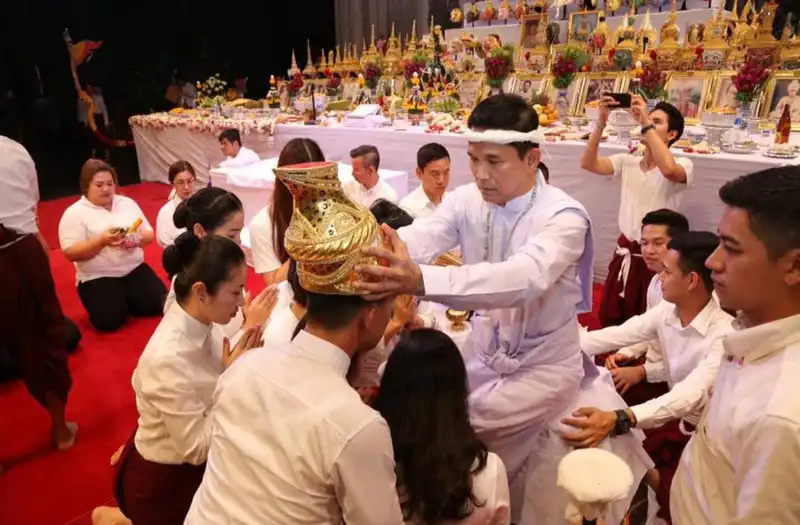
Paying Respect to Music and Dance Teachers Thailand is a land rich in art and culture, and the tradition of paying respect to music and dance teachers (Wai Khru) is one of its treasured cultural heritages. This tradition reflects gratitude towards teachers who impart knowledge and skills to their students. It serves as a significant occasion to express respect and ensure the preservation of Thai art and culture for future generations.
History and Significance The tradition of Wai Khru has deep roots in Thai society, especially in the fields of traditional music and dance. This ritual is part of a belief system that venerates teachers as benefactors who impart wisdom to their disciples. Historically, Wai Khru ceremonies were not limited to the arts but also extended to other disciplines, such as traditional medicine, martial arts, and craftsmanship.
The Wai Khru ceremony holds cultural and spiritual importance, as it strengthens the bond between teachers and students while promoting the continuity of knowledge and values within Thai society.
Steps in the Wai Khru Ceremony The Wai Khru ceremony is a well-structured and sacred ritual involving the preparation of offerings, such as:
Flowers: Eggplant flowers symbolizing humility, ixora flowers representing wisdom, and Bermuda grass signifying perseverance.
Incense and candles: Used to honor and pay respect to the teachers. On the day of the ceremony, the head teacher or master of ceremonies leads students in reciting prayers to pay homage to the teachers. The teacher then anoints the students' foreheads for blessings. Afterward, students present their offerings and showcase their musical or dance talents, demonstrating what they have learned.
Music and dance teachers play a crucial role in both imparting knowledge and instilling moral values. They do more than teach techniques; they foster respect, humility, and pride in Thai cultural heritage.
Being a student of a traditional music or dance teacher is not just about acquiring artistic skills. It also involves embracing a way of life centered on gratitude. Many teachers also serve as guardians of historical knowledge, preserving the evolution of these art forms.
Despite societal changes, the tradition of Wai Khru remains alive in schools, educational institutions, and local arts groups. Annual Wai Khru ceremonies provide opportunities for the younger generation to learn about the importance of teachers and appreciate the value of Thai art and culture.
Some communities go further by organizing cultural preservation activities, such as performances of traditional music and dance at festivals, workshops for young people, and disseminating knowledge through online platforms to broaden access to Thai cultural heritage.
The Wai Khru tradition is not merely a ritual but also a symbol of the profound bond between teachers and students. Preserving this tradition is crucial for maintaining Thailand's unique identity and instilling pride in its cultural roots.
In today’s rapidly changing world, safeguarding and passing on the tradition of paying respect to music and dance teachers bridges the younger generation to the cultural values of the past while ensuring cultural stability for Thailand's future.
 Category: ●Art, Culture and Heritage
 Group: ●Art, Craft Centres, Tradition
Last Update : 1 YearAgo
 Last Update : 1 YearAgo
Recommend

 Historical Sites and Monuments(3)
 Landmarks and Memorials(23)
 Royal Palace(13)
Art, Craft Centres, Tradition(35)
Royal Palace(13)
Art, Craft Centres, Tradition(35)
 Museums(59)
 Historic Homes and Cities(3)
 Art Gallery(16)
 Educational Places
 Museum for Study(6)
 Library(4)
 Places of Worship
 Temple(72)
 Church(2)
 Mosque(67)
 Other Sacred Sites(8)
 Research and Development
 Royal Project(1)
 Suburban Living
 Village, Community(5)
 Local Market(9)
 Floating Market(2)
 Nature and Wildlife
 River, Canal(3)
 Bays and Beaches(1)
 Other natural attractions(1)
 Entertainment and Agricultural
 Zoos and Aquariums(4)
 Animal camps and shows(5)
 Stadium(9)
 Farms, Parks and Ecotourism(20)
 Amusement Park(1)
 Waterpark(1)
 Theater(7)
 Cinema(1)
 Shopping
 Shopping and Night Market(20)
 Department Store(7)
 Spas and Wellness
 Spas and Wellness(1)
 Restaurant
 Michelin Star(5)
 Accommodation
 Hotel(3)
 Call Customer Service in Tourism
 Call Customer Service in Tourism(1)
 Travel Articles, Recipes
 Travel Review, Food Review(21)
 Royal Thai Desserts and Recipes(56)


