
lovethailand home >Central Travel Attractions >Bangkok Travel Attractions > Thai Food Festivals in Bangkok
TL;DR: Thai Food Festivals in Bangkok.
Thai Food Festivals in Bangkok
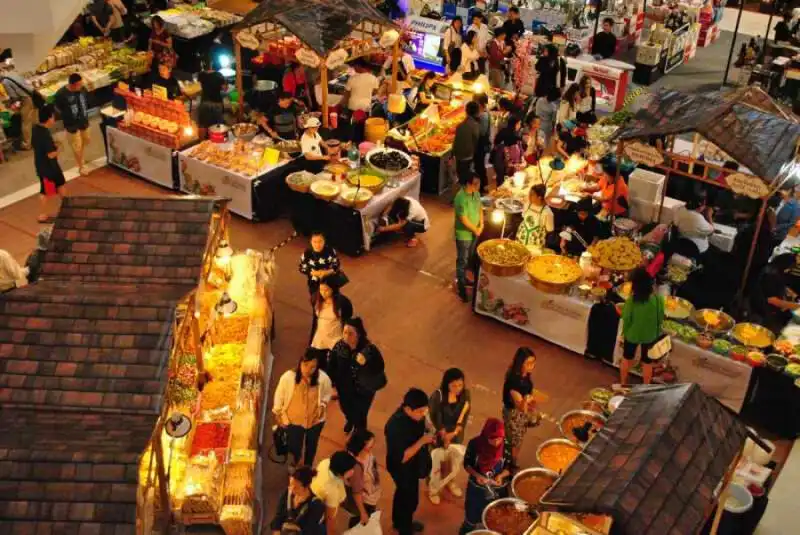
Thai Food Festivals in Bangkok: Preserving Tradition Through Flavor Bangkok, the vibrant capital of Thailand, is not only the economic and cultural hub of the country but also a center for food festivals that reflect Thailand's diverse traditions and culture. These food festivals in Bangkok are not merely celebrations or entertainment events; they play a crucial role in preserving local traditions through flavors passed down from generation to generation.
Thai food festivals in Bangkok showcase the city’s cultural richness and diversity through various types of food and event locations. Some of the most notable food festivals include:
Yaowarat Vegetarian Festival: Held in October on Yaowarat Road, the heart of Bangkok’s Chinese community, this festival features an array of vegetarian dishes. The streets are lined with stalls selling everything from stir-fried vegetables, pickled fruits, to vegetarian noodles and fried rice.
Khao Chae Festival at Lumphini Park: Held during the summer, this festival celebrates the traditional Thai dish "khao chae," a refreshing rice dish served with various side dishes such as sweetened radish and shrimp paste balls. This festival emphasizes the preservation of traditional khao chae-making methods that date back to the Ayutthaya period.
Seafood Festival at Impact Muang Thong Thani: An annual event that brings together fresh seafood from all regions of Thailand. Whether it's oysters, prawns, crabs, or fresh squid, they are prepared in various styles such as grilled, stir-fried, or sashimi. The festival also features cooking demonstrations by renowned chefs, showcasing different seafood preparation techniques.
Thai Dessert Festival at Khlong Lat Mayom Floating Market: This festival offers a wide selection of traditional Thai desserts, many of which are rare and made fresh on the spot. Desserts like crispy Thai crepes, layered sweets, and thong yip (sweet egg yolk) are highlights. Visitors can also participate in hands-on activities to learn how to make these traditional treats.
The food presented at each festival is not just food but represents the traditions and local culture that reflect Thai people's way of life and beliefs. For example, Thai desserts featured during the Loy Krathong festival, such as khanom tom, bua loi (rice ball in coconut milk), or khao tom mud (sticky rice wrapped in banana leaves), hold specific meanings tied to ancient beliefs and traditions. Making these desserts also serves as a means to pass down knowledge and skills from one generation to the next, ensuring the preservation of Thai culinary traditions.
During the Vegetarian Festival, abstaining from meat and consuming plant-based foods is not only a religious practice but also a way to connect with Thai traditions emphasizing physical and spiritual purity. The continued observance of these traditions ensures that food festivals are more than just dining experiences but acts of preserving and promoting cultural heritage.
Bangkok is a prime destination for tourists from around the world, and its food festivals are a major attraction. These diverse food festivals not only offer tourists a chance to savor Thai cuisine but also serve as a cultural exchange, introducing Thai traditions to international visitors. Tourists can participate in activities closely tied to Thai traditions, such as Thai cooking classes, Loy Krathong celebrations, or meditation sessions during various festivals. This makes tourism in Bangkok not just a sightseeing experience but a deep cultural immersion.
A clear example is the Songkran Festival on Khao San Road, famous worldwide. Tourists get to experience water fights while engaging in one of Thailand's most important cultural traditions and enjoy a variety of Thai street food from vendors and local restaurants.
Although Thai food festivals in Bangkok are deeply rooted in ancient traditions, they have adapted to modern times. For example, fusion food and dishes influenced by foreign cultures are often incorporated into the festivals. Additionally, there is a response to contemporary consumer demands, such as health-conscious foods, vegetarian options, and gluten-free dishes—trends that are increasingly popular today. These adaptations ensure that Bangkok’s food festivals remain appealing and relevant to today’s society.
A prominent example of adaptation is the Healthy Food Festival at CentralWorld, held regularly. This festival focuses on presenting healthy food options, such as plant-based meals, organic foods, and sustainably produced products, catering to consumers who prioritize health and environmental sustainability.
Thai food festivals in Bangkok are more than just celebrations; they are essential tools for preserving and promoting Thai traditions through flavors. The food presented at each festival represents Thai cultural heritage and serves as a bridge between the younger generation and their cultural roots. Supporting and continuing these food festivals in Bangkok is crucial to ensuring that Thai traditions remain vibrant and are passed down to future generations.
| Category | In-Depth Details |
| Overview | Thai food festivals in Bangkok combine cuisine, culture, and tourism, showcasing Thai identity through flavors and traditional practices. |
| Main Objectives | Preserve traditional Thai cuisine Transfer local wisdom Promote Thai soft power Boost tourism and economy |
| Key Festivals | 1. Yaowarat Vegetarian Festival 2. Lumpini Park Khao Chae Festival 3. IMPACT Muang Thong Thani Seafood Festival 4. Khlong Lat Mayom Floating Market Dessert Festival 5. CentralWorld Healthy Food Festival |
| Food Categories | Vegetarian / Vegan food Traditional Thai cuisine Fresh seafood Thai desserts Fusion cuisine Healthy food |
| Signature Dishes | Khao Chae Pad Thai Tom Yum Goong Thai desserts (Khanom Buang, Khanom Chan) Various vegetarian dishes |
| Cultural & Belief Aspects | Vegetarian food = purity Thai desserts = auspicious meanings Festival food = religious rituals |
| Festival Activities | Food tasting Cooking workshops Chef demonstrations Cultural performances Food tours |
| Tourism Role | Attracts international tourists Creates immersive cultural experiences Serves as a key Thai soft power driver |
| Economic Impact | Supports SMEs and local vendors Boosts tourism revenue Creates jobs in the food industry |
| Target Audience | Local and international tourists Food lovers Cultural explorers Health-conscious consumers |
| Current Trends | Plant-based food Organic food Sustainable food Thai fusion cuisine |
| Visitor Tips | Visit in the evening for cooler weather Bring cash for small vendors Choose busy stalls for better quality Avoid peak crowd hours |
Frequently Asked Questions (FAQ)
Q: What are Thai food festivals in Bangkok?
A: Thai food festivals are cultural events where visitors can experience traditional and modern Thai cuisine, along with activities that reflect local traditions and lifestyle.
Q: When is the best time to visit food festivals in Bangkok?
A: Food festivals take place throughout the year, but the most popular periods include October (Vegetarian Festival), April (Songkran), and the summer season for Khao Chae events.
Q: Where are the most famous food festivals held in Bangkok?
A: Major locations include Yaowarat (Chinatown), Lumpini Park, IMPACT Muang Thong Thani, Khlong Lat Mayom Floating Market, and CentralWorld.
Q: What types of food can you find at these festivals?
A: Visitors can enjoy a wide variety of food, including vegetarian dishes, traditional Thai cuisine, seafood, Thai desserts, fusion food, and health-focused meals.
Q: What is special about the Yaowarat Vegetarian Festival?
A: It is one of the largest vegetarian festivals in Thailand, featuring a wide range of plant-based dishes and reflecting beliefs about purity and spiritual cleansing.
Q: Are Thai food festivals suitable for tourists?
A: Yes, they are highly recommended for tourists because they offer both authentic food experiences and cultural immersion in one place.
Q: How do food festivals reflect Thai culture?
A: Food festivals showcase traditions, religious beliefs, and local lifestyles through dishes, cooking methods, and cultural activities.
Q: Can visitors participate in activities at food festivals?
A: Yes, many festivals offer cooking classes, food tasting tours, chef demonstrations, and cultural performances.
Q: What is the difference between food festivals and street food in Bangkok?
A: Food festivals are organized events with cultural activities and curated food experiences, while street food is available daily without a structured program.
Q: Are there healthy food options at Thai food festivals?
A: Yes, many festivals now include plant-based, organic, and sustainable food options to meet modern health trends.
Q: How much does it cost to attend a food festival in Bangkok?
A: Most festivals have free entry, and food prices range from affordable street food to premium dishes depending on the event.
Q: What should tourists prepare before visiting a food festival?
A: Visitors should bring cash, wear comfortable clothing, plan their visit during off-peak hours, and be ready to try a variety of dishes.
Q: Do food festivals support the local economy?
A: Yes, they create income for local vendors, farmers, and small businesses while boosting tourism revenue.
Q: What are the current trends in Bangkok food festivals?
A: Popular trends include plant-based food, organic ingredients, sustainable practices, and Thai fusion cuisine.
Q: Why are Thai food festivals considered soft power?
A: They promote Thai culture globally by using food as a cultural ambassador, attracting international visitors and creating memorable experiences.
 Category: ●Travel Articles, Recipes
 Group: ●Travel Review, Food Review
Last Update : 5 MonthAgo
 Last Update : 5 MonthAgo
Recommend

 Art, Culture and Heritage
 Historical Sites and Monuments(3)
 Landmarks and Memorials(23)
 Royal Palace(13)
 Art, Craft Centres, Tradition(35)
 Museums(59)
 Historic Homes and Cities(3)
 Art Gallery(16)
 Educational Places
 Museum for Study(6)
 Library(4)
 Places of Worship
 Temple(72)
 Church(2)
 Mosque(67)
 Other Sacred Sites(8)
 Research and Development
 Royal Project(1)
 Suburban Living
 Village, Community(5)
 Local Market(9)
 Floating Market(2)
 Nature and Wildlife
 River, Canal(3)
 Bays and Beaches(1)
 Other natural attractions(1)
 Entertainment and Agricultural
 Zoos and Aquariums(4)
 Animal camps and shows(5)
 Stadium(9)
 Farms, Parks and Ecotourism(20)
 Amusement Park(1)
 Waterpark(1)
 Theater(7)
 Cinema(1)
 Shopping
 Shopping and Night Market(20)
 Department Store(7)
 Spas and Wellness
 Spas and Wellness(1)
 Restaurant
 Michelin Star(5)
 Accommodation
 Hotel(3)
 Call Customer Service in Tourism
 Call Customer Service in Tourism(1)
Travel Review, Food Review(21)
Call Customer Service in Tourism(1)
Travel Review, Food Review(21)
 Royal Thai Desserts and Recipes(56)


