
lovethailand home >North Travel Attractions >Uttaradit Travel Attractions >Phichai >Nai Muang > Chao Mae Thapthim Phichai Shrine
TL;DR: Chao Mae Thapthim Phichai Shrine is located at Nai Mueang Subdistrict, Phichai District, Uttaradit Province, open Daily, hours 06.00 - 17.00.
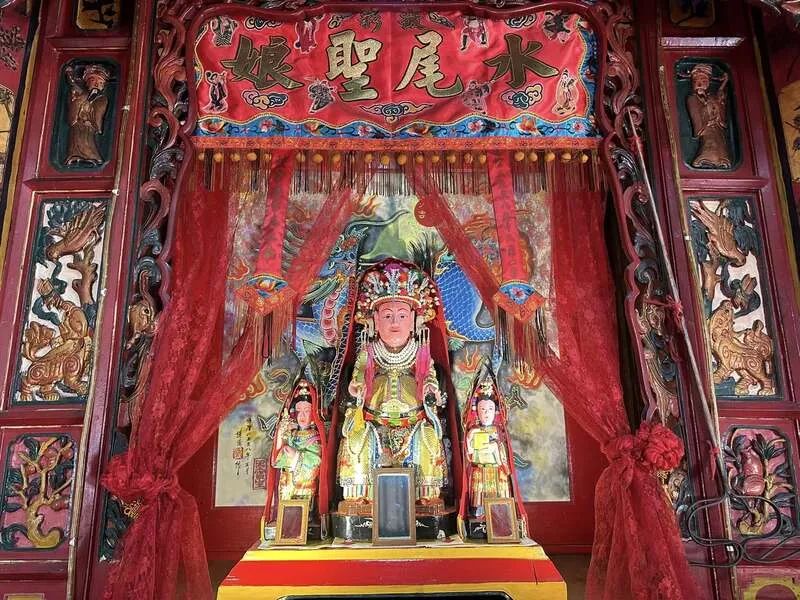
Chao Mae Thapthim Phichai Shrine
Open Days: Daily
Opening Hours: 06.00 - 17.00
Chao Mae Thapthim Phichai Shrine is located at 210, Nai Mueang Subdistrict, Phichai District, Uttaradit Province. It is an old Chinese shrine that has been part of Phichai for more than 100 years and is one of the most important spiritual centers of the Thai-Chinese community in Uttaradit. The shrine is known as the second Chao Mae Thapthim shrine in Thailand and remains closely connected with the history of Chinese settlement, river trade, and community identity in Phichai. Visitors come here to pay respect to Chao Mae Thapthim for blessings, safe travel, prosperity in business, health, family harmony, and good fortune.
The importance of Chao Mae Thapthim Phichai Shrine goes beyond religious worship. It is a place where Chinese faith, local history, family memory, and community tradition meet. The shrine’s red architecture, Chinese inscriptions, ritual objects, and annual ceremonies all reflect a living heritage that has been preserved by generations of local people. Every year, the community organizes the Chao Mae Thapthim worship festival, one of the largest Chinese community events in Phichai District and one of the most prominent Chinese cultural events in Uttaradit Province.
The history of the shrine is closely linked with Phichai’s former role as a river trading town. In the past, Phichai was a major stopping point for trade, with Chinese merchants traveling through the area by boat and by old transport routes. These merchants and settlers brought with them the worship of Chao Mae Thapthim, a goddess associated with water, safe travel, seafarers, and trade. The shrine was established as a sacred home for the goddess and as a spiritual center for the Chinese community in Phichai.
Historical information records that the shrine was founded in B.E. 2408, or 1865 CE. This shows that by the mid-19th century, the Chinese community in Phichai had become strong enough to build and maintain a shrine as a center of faith. Building a shrine was not only a religious act. It was also a way to preserve cultural identity, connect families and trading networks, and create a shared space for community support. Chao Mae Thapthim Phichai Shrine is therefore both a sacred site and an important cultural record of Chinese settlement in Uttaradit.
In Chinese belief, Chao Mae Thapthim is often regarded as a protector of waterways, travelers, traders, and people who depend on movement and trade. This belief fits naturally with Phichai’s past as a river-linked town. For Chinese traders who traveled through uncertain routes, the goddess served as a spiritual protector. For families, she represented safety, prosperity, and peace. Over time, this devotion became part of Phichai’s local identity.
The shrine also shows how Chinese communities in Thailand preserved tradition while adapting to local Thai society. The Chinese rituals at the shrine are not isolated from the wider community. Thai-Chinese families, local Thai residents, visitors, government agencies, and community groups all take part in or support the annual events. This makes the shrine a place where Chinese and Thai cultural life blend naturally.
The annual Chao Mae Thapthim worship festival is the heart of the shrine’s cultural life. The event includes traditional Chinese worship, offerings, merit-making, community participation, and ceremonial activities. In special years, the grand procession of Chao Mae Thapthim takes place and brings the sacred presence of the goddess out into the town. This procession allows the community to receive blessings and reinforces the relationship between the shrine and the wider Phichai community.
The procession is one of the most memorable parts of the tradition. It brings together shrine committee members, caretakers, descendants of Chinese families, local shops, local authorities, volunteers, and visitors. The atmosphere is lively, colorful, and deeply meaningful. The festival is not only a religious event but also a living expression of Phichai’s Chinese identity. Younger generations learn about their heritage through participation, while older generations see the tradition continue.
Important rituals connected with the shrine include the changing of the goddess’s ceremonial garments, lion dance performances, the offering and distribution of charity, and traditional Chinese worship ceremonies. Each ritual has its own meaning. Together, they express respect for Chao Mae Thapthim, gratitude to the goddess, care for the community, sharing with those in need, and the wish for peace and prosperity. The charity-giving ritual especially reflects the Chinese value of generosity and community support.
The changing of ceremonial garments is one of the most significant rituals at the shrine. It is not merely a change of clothing for the deity image. It is a respectful and carefully organized ceremony that requires preparation, devotion, and ritual knowledge. In some cycles, this ceremony is held every 6 or 7 years, making it an important event that draws people from Phichai and beyond.
The lion dance is another major symbol of the festival. In Chinese culture, the lion represents strength, auspiciousness, and the removal of misfortune. The sound of drums, cymbals, and the movement of the lion create an energetic atmosphere. Children and young people learn culture through performance, while visitors experience the festive spirit of the Thai-Chinese community in Phichai.
Chao Mae Thapthim Phichai Shrine also functions as a place of reunion. During the annual festival, descendants of Chinese families who live elsewhere often return to Phichai to take part in the event. The shrine becomes a meeting point for relatives, old friends, local shops, and community groups. Returning to worship Chao Mae Thapthim is therefore also a return to family roots and community memory.
For cultural travelers, the shrine is a valuable place to understand Chinese heritage in Thailand through a living community rather than through a museum display. Visitors can see how a Chinese shrine serves as a religious site, a meeting space, a center of annual festivals, and a symbol of shared identity. This makes Chao Mae Thapthim Phichai Shrine much more meaningful than a simple sightseeing stop.
The architecture and atmosphere of the shrine express Chinese cultural identity clearly. Red tones, Chinese characters, ceremonial objects, and the scent of incense create an environment of devotion. The shrine remains active, with worshippers coming to pray and make offerings. Its power lies in continuity: it is not only a memory of the past but a living sacred place still used by the community today.
The shrine is located in Nai Mueang Subdistrict, close to several important places in old Phichai. Visitors can easily combine the shrine with Phichai Fresh Market, Luang Pho Lak Mueang, Wat Mahathat, Chao Pho Phraya Phichai Dab Hak Shrine, Wat Na Phra That, and Wat Eka. This route combines Chinese faith, Buddhist devotion, local markets, old-town history, and the heroic memory of Phraya Phichai Dab Hak within a compact area.
A good cultural route can begin at Chao Mae Thapthim Phichai Shrine, where visitors pay respect to the goddess for blessings. From there, continue to Phichai Fresh Market to see local life, visit Luang Pho Lak Mueang at the old ordination hall near the market, then continue to Wat Mahathat and Chao Pho Phraya Phichai Dab Hak Shrine. This route gives visitors a layered understanding of Phichai: Chinese heritage, Buddhist faith, local trade, old-town identity, and historical memory.
Visitors interested in Chinese community history should spend at least 30 minutes to 1 hour at the shrine. Observe the shrine’s interior, offerings, Chinese inscriptions, and worship atmosphere. During the annual festival, more time is needed because crowds, processions, and ceremonies can fill the area. It is best to check the event schedule in advance and plan for traffic and parking.
On ordinary days, the shrine offers a calmer experience. Visitors can pray, study the details of the shrine, and take photographs quietly. During the annual festival, the atmosphere becomes much more energetic, with rituals, processions, and community activities. Both experiences are valuable but different. Travelers who prefer peace should visit on a normal day, while those who want to experience living culture should visit during the festival.
Visitors should worship respectfully. Dress modestly, speak softly, and avoid touching deity images or ritual objects without permission. Photography inside the shrine should be done carefully, especially during ceremonies. If unsure, ask the caretaker or shrine staff politely. Respecting the shrine’s rules helps preserve the sacred atmosphere and the dignity of the rituals.
Common offerings to Chao Mae Thapthim may include incense, candles, flowers, garlands, fruit, tea, and traditional Chinese offerings. Visitors who are unfamiliar with Chinese worship can observe local worshippers or ask politely for guidance. The most important part is sincerity and respect, not the quantity or price of the offerings.
Getting There is convenient by private car, rental car, or local transport to Phichai District. Set your destination to Chao Mae Thapthim Phichai Shrine at 210, Nai Mueang Subdistrict, Phichai District, Uttaradit 53120. The shrine is located in the community area of Phichai, making it easy to combine with nearby sites such as Phichai Fresh Market, Luang Pho Lak Mueang, Wat Mahathat, and Chao Pho Phraya Phichai Dab Hak Shrine.
Travelers from Uttaradit city should allow about 1 hour of travel time, depending on the route and traffic conditions. A private car is the most convenient option because it allows several stops in Phichai within one day. A day trip can begin in the morning from Uttaradit city, include the shrine and nearby cultural sites in Phichai, and return to the city in the evening.
Nearby attractions worth including are Phichai Fresh Market, which reflects local food and community life; Luang Pho Lak Mueang, the sacred Buddha image of Phichai; Wat Mahathat, an old temple of the district; Chao Pho Phraya Phichai Dab Hak Shrine, a place honoring Uttaradit’s heroic figure; and Wat Na Phra That, another old temple in the Phichai area.
Food options near the shrine begin with local food stalls and restaurants around Phichai Fresh Market. For a café stop, Cafe de Field in Phichai District is a practical option. Travelers returning to Uttaradit city can also stop at restaurants in the city, including Seeharaj Hotel Restaurant. Choosing food stops based on the actual travel route helps avoid backtracking and saves time.
For accommodation, travelers who want to stay close to Phichai can consider Phet Siam Resort in Phichai District. Those who prefer more choices can stay in Uttaradit city, where options include Seeharaj Hotel, Sunee Boutique Hotel, Thaimit Resort, and Jutha Mansion. Staying in Uttaradit city is convenient for travelers planning to continue to other attractions in the province, while staying in Phichai is suitable for those who want a slower local experience.
Culturally, Chao Mae Thapthim Phichai Shrine is a strong example of how Chinese identity in Thailand is preserved through shrines and annual festivals. The shrine is not only a place for individual worship. It is a space where community memory is organized, older generations pass rituals to younger generations, and descendants return to reconnect with family roots. This continuity is what keeps the shrine meaningful today.
The shrine also helps people from different cultural backgrounds understand one another. Visitors who are not Chinese can still pay respect to Chao Mae Thapthim, learn about Chinese ritual culture, watch processions, and experience the community atmosphere. In this way, the shrine acts as a cultural bridge between Thai and Chinese traditions, making the festival a shared heritage of Phichai.
As a travel destination, Chao Mae Thapthim Phichai Shrine is valuable both on ordinary days and during the annual festival. On ordinary days, visitors experience calm devotion and shrine details. During the festival, they witness processions, ceremonies, and the collective power of the community. The same shrine offers different experiences depending on the timing of the visit.
For families, the shrine is a good place to introduce children to Chinese culture in Thailand. Children can see Chinese characters, offerings, ritual objects, and possibly lion dance performances during festival time. Learning through a real place helps young visitors understand cultural diversity more easily than reading about it alone.
For photography, respect is essential. The shrine’s colors and architectural details are attractive, but visitors should not disturb worshippers or ceremonies. Do not block pathways, avoid photographing rituals too closely, and follow the instructions of shrine staff during festival processions. A respectful approach allows visitors to capture the atmosphere while preserving the dignity of the sacred space.
Visiting Chao Mae Thapthim Phichai Shrine is therefore more than a stop at an old Chinese shrine. It is an encounter with the memory of Phichai’s Chinese community, the history of river trade, the worship of a water-protecting goddess, and the living continuity of local tradition. For travelers who want to explore Uttaradit beyond the main city route, this shrine should be included together with Phichai Fresh Market, Luang Pho Lak Mueang, Wat Mahathat, and Chao Pho Phraya Phichai Dab Hak Shrine.
| Name | Chao Mae Thapthim Phichai Shrine |
| Location | Nai Mueang Subdistrict, Phichai District, Uttaradit Province |
| Address | 210, Nai Mueang Subdistrict, Phichai District, Uttaradit 53120, Thailand |
| Highlights | An old Chinese shrine in Phichai, known as the second Chao Mae Thapthim shrine in Thailand and a major spiritual center of the Thai-Chinese community in Uttaradit |
| History / Significance | Founded in B.E. 2408 in the context of Phichai’s river trade and Chinese merchant community; the shrine has been part of Phichai for more than 100 years |
| Name Origin | Named after Chao Mae Thapthim, a goddess associated with waterways, safe travel, protection, and prosperity in Chinese belief |
| Distinctive Features | Old Chinese shrine, annual worship festival, grand procession every 3 years, ceremonial garment-changing ritual every 6 or 7 years, lion dance, and charity-giving ritual |
| Caretaker / Shrine Chairman | Thawatchai Tuntikul, Chairman of Chao Mae Thapthim Shrine |
| Main Contact Number | 055-421-525 |
| Travel Information | Travel by private car, rental car, or local transport to Phichai District. Set the destination to Chao Mae Thapthim Phichai Shrine, 210 Nai Mueang Subdistrict, Phichai District, Uttaradit 53120. |
| Current Status | An active Chinese shrine open for worship and still hosting the Chao Mae Thapthim Phichai annual tradition |
| Open Days | Daily |
| Opening Hours | 06.00 - 17.00 |
| Related Traditions | Chao Mae Thapthim Phichai worship festival, grand procession, ceremonial garment-changing ritual, lion dance, charity-giving ritual, and traditional Chinese worship ceremonies |
| Recommended For | Worshipping Chao Mae Thapthim, seeking blessings, learning Thai-Chinese culture in Phichai, visiting an old Chinese shrine, and connecting a route with Phichai Fresh Market, Wat Mahathat, and Chao Pho Phraya Phichai Dab Hak Shrine |
| Nearby Tourist Attractions | 1. Phichai Fresh Market, about 1 km 2. Luang Pho Lak Mueang Phichai, about 1 km 3. Wat Mahathat Phichai, about 1 km 4. Chao Pho Phraya Phichai Dab Hak Shrine, about 1 km 5. Wat Na Phra That, about 2 km |
| Nearby Restaurants | 1. Food Stalls In Phichai Fresh Market, about 1 km 2. Local Restaurants Around Phichai Market, about 1 km 3. Noodle And Made-To-Order Food Shops Near Phichai Railway Station, about 2 km 4. Cafe de Field, Phichai District, about 3 km, Tel. 093-225-2515 5. Seeharaj Hotel Restaurant, Uttaradit City, about 45 km, Tel. 055-832-790, 089-461-6339 |
| Nearby Accommodations | 1. Phet Siam Resort Phichai, about 4 km, Tel. 082-491-6659, 061-982-9455 2. Seeharaj Hotel, Uttaradit City, about 45 km, Tel. 055-832-790, 089-461-6339 3. Sunee Boutique Hotel, Uttaradit City, about 45 km, Tel. 055-832-234 4. Thaimit Resort Uttaradit, about 46 km, Tel. 093-181-8228, 055-417-858 5. Jutha Mansion Uttaradit, about 45 km, Tel. 093-963-9159, 099-635-4294 |
Frequently Asked Questions (FAQ)
Q: Where is Chao Mae Thapthim Phichai Shrine located?
A: It is located at 210, Nai Mueang Subdistrict, Phichai District, Uttaradit Province 53120.
Q: Why is Chao Mae Thapthim Phichai Shrine important?
A: It is an old Chao Mae Thapthim shrine that has been part of Phichai for more than 100 years and is a major spiritual center of the Thai-Chinese community in Uttaradit.
Q: What are the opening hours of Chao Mae Thapthim Phichai Shrine?
A: The shrine is open daily from 06.00 to 17.00.
Q: What is interesting about the Chao Mae Thapthim Phichai festival?
A: The festival includes traditional Chinese worship, a grand procession, ceremonial garment-changing rituals, lion dance performances, charity-giving rituals, and major community activities.
Q: Who is the caretaker or chairman of Chao Mae Thapthim Phichai Shrine?
A: The latest available information lists Thawatchai Tuntikul as Chairman of Chao Mae Thapthim Shrine.
Q: What nearby attractions can travelers visit after the shrine?
A: Travelers can visit Phichai Fresh Market, Luang Pho Lak Mueang, Wat Mahathat, Chao Pho Phraya Phichai Dab Hak Shrine, and Wat Na Phra That.
Q: How can travelers get to Chao Mae Thapthim Phichai Shrine?
A: Travel by private car, rental car, or local transport to Phichai District, then set the destination to Chao Mae Thapthim Phichai Shrine at 210 Nai Mueang Subdistrict.
Q: What should visitors wear when visiting Chao Mae Thapthim Phichai Shrine?
A: Visitors should dress modestly, behave respectfully, and follow shrine etiquette, especially during ceremonies or festival periods.
 Category: ●Places of Worship
 Group: ●Other Sacred Sites
Last Update : 4 MonthAgo
 Last Update : 4 MonthAgo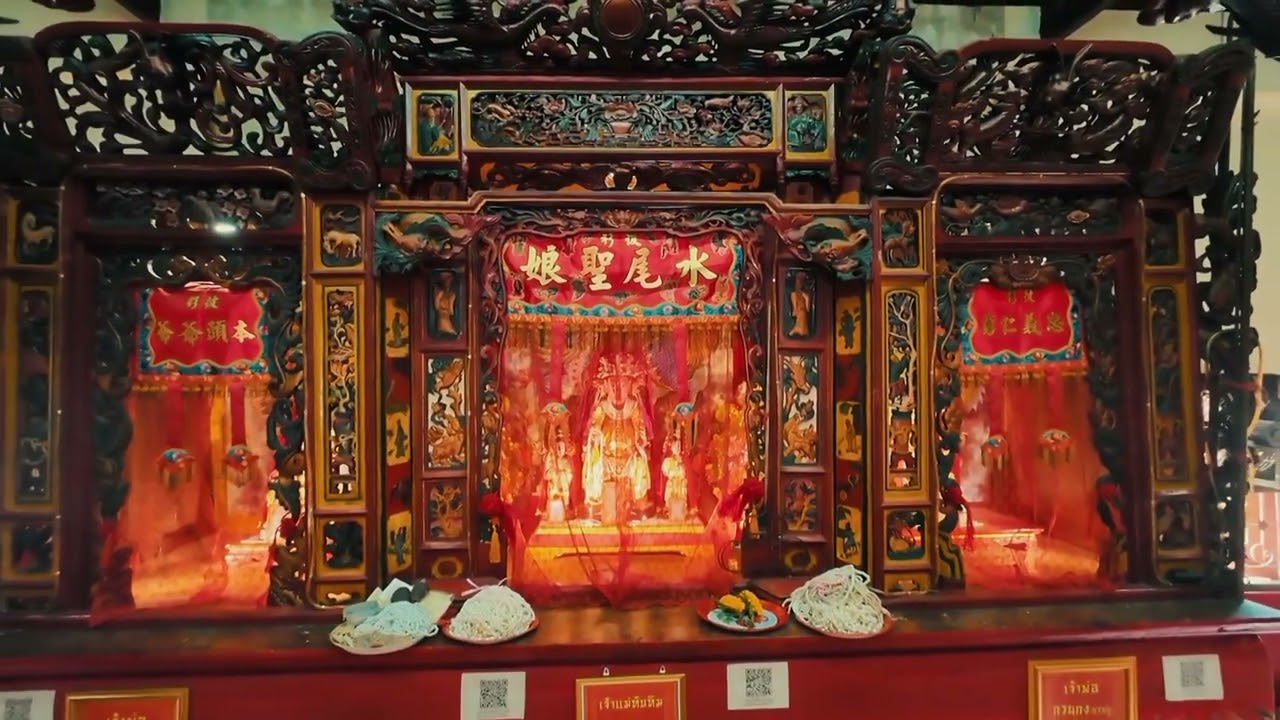
 Click to Access the Navigation Map GPS
Chao Mae Thapthim Phichai Shrine Map
Recommend

 Art, Culture and Heritage
 Historical Sites and Monuments(2)
 Landmarks and Memorials(8)
 Art, Craft Centres, Tradition(3)
 Museums(1)
 Historic Homes and Cities(1)
 Temple(42)
Other Sacred Sites(5)
Temple(42)
Other Sacred Sites(5)
 Suburban Living
 Village, Community(4)
 Nature and Wildlife
 National Parks and Marine Reserves(4)
 Mountain (Doi)(3)
 Dam, Reservoir, Lake(3)
 Waterfalls(11)
 Caves(3)
 River, Canal(3)
 Other natural attractions(3)
 Entertainment and Agricultural
 Farms, Parks and Ecotourism(1)


