
lovethailand home >North Travel Attractions >Uttaradit Travel Attractions >Lap Lae >Fai Luang > The Water Raising Ceremony
TL;DR: The Water Raising Ceremony is located at Moo 7, Ban Thong Thap Lae, Fai Luang Subdistrict, Laplae District, Uttaradit 53130, Thailand.
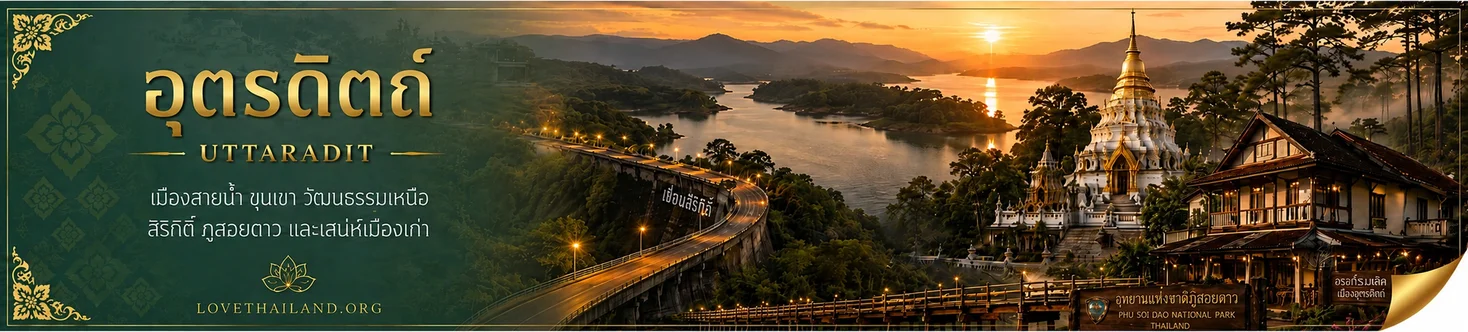
The Water Raising Ceremony
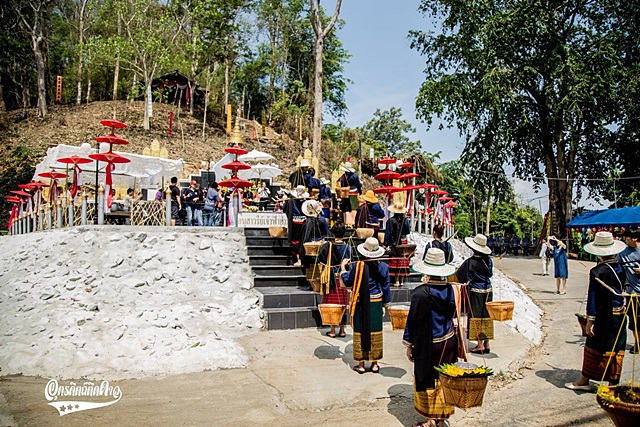
Event Date: The 13th Waxing Moon Day of the 6th Lunar Month Every Year
Event Time: Usually Starts in The Morning, Around 09.00
Hae Nam Khuen Hong Tradition is an important local tradition of Laplae District in Uttaradit Province, held at Chao Fa Ham Kumarn Monument in Fai Luang Subdistrict. The ceremony takes place on the 13th waxing moon day of the 6th lunar month every year. It is organized to carry sacred water, scented water, offerings, and ritual objects to the ceremonial hong, or ritual hall, for the bathing and worship ceremony dedicated to Chao Fa Ham Kumarn, the legendary first ruler of Laplae. This tradition reflects gratitude toward the town’s founding figure, respect for ancestors, local belief in sacred guardians, and the hope for seasonal rain and agricultural abundance.
The word “hong” in the local context refers to a ritual hall or sacred space associated with the spirit of Chao Fa Ham Kumarn. Therefore, Hae Nam Khuen Hong means carrying water up to the ritual hall for worship and ceremonial bathing. The tradition is not simply a procession of water. It is a symbolic act in which the people of Laplae bring together devotion, memory, and prayer before a cultural hero who is deeply connected with the origin story of the town.
The background of the tradition is closely tied to the legend of Chao Fa Ham Kumarn and the history of Laplae. Local narratives tell of ancestors who moved from Chiang Saen and later settled in the hidden land that became Laplae. Chao Fa Ham Kumarn is remembered as a founding ruler who brought peace and order to the community. After his death, the townspeople built a hong as a dwelling place for his spirit and as a ceremonial site for worship. Over time, this belief developed into the annual Hae Nam Khuen Hong Tradition.
In cultural terms, the tradition combines history, folklore, ancestral worship, agricultural belief, and community identity. The event is held during the period that marks the beginning of the rainy season for the people of Laplae. Water in the procession therefore carries multiple meanings. It represents purification, blessing, respect, fertility, and the wish for rain to fall in the right season. Farmers and fruit growers participate with the hope that crops will be abundant, natural disasters will be avoided, and the community will live in peace.
In the past, the ceremony began with villagers bringing water from their own household wells to join the ritual. This water represented the life of each home and family. When the water from many houses was brought together, it became a collective offering from the whole community. As the population grew and the event became larger, local authorities began helping organize the procession so that the tradition could continue in a more orderly and accessible form while preserving its original meaning.
Today, the event is mainly organized by Fai Luang Subdistrict Administrative Organization in cooperation with local communities, cultural groups, local leaders, and residents of Laplae. The procession still preserves the core elements of the old tradition: scented water, bee-wax trees, flower offerings, bai si ceremonial arrangements, and ritual objects dedicated to Chao Fa Ham Kumarn, local guardian spirits, and sacred beings respected by the community.
The procession is generally divided into 3 main parts. The first is the tung procession, featuring northern-style ceremonial flags that symbolize merit, respect, and auspiciousness. The second is the shoulder-pole procession carrying water and offerings for the bathing ceremony. The third is the folk cultural procession, which presents the local way of life through traditional clothing, local objects, dance, and community identity. Together, these 3 elements create a procession that is both visually beautiful and spiritually meaningful.
The beauty of Hae Nam Khuen Hong lies not only in the procession but also in the participation of the community. Elderly residents preserve memories and ritual knowledge. Adults help organize the event and prepare the offerings. Young people join the procession in traditional clothing and learn the meaning of their local heritage through direct experience. The event is therefore both a ceremony and a living classroom for cultural transmission.
When the procession reaches Chao Fa Ham Kumarn Monument, the offerings are placed on the ritual platform. Water from different communities is then used in the bathing ceremony. A ritual leader performs the worship ceremony for the spirit of Chao Fa Ham Kumarn. This is the most sacred part of the event because it symbolically connects the living community with its founding ancestor. Through the ceremony, people express gratitude, ask for blessings, and reaffirm their respect for the values that shape Laplae’s identity.
After the main ritual, the event often includes traditional dance, folk performances, and community activities offered in honor of Chao Fa Ham Kumarn. Dance is not merely entertainment; it is an artistic offering. In the past and present, local activities such as performances and traditional competitions have helped create a festive atmosphere around the sacred ceremony. The event therefore balances solemn ritual with community celebration.
The hong liang, or ritual hall associated with Chao Fa Ham Kumarn, is also important in the tradition. Local-style worship ceremonies are performed there, including forms of spirit-related belief that are meaningful to the community. These practices show how the people of Laplae understand the relationship between living people, ancestors, guardian spirits, and the sacred forces believed to protect the town.
Hae Nam Khuen Hong is a strong example of a northern Thai tradition in which ritual, legend, agriculture, and social unity are inseparable. Within one event, visitors can see formal processions, Brahmin-style worship, water rituals, folk belief, dance, local dress, and the participation of ordinary villagers. The coexistence of these elements shows how Laplae preserves cultural diversity without losing the central meaning of the tradition.
Chao Fa Ham Kumarn is important in this tradition not only as a legendary ruler but also as a symbol of leadership, courage, compassion, and responsibility toward the homeland. The bathing ceremony represents gratitude and purification. It reminds the people of Laplae to live with honesty, modesty, and unity. These values are deeply connected with the broader legend of Laplae as a hidden town where truthfulness and the rule against lying are central to its identity.
The tradition is also linked to the agricultural life of Laplae. The district is known for fruit orchards, especially durian, langsat, and longkong. The ceremony is held at the beginning of the rainy season, making it especially meaningful for farmers and orchard owners. Prayers for seasonal rain, fertile crops, safety from natural disasters, and good harvests are part of the emotional and spiritual foundation of the event.
For travelers, Hae Nam Khuen Hong offers a rare opportunity to experience an authentic local tradition that still belongs to the community. Visitors can observe the procession, traditional clothing, ritual offerings, dance, and ceremonial bathing in a respectful way. Photography is possible in public areas, but visitors should avoid interrupting the procession or entering ritual spaces without permission. Respectful behavior is essential because the event holds deep spiritual meaning for the people of Laplae.
Getting There is convenient from Uttaradit town by private car or local hired transport. From Laplae Market intersection, take Highway 1043 toward Mae Phun Waterfall. Continue until Wat Mai appears on the right-hand side, then turn left into the lane opposite the temple and continue for about 800 meters to reach Chao Fa Ham Kumarn Monument. Visitors should arrive in the morning because the event usually begins around 09.00 and the area may be crowded with local participants and spectators.
Visitors should park only in designated areas, avoid blocking the procession route, and prepare for outdoor conditions with comfortable shoes, a hat, drinking water, and appropriate clothing. Since the event is a sacred community ceremony, visitors should dress modestly, avoid touching ritual objects, and follow the guidance of local officers or community representatives.
After attending the ceremony, travelers can continue to nearby attractions such as Mae Phun Waterfall, Laplae Museum, Laplae City Gate, Wat Phra Thaen Sila At, and Wat Phra Borom That Thung Yang. Local food is also an important part of the Laplae experience. Travelers can try khao phan phak, mi phan, and other northern-style dishes in Laplae town after the ceremony.
Hae Nam Khuen Hong is more than an annual festival. It is a living expression of collective memory, gratitude, agricultural hope, and local identity. Each year, when the people of Laplae carry water up to the hong, they renew their connection with Chao Fa Ham Kumarn, their ancestors, and the values that continue to define their community. For cultural travelers, this tradition is one of the most meaningful ways to understand the heart of Laplae.
| Tradition Name | Hae Nam Khuen Hong Tradition |
| Event Location | Chao Fa Ham Kumarn Monument, Fai Luang Subdistrict, Laplae District, Uttaradit Province |
| Address | Moo 7, Ban Thong Thap Lae, Fai Luang Subdistrict, Laplae District, Uttaradit 53130, Thailand |
| Event Period | The 13th waxing moon day of the 6th lunar month every year, usually starting in the morning around 09.00 |
| Highlights | Water procession, tung flags, shoulder-pole offerings, bathing ceremony for Chao Fa Ham Kumarn, ritual worship, traditional dance, and local cultural procession |
| History | A local tradition connected with the legend of Chao Fa Ham Kumarn, the founding ruler of Laplae, and the ritual hall built for his spirit after his death |
| Name Meaning | “Hae Nam Khuen Hong” means carrying water up to the ritual hall for ceremonial bathing and worship |
| Distinctive Features | A tradition combining procession, water ritual, ancestral worship, local belief, and the traditional dress culture of Laplae |
| Main Processions | 1. Tung Flag Procession 2. Shoulder-Pole Water and Offering Procession 3. Laplae Folk Cultural Procession |
| Travel Information | From Laplae Market intersection, take Highway 1043 toward Mae Phun Waterfall. When Wat Mai appears on the right, turn left into the lane opposite the temple and continue for about 800 meters to Chao Fa Ham Kumarn Monument |
| Current Status | Still held annually by Fai Luang communities and local authorities |
| Fees | No Admission Fee |
| Caretaker / Main Organizer | Fai Luang Subdistrict Administrative Organization |
| Main Contact Number | Fai Luang Subdistrict Administrative Organization, Tel. 055-450-478 |
| Nearby Tourist Attractions | 1. Chao Fa Ham Kumarn Monument, About 0 km 2. Mae Phun Waterfall, About 5 km 3. Laplae Museum, About 5 km 4. Laplae City Gate, About 5 km 5. Wat Phra Thaen Sila At, About 10 km 6. Wat Phra Borom That Thung Yang, About 11 km |
| Nearby Restaurants | 1. Lum Lum Lablae, About 5 km, Tel. 095-628-3125 2. AM CAFE', About 5 km, Tel. 086-673-8170 3. Laplae La Liga, About 6 km, Tel. 055-450-432 4. Phop Laplae Khao Phan Phak, About 5 km 5. Je Nee Fried Snacks Lablae, About 5 km |
| Nearby Accommodations | 1. Na Lablae Resort, About 5 km, Tel. 055-431-137, 082-661-0881 2. Lablae Guesthouse, About 5 km, Tel. 084-502-3761 3. Baan Aun I Rak Lablae, About 5 km, Tel. 084-502-3761 4. Thaimit Resort, About 12 km, Tel. 093-181-8228, 055-417-858 5. Seeharaj Hotel Uttaradit, About 15 km, Tel. 055-832-790-7, 089-461-6339 |
Frequently Asked Questions (FAQ)
Q: Where is Hae Nam Khuen Hong Tradition held?
A: It is held at Chao Fa Ham Kumarn Monument in Fai Luang Subdistrict, Laplae District, Uttaradit Province.
Q: When is Hae Nam Khuen Hong Tradition held?
A: It is held on the 13th waxing moon day of the 6th lunar month every year, marking the beginning of the rainy season for the people of Laplae.
Q: Why is Hae Nam Khuen Hong Tradition important?
A: It honors Chao Fa Ham Kumarn, the legendary first ruler of Laplae, and expresses gratitude to the founding ancestor of the town.
Q: What are the main parts of the procession?
A: The procession includes the tung flag procession, the shoulder-pole water and offering procession, and the Laplae folk cultural procession.
Q: Can travelers attend Hae Nam Khuen Hong Tradition?
A: Yes. Travelers can attend respectfully by dressing modestly, observing the ceremony quietly, and following local guidance.
Q: How can travelers get to the event location?
A: From Laplae Market intersection, take Highway 1043 toward Mae Phun Waterfall, turn left into the lane opposite Wat Mai, and continue for about 800 meters.
Q: What attractions can be visited nearby?
A: Nearby attractions include Mae Phun Waterfall, Laplae Museum, Laplae City Gate, Wat Phra Thaen Sila At, and Wat Phra Borom That Thung Yang.
 Category: ●Art, Culture and Heritage
 Group: ●Art, Craft Centres, Tradition
Last Update : 4 MonthAgo
 Last Update : 4 MonthAgo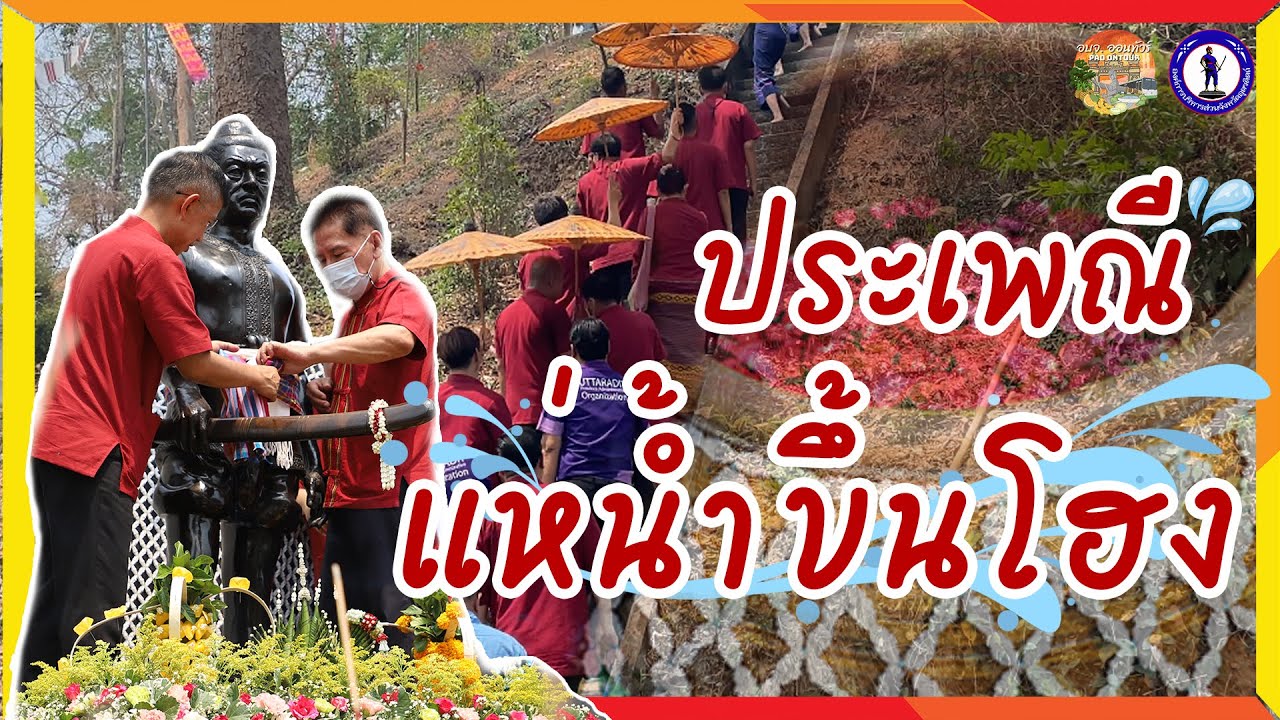

 Historical Sites and Monuments(2)
 Landmarks and Memorials(8)
Art, Craft Centres, Tradition(3)
Landmarks and Memorials(8)
Art, Craft Centres, Tradition(3)
 Museums(1)
 Historic Homes and Cities(1)
 Places of Worship
 Temple(42)
 Other Sacred Sites(5)
 Suburban Living
 Village, Community(4)
 Nature and Wildlife
 National Parks and Marine Reserves(4)
 Mountain (Doi)(3)
 Dam, Reservoir, Lake(3)
 Waterfalls(11)
 Caves(3)
 River, Canal(3)
 Other natural attractions(3)
 Entertainment and Agricultural
 Farms, Parks and Ecotourism(1)


