
lovethailand home >North Travel Attractions >Phrae Travel Attractions >Muang Phrae >Thung Hong > Ban Thung Hong
TL;DR: Ban Thung Hong is located at Thung Hong Subdistrict, Mueang Phrae District, Phrae, open Daily, hours 08:30–16:30. Highlights include Traditional Mo Hom village of Phrae, long-established Tai Phuan community, roadside cluster of indigo textile shops.
Ban Thung Hong
Open Days: Daily
Opening Hours: 08:30–16:30
Ban Thung Hong in Phrae is one of the most memorable places to visit if you want to understand the identity of the province beyond a quick city stop. This is not simply a shopping street for souvenirs. It is a long-established Tai Phuan community known for preserving the traditional art of making Mo Hom, the deep indigo-dyed cotton textile that has become one of the strongest cultural symbols of Phrae. For many travelers, Phrae means blue cotton shirts, natural indigo tones, simple northern charm, and local craftsmanship, and Ban Thung Hong brings all of those elements together in one place.
Ban Thung Hong is located on Yantrakit Kosol Road in Thung Hong Subdistrict, Mueang Phrae District, around 4 kilometers from Phrae town center along Highway 101 on the Phrae–Nan route. The location is very convenient for independent travelers because it can easily be combined with other major sights in and around the city, including Wat Chom Sawan, Khum Chao Luang, Vongburi House, and Wat Phra That Cho Hae. The moment you arrive, the character of the village becomes clear. Shops displaying indigo garments and local textile products line both sides of the road, giving the whole area a distinctive atmosphere that immediately feels tied to Phrae’s heritage.
The real significance of Ban Thung Hong lies in its role as a living handicraft community. It is widely recognized as one of the best-known sources of traditional Mo Hom in Phrae, and its reputation was built through generations of local knowledge rather than through tourism alone. That is what makes a visit here more meaningful. You are not walking through a decorative attraction created for visitors. You are entering a community where handicraft work, local identity, and everyday life still remain closely connected.
The village is also rooted in the history of the Tai Phuan people, who migrated from Muang Phuan in present-day Laos during the early Rattanakosin period. Over time, the community developed its own local identity in Phrae while preserving important cultural features, including language, beliefs, rituals, and textile knowledge. This background gives Ban Thung Hong more depth than a typical craft market. Behind every piece of Mo Hom is a long story of migration, settlement, adaptation, and cultural continuity.
Another fascinating aspect is the origin of the village’s name. Ban Thung Hong was formerly known as “Ban Thang Hong” or “Ban Thang Hohng,” a name connected to blacksmithing. The word “thang” refers to an anvil, while “hong” in the Tai Phuan linguistic context refers to a hollow or depressed area. In earlier times, many households in the community were associated with iron work, and the old name reflected that local reality. Over time, pronunciation changed and the place became known as “Thung Hong,” the name that remains in use today. This detail adds an important historical layer to the village, reminding visitors that its story did not begin with indigo cloth alone.
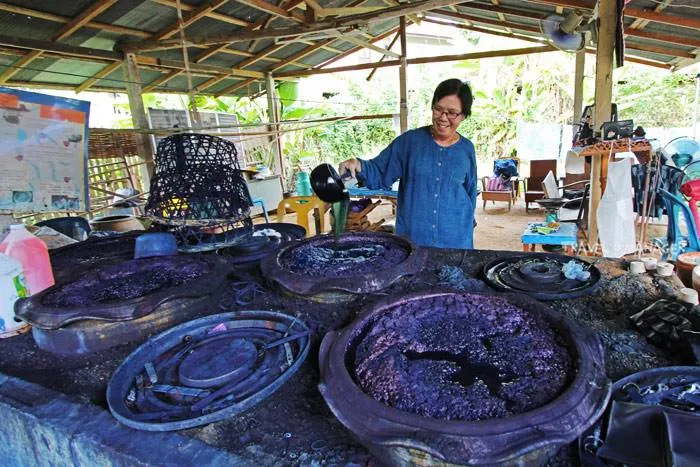
The main attraction for most travelers is, of course, Mo Hom fabric. Traditionally made from cotton and dyed with natural color extracted from the hom plant, Mo Hom has a rich indigo tone that is instantly associated with Phrae. The classic shirt is still the most recognizable product, but walking through the village reveals how much the craft has evolved. Today you can find traditional shirts, modern fashion pieces, dresses, jackets, scarves, bags, hats, accessories, home items, and small souvenirs. This variety makes Ban Thung Hong appealing not only to people interested in heritage textiles, but also to younger travelers looking for practical and stylish local products.
One of the pleasures of visiting Ban Thung Hong is exploring the range of shops. Some focus on classic forms of Mo Hom clothing, while others reinterpret the fabric in contemporary styles. Some specialize in hand-dyed items, while others offer smaller souvenirs that are easy to take home. This means visitors can spend much more time here than they first expect. The area works well for casual browsing, thoughtful shopping, and simple conversations with local sellers, many of whom still maintain a close relationship with the craft traditions of the community.
The atmosphere is very different from a modern shopping district. Ban Thung Hong still feels like a real community, with homes, small businesses, local routines, and village life closely intertwined. That is one reason the area remains attractive. It offers a slower, more grounded travel experience. You are not only buying something. You are walking through a place that still carries the rhythm of local life, and that gives the village a sense of authenticity that many travelers value.
For travelers planning a practical visit, morning or late morning is usually the most comfortable time to come. The weather is generally easier for walking, and there is enough time to explore the textile shops properly before continuing to other attractions in Phrae. If your main goal is shopping for souvenirs, it is best to allow at least 1–2 hours. The variety of products is broader than many visitors expect, and the visual appeal of the shops makes the visit enjoyable even for people who are not serious textile buyers.
Ban Thung Hong also carries cultural importance beyond textiles. As a Tai Phuan community, it has long maintained traditions linked to the local ritual calendar, including seasonal and communal ceremonies. Even if most travelers will not witness these events during a short visit, understanding that this is a community shaped by living culture makes the village more meaningful. It explains why Mo Hom is not just a product here. It is part of a wider cultural landscape tied to memory, belonging, and everyday tradition.
From a trip-planning perspective, Ban Thung Hong is ideal as part of a one-day or half-day Phrae itinerary. Travelers can begin in the village, enjoy shopping and local atmosphere, and then continue to major city attractions such as Wat Chom Sawan, Khum Chao Luang, Gingerbread House Gallery, or Wat Phra That Cho Hae. Because the village is so close to the city center, it fits naturally into a broader cultural route through Phrae without requiring complicated transport arrangements.
Getting There is straightforward. The easiest option is to drive or take a local car service from central Phrae along Yantrakit Kosol Road on Highway 101 toward Nan. The village is about 4 kilometers from town, so the trip is short and simple. Travelers staying in Phrae city can also arrange local transport through their hotel or guesthouse. Because Ban Thung Hong is a well-known destination, it is easy to include in a local sightseeing plan.
Another strength of Ban Thung Hong is that it suits many travel styles. Cultural travelers appreciate the heritage of the Tai Phuan community. Photography lovers enjoy the visual rhythm of indigo fabric, wooden facades, and roadside shopfronts. Souvenir shoppers find a wide range of meaningful local products. Families can also visit comfortably, since the area is easy to explore without long walking distances or complicated activities. It is one of those places that remains accessible while still offering genuine cultural value.
Even though Ban Thung Hong is now widely known, its appeal still comes from its community character more than from polished commercial tourism. Visitors should travel respectfully, support local sellers where appropriate, and ask before photographing people or private shop spaces. This approach not only creates a better experience, but also helps preserve the dignity and long-term sustainability of the community.
If you are wondering why Ban Thung Hong remains one of the most important places to visit in Phrae, the answer is simple. It brings together Tai Phuan history, local identity, traditional indigo craft, practical souvenir shopping, easy access from town, and the atmosphere of a living community. For travelers who want to understand Phrae as more than a stopover, Ban Thung Hong is one of the clearest places to begin. Once you walk through the village and see the indigo cloth with your own eyes, it becomes easy to understand why this name remains so closely linked with the story of Phrae.
| Name | Ban Thung Hong |
| Location | Thung Hong Subdistrict, Mueang Phrae District, Phrae |
| Address | Yantrakit Kosol Road, Thung Hong, Mueang Phrae, Phrae 54170 |
| Coordinates | 18.17403811, 100.1657411 |
| Highlights | Traditional Mo Hom village of Phrae, long-established Tai Phuan community, roadside cluster of indigo textile shops |
| History | A Tai Phuan settlement established in the Phrae area since 1834, with Mo Hom craftsmanship passed down through generations |
| Name Origin | Originally known as “Ban Thang Hong,” linked to blacksmithing and the local topography, later evolving into “Thung Hong” |
| Distinctive Features | Rows of shops selling traditional and contemporary indigo-dyed cotton products along the main road |
| Travel Information | About 4 km from central Phrae via Yantrakit Kosol Road on Highway 101 toward Nan; accessible by private car, rental car, or local transport |
| Current Status | An active handicraft community and a well-known Mo Hom shopping and cultural stop in Phrae |
| Open Days | Daily |
| Opening Hours | 08:30–16:30 |
| Fees | No general admission fee |
| Main Contact Number | Thung Hong Municipality: 054-522-458 |
| Official Website / Official Page | Amazing Thailand, Thung Hong Municipality, Ban Thung Hong Mo Hom official community page |
| Nearby Tourist Attractions | 1) Wat Chom Sawan – about 5 km 2) Gingerbread House Gallery – about 6 km 3) Khum Chao Luang – about 6 km 4) Vongburi House – about 6 km 5) Wat Phra That Cho Hae – about 8 km |
| Nearby Restaurants | 1) Kuay Tiew Pa Yin Si Yaek Rong Fong – about 1 km, Tel. 054-520-709, 096-302-2496 2) Charlotte Hut Coffee & Tea Bar – about 4 km, Tel. 054-523-367 3) Por Peang Cafe – about 2 km, Tel. 090-316-7446 4) Khanom Jeen Pa Da – about 6 km, Tel. 086-919-0045 5) Khao Soi Je Lek – about 6 km, Tel. 098-236-9391 |
| Nearby Accommodations | 1) The Indigo House Phrae – about 1 km, Tel. 054-063-211, 091-067-4298 2) Maeyom Palace Hotel – about 5 km, Tel. 054-521-028 3) Phoomthai Garden Hotel – about 6 km, Tel. 054-627-359 4) Huern Na Na Boutique Hotel Phrae – about 6 km, Tel. 054-524-800 5) Taris Art Hotel Phrae – about 6 km, Tel. 054-511-122, 088-252-3098 |
Frequently Asked Questions (FAQ)
Q: How far is Ban Thung Hong from Phrae town?
A: It is about 4 kilometers from central Phrae, making it an easy stop on a city sightseeing route.
Q: Is there an entrance fee for Ban Thung Hong?
A: No. There is no general admission fee to walk through the village and browse the local shops.
Q: What is Ban Thung Hong best known for?
A: It is best known for traditional Mo Hom, the indigo-dyed cotton fabric that has become one of the cultural symbols of Phrae.
Q: How much time should I spend at Ban Thung Hong?
A: Around 1–2 hours is ideal for browsing the shops, buying souvenirs, and enjoying the village atmosphere.
Q: Can I visit Ban Thung Hong without my own car?
A: Yes. Because it is close to the city, local transport or a hotel-arranged car can easily take you there.
Q: Is Ban Thung Hong a good place to buy souvenirs from Phrae?
A: Yes. It is one of the best places in Phrae to buy Mo Hom clothing, indigo textiles, bags, scarves, and other locally made products.
 Category: ●Suburban Living
 Group: ●Village, Community
Last Update : 6 MonthAgo
 Last Update : 6 MonthAgo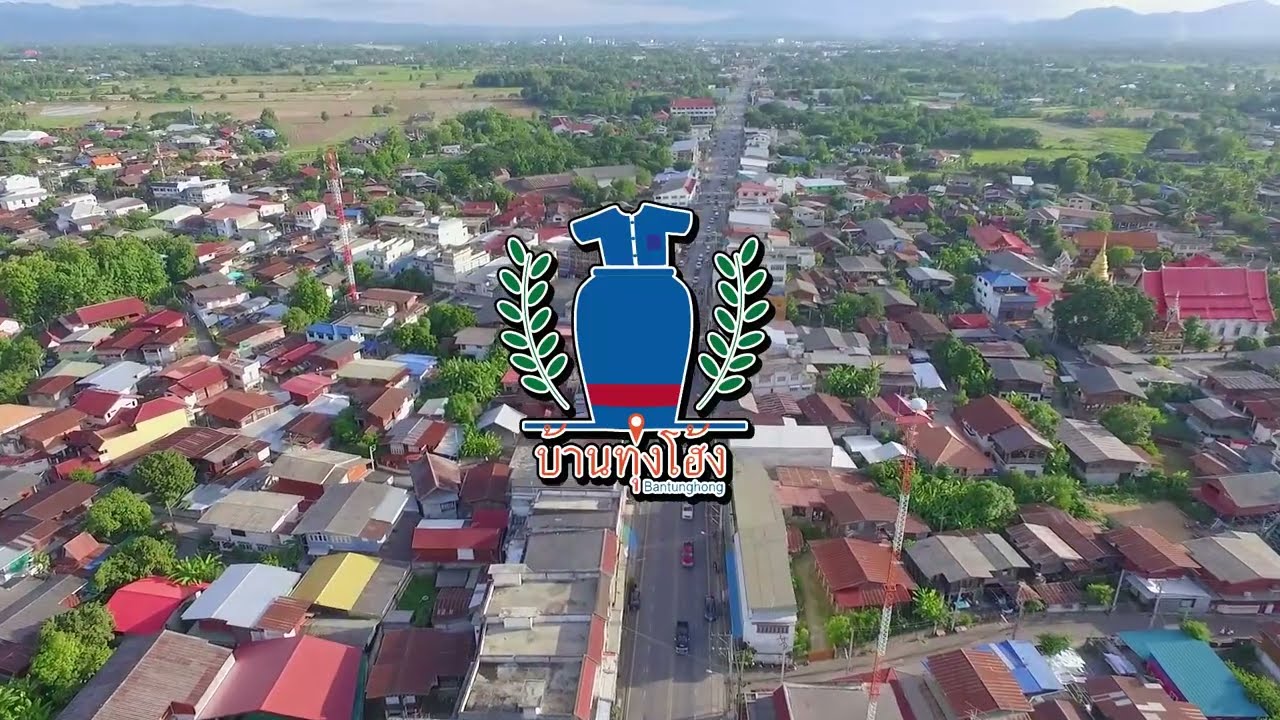
 Click to Access the Navigation Map GPS
Ban Thung Hong Map
Recommend

 Art, Culture and Heritage
 Historical Sites and Monuments(4)
 Landmarks and Memorials(5)
 Art, Craft Centres, Tradition(3)
 Museums(6)
 Historic Homes and Cities(2)
 Educational Places
 Museum for Study(1)
 Educational Gardens, Farm(2)
 Places of Worship
 Temple(31)
 Other Sacred Sites(8)
Village, Community(6)
Other Sacred Sites(8)
Village, Community(6)
 Local Market(1)
 Nature and Wildlife
 National Parks and Marine Reserves(4)
 Dam, Reservoir, Lake(14)
 Waterfalls(6)
 Hot Springs(1)
 Caves(5)
 River, Canal(3)
 Islands(1)
 Other natural attractions(5)
 Entertainment and Agricultural
 Farms, Parks and Ecotourism(5)
 Outdoor and Adventure Activities(1)
 Travel Articles, Recipes
 Travel Review, Food Review(2)


