
lovethailand home >North Travel Attractions >Phayao Travel Attractions >Muang Phayao >Mae Sai > Ban Rong Hai Archaeological Site
TL;DR: Ban Rong Hai Archaeological Site is located at Ban Rong Hai, Mae Sai Subdistrict, Mueang Phayao District, Phayao Province, open Daily, hours Exterior Viewing Is Possible Throughout The Day; Daytime Visits Are Recommended.

Ban Rong Hai Archaeological Site
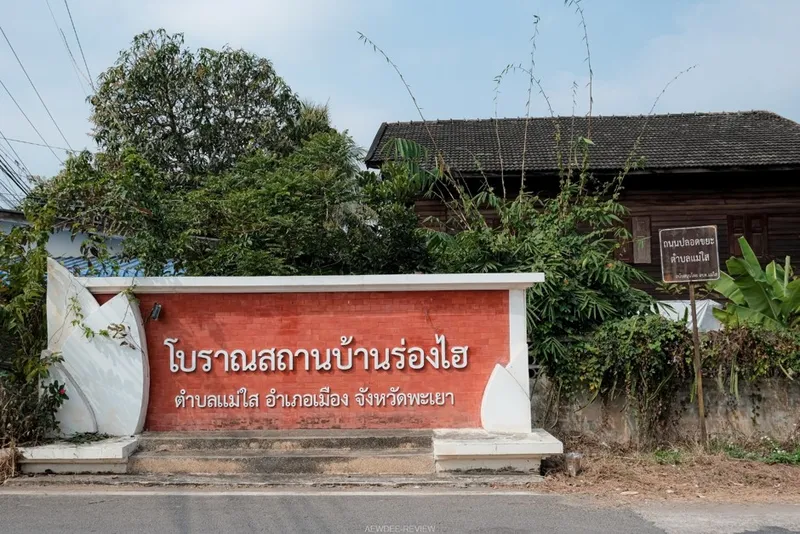
Open Days: Daily
Opening Hours: Exterior Viewing Is Possible Throughout The Day; Daytime Visits Are Recommended
Ban Rong Hai Archaeological Site in Phayao Province is one of the important historic sites around Kwan Phayao. Located in Ban Rong Hai, Mae Sai Subdistrict, Mueang Phayao District, this archaeological area preserves traces of a large ancient lakeside community that once flourished beside Kwan Phayao. The site is not merely a group of old brick remains or abandoned mounds. It is evidence of a former settlement where temples, religious structures, and community life were closely connected with the lake, Buddhism, and the old city of Phukamyao.
Kwan Phayao has always been central to the identity of Phayao. It is a large freshwater lake, a source of food, a scenic landscape, a cultural memory, and a living space for communities around its shores. In the past, settlements often developed near water because water supported farming, transport, fishing, ritual life, and daily living. Ban Rong Hai Archaeological Site therefore has meaning beyond a single ruin. It reflects a wider cultural landscape where people, religion, and the lake were connected for centuries.
Archaeological information identifies Ban Rong Hai as a deserted temple site within the Ban Rong Hai group of ancient monuments. It belongs to the historic period of Lanna culture and is dated around the 20th–21st Buddhist centuries. This was a time when Buddhism played an important role in northern Thai society. Temples were not only religious spaces. They were community centers, places of learning, ritual grounds, and symbols of social strength. The presence of several religious remains in the Ban Rong Hai area shows that this community was once significant and active.
The key feature of Ban Rong Hai is the concentration of ancient religious remains. Local and official information refers to several old religious sites, with traces of around 8–9 structures in the wider area. Some remains lie along the lakeside, while others are connected with areas extending toward Kwan Phayao. The local name “San That” is used for an area associated with old monument mounds, suggesting a strong community memory of former stupas or sacred structures. Such a concentration of remains indicates that this was once more than a small village. It was a substantial religious and social landscape.
The relationship between Ban Rong Hai and Wat Tilok Aram is especially important. Wat Tilok Aram is an ancient temple now located within Kwan Phayao. It is known through an important inscription connected with the Lanna period and King Tilokarat. The discovery of the Wat Tilok Aram inscription near the San That mound close to the rear of Ban Rong Hai helps link this community with the religious network of Kwan Phayao. This means Ban Rong Hai should not be understood as an isolated abandoned site. It was part of a broader Buddhist landscape around the lake.
Wat Tilok Aram is now known as a temple site in the middle of Kwan Phayao, where visitors can travel by boat to pay respect. The connection between Ban Rong Hai and Wat Tilok Aram helps visitors understand that the lake area once contained many religious and community sites. Some were located on land, while others later became submerged or surrounded by water as the landscape changed. Kwan Phayao is therefore not only a natural attraction but also a cultural landscape containing visible and hidden history.
When visiting Ban Rong Hai Archaeological Site, travelers should not expect a complete temple complex like an active monastery. What remains are traces: brick bases, monument mounds, old temple foundations, and areas that have been conserved so that the historical meaning can still be understood. Visiting this type of site requires attention and imagination. The value lies not in monumental grandeur, but in the relationship between the surviving remains, the lakeside setting, and the story of the ancient community that once lived here.
The name Ban Rong Hai is also meaningful. Local explanations suggest that “rong” refers to a water channel or stream that once passed through the village, while “hai” is a northern Thai word for the banyan or fig tree. The name may therefore refer to a village with a water channel lined with large trees. This local name preserves memories of the old landscape, including water flow, trees, and settlement patterns. Place names like this are valuable because they carry environmental history within language.
Ban Rong Hai also illustrates the central role of Buddhism in Lanna communities. In the past, a temple was more than a place for worship. It was a place for education, ceremonies, community gatherings, merit-making, and artistic expression. The presence of several deserted temple sites around Ban Rong Hai suggests a community with strong social organization and religious devotion. Each temple may once have served different groups of families, monks, patrons, or local residents in the lakeside settlement.
Conservation is especially important at Ban Rong Hai because archaeological remains near water are vulnerable. Moisture, erosion, changes in land use, vegetation growth, and human activity can all affect the condition of the site. Visitors should help protect the area by walking carefully, avoiding climbing on ancient remains, not moving bricks or objects, not digging, not writing on surfaces, and not leaving rubbish. Even small actions can damage evidence that has survived for centuries.
Ban Rong Hai Archaeological Site is best suited for visitors interested in Lanna history, archaeology, abandoned temples, Buddhist heritage, cultural landscapes, and quiet educational travel. It is not a loud or entertainment-focused attraction. Its value comes from careful observation. Visitors should take time to read information, look at the remains, notice the lake, and connect the site with Wat Tilok Aram and other historic places around Kwan Phayao.
The atmosphere at Ban Rong Hai is different from the more popular lakeside area in Phayao town. It feels more local, quieter, and closer to village life. This gives travelers a chance to see another side of Kwan Phayao. The lake is not only a scenic place for sunset and restaurants. It is also surrounded by old communities with deep historical roots. Visiting Ban Rong Hai helps reveal this less visible layer of Phayao.
The best time to visit is in the morning or late afternoon. The weather is cooler, the light is softer, and the lakeside landscape becomes more pleasant. Morning is good for quiet exploration and photography, while late afternoon can be combined with sunset views around Kwan Phayao. During midday, visitors should bring water, a hat, and comfortable walking shoes because much of the site is outdoors.
Getting There is convenient by private car or motorcycle. From Phayao city, travel toward Mae Sai Subdistrict and Ban Rong Hai on the lakeside side of Kwan Phayao. The distance from the King Ngam Mueang Monument and the main Kwan Phayao lakeside area is around 6–8 km, depending on the starting point and route. Visitors can use navigation to Ban Rong Hai Archaeological Site, Wat Rong Hai, or Ban Rong Hai in Mae Sai Subdistrict, then walk carefully around the conserved area.
A half-day itinerary can begin with Ban Rong Hai Archaeological Site in the morning, followed by a local meal in Ban Rong Hai or Mae Sai. Visitors can then continue to the pier for Wat Tilok Aram in Phayao town. This creates a meaningful route that connects the lakeside ruins of Ban Rong Hai with the temple site in Kwan Phayao. If time allows, the trip can continue to the King Ngam Mueang Monument, Wat Si Khom Kham, and the main lakeside road in the evening.
Wat Tilok Aram is the most relevant nearby site to combine with Ban Rong Hai because the two places are historically connected. Seeing the old temple remains at Ban Rong Hai and then taking a boat to Wat Tilok Aram helps visitors understand the network of religious sites around Kwan Phayao. The lake becomes more than a scenic background. It becomes a cultural space containing both visible ruins and submerged history.
Wat Si Khom Kham, also known as Wat Phra Chao Ton Luang, is another important place to include in the route. It is one of Phayao’s most revered temples and remains an active center of faith today. Visiting Ban Rong Hai and Wat Si Khom Kham together shows the continuity of Buddhist belief in Phayao, from ancient deserted temple remains to a living temple that continues to serve the community.
Ban Rong Hai is also connected with the present-day community of Mae Sai. Community information identifies Ban Rong Hai as a village with local activities such as organic farming, knife-making, basketry, local fishing, and product processing. This means the visit is not only about ancient history. It can also connect travelers with the living culture of a lakeside community that continues to adapt and preserve local knowledge.
For photography, Ban Rong Hai offers quiet cultural and documentary-style scenes. The old temple remains, monument mounds, trees, lakeside atmosphere, community surroundings, and water landscape all create meaningful subjects. Visitors should photograph respectfully and avoid posing on fragile ancient remains. The best photographs are often those that show the relationship between the ruins, the lake, and the living community around them.
Restaurants near Ban Rong Hai include local lakeside eateries and community restaurants. Krua Lung Thiang Ban Rong Hai is a nearby option by Kwan Phayao, while Krua San That by Ko Boy and View Kwan Cafe are also connected with the local area. Travelers continuing toward Phayao town can find more restaurants around the main lakeside zone, such as Aurora Kwan Phayao, Rim Kwan Talay Phao, and Lae Kwan. This makes it easy to combine archaeological sightseeing with a local meal.
Accommodation near Ban Rong Hai includes local homestays in Mae Sai Subdistrict and hotels in Phayao town. Huen Mai Dok Homestay is located in Mae Sai, while visitors who prefer city convenience can stay near Kwan Phayao at hotels such as Phuglong Hotel, KM Kwanphayao Hotel, The Cozy Nest Hotel, Hop Inn Phayao, or ABIZZ Hotel KwanPhayao. Staying in town allows easy access to restaurants, the lakefront, and boat trips to Wat Tilok Aram.
Visitors should respect both the archaeological site and the local community. Do not litter, dig, move old bricks or objects, climb on ruins, or drive into areas not intended for vehicles. If any ancient objects or pottery fragments are seen, they should not be collected. Informing local authorities or community leaders is the responsible action. Protecting the site helps ensure that Ban Rong Hai remains a learning resource for future generations.
Ban Rong Hai Archaeological Site rewards slow and attentive travel. Its significance is not immediately obvious in the way a large restored monument might be. Instead, the site asks visitors to read the landscape: the ruins, the lake, the village, the names, and the memories that remain. When these elements are understood together, Ban Rong Hai becomes a window into the old civilization of Kwan Phayao.
In summary, Ban Rong Hai Archaeological Site is one of the most meaningful historic places around Kwan Phayao. It preserves the remains of a large ancient community, several religious sites, and connections with Wat Tilok Aram. A visit here is not just about seeing ruins. It is about understanding the deep roots of Phayao through water, Buddhism, settlement, and community memory that still remain quietly in Ban Rong Hai.
| Name | Ban Rong Hai Archaeological Site |
| Location | Ban Rong Hai, Mae Sai Subdistrict, Mueang Phayao District, Phayao Province |
| Address | Ban Rong Hai Archaeological Site, Ban Rong Hai, Mae Sai Subdistrict, Mueang Phayao District, Phayao 56000, Thailand |
| Highlights | Large ancient community by Kwan Phayao, deserted Lanna temple remains, multiple religious ruins, San That mound area, and historical links with Wat Tilok Aram |
| History | A deserted temple site within the Ban Rong Hai archaeological group, dating to the historic Lanna period around the 20th–21st Buddhist centuries, connected with Phukamyao and Wat Tilok Aram |
| Name Origin | The name Ban Rong Hai is believed to refer to an old water channel through the village and large fig or banyan trees, called “hai” in northern Thai, growing along the channel |
| Distinctive Features | Ancient temple foundations, brick remains, monument mounds, and lakeside ruins that reflect the prosperity of a Lanna-period community by Kwan Phayao |
| Travel Information | From Phayao city, travel toward Mae Sai Subdistrict and Ban Rong Hai on the Kwan Phayao lakeside side. The site is about 6–8 km from the King Ngam Mueang Monument area and is best reached by private car or motorcycle |
| Current Status | Open as an archaeological and historic learning site by Kwan Phayao. Visitors should walk carefully and respect the local community |
| Open Days | Daily |
| Opening Hours | Exterior Viewing Is Possible Throughout The Day; Daytime Visits Are Recommended |
| Fees | No Admission Fee |
| Facilities | Walking area around the archaeological site, Kwan Phayao lakeside view, Ban Rong Hai community, nearby local restaurants, and community parking areas |
| Main Areas / Zones | Ban Rong Hai deserted temple group, San That mound area, lakeside religious remains, Kwan Phayao viewpoint, and Ban Rong Hai community area |
| Caretaker | Phayao Province, Mae Sai Subdistrict Administrative Organization, Fine Arts Department, and Ban Rong Hai community |
| Main Contact Number | Mae Sai Subdistrict Administrative Organization, Tel. 0-5488-9909 |
| Official Website / Official Page | Mae Sai Subdistrict Administrative Organization / Phayao tourism information / Important Archaeological Sites In Thailand Database |
| Nearby Tourist Attractions | 1. Kwan Phayao, about 0 km 2. Wat Rong Hai, about 0.5 km 3. Wat Tilok Aram Pier, about 6 km 4. Wat Tilok Aram In Kwan Phayao, about 7 km including boat transfer 5. King Ngam Mueang Monument, about 6 km 6. Wat Si Khom Kham / Wat Phra Chao Ton Luang, about 7 km 7. Chai Kwan Road / Phayao Walking Street, about 6 km 8. Ho Watanatham Nithat At Wat Si Khom Kham, about 7 km |
| Nearby Restaurants | 1. Krua Lung Thiang Ban Rong Hai, about 0.5 km, Tel. 089-637-7203 2. Krua San That By Ko Boy, about 1 km 3. View Kwan Cafe, about 1 km 4. Kuai Tiao An Charoen Behind Phayao Market, about 6 km 5. Aurora Kwan Phayao, about 7 km, Tel. 054-410-065, 093-136-6655 6. Rim Kwan Talay Phao Phayao, about 7 km, Tel. 099-484-4996 7. Lae Kwan, about 8 km, Tel. 064-762-4839 |
| Nearby Accommodations | 1. Huen Mai Dok Homestay Mae Sai, about 2 km, Tel. 089-850-3011 2. Hop Inn Phayao, about 5 km, Tel. 02-080-2222 3. Phuglong Hotel, about 6 km, Tel. 054-481-915, 063-789-1999 4. KM Kwanphayao Hotel, about 6 km, Tel. 054-071-243 5. The Cozy Nest Hotel, about 7 km, Tel. 054-071-222 6. Baan Ma Grood Hotel, about 7 km, Tel. 061-578-4771 7. ABIZZ Hotel KwanPhayao, about 8 km, Tel. 062-941-6228 |
Frequently Asked Questions (FAQ)
Q: Where is Ban Rong Hai Archaeological Site located?
A: It is located in Ban Rong Hai, Mae Sai Subdistrict, Mueang Phayao District, Phayao Province, beside Kwan Phayao.
Q: Why is Ban Rong Hai Archaeological Site important?
A: It is the site of a large ancient lakeside community with several deserted temple remains, reflecting the prosperity of a Lanna-period community connected with old Phukamyao.
Q: How is Ban Rong Hai connected with Wat Tilok Aram?
A: The area is connected with Wat Tilok Aram through the Wat Tilok Aram inscription found near the San That mound close to the rear of Ban Rong Hai village, showing a wider religious network around Kwan Phayao.
Q: Is Ban Rong Hai Archaeological Site open to visitors?
A: Visitors can view the exterior archaeological area daily. Daytime visits are recommended, and visitors should walk carefully because it is both an ancient site and a community area.
Q: Is there an admission fee?
A: No. There is no admission fee for general exterior viewing of the archaeological site.
Q: When is the best time to visit?
A: Morning and late afternoon are the best times because the weather is cooler and the light is suitable for viewing the ruins and Kwan Phayao landscape.
Q: What nearby attractions can be visited with Ban Rong Hai?
A: Nearby attractions include Wat Tilok Aram, King Ngam Mueang Monument, Wat Si Khom Kham, Chai Kwan Road, Ho Watanatham Nithat, and Kwan Phayao.
Q: Who can visitors contact for local information?
A: Visitors can contact Mae Sai Subdistrict Administrative Organization at 0-5488-9909 for local area information.
 Category: ●Art, Culture and Heritage
 Group: ●Historical Sites and Monuments
Last Update : 4 MonthAgo
 Last Update : 4 MonthAgo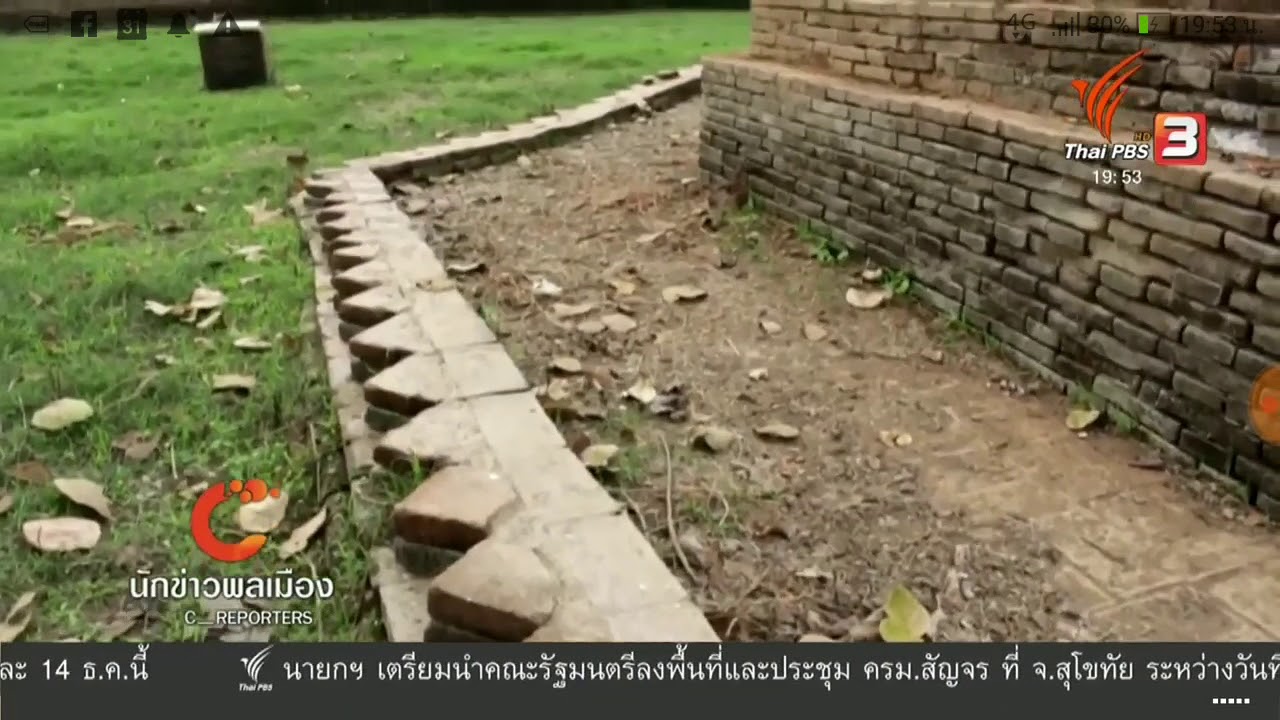
 Click to Access the Navigation Map GPS
Ban Rong Hai Archaeological Site Map
Recommend
 Historical Sites and Monuments(4)
 Landmarks and Memorials(4)
 Art, Craft Centres, Tradition(1)
 Museums(2)
 Places of Worship
 Temple(39)
 Other Sacred Sites(5)
 Research and Development
 Royal Project(1)
 Suburban Living
 Village, Community(2)
 Local Market(4)
 Nature and Wildlife
 National Parks and Marine Reserves(6)
 Mountain (Doi)(2)
 Dam, Reservoir, Lake(11)
 Waterfalls(8)
 Caves(5)
 River, Canal(3)
 Other natural attractions(5)


