
lovethailand home >Northeastern Travel Attractions >Surin Travel Attractions >Muang Surin >Nai Muang > San Don Ta Tradition
TL;DR: San Don Ta Tradition, open Held annually around the 14th – 15th waning moon days of the 10th lunar month, hours Family and temple rituals take place throughout the day according to local.
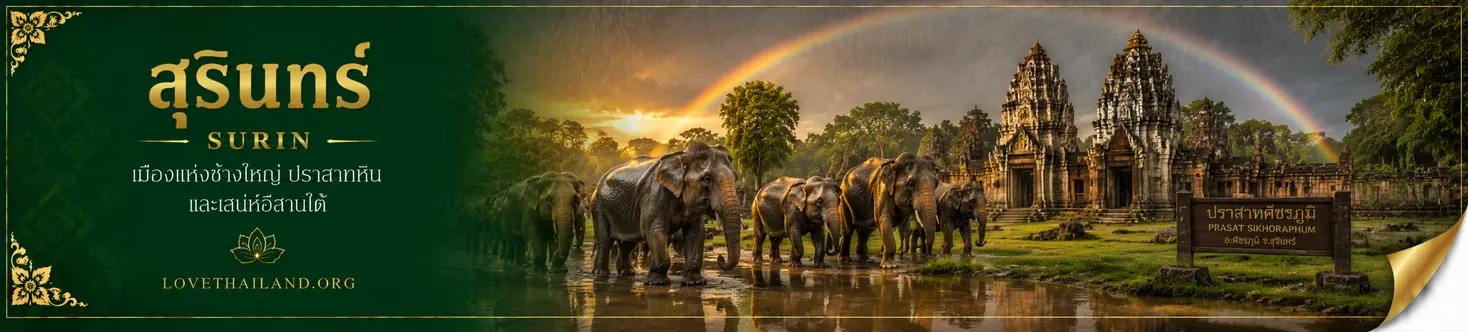
San Don Ta Tradition
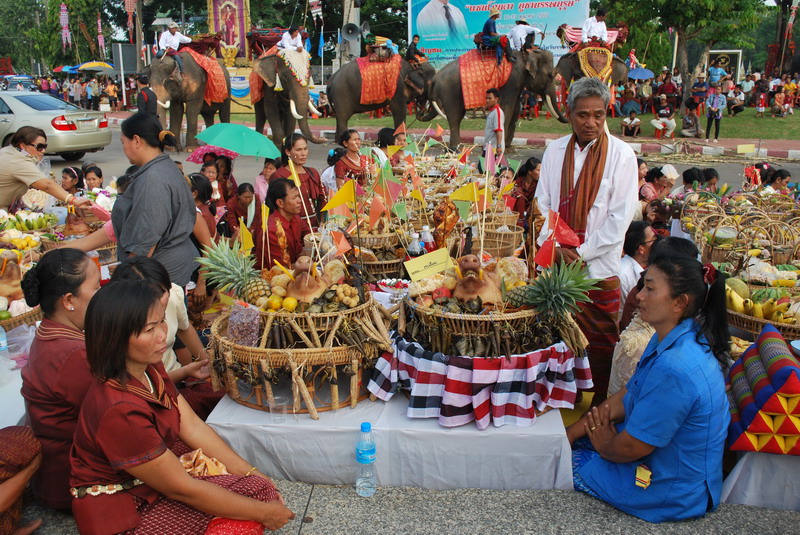
Open Days: Held annually around the 14th – 15th waning moon days of the 10th lunar month; in 2026, the main ritual days fall on 10 – 11 October 2026
Opening Hours: Family and temple rituals take place throughout the day according to local customs; public cultural events in Surin are commonly held from afternoon to evening
San Don Ta, an important cultural tradition of Thailand’s lower northeastern region, is one of the most meaningful ancestral rites practiced by Thai people of Khmer descent, especially in Surin, Si Sa Ket, and Buri Ram. At its heart, San Don Ta is a ceremony of remembrance, gratitude, merit-making, and family reunion. It brings descendants back to their ancestral homes to honor departed family members, make offerings, visit temples, and strengthen the bond between generations.
The name San Don Ta carries the essence of the tradition. In Khmer-influenced local usage, “San” means to make offerings or perform ritual worship, while “Don Ta” refers to grandparents, elders, or ancestors. Together, the term means the act of making offerings to ancestors. This makes San Don Ta more than a seasonal ceremony. It is a living expression of filial gratitude, kinship, cultural memory, and the identity of Thai-Khmer communities in the lower Isan region.
The core belief behind San Don Ta is that during the 10th lunar month, the spirits of ancestors are able to return and visit their descendants. Families therefore prepare food, fruit, local sweets, incense, candles, rice, betel nut, and ritual offerings to welcome them. Through these offerings, descendants express respect and dedicate merit to those who have passed away. The ritual transforms the home, the temple, and the community into a shared space of remembrance and spiritual connection.
San Don Ta is closely associated with the Buddhist merit-making season of the 10th lunar month. The main ritual period is generally observed around the 14th and 15th waning moon days of the 10th lunar month. In 2026, the 14th waning moon day of the 10th lunar month falls on Saturday, 10 October 2026, and the 15th waning moon day falls on Sunday, 11 October 2026. For Thai-Khmer families in Surin, Si Sa Ket, and Buri Ram, this period is among the most important annual occasions for returning home, honoring ancestors, and gathering with relatives.
Traditionally, San Don Ta was centered mainly in the home and the village temple. Before the ceremony, family members clean the house, prepare ritual items, cook dishes, arrange offerings, and invite relatives to return. Elders play a key role in guiding the ritual, explaining the order of worship, calling the names of ancestors, and teaching younger family members the meaning of each offering. In this way, the tradition is not preserved through written instruction alone, but through practice, observation, and participation within the family.
Preparations often include cooked rice, sticky rice, local sweets, fruit, meat dishes, dried food, betel nut, candles, incense, and other items considered appropriate by each household. Every element carries meaning. Food symbolizes nourishment and care, rice represents life and abundance, fruit suggests growth and prosperity, candles and incense mark respect and spiritual communication, while water-pouring expresses the dedication of merit to departed ancestors.
One important custom associated with San Don Ta is known as Chun Don Ta. During this period, descendants bring gifts such as rice, coconuts, sweets, or money to parents, grandparents, or respected elders. This gesture expresses gratitude to living elders as well as remembrance of those who have passed away. If one’s parents or close elders are no longer alive, the offerings may be taken to a temple and dedicated to them through merit-making. This is why San Don Ta is both a ceremony for the departed and a day of respect for living elders.
On the main ritual day, family members arrange offerings at home and light incense and candles. A senior family member invites the spirits of ancestors to receive the food and merit prepared by their descendants. Names of departed relatives are called with respect, and the offerings are presented with care. This moment is deeply emotional for many families because it keeps the memory of ancestors alive and allows younger generations to hear names and stories that connect them to their family history.
After the home ceremony, many families bring food and offerings to the temple. There, they offer meals to monks, listen to Buddhist teachings, observe precepts, and dedicate merit to departed relatives. The village temple becomes the communal center of San Don Ta, where neighbors, relatives, monks, and elders gather in one place. The atmosphere is both solemn and warm, blending religious devotion with social reunion.
Common ritual elements include offerings at the village guardian shrine, offerings to the household spirit shrine, the family San Don Ta ceremony at home, the bringing of ritual baskets to the temple, Buddhist merit-making, and community cultural activities. In some areas, public programs may include traditional dance, Khmer-influenced music, kantruem performances, ceremonial processions, cultural exhibitions, and local government activities designed to pass the tradition on to younger generations.
Surin Province is one of the clearest places to experience the public dimension of San Don Ta. The province has a strong Thai-Khmer cultural presence and regularly organizes cultural programs related to the tradition. In 2025, Surin held the San Don Ta ancestral worship event at the ceremonial area near the Phraya Surin Phakdi Si Narong Changwang Monument. The event involved Surin Province, Surin Provincial Administrative Organization, Surin Provincial Cultural Office, and related agencies. Activities included Buddhist rites, the presentation of Chun Don Ta offerings, cultural performances, and ceremonies dedicated to ancestors.
Si Sa Ket Province, particularly Khukhan District and other Thai-Khmer communities, also preserves San Don Ta as an important 10th-month merit-making tradition. The strength of Si Sa Ket lies in its deep lower-Isan Khmer cultural heritage, where family rituals, village guardian shrines, temple merit-making, and the explanation of ancestral duties remain central to community life. The tradition continues to teach children about language, local food, ritual practice, and respect for family lineage.
In Buri Ram Province, San Don Ta remains visible among Thai-Khmer communities and local institutions. The ceremony is observed on the 14th waning moon day of the 10th lunar month, with families preparing offerings such as pork, chicken, fruit, sweets, and food believed to be favored by their ancestors. Buri Ram’s practice shows that San Don Ta is not limited to one province, but is part of a shared cultural heritage across the lower northeastern region of Thailand.
The spiritual importance of San Don Ta lies in the act of gratitude. For Thai-Khmer families, the ceremony gives descendants a way to honor those who gave them life, land, language, memory, and identity. Merit-making, offerings, and the respectful calling of ancestors’ names create a symbolic bridge between the living and the dead. The relationship does not end with death; it continues through ritual, memory, and the duty of descendants.
The social importance of San Don Ta is equally strong. It is a time when people working in other provinces return home to see parents, grandparents, and relatives. Quiet houses become lively again. Elders meet their children and grandchildren. Young family members learn who their relatives are. After the ritual, shared meals bring everyone together around the same food that was prepared for the ceremony. This simple act of eating together is one of the most powerful images of San Don Ta.
Culturally, San Don Ta preserves the identity of Thai people of Khmer descent in lower Isan. It carries local language, ritual vocabulary, food traditions, music, dance, dress, temple culture, and family structure. For younger generations, the tradition shows that culture is not something distant or abstract. It happens in their own homes, on their own family tables, in their village temples, and through the words of their elders.
In modern times, San Don Ta has adapted without losing its core meaning. Families use phones and social media to coordinate homecoming plans. Local agencies announce schedules online. Schools and communities organize learning activities for children. Public events present the tradition in a form that visitors can understand. Yet the central purpose remains unchanged: to honor ancestors, make merit, reunite families, and strengthen the moral foundation of gratitude.
For travelers interested in cultural tourism, Surin is an excellent starting point for learning about San Don Ta. The city offers Thai-Khmer communities, temples, public cultural venues, and nearby attractions such as the Phraya Surin Phakdi Si Narong Changwang Monument, Surin City Pillar Shrine, Wat Burapharam, Surin National Museum, and Ban Tha Sawang silk weaving village. A visit during the San Don Ta season allows travelers to experience local belief, food, textiles, music, and history in one cultural route.
Getting There is convenient if using Surin city as the reference point. Travelers can reach Surin by private car, interprovincial bus, or train. From the city center, local transport can take visitors to the monument area, temples, and communities where cultural activities are held. During the festival period, travel plans should be made in advance because many local people return home to join family rituals.
Visitors should observe the tradition with respect. Modest clothing is recommended, especially when entering temples or ritual areas. Photography should be done politely and never in a way that interrupts worship. Do not touch ritual offerings without permission. When joining a family or community ceremony, follow the guidance of the host, elders, or local organizers. At temples, remain calm during chanting and merit-making.
The beauty of San Don Ta is that it remains a living tradition rather than a staged performance. It is rooted in real belief, real family bonds, and real gratitude. Every offering tray, every spoken ancestral name, every journey home, and every shared meal after the ceremony shows why this tradition continues to matter. San Don Ta connects the past with the present, the home with the temple, the living with the departed, and personal faith with community unity.
San Don Ta is therefore much more than a 10th-month ancestral ceremony. It is one of the most meaningful cultural expressions of lower Isan, especially among Thai-Khmer communities. For visitors, it offers a deeper understanding of northeastern Thailand beyond ordinary sightseeing. For local families, it remains a sacred annual moment of remembrance, gratitude, reunion, and pride in their cultural roots.
| Name | San Don Ta Tradition / Khmer Ancestor Worship Festival |
| Main Areas | Surin, Si Sa Ket, Buri Ram, and Thai-Khmer communities in lower northeastern Thailand |
| Traveler Reference Point | Phraya Surin Phakdi Si Narong Changwang Monument area, Nai Mueang Subdistrict, Mueang Surin District, Surin Province |
| Highlights | Ancestral offerings, merit-making, family reunion, Chun Don Ta offerings, Buddhist rites, and lower-Isan cultural performances |
| History | An old ancestral tradition of Khmer and Thai-Khmer communities, preserved across lower Isan during the 10th lunar month |
| Name Origin | “San” means making offerings, while “Don Ta” refers to grandparents, elders, or ancestors |
| Distinctive Features | A family and community tradition combining ancestral worship, temple merit-making, and reunion among relatives |
| Travel Information | Travel to Surin city by car, bus, or train, then continue by local transport to the monument area, temples, or participating communities |
| Current Status | Actively preserved and practiced in Thai-Khmer communities, especially in Surin, Si Sa Ket, and Buri Ram |
| Main Ritual Days | The 14th – 15th waning moon days of the 10th lunar month; in 2026, this falls on 10 – 11 October 2026 |
| Opening Hours | Family and temple rituals take place throughout the day according to local customs; public events in Surin are commonly held from afternoon to evening |
| Fees | No admission fee for general community rituals and public cultural events |
| Facilities | Surin city has hotels, restaurants, convenience stores, a train station, a bus terminal, and local transport services |
| Main Areas / Zones | 1. Home ritual and offering area 2. Community temple and sermon hall 3. Village guardian shrine or ancestral shrine 4. Community or local-government cultural activity area 5. Family gathering and shared meal area after the ritual |
| Caretaker / Related Agencies | Surin Provincial Cultural Office, Surin Provincial Administrative Organization, local administrative organizations, temples, and community elders |
| Main Contact Number | Surin Provincial Cultural Office, Tel. 044-511963 |
| Nearby Tourist Attractions | 1. Surin City Pillar Shrine, about 1 km 2. Wat Burapharam, about 1 km 3. Surin National Museum, about 5 km 4. Huai Saneng Reservoir, about 7 km 5. Ban Tha Sawang Silk Weaving Village, about 10 km |
| Nearby Restaurants | 1. Tao Bin Surin Anusawari Chang Wang Branch, about 0 km, Tel. 097-964-5588, 062-224-8283 2. Sawasdee Surin, about 2 km, Tel. 085-637-7707 3. Seoul Bar - Cafe & Bistro Surin, about 2 km, Tel. 080-959-7942 4. Mosel Restaurant Surin, about 4 km, Tel. 084-995-6492 5. Cher Thom Surin, about 4 km, Tel. 098-997-7916 |
| Nearby Accommodations | 1. HOP INN Surin, about 1 km, Tel. 02-080-2222 2. Thongtarin Hotel, about 1 km, Tel. 084-451-4281-8, 084-451-1580 3. Surin Majestic Hotel, about 1 km 4. Sorin Boutique Hotel, about 1 km, Tel. 044-060-188 5. The Gun Hotel, about 2 km, Tel. 088-123-0456 |
Frequently Asked Questions (FAQ)
Q: What is San Don Ta?
A: San Don Ta is an ancestral worship and merit-making tradition practiced by Thai people of Khmer descent in lower northeastern Thailand, especially in Surin, Si Sa Ket, and Buri Ram.
Q: When is San Don Ta held?
A: It is held around the 14th and 15th waning moon days of the 10th lunar month. In 2026, the main ritual period falls on 10 – 11 October 2026.
Q: What does the name San Don Ta mean?
A: “San” means making offerings, while “Don Ta” refers to grandparents, elders, or ancestors. Together, the name means making offerings to ancestors.
Q: Which provinces are best known for San Don Ta?
A: Surin, Si Sa Ket, and Buri Ram are among the most important provinces where Thai-Khmer communities continue to preserve the tradition.
Q: What offerings are prepared for San Don Ta?
A: Common offerings include cooked food, local sweets, fruit, sticky rice, rice, betel nut, incense, candles, and items prepared according to family and local customs.
Q: Can foreign travelers attend San Don Ta events?
A: Yes. Travelers may attend public cultural events or community activities, but they should dress modestly, behave respectfully, and follow local guidance.
Q: Is there an admission fee for San Don Ta?
A: General community rituals and public cultural events usually have no admission fee, although visitors should check each local schedule before traveling.
Q: Where should travelers start if they want to learn about San Don Ta in Surin?
A: Surin city and the area around Phraya Surin Phakdi Si Narong Changwang Monument are practical starting points because they are close to temples, attractions, restaurants, and accommodations.
 Category: ●Art, Culture and Heritage
 Group: ●Art, Craft Centres, Tradition
Last Update : 2 MonthAgo
 Last Update : 2 MonthAgo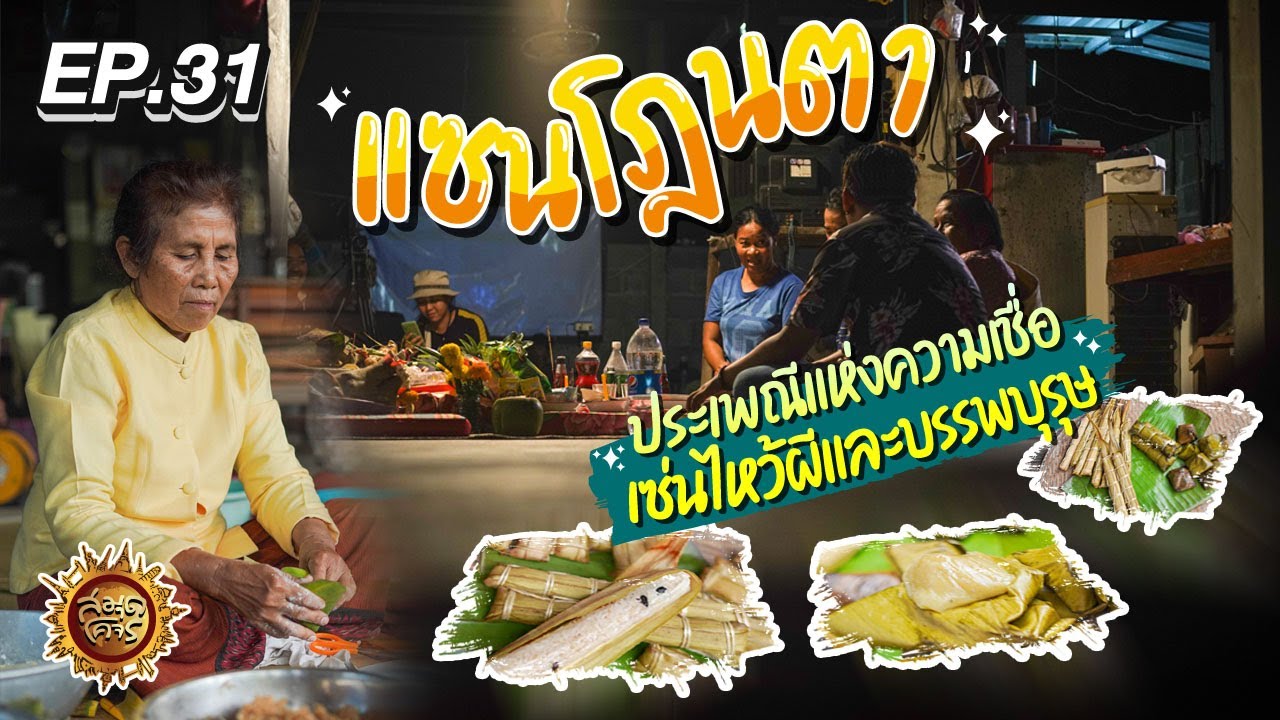

 Historical Sites and Monuments(11)
 Landmarks and Memorials(2)
Art, Craft Centres, Tradition(5)
Landmarks and Memorials(2)
Art, Craft Centres, Tradition(5)
 Museums(1)
 Places of Worship
 Temple(15)
 Other Sacred Sites(1)
 Suburban Living
 Village, Community(9)
 Local Market(1)
 Nature and Wildlife
 National Parks and Marine Reserves(2)
 Mountain (Doi)(2)
 Dam, Reservoir, Lake(6)
 Waterfalls(1)
 River, Canal(2)
 Other natural attractions(4)
 Entertainment and Agricultural
 Farms, Parks and Ecotourism(2)


