
lovethailand home >North Travel Attractions >Mae Hong Son Travel Attractions >Kun Yuam >Muang Pon > Nong Haeng Hot Spring
TL;DR: Nong Haeng Hot Spring is located at Ban Nong Haeng, Village 9, Mueang Pon Subdistrict, Khun Yuam District, Mae Hong Son, open Daily, hours 08:00 – 18:00.
Nong Haeng Hot Spring
Open Days: Daily
Opening Hours: 08:00 – 18:00
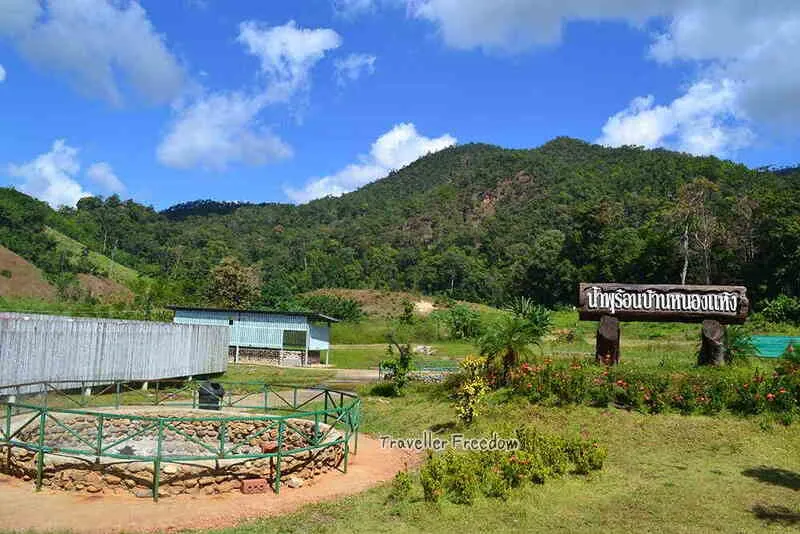
Nong Haeng Hot Spring, also known as Ban Nong Haeng Hot Spring, is a natural hot spring attraction in Mueang Pon Subdistrict, Khun Yuam District, Mae Hong Son. It suits travelers who enjoy quiet natural stops rather than crowded mainstream attractions, especially those driving along the Mae La Noi–Khun Yuam route and looking for a scenic break in the mountains. Although it is not a large commercial hot spring complex, its charm lies in its peaceful setting, natural character, and the sense of discovering a small but memorable place tucked away in the landscape of Mae Hong Son.
The main highlight of this destination is its naturally high-temperature spring water. The hot water rises from underground continuously, creating visible steam and a striking sense of geothermal activity. Older descriptions of Nong Haeng Hot Spring focused on the original natural spring pools, where visitors could stop to observe the boiling water and even boil eggs. In more recent years, the site has been improved to better support wellness-style tourism, with private mineral bath rooms, a communal soaking area, and more basic visitor facilities. Because of that, the location has evolved from a simple sightseeing stop into a more practical rest point for travelers who want to relax during their journey.
One of the strongest reasons to visit Nong Haeng Hot Spring is the atmosphere. The spring lies in Ban Nong Haeng, Village 9, in a valley ringed by green mountains, giving the place a calm and secluded feel. It does not rely on luxury design or large-scale entertainment. Instead, it offers the kind of quiet setting that works particularly well for people who appreciate simple landscapes, local places, and slow travel. During cooler months, the contrast between the crisp mountain air and the rising warmth of the spring makes the site even more appealing.
For travelers planning a real trip rather than just reading about the destination, location matters a lot. Nong Haeng Hot Spring sits off Highway 108, the road linking Khun Yuam and Mae La Noi. At around kilometer marker 174, near Ban Nong Haeng School, there is a turnoff leading about 1–1.5 kilometers into the hot spring area. This final stretch is important to know in advance because it is not a fully paved tourist boulevard. The road in can be rough, with laterite and uneven sections, and it may become more challenging after rain. In normal weather, regular cars can usually get in, but drivers should slow down and approach carefully. Vehicles with higher clearance will generally find the final stretch easier.
Nong Haeng Hot Spring is also meaningful because it is connected to the wider cultural landscape of Mueang Pon. It is not an isolated attraction with no local context. Instead, it sits within an area that includes Tai Yai cultural sites, traditional village attractions, caves, and community-based tourism points. That means visitors can easily combine the hot spring with nearby stops in Ban Mueang Pon or other local attractions in Khun Yuam District. For many travelers, this makes the hot spring more valuable as part of a day route rather than as a standalone destination.
The spring itself remains the heart of the experience. The water is naturally hot enough to boil eggs quickly, which has long been one of the place’s recognizable features. Watching the hot water bubble up from the ground is one of the simplest yet most memorable parts of visiting. At the same time, because the source water is very hot, visitors should not touch the origin pool directly and should always follow local safety guidance, especially when traveling with children. The site may feel relaxed and rural, but it is still a genuine geothermal location and deserves caution.
In its current form, the destination offers more than just a natural viewing point. The improved facilities have made it more attractive for people interested in a short wellness stop. There are private soaking rooms, a communal pool area, and an egg-boiling point, all of which make the visit more varied than it used to be. This gives Nong Haeng Hot Spring broader appeal. Some visitors will simply stop to take photos and enjoy the scenery, while others may want to soak in mineral water and rest before continuing toward Khun Yuam, Mae La Noi, or the famous sunflower fields of Doi Mae U-Kho.
Even with these improvements, the place still keeps its original identity. It does not feel overbuilt, and that is exactly why many travelers will like it. The surrounding landscape still plays a major role in the experience. The spring feels local, unhurried, and grounded in the community rather than designed solely for mass tourism. For travelers who prefer authentic stops over polished resort-style attractions, this is a real strength.
The best time to visit is generally during the cool season or the late rainy season moving into winter, when Mae Hong Son’s mountain weather makes the warm spring especially inviting. The air is fresher, the scenery is greener, and the experience of soaking or walking around the spring feels more comfortable. In the rainy season, the landscape can still be beautiful, but road conditions require extra care. In the hotter months, visits are still possible, though the overall mood of the destination is usually more enjoyable when temperatures are lower.
Travelers should also plan practically. Because the final approach road is rough and the area remains relatively local, it is wise to prepare water, a change of clothes if planning to soak, a towel, and enough fuel before turning off the main road. It is also smart to avoid rushing the visit, especially if arriving late in the day. The attraction works best when treated as a calm stop in a wider route through Khun Yuam and Mueang Pon rather than a quick rushed detour.
In the wider picture of Mae Hong Son travel, Nong Haeng Hot Spring represents a style of destination that many travelers now appreciate more than before. It is modest, scenic, naturally beautiful, and tied to local life. Its value lies not in luxury, but in atmosphere, geothermal character, and its position within a broader cultural and mountain travel route. If you are looking for a quiet hot spring stop in Mae Hong Son, one that feels more local and less commercial, Nong Haeng Hot Spring is well worth adding to your itinerary.
Getting There From Khun Yuam, take Highway 108 toward Mae La Noi for about 25–28 km. At around kilometer marker 174 near Ban Nong Haeng School, turn in and continue for about 1–1.5 km to the hot spring area. The final section is a laterite road, so careful driving is recommended, especially after rain.
| Name | Nong Haeng Hot Spring / Ban Nong Haeng Hot Spring |
| Location | Ban Nong Haeng, Village 9, Mueang Pon Subdistrict, Khun Yuam District, Mae Hong Son |
| Address | Ban Nong Haeng, Mueang Pon Subdistrict, Khun Yuam District, Mae Hong Son 58140, Thailand |
| Coordinates | 18.6565, 97.9446 |
| Highlights | Natural mountain hot spring, very hot source water, egg-boiling point, mineral soaking areas, and a peaceful rural atmosphere |
| History | A natural hot spring of the Ban Nong Haeng community that has gradually been improved to support wellness-oriented local tourism |
| Distinctive Features | Originally known for 2 natural hot spring pools with continuously boiling water; today the site also includes private soaking areas and a communal pool |
| Travel Information | About 25–28 km from Khun Yuam on Highway 108, then turn in near kilometer marker 174 and continue 1–1.5 km on a rough laterite road |
| Current Status | Open to visitors and improved for tourist use |
| Open Days | Daily |
| Opening Hours | 08:00 – 18:00 |
| Fees | Private mineral bath room: Thai adults 50 THB, children 20 THB; foreign adults 100 THB, children 50 THB |
| Facilities | Parking, egg-boiling point, private mineral bath rooms, communal pool, seating area, and free camping area |
| Main Areas / Zones | Natural spring source, egg-boiling point, private soaking area, communal pool, and surrounding rest area |
| Caretaker | Mueang Pon Subdistrict Administrative Organization |
| Main Contact Number | 053-684-648 |
| Official Website / Official Page | Mueang Pon SAO / Pong Nam Hon Ban Nong Haeng Facebook page / TAT Mae Hong Son Office |
| Nearby Tourist Attractions | 1) Pha Phueng Cave – about 1 km 2) Mae Lakha Noi Cave – about 2 km 3) Ban Mueang Pon / Tai Yai Cultural Village – about 12 km 4) Hoen Tai Traditional Shan Houses – about 12 km 5) Ban Mueang Pon Hot Spring – about 12 km |
| Nearby Restaurants | 1) Khun Nai Fah Pieng Din Restaurant – about 28 km, Tel. 087-494-8443 2) Pa Kaiwan Restaurant – about 28 km, Tel. 098-258-6073 3) Thanaphochana Khun Yuam – about 28 km, Tel. 087-186-4548 4) Kruh Nong Krathin – about 27 km, Tel. 080-792-8085 5) P&n Cafe – about 30 km, Tel. 098-854-6310 |
| Nearby Accommodations | 1) Aunt Khamlu Historic Homestay – about 12 km, Tel. 053-684-644, 086-189-8812 2) Mitr Khun Yuam Hotel – about 28 km, Tel. 053-691-057, 081-992-8993 3) Yoont Hotel Khun Yuam – about 28 km, Tel. 086-313-1616 4) Hoen Tai Guesthouse – about 28 km, Tel. 084-480-9737, 081-951-1039 5) Patipan Guesthouse – about 28 km, Tel. 084-894-1838 |
Frequently Asked Questions (FAQ)
Q: Where is Nong Haeng Hot Spring located?
A: It is in Ban Nong Haeng, Mueang Pon Subdistrict, Khun Yuam District, Mae Hong Son, along the Mae La Noi–Khun Yuam route.
Q: What makes Nong Haeng Hot Spring interesting?
A: Its main appeal is the natural high-temperature spring, peaceful mountain setting, egg-boiling point, and mineral soaking facilities.
Q: Is the road easy to access?
A: The main highway access is straightforward, but the final 1–1.5 km is a rough laterite road, so careful driving is recommended.
Q: Can visitors soak in the hot spring?
A: Yes. The site now has mineral soaking facilities, including private rooms and a communal pool, but visitors should avoid touching the natural source pool directly.
Q: When is the best time to visit?
A: The cool season and the late rainy season into winter are the most enjoyable times because the weather makes the hot spring experience more comfortable.
Q: Can this be combined with other attractions in Khun Yuam?
A: Yes. It works very well as part of a wider trip that includes Ban Mueang Pon, local cultural attractions, caves, and other scenic stops in Khun Yuam District.
 Category: ●Nature and Wildlife
 Group: ●Hot Springs
Last Update : 5 MonthAgo
 Last Update : 5 MonthAgo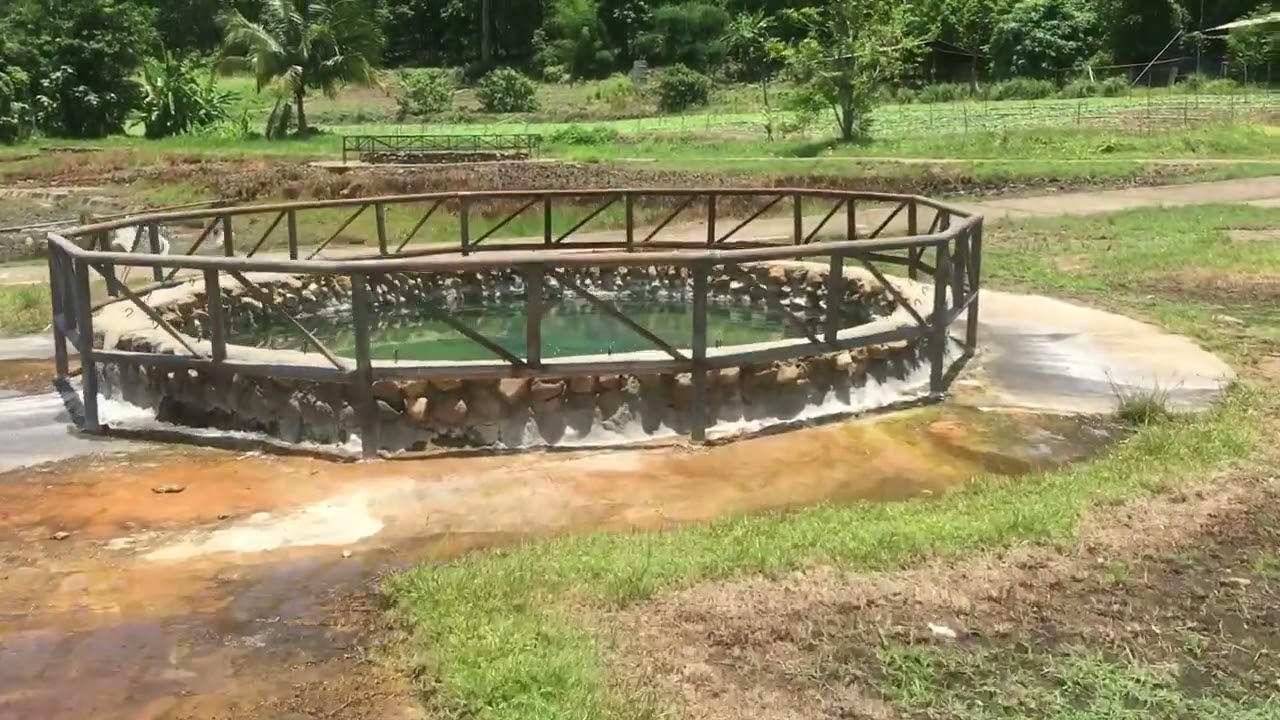
 Click to Access the Navigation Map GPS
Nong Haeng Hot Spring Map
Recommend

 Art, Culture and Heritage
 Historical Sites and Monuments(1)
 Landmarks and Memorials(1)
 Art, Craft Centres, Tradition(10)
 Museums(3)
 Educational Places
 Educational Gardens, Farm(1)
 Places of Worship
 Temple(81)
 Other Sacred Sites(1)
 Research and Development
 Royal Project(4)
 Suburban Living
 Village, Community(19)
 Local Market(4)
 National Parks and Marine Reserves(5)
 Mountain (Doi)(5)
 Dam, Reservoir, Lake(2)
 Waterfalls(12)
Hot Springs(6)
Waterfalls(12)
Hot Springs(6)
 Caves(13)
 Flower Field(2)
 River, Canal(3)
 Other natural attractions(1)
 Entertainment and Agricultural
 Farms, Parks and Ecotourism(2)
 Shopping
 Shopping and Night Market(1)
 Travel Articles, Recipes
 Travel Review, Food Review(1)


