
lovethailand home >North Travel Attractions >Mae Hong Son Travel Attractions >Mae Lanoi >Huai Hom > Lua Village (Lawa Village)
TL;DR: Lua Village (Lawa Village) is located at Village No. 6, Huai Hom Subdistrict, Mae La Noi District, Mae Hong Son 58120, open Open Daily, hours Visit Throughout the Day.

Lua Village (Lawa Village)
Open Days: Open Daily
Opening Hours: Visit Throughout the Day
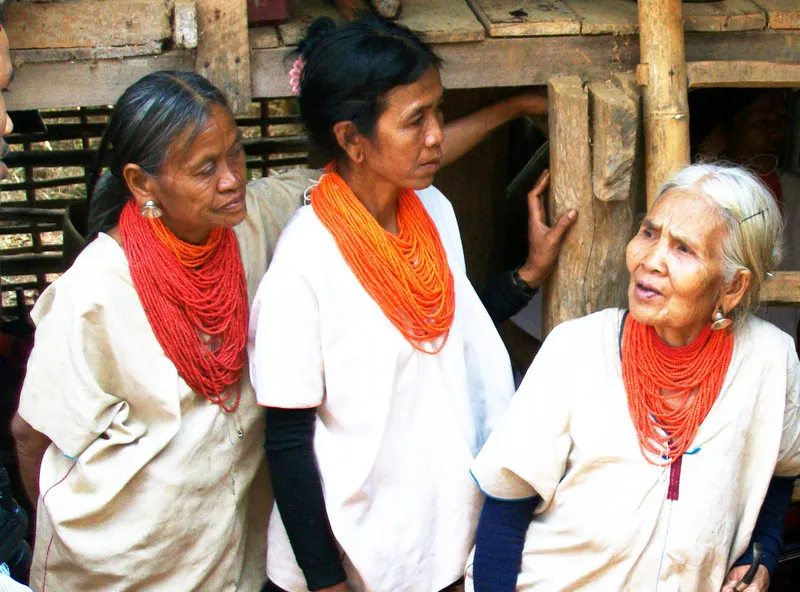
Ban Mae La Oop, the Lawa Village of Mae Hong Son, is one of the most distinctive cultural destinations in Mae La Noi District. Located in Huai Hom Subdistrict, around 32 kilometers from Mae La Noi town, this highland village sits near the border area linking Mae Chaem in Chiang Mai with Mae La Noi and Mae Sariang in Mae Hong Son. What makes this village so memorable is not only its mountain scenery, but also the fact that it remains a living Lawa community with its own architecture, dress, crafts, food traditions, and way of life.
For travelers looking for more than a quick photo stop, Ban Mae La Oop offers a deeper experience. This is not a themed attraction or a place created only for tourism. It is a real community where the rhythms of village life still shape the atmosphere. Wooden houses rest along the slopes of the mountain, fields and agricultural plots spread around the settlement, and the cultural identity of the Lawa people is still clearly visible in daily life. That is why visiting Ban Mae La Oop feels different from many other highland destinations in northern Thailand.
The village is often referred to simply as Ban La Oop. According to local accounts, the community was once known as “Mo Sam Biang,” meaning “Mo Sam Biang Mountain.” The present name “La Oop” is linked to a story that officials once forgot or left an item called an “oop” in the village, and the northern Thai word “la” means “to leave behind.” Whether visitors come for the scenery or for the cultural experience, this story adds another layer of local memory to the destination.
Ban Mae La Oop is one of the most important places to experience Lawa or Lavuea heritage in Mae Hong Son. Unlike more widely known hill-tribe groups, the Lawa have a particularly strong and distinctive cultural identity. Their worldview, craftsmanship, settlement pattern, and relationship with the surrounding mountains all shape the character of the village. As a result, this destination appeals not only to general travelers, but also to people interested in ethnography, community-based tourism, traditional crafts, and northern Thai cultural diversity.
One of the village’s strongest visual identities comes from its architecture. The houses are built in ways that respond to the steep terrain, the climate, and the traditional lifestyle of the community. Walking through the village gives visitors a sense of how people have adapted to life on a mountain ridge while maintaining a deep connection with their surroundings. Ban Mae La Oop is therefore beautiful not only because of what can be seen from a viewpoint, but also because the village itself is part of the landscape.
The scenery is another major reason to visit. Since the village is located high in the mountains, the views are wide and layered, with ridges stretching across the horizon. In the cool season and after rainfall, the atmosphere can be especially beautiful, with soft mist, crisp air, and changing light over the hills. There is also a village viewpoint and a large Buddha image that have become memorable highlights for visitors. These spots make Ban Mae La Oop attractive not only to cultural travelers, but also to photographers and anyone who appreciates quiet mountain panoramas.
Culture is at the heart of the experience here. The Lawa people of Ban Mae La Oop are known for their distinctive house-building traditions, clothing, and way of life. Their material culture stands apart from many other highland groups, and that difference is immediately noticeable when walking through the community. Rather than being presented as a staged display, these details still exist within everyday life, which gives the village an authenticity that many travelers value deeply.
The village is also well known for its silverwork. Lawa silver products from Ban Mae La Oop are among the most respected local handicrafts in the area. For visitors interested in handmade products with strong cultural roots, this is one of the village’s most compelling attractions. Purchasing silverwork here is not just about buying a souvenir. It is also a way to support local craftsmanship and to appreciate the skill that has been preserved within the community.
Textiles are another important part of the local identity. Lawa woven fabrics reflect the aesthetics and inherited knowledge of the community. These textiles are tied to dress, daily use, and cultural expression. Travelers who enjoy handicrafts or ethnic textiles will find Ban Mae La Oop especially rewarding because the products here are connected to a living tradition rather than being detached from their original context.
Coffee has also become an important feature of the village. The surrounding highland environment supports cultivation, and community coffee products have added a new dimension to the visitor experience. Sitting with a cup of local coffee while looking out over the mountain scenery is one of those simple experiences that stays in the memory long after the trip ends. Coffee, silver, weaving, and village life all come together here in a way that makes the destination feel complete and grounded in place.
Ban Mae La Oop has been developed as an OTOP community-based tourism destination, which means visitors can do more than just pass through. Community activities may include tasting local Lawa food, learning about village traditions, visiting craft groups, seeing local coffee production, and staying in village homestays. This gives travelers a fuller understanding of the village as a cultural landscape rather than a single sightseeing stop.
Food is an especially meaningful part of the experience. Traditional Lawa-style meals, including local community dining arrangements such as “Toh Sa Bueak,” help visitors connect with the village in a way that is both personal and memorable. Food in Ban Mae La Oop is not simply a service for tourists. It reflects farming patterns, local ingredients, and shared customs. For that reason, tasting community food here can be just as valuable as visiting the viewpoint or shopping for crafts.
Homestays are another reason why many travelers choose to stay overnight. Ban Mae La Oop is the kind of place that reveals its charm slowly. Early morning light, cool air, village sounds, and the gradual clearing of mountain mist create an atmosphere that day-trippers often miss. Spending a night in or near the village allows visitors to experience the highland setting more fully and to enjoy the quiet rhythm of community life.
For travelers planning a broader Mae La Noi itinerary, Ban Mae La Oop works very well together with nearby Huai Hom Village, which is only a short distance away. This makes the area ideal for a route focused on highland communities, mountain views, local coffee, and homestay experiences. Depending on the season, visitors may also include other attractions in the district such as nearby temples or farther scenic destinations like Doi Mae U Kho.
Getting There is relatively straightforward from Mae La Noi town, but the route follows mountain roads with curves and elevation changes, so careful driving is essential. Travelers should allow enough time, especially during the rainy season or in the early morning when mist can reduce visibility. The journey itself is part of the experience, as the road gradually opens to mountain scenery and quieter highland landscapes.
The best time to visit depends on what kind of atmosphere you prefer. The rainy season brings lush green mountains and a fresh, misty landscape. The cool season offers comfortable weather and some of the most beautiful mountain views. In every season, though, Ban Mae La Oop remains special because of its living culture. The scenery may change with the months, but the identity of the village continues to give the place its real depth.
Overall, Ban Mae La Oop is one of the most rewarding cultural destinations in Mae Hong Son for travelers who want something more meaningful than a standard sightseeing stop. It combines mountain scenery, Lawa heritage, silverwork, weaving, coffee, food, viewpoints, and homestay life in a way that feels genuine and rooted. For anyone interested in community-based travel in northern Thailand, this village deserves a serious place on the list.
| Name | Ban Mae La Oop Lawa Village / Ban La Oop |
| Location Summary | A highland Lawa community in Mae La Noi District, known for traditional culture, silverwork, woven textiles, community coffee, viewpoints, and homestays |
| Location | Village No. 6, Huai Hom Subdistrict, Mae La Noi District, Mae Hong Son 58120 |
| Coordinates | 18.343806, 98.057945 |
| Highlights | Lawa community life, Lawa silverwork, Lawa weaving, local coffee, viewpoint, large Buddha image, community homestays |
| History | Formerly known as “Mo Sam Biang”; later associated with the story behind the name “La Oop,” and now developed as an OTOP tourism community |
| Name Origin | The local story says the current name came from an item called an “oop” being left behind in the village; “la” in northern Thai means “to leave behind” |
| Distinctive Features | A mountain-top Lawa village with distinctive architecture, dress, craft traditions, and scenic views |
| Travel Information | About 32 km from Mae La Noi town; best reached by private car on mountain roads |
| Current Status | An active community tourism village with homestay services |
| Open Days | Open Daily |
| Opening Hours | Visit Throughout the Day |
| Fees | No separate entrance fee information found |
| Facilities | Community homestays, coffee spots, viewpoints, local crafts, OTOP products |
| Main Areas / Zones | Ban La Oop Viewpoint, Large Buddha Image, Lawa Silver Group, Lawa Weaving Group, Ban La Oop Coffee Group, Community Homestays |
| Caretaker | Ban La Oop Community / Village tourism contact: Por Luang Nattaphol |
| Main Contact Number | 088-764-1488 |
| Official Website / Official Page | Amazing Thailand attraction page, Facebook: บ้านละอูบ | Mae Hong Son |
| Nearby Tourist Attractions | 1. Ban La Oop Viewpoint – 1 km 2. Large Buddha Image of Ban La Oop – 1 km 3. Huai Hom Village – 4 km 4. Phra That Dhammikarat – 18 km 5. Doi Mae U Kho Mexican Sunflower Field – 45 km |
| Nearby Restaurants | 1. YaTha Coffee – 1 km Tel. 082-589-7953 2. Ban La Oop Noodle Shop (Huai Hom Km.5) – 5 km 3. Sook Coffee Mae La Noi – 32 km Tel. 095-446-5312 4. Krua Herntai – 32 km Tel. 086-915-3555, 053-689-033 5. APPS CAFE' Mae La Noi – 32 km Tel. 096-670-1688 6. Machan Japanese Food 1991 – 32 km Tel. 090-499-3966 |
| Nearby Accommodations | 1. Mae Jom Homestay, Ban La Oop – 1 km Tel. 086-361-5901 2. Huai Hom Homestay – 4 km Tel. 089-555-3900 3. Mae Yay Specialty Coffee & Mae yay Home – 4 km Tel. 095-572-6722 4. Herntai Resort Mae La Noi – 32 km Tel. 086-915-3555, 053-689-033 5. Ban Wang Khan Homestay – 32 km Tel. 062-271-0087 |
Frequently Asked Questions (FAQ)
Q: Where is Ban Mae La Oop located?
A: It is in Huai Hom Subdistrict, Mae La Noi District, Mae Hong Son Province, about 32 km from Mae La Noi town.
Q: What is the village best known for?
A: It is best known for Lawa culture, silverwork, woven textiles, community coffee, mountain views, and homestay experiences.
Q: Is Ban Mae La Oop suitable for community-based travel?
A: Yes. It is one of the most suitable destinations in Mae Hong Son for travelers who want to experience real community life and local culture.
Q: Can visitors buy local products in the village?
A: Yes. Local silverwork, woven products, coffee, and OTOP items are among the most popular community products.
Q: Is there accommodation available near the village?
A: Yes. There are community homestays in and around Ban La Oop, as well as more accommodation options in Huai Hom and Mae La Noi.
Q: What is the best season to visit?
A: The rainy season is excellent for lush green scenery, while the cool season offers comfortable weather and beautiful mountain views.
Q: Is the road difficult?
A: The route follows mountain roads, so careful driving is recommended, especially during rain or misty conditions.
 Category: ●Suburban Living
 Group: ●Village, Community
Last Update : 6 MonthAgo
 Last Update : 6 MonthAgo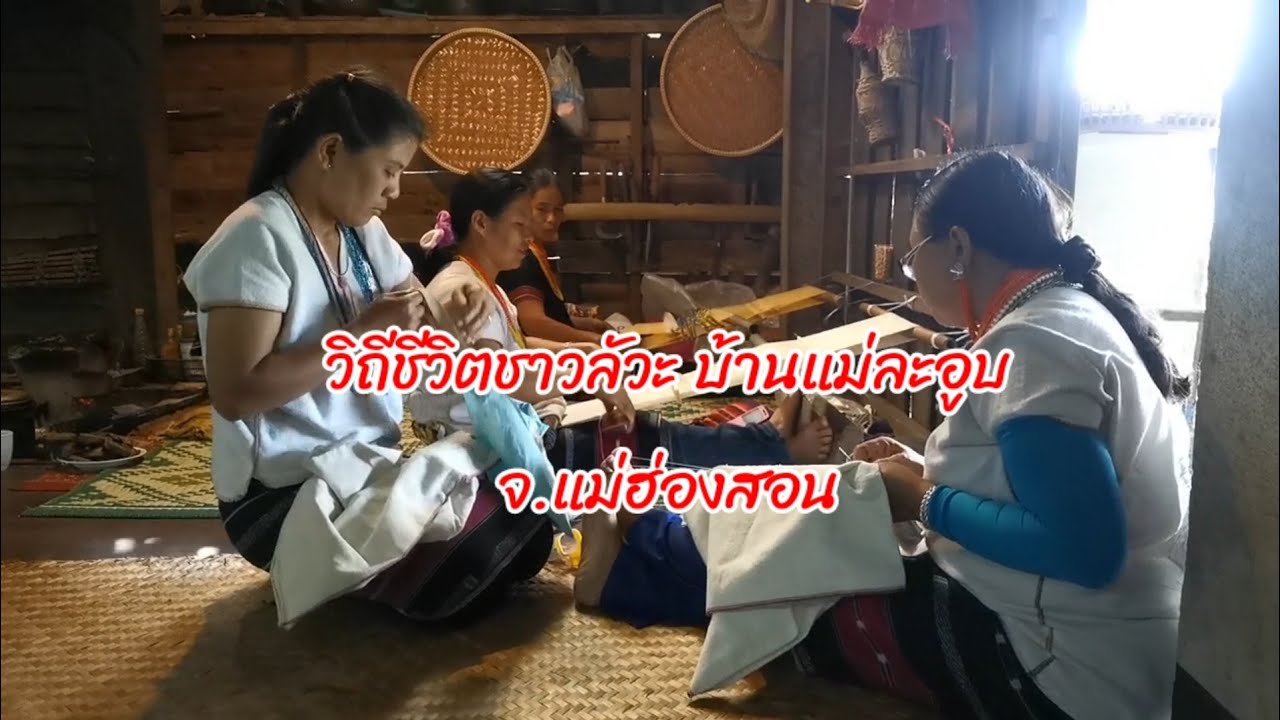
 Click to Access the Navigation Map GPS
Lua Village (Lawa Village) Map
Recommend

 Art, Culture and Heritage
 Historical Sites and Monuments(1)
 Landmarks and Memorials(1)
 Art, Craft Centres, Tradition(10)
 Museums(3)
 Educational Places
 Educational Gardens, Farm(1)
 Places of Worship
 Temple(81)
 Other Sacred Sites(1)
 Research and Development
 Royal Project(4)
Village, Community(19)
Royal Project(4)
Village, Community(19)
 Local Market(4)
 Nature and Wildlife
 National Parks and Marine Reserves(5)
 Mountain (Doi)(5)
 Dam, Reservoir, Lake(2)
 Waterfalls(12)
 Hot Springs(6)
 Caves(13)
 Flower Field(2)
 River, Canal(3)
 Other natural attractions(1)
 Entertainment and Agricultural
 Farms, Parks and Ecotourism(2)
 Shopping
 Shopping and Night Market(1)
 Travel Articles, Recipes
 Travel Review, Food Review(1)


