
lovethailand home >North Travel Attractions >Mae Hong Son Travel Attractions >Pang Mapha >Tham Lot > Phi Man Long Long Rak Cave
TL;DR: Phi Man Long Long Rak Cave is located at Ban Tham Lod, Tham Lod Subdistrict, Pang Mapha District, Mae Hong Son Province, open Daily, hours Best visited during daytime.

Phi Man Long Long Rak Cave
Open Days: Daily
Opening Hours: Best visited during daytime
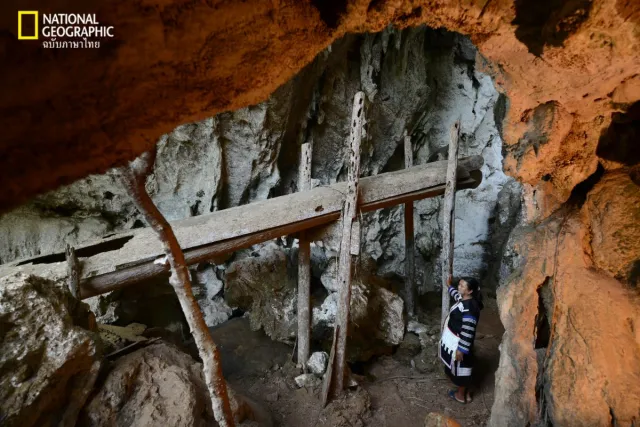
Phi Man Long Long Rak Cave is located in Ban Tham Lod, Tham Lod Subdistrict, Pang Mapha District, Mae Hong Son Province. It is one of the most important archaeological cave sites in the Pang Mapha highlands and one of the strongest sources of evidence for understanding the ancient log coffin culture of northern Thailand. This cave is not significant simply because ancient wooden coffins were found inside. Its true importance lies in how clearly it helps explain ethnicity, kinship, burial customs, and the cultural diversity of the people who lived in this region around 2,000 years ago.
Phi Man Long Long Rak Cave stands out among the many “Phi Man” cave sites known in Pang Mapha because the discoveries inside are especially rich and well preserved. The site, identified in 2010, became a major archaeological breakthrough. Researchers found 25 wooden coffins, or 30 coffin lids, many still in intact closed condition. Inside them were the remains of 154 individuals, with some coffins containing as many as 18 people. These discoveries immediately showed that the cave was not used for simple one-person burial alone, but was part of a much more complex funerary tradition involving family or community relationships.
Research carried out by the Faculty of Archaeology, Silpakorn University, between 2013 and 2016, together with DNA analysis, brought even more remarkable results. The human remains were dated to roughly 1,600 – 2,100 years ago, and the cave appears to have been used for coffin burial practices over a period of more than 400 years. This means the cave was not used just briefly, but remained an important ritual space across many generations. Even more importantly, DNA evidence showed that some of the individuals were biologically related, allowing archaeologists to move beyond describing a burial site and begin reconstructing real kinship networks from the ancient past.
The DNA findings also expanded the significance of the cave beyond Pang Mapha itself. They suggested that the people associated with the log coffin culture here had links to groups speaking Austroasiatic and Tai-Kadai languages. In practical terms, this means that around 2,000 years ago, the Mae Hong Son highlands were already home to diverse ethnic communities living in the same broader landscape. Phi Man Long Long Rak Cave therefore helps reshape how we understand the human past of Thailand, showing that cultural diversity in this region has deep historical roots.
The archaeological value of the cave does not rest only on the coffins and skeletons. Researchers also found pottery, ornaments, lacquerware, woven textiles, and weaving-related tools. These items provide a fuller picture of how people lived, what they made, and how they expressed both ritual and everyday life. One especially important discovery was hemp textile. This shows that more than 2,000 years ago, people in the area already knew how to cultivate hemp, process fibers, and weave cloth. That knowledge is especially meaningful because it connects ancient evidence to long-standing textile traditions still associated with highland communities today.
In this sense, Phi Man Long Long Rak Cave is more than an ancient cemetery. It is a record of human life in multiple dimensions. It preserves evidence of bodies, burial rituals, household objects, craftsmanship, and technological knowledge. The presence of lacquerware, ornaments, and textiles together with the coffins suggests a society with complex ritual practice and developed material culture. This makes the site much more than a dramatic archaeological headline. It is a highly detailed archive of human identity and cultural practice in the northern highlands.
The broader log coffin tradition of Pang Mapha also becomes easier to understand through this cave. The coffins were made by splitting large logs lengthwise, hollowing them out, and using matching pieces as coffin bodies and lids. Some were very large and supported on beams and posts. This shows advanced wood selection, woodworking skill, and a ritual system important enough to mobilize labor and resources. Some coffin heads from the broader culture were carved into different shapes, giving archaeologists another way to classify styles and chronological development within the log coffin tradition.
What makes Phi Man Long Long Rak Cave so compelling is that it transforms public understanding of the so-called “Phi Man” caves. Rather than being seen merely as mysterious caves with old coffins, sites like this one now provide measurable evidence for kinship, long-term ritual use, and ethnic diversity in the region. Each coffin, each bone, and each artifact adds to a much larger historical picture. The cave has therefore become one of the central pieces in reconstructing the prehistory of the Pang Mapha highlands.
For travelers and readers, this means the cave should be understood as a place of learning as much as a place of interest. It is most meaningful for people curious about archaeology, cultural history, and the origins of human communities in northern Thailand. A visit or an article about this site should not treat it merely as a strange or eerie attraction. Its real value lies in what it reveals about real people who once lived, formed families, carried out rituals, and passed down technical knowledge in this region.
The hemp textile evidence is especially powerful because it links the ancient and the living present. Highland communities in northern Thailand are still closely associated with fiber, weaving, and plant-based textile knowledge. The finds at Phi Man Long Long Rak Cave suggest that such traditions have much deeper roots than many people may realize. This makes the cave important not only for the study of death and burial, but also for the history of technology, clothing, and cultural continuity.
Another reason the cave matters so much is its interdisciplinary value. The site has contributed to archaeology, physical anthropology, genetics, archaeobotany, textile studies, and conservation science. It does not answer just one question. Instead, it opens many: Who were these people? How were they related? What materials did they use? What did they grow? How did they make cloth? How did ritual shape community life? A site that can support this many lines of inquiry is rare and nationally significant.
For general readers, the clearest way to understand Phi Man Long Long Rak Cave is to see it as proof that around 2,000 years ago, the Pang Mapha highlands were already home to organized communities with ritual systems, woodworking skill, textile knowledge, and diverse ethnic backgrounds. This is why the site matters so much. It does not only tell the story of one cave. It helps change the wider story of who lived in the uplands of what is now Thailand and how culturally complex their lives already were.
The location also works well within a broader Pang Mapha travel route. Visitors interested in archaeology can connect the story of Phi Man Long Long Rak Cave with nearby Tham Lod, Ban Tham Lod, mountain viewpoints, and village-based attractions in the same district. This creates a more meaningful itinerary: not simply visiting caves for scenery, but understanding how landscape, ritual, and community have been linked in this region for a very long time.
Sites like this also need to be approached with respect. Archaeological evidence, especially organic material such as wood and textile, is fragile. The value of the cave lies not in touching or disturbing what remains, but in understanding and protecting it. Responsible visitation and careful interpretation are essential if the site is to continue serving both scholarship and public knowledge.
Ultimately, the power of Phi Man Long Long Rak Cave lies in making the ancient past feel human again. The DNA findings reveal kinship. The coffins show ritual care. The woven hemp points to skilled hands and inherited knowledge. The artifacts speak of lived experience. Instead of seeing the ancient dead as anonymous remains, the cave allows us to understand them as people who belonged to families, communities, and traditions. That is what makes this site so important.
In the broadest sense, Phi Man Long Long Rak Cave is one of the key sites for understanding ethnicity and human history in Thailand. It shows that the Pang Mapha highlands were never an empty margin. They were a lived landscape of diversity, ritual, movement, and inherited knowledge. That is why this cave deserves to be remembered not only as a Mae Hong Son attraction, but as a major cultural heritage site with national significance.
Getting There to the Pang Mapha cave zone is easiest via Highway 1095 on the Pai – Pang Mapha – Mae Hong Son route. Ban Tham Lod is one of the main access areas for cave and archaeology-related travel in this part of Mae Hong Son. Travelers can combine this cave story with Tham Lod Nature Education Center, nearby viewpoints, and Ban Jabo in a single route. Local information for the easier-access Phi Man cave area in Soppong mentions an access point along Highway 1095 near kilometer markers 144 – 145, with safer parking recommended before walking up to the cave.
| Name | Phi Man Long Long Rak Cave |
| Place Summary | A major archaeological cave site in Ban Tham Lod, Pang Mapha, known for its log coffin culture, human remains, DNA research, and important evidence of ethnic diversity in the ancient highlands. |
| Location | Ban Tham Lod, Tham Lod Subdistrict, Pang Mapha District, Mae Hong Son Province |
| Highlights | 25 wooden coffins, 30 coffin lids, remains of 154 individuals, DNA findings dated to 1,600 – 2,100 years ago, and artifacts including hemp textiles, lacquerware, ornaments, and pottery |
| History / Importance | Discovered in 2010 and now recognized as one of the most important archaeological sites for understanding the log coffin culture, kinship, and ethnic diversity of the Pang Mapha highlands |
| Name Origin | The name reflects the association with ancient coffin burial traditions, while “Long Long Rak” identifies this specific archaeological cave context |
| Distinctive Features | A cave of exceptional archaeological value that helps explain log coffin burial practices, family relationships, and multi-ethnic coexistence in the highlands around 2,000 years ago |
| Travel Information | Accessible via Highway 1095 on the Pai – Pang Mapha – Mae Hong Son route, with Ban Tham Lod serving as the main travel base for cave and archaeology-related visits in the area |
| Current Status | An important archaeological heritage site in Pang Mapha that should be approached respectfully as a cultural evidence area |
| Open Days | Daily |
| Opening Hours | Best visited during daytime |
| Fees | No verified specific entrance fee published for this cave site |
| Facilities | Local information notes electricity in the easier-access cave section and recommends safe parking before the final short walk |
| Caretaker | Local authorities in Soppong Subdistrict / heritage and log coffin research network in Pang Mapha |
| Main Contact Number | Soppong Subdistrict Administrative Organization: 080-034-6787 |
| Nearby Tourist Attractions | 1. Tham Lod Wildlife and Nature Education Center – 10 km. Tel. 0-5361-7218 2. Doi Kiew Lom Viewpoint – 8 km 3. Doi San Wua Tor Viewpoint – 12 km 4. Ban Jabo Community – 18 km 5. Ban Jabo Viewpoint – 18 km |
| Nearby Restaurants | 1. Ton Chok – 1 km. Tel. 084-950-1319, 094-636-4040 2. Chamakao Pang Mapha – 2 km. Tel. 088-260-5591 3. Kiew Lom Café – 8 km. Tel. 094-969-3949 4. Ban Kaew Mora – 10 km. Tel. 081-765-2144 5. Ban Jabo Hanging Leg Noodles – 18 km. Tel. 096-195-2685 |
| Nearby Accommodations | 1. Cave Lodge – 10 km. Tel. 053-617-203, 091-890-0764 2. Rim Doi Bungalows – 10 km. Tel. 089-553-6041, 089-851-2890 3. Baan Rim Lang – 2 km. Tel. 086-916-2647, 085-334-2373 4. Soppong River Inn – 1 km. Tel. 053-617-107, 081-250-8425 5. Little Eden Guesthouse – 1 km. Tel. 053-617-054 6. Jungle Guesthouse – 1 km. Tel. 053-617-099 |
Frequently Asked Questions (FAQ)
Q: Where is Phi Man Long Long Rak Cave located?
A: It is located in Ban Tham Lod, Tham Lod Subdistrict, Pang Mapha District, Mae Hong Son Province.
Q: Why is Phi Man Long Long Rak Cave important?
A: It is a major archaeological site that helps explain the log coffin culture, kinship, and ethnic diversity of ancient highland communities around 1,600 – 2,100 years ago.
Q: What was found inside the cave?
A: Archaeologists found 25 wooden coffins, 30 coffin lids, the remains of 154 people, and artifacts such as pottery, ornaments, lacquerware, woven textiles, and weaving tools.
Q: Why is the hemp textile discovery important?
A: It shows that people in this region more than 2,000 years ago already knew how to cultivate hemp and weave cloth.
Q: Who would appreciate this site the most?
A: It is especially meaningful for visitors interested in archaeology, cultural history, ethnicity, and learning-based travel.
Q: What can I visit near Phi Man Long Long Rak Cave?
A: Nearby options include Tham Lod, Doi Kiew Lom, Doi San Wua Tor, and Ban Jabo.
Q: Why does the DNA research matter?
A: It shows that some individuals buried in the cave were related and confirms that multiple ethnic groups lived in the Pang Mapha highlands around 2,000 years ago.
 Category: ●Nature and Wildlife
 Group: ●Caves
Last Update : 3 MonthAgo
 Last Update : 3 MonthAgo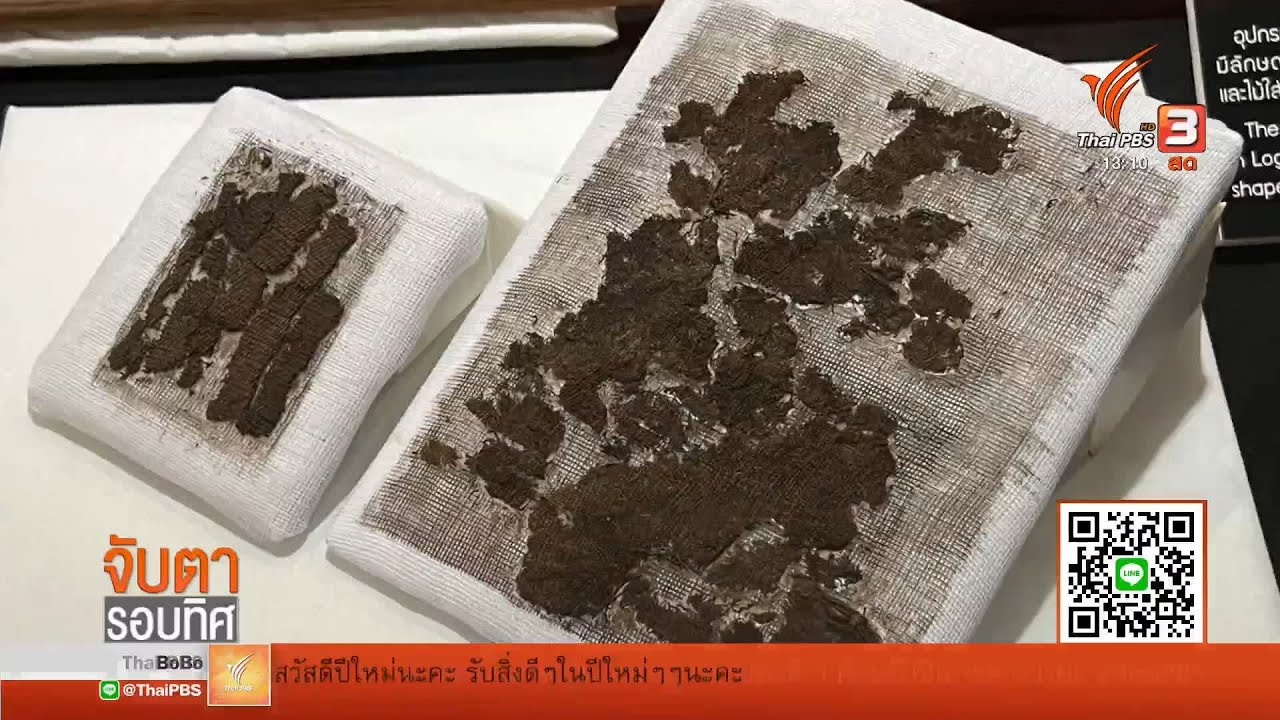
 Click to Access the Navigation Map GPS
Phi Man Long Long Rak Cave Map
Recommend

 Art, Culture and Heritage
 Historical Sites and Monuments(1)
 Landmarks and Memorials(1)
 Art, Craft Centres, Tradition(10)
 Museums(3)
 Educational Places
 Educational Gardens, Farm(1)
 Places of Worship
 Temple(81)
 Other Sacred Sites(1)
 Research and Development
 Royal Project(4)
 Suburban Living
 Village, Community(19)
 Local Market(4)
 National Parks and Marine Reserves(5)
 Mountain (Doi)(5)
 Dam, Reservoir, Lake(2)
 Waterfalls(12)
 Hot Springs(6)
Caves(13)
Hot Springs(6)
Caves(13)
 Flower Field(2)
 River, Canal(3)
 Other natural attractions(1)
 Entertainment and Agricultural
 Farms, Parks and Ecotourism(2)
 Shopping
 Shopping and Night Market(1)
 Travel Articles, Recipes
 Travel Review, Food Review(1)


