
TL;DR: Wat Muai To is located at Khun Yuam District, Mae Hong Son Province, Thailand, open Daily, hours Open all day. Highlights include Tai Yai-Burmese architecture, pointed castle-like shrine platform, six large bells, carved ivory Buddha images.
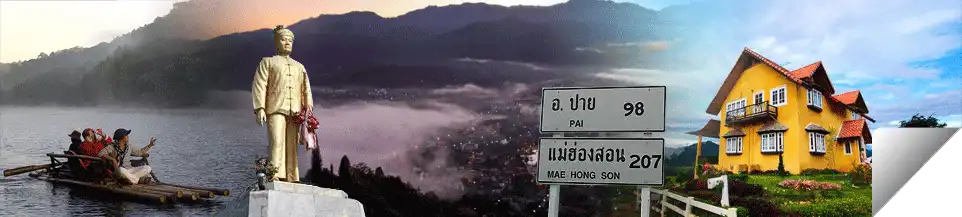
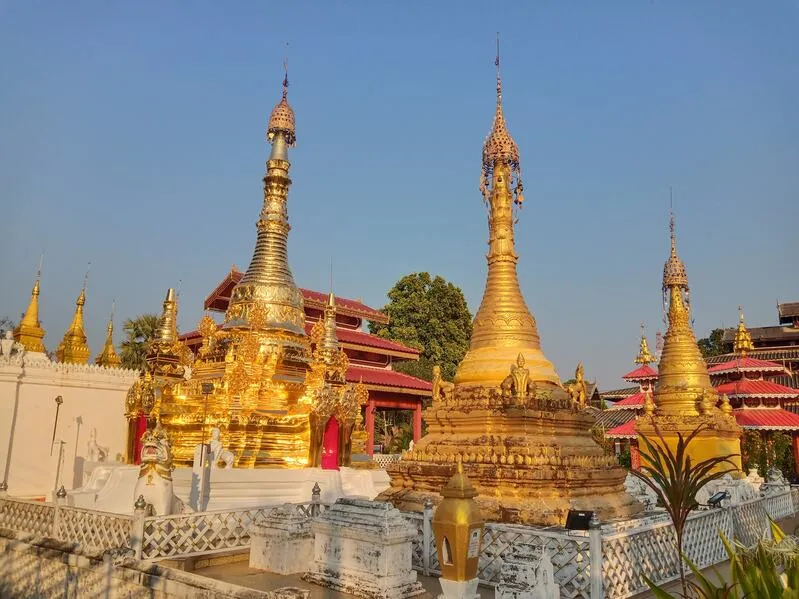
Wat Muai To
Open Days: Daily
Opening Hours: Open all day
Wat Muai To, also written as Wat Muay To or Wat Hmuai To, is one of the most culturally significant old temples in Mae Hong Son Province. It is especially appealing to travelers who want to go beyond famous landmarks and discover a quieter, deeper layer of local heritage. This temple is admired for its Tai Yai and Burmese-influenced architecture, its historical connection to the early rulers of Mae Hong Son, and its role as a living spiritual center for the local community.
The name “Muai To” comes from the Tai Yai language and means “relics enshrined in a chedi.” This name reflects the temple’s strong religious symbolism and immediately shows how closely the site is tied to Buddhist devotion. For visitors interested in language, belief systems, and regional identity, even the name of the temple reveals an important layer of local meaning.
Wat Muai To was built in 1923 by Chao Mae Nang Mia, the second ruler of Mae Hong Son, who was also the wife of Phraya Singhanat Racha, the first ruler of the city. Because of this, the temple is more than a neighborhood religious site. It is directly linked to the history of local rule and the formation of Mae Hong Son as a frontier town shaped by Tai Yai culture and Burmese artistic influence.
One of the temple’s most impressive features is its elaborate shrine platform designed like a pointed castle-shaped chedi. This highly decorative structure gives the temple a striking visual identity. The layered forms, fine detailing, and graceful composition reflect a beautiful blend of Tai Yai and Burmese aesthetics, making the temple especially rewarding for travelers interested in architecture and regional art history.
Another distinctive feature is the presence of six large bell-shaped hanging bells, which strengthen the temple’s unique atmosphere. In temples influenced by Tai Yai and Burmese traditions, bells often contribute not only to ritual soundscapes but also to the visual language of sacred space. Here, they add both elegance and symbolic depth.
Inside the temple are important sacred objects, including ivory carvings shaped as Buddha images crafted by Burmese artisans. Originally there were four pairs. Today, only two pairs remain. One pair was presented to the Thai king, while another pair disappeared over time. The surviving pieces are therefore exceptionally valuable, not only as religious art but also as rare historical objects tied to the temple’s long story.
Visiting Wat Muai To is not simply about seeing an old temple. It is about experiencing a place where faith, art, memory, and local identity are still held together in one setting. The atmosphere is calm, reflective, and deeply rooted in the rhythms of local life. For travelers who enjoy meaningful cultural visits rather than quick sightseeing, this temple offers a memorable experience.
Getting There Wat Muai To is located in Khun Yuam District, Mae Hong Son Province, and can be reached conveniently from the district center by car or motorbike. It works well as part of a broader cultural route in Khun Yuam together with nearby historical sites, local markets, and seasonal attractions such as the famous Mexican sunflower fields.
| Name | Wat Muai To / Wat Muay To / Wat Hmuai To |
| Location | Khun Yuam District, Mae Hong Son Province, Thailand |
| Address | Wat Muai To, Khun Yuam District, Mae Hong Son 58140 |
| Overview | An old Tai Yai-Burmese temple known for its decorative shrine platform, six large bells, and important religious art connected to the early rulers of Mae Hong Son |
| Highlights | Tai Yai-Burmese architecture, pointed castle-like shrine platform, six large bells, carved ivory Buddha images |
| History | Built in 1923 by Chao Mae Nang Mia, the second ruler of Mae Hong Son and wife of Phraya Singhanat Racha, the first ruler of the city |
| Name Origin | “Muai To” is a Tai Yai term meaning “relics enshrined in a chedi” |
| Distinctive Features | A rare combination of architecture, sacred art, and historical ties to Mae Hong Son’s early ruling family |
| Travel Information | Conveniently reachable from central Khun Yuam by car or motorbike and suitable for a cultural day trip |
| Current Status | Open for worship and visits daily |
| Open Days | Daily |
| Opening Hours | Open all day |
| Fees | Free |
| Main Areas / Zones | Main shrine platform, sacred art area, bell area, worship space inside the temple grounds |
| Abbot | Phra Samu Jirawat Aphichano |
| Main Contact Number | +66 86 921 2332 |
| Official Website / Official Page | Wat Muai To, Khun Yuam official Facebook page |
| Nearby Tourist Attractions | 1. Mittraphap Thai-Japan Memorial 8 km 2. Khun Yuam Market 7 km 3. Bua Tong Field, Doi Mae U Kho 26 km 4. Ban To Pae Community 5 km 5. Wat To Phae 5 km |
| Nearby Restaurants | 1. Wasita Coffee 7 km 2. Doi Khun Coffee 8 km 3. Restaurants in Khun Yuam Market area 7 km 4. Local noodle shops in Khun Yuam 7 km 5. Local eateries in Khun Yuam District 7 km |
| Nearby Accommodations | 1. Khunyuam Resort 7 km 2. Pataraphan House Khunyuam 7 km 3. Yoont Hotel 7 km 4. Guesthouses in Khun Yuam Market area 7 km 5. Homestays in Khun Yuam District 7–10 km |
Frequently Asked Questions (FAQ)
Q: What makes Wat Muai To special?
A: It is known for its Tai Yai-Burmese architecture, pointed shrine platform, six large bells, and carved ivory Buddha images.
Q: When was Wat Muai To built?
A: The temple was built in 1923 by Chao Mae Nang Mia, the second ruler of Mae Hong Son.
Q: What does the name “Muai To” mean?
A: It is a Tai Yai term meaning “relics enshrined in a chedi.”
Q: Is there an entrance fee?
A: No. Admission is free.
Q: Who would enjoy visiting this temple?
A: It is ideal for travelers interested in history, regional architecture, Tai Yai culture, and peaceful temple visits.
Q: Can visitors take photos at the temple?
A: Yes, but visitors should behave respectfully and be mindful of sacred areas.
Category: ●Places of Worship
 Category: ●
Group: ●Temple
 Group: ●
 Last Update : 2 DayAgo
 Click to Access the Navigation Map GPS
 Art, Culture and Heritage
 Historical Sites and Monuments(
 Landmarks and Memorials(
 Art, Craft Centres, Tradition(
 Museums(
 Educational Places
 Educational Gardens, Farm(
 Other religious and spiritural sites(
 Research and Development
 Royal Project(
 Suburban Living
 Village, Community(
 Local Market(
 Nature and Wildlife
 National Parks and Marine Reserves(
 Mountain (Doi)(
 Dam, Reservoir, Lake(
 Waterfalls(
 Hot Springs(
 Caves(
 Flower Field(
 River, Canal(
 Other natural attractions(
 Entertainment and Agricultural
 Farm, Parks, Gardens and Ecotourism(
 Shopping
 Shopping and Night Market(
 Travel Articles, Recipes
 Travel Review, Food Review(


