
lovethailand home >North Travel Attractions
>Lamphun Travel Attractions >Ban Thi
>Ban Thi
> Water Spirit Worship Tradition (Liang Phi Khun Nam..
TL;DR: Water Spirit Worship Tradition (Liang Phi Khun Nam) is located at Mae Chaem District, Chiang Mai Province, Thailand, open Based On Lunar Calendar And Community Schedule, hours Usually Morning To Midday During Ceremony.

Water Spirit Worship Tradition (Liang Phi Khun Nam)
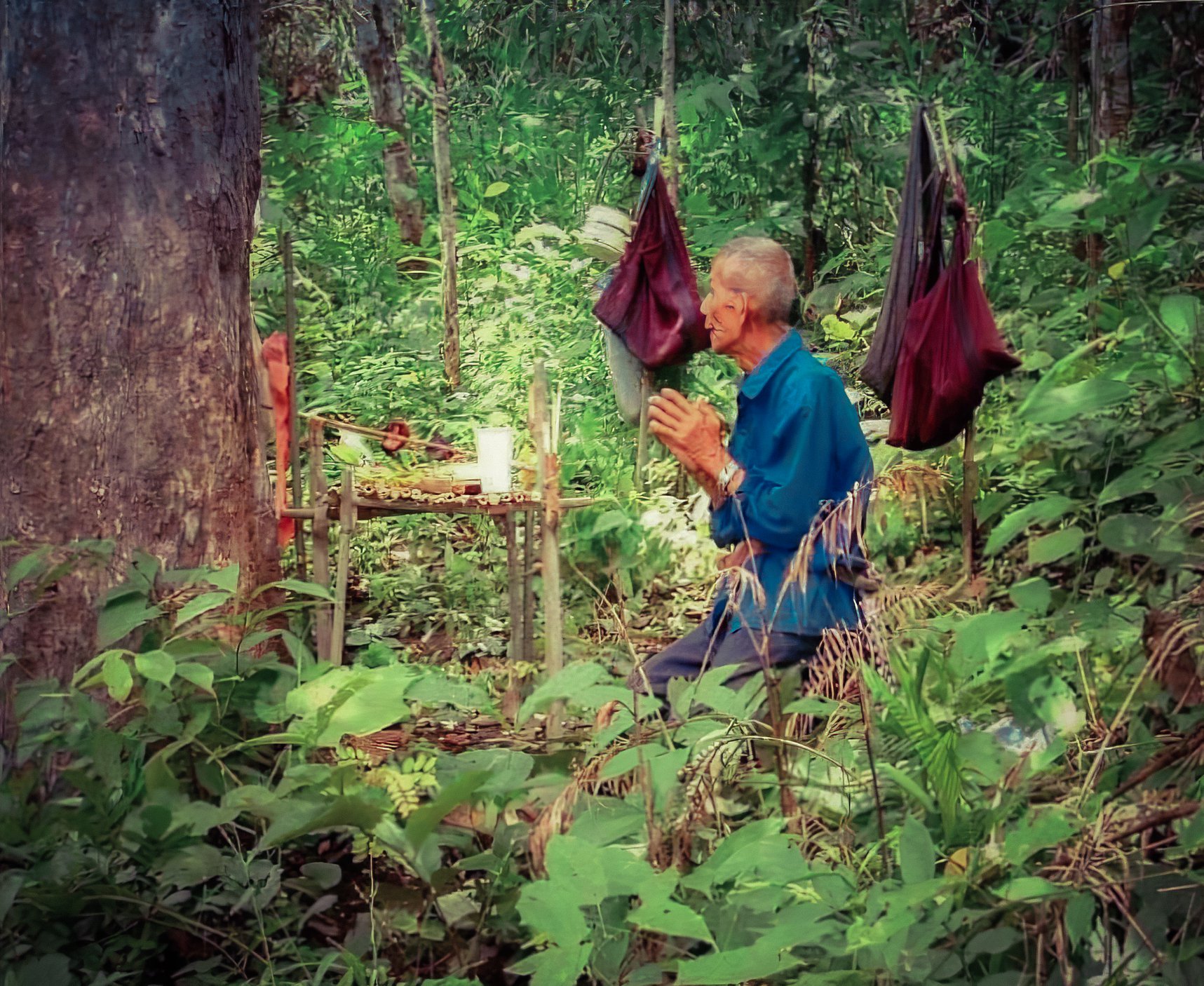
Open Days: Based On Lunar Calendar And Community Schedule
Opening Hours: Usually Morning To Midday During Ceremony
The Water Spirit Worship Tradition (Liang Phi Khun Nam) is one of the most significant cultural and spiritual practices of the Lanna people in Northern Thailand. This tradition reflects a profound relationship between human communities and natural water sources, emphasizing respect, gratitude, and coexistence with nature. In agricultural societies where water determines survival, such rituals play a crucial role in both spiritual life and environmental awareness.
In Lanna belief systems, water is not merely a physical resource but a sacred element inhabited and protected by spiritual entities known as “Khun Nam” or water guardian spirits. These spirits are believed to reside in streams, springs, and forest watersheds, controlling rainfall, water flow, and fertility of the land. Without their protection, communities believe that droughts, crop failures, or natural disasters may occur.
The origin of this tradition dates back to pre-Buddhist animist beliefs, where nature was revered as a living force. Over time, these beliefs were integrated with Buddhist practices, creating a unique blend of spiritual traditions. As a result, the ritual today includes both offerings to spirits and merit-making activities aligned with Buddhist teachings.
The ceremony is traditionally held on the waning 9th day of the 9th lunar month, a time considered spiritually appropriate for communicating with nature spirits. The chosen location is usually a sacred water source, often referred to as a “spirit stream” or protected watershed area, which is believed to be the dwelling place of the Khun Nam spirits.
Preparation for the ceremony begins several days in advance. Villagers gather to clean the surrounding environment, removing debris, cutting grass, and ensuring that the water source is pure and undisturbed. This act is not only symbolic but also a practical demonstration of environmental stewardship. It reinforces the idea that respecting nature requires both spiritual and physical care.
Offerings used in the ritual are deeply connected to the agricultural lifestyle of the community. Items such as sticky rice, grilled pork, fresh fruits, flowers, and herbal drinks are carefully prepared. These offerings represent gratitude for the harvest and the abundance provided by nature. Each item carries symbolic meaning, reflecting the interconnectedness between human effort and natural blessings.
The ritual itself is led by a spiritual leader, often referred to as an “Ajarn” or ritual master. This individual plays a critical role in maintaining the correct ceremonial procedures and communicating with the spirit world. Through chants, invocations, and traditional music, the leader invites the Khun Nam spirits to receive the offerings and bless the community.
Traditional instruments such as drums and stringed instruments are used during the ceremony, creating a distinctive auditory atmosphere. The rhythm and sound are believed to enhance the spiritual connection and invite the presence of the spirits. Participants often remain silent or join in soft chanting, reinforcing a sense of collective focus and reverence.
During the offering, villagers pray for rain, fertile soil, and protection from natural disasters. They also seek blessings for health, prosperity, and harmony within the community. This collective prayer reflects the shared dependence on natural resources and the importance of unity in facing environmental challenges.
Beyond its spiritual significance, the Water Spirit Worship Tradition serves as an important mechanism for environmental conservation. By designating certain areas as sacred, communities effectively protect forests and water sources from exploitation. These sacred zones often become informal conservation areas, preserving biodiversity and maintaining ecological balance.
The tradition also strengthens social cohesion. The preparation and execution of the ritual require collaboration among community members, fostering a sense of belonging and shared responsibility. Elders pass down knowledge to younger generations, ensuring continuity of cultural practices and values.
In regions such as Mae Chaem District in Chiang Mai Province, this tradition is still actively practiced. The area is known for its mountainous terrain and rich natural resources, making water management essential for agriculture. The continued observance of the ritual demonstrates the resilience of cultural identity despite modernization.
For visitors, attending the ceremony provides a rare opportunity to witness an authentic cultural practice that goes beyond performance. It is not staged for tourism but remains a genuine expression of belief and community life. Observing the ritual allows for a deeper understanding of how traditional societies interact with their environment.
Visitors are encouraged to approach the experience with respect. Appropriate clothing, quiet behavior, and sensitivity to local customs are essential. Photography may be allowed in some areas, but it should always be done respectfully and with permission.
Getting There to Mae Chaem District involves traveling from Chiang Mai city through Chom Thong District. The journey covers approximately 100 kilometers and takes around 2 to 3 hours by car. Some ceremonial sites may require additional walking through forest paths to reach the sacred water source.
| Name | Water Spirit Worship Tradition (Liang Phi Khun Nam) |
| Location | Mae Chaem District, Chiang Mai Province, Thailand |
| Coordinates | 18.4957, 98.3735 |
| Time | Waning 9th Day Of 9th Lunar Month |
| Highlights | Ritual Offerings, Spirit Invocation, Traditional Music, Community Ceremony |
| Managed By | Local Community Leaders And Ritual Masters |
| Current Status | Actively Practiced In Northern Thai Communities |
| Nearby Tourist Attractions | 1. Mae Chaem Rice Terraces 5 km 2. Wat Pa Daet Mae Chaem 6 km 3. Mae Pan Waterfall 25 km 4. Doi Inthanon National Park 30 km 5. Mae Klang Luang Village 28 km |
| Nearby Restaurants | 1. Mae Chaem Local Kitchen 2 km 2. Northern Thai Food Mae Chaem 3 km 3. Mae Chaem Khao Soi Restaurant 3 km 4. Baan Thung Restaurant 4 km 5. Inthanon Food Stop 25 km |
| Nearby Accommodations | 1. Mae Chaem Resort 2 km 2. Local Homestay Mae Chaem 3 km 3. Inthanon View Resort 25 km 4. Doi Inthanon Lodge 30 km 5. Mae Klang Luang Homestay 28 km |
Frequently Asked Questions (FAQ)
Q: What is the Water Spirit Worship Tradition?
A: It is a ritual honoring water guardian spirits believed to protect natural water sources.
Q: When is the ceremony held?
A: On the waning 9th day of the 9th lunar month.
Q: Why is it important?
A: It ensures water abundance, agricultural success, and environmental balance.
Q: Can tourists attend?
A: Yes, visitors can attend respectfully and observe local customs.
Q: Where does it take place?
A: At sacred natural water sources such as streams and forest springs.
 Category: ●Art, Culture and Heritage
 Group: ●Art, Craft Centres, Tradition
Last Update : 4 WeekAgo
 Last Update : 4 WeekAgo
 Click to Access the Navigation Map GPS
Water Spirit Worship Tradition (Liang Phi Khun Nam) Map
Recommend
 Historical Sites and Monuments(2)
 Landmarks and Memorials(8) Art, Craft Centres, Tradition(9)
 Museums(3)
 Historical Houses and The Ancient City(1)
 Places of Worship
 Temple(91/383)
 Mosque(1)
 Other religious and spiritural sites(7)
 Research and Development
 Royal Project(1)
 Suburban Living
 Village, Community(13)
 Local Market(3)
 Nature and Wildlife
 National Parks and Marine Reserves(2)
 Mountain (Doi)(1)
 Dam, Reservoir, Lake(13)
 Waterfalls(3)
 Caves(4)
 River, Canal(1)
 Other natural attractions(1)
 Entertainment and Agricultural
 Farm, Parks, Gardens and Ecotourism(2)


