
lovethailand home >North Travel Attractions >Lamphun Travel Attractions >Pa Sang >Tha Tum > Wat Nang Koeng
TL;DR: Wat Nang Koeng is located at Ban Rong Ha, Tha Tum Subdistrict, Pa Sang District, Lamphun Province, open Daily, hours 06:00–18:00. Highlights include Temple linked to Queen Chamadevi legend and origin of “Koeng Na” gesture.
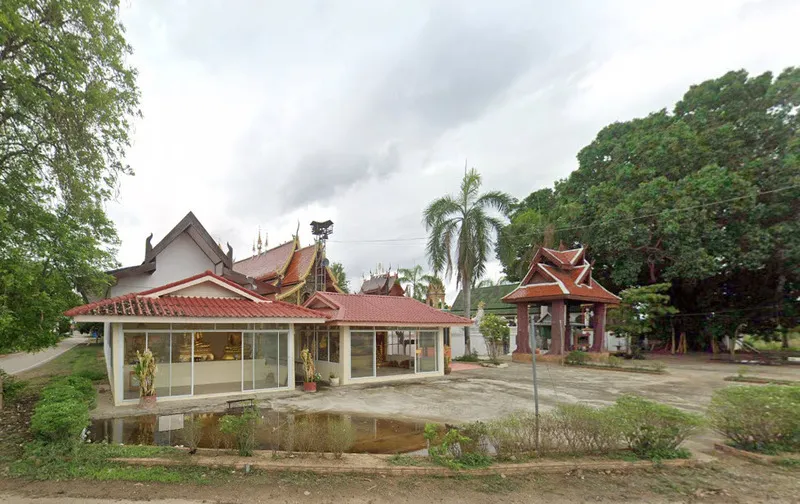
Wat Nang Koeng
Open Days: Daily
Opening Hours: 06:00–18:00
Wat Nang Koeng is a historically and culturally significant Buddhist temple located in Ban Rong Ha, Tha Tum Subdistrict, Pa Sang District, Lamphun Province. The temple is deeply connected to the legendary journey of Queen Chamadevi, the first ruler of the ancient Hariphunchai Kingdom, making it an important site for both historical study and spiritual reflection.
For visitors searching for cultural landmarks in Lamphun, Wat Nang Koeng offers a unique combination of local legend, traditional Lanna religious architecture, and a strong connection to community life. Unlike major tourist attractions, the temple maintains an authentic rural atmosphere where daily religious practices are still actively observed.
The temple was established in 1832 (B.E. 2375) and later received its official consecration boundary (Visungamasima) in 1842. It belongs to the Maha Nikaya sect and occupies an area of approximately 3 rai and 61 square wah. Within the temple grounds are essential structures such as the ubosot, viharn, and monks’ residences, which continue to support religious functions.
The origin of Wat Nang Koeng is closely tied to the legendary journey of Queen Chamadevi. During her travel to establish her rule over Hariphunchai, transportation was difficult and required navigating through dense forests and dangerous terrain. At one point, she stopped to rest in the area now known as Ban Sri Chum.
While observing the landscape, Queen Chamadevi raised her hand to shield her eyes from the sunlight and looked toward the southeast. This gesture, known locally as “Koeng Na,” became the defining moment that inspired the name of the temple. The term reflects both the action and the cultural language of the region.
Following this event, Queen Chamadevi ordered the construction of a temple at that location as a symbolic marker of her presence and to establish a sacred site for the continuation of Buddhism. The temple was later named Wat Nang Koeng, directly referencing this historical moment.
The temple is also known locally as “Wat Rong Ha,” referring to the village in which it is located. This dual naming reflects the combination of historical narrative and everyday community identity.
Inside the temple, visitors will find a principal Buddha image and a chedi, both of which serve as central objects of worship. These elements highlight the temple’s role as a place of merit-making and spiritual practice.
Wat Nang Koeng continues to function as a center for religious activities, including merit-making ceremonies, Buddhist holy days, and community gatherings. It plays an important role in preserving local traditions and maintaining social cohesion within the village.
The atmosphere of the temple is calm, simple, and deeply connected to its rural surroundings. Visitors who are interested in experiencing authentic northern Thai culture will find this temple particularly rewarding.
Getting There is convenient via Highway 106 (Lamphun–Pa Sang Road). From Lamphun city, travel toward Pa Sang District, then enter Tha Tum Subdistrict and continue to Ban Rong Ha village. The temple is easily accessible by private vehicle.
| Name | Wat Nang Koeng |
| Location | Ban Rong Ha, Tha Tum Subdistrict, Pa Sang District, Lamphun Province |
| Address | 78 Ban Rong Ha, Tha Tum, Pa Sang, Lamphun, Thailand |
| Highlights | Temple linked to Queen Chamadevi legend and origin of “Koeng Na” gesture |
| History | Established in 1832 and consecrated in 1842 |
| Name Origin | Derived from “Koeng Na,” meaning shielding the eyes from sunlight |
| Distinctive Features | Traditional Lanna temple with Buddha image and chedi |
| Travel Information | Accessible via Highway 106, entering Tha Tum village |
| Current Status | Open |
| Open Days | Daily |
| Opening Hours | 06:00–18:00 |
| Fees | Free admission |
| Abbot / Caretaker | - |
| Nearby Tourist Attractions | 1. Wat Tha Tum 2 km 2. Wat Inthakhil 3 km 3. Wat Ko Kha 4 km 4. Wat Pa Sang Ngam 5 km 5. Ban Don Luang Cotton Weaving Group 6 km |
| Nearby Restaurants | 1. Khrua Pa Sang 6 km, Tel. 081-783-2294 2. Lung Tong Cafe 7 km, Tel. 062-925-2594 3. Route 116 Coffee Bar 8 km 4. Khiang Duean 116 9 km |
| Nearby Accommodations | 1. Grand Opening Resort Pa Sang 8 km, Tel. 091-874-1168 2. Baan Nai Suan Homestay 6 km 3. Huan Hom Hak Homestay 7 km 4. OYO 421 DNK Baan Suan 9 km 5. Papa’s Home 10 km |
Frequently Asked Questions (FAQ)
Q: What is Wat Nang Koeng known for?
A: It is known for its connection to Queen Chamadevi and its historical legend.
Q: When was the temple established?
A: It was established in 1832.
Q: Why is it called Wat Nang Koeng?
A: The name comes from the act of shielding the eyes from sunlight, known locally as “Koeng Na.”
Q: Where is the temple located?
A: It is located in Tha Tum Subdistrict, Pa Sang District, Lamphun Province.
Q: Is there an entrance fee?
A: No, admission is free.
Mobile : 0861907480
 Mobile : 0861907480
 Category: ●Places of Worship
 Group: ●Temple
Last Update : 4 MonthAgo
 Last Update : 4 MonthAgo
 Click to Access the Navigation Map GPS
 Art, Culture and Heritage
 Historical Sites and Monuments(2)
 Landmarks and Memorials(8)
 Art, Craft Centres, Tradition(9)
 Museums(3)
 Historic Homes and Cities(1)
Temple(91)
Historic Homes and Cities(1)
Temple(91)
 Mosque(1)
 Other Sacred Sites(7)
 Research and Development
 Royal Project(1)
 Suburban Living
 Village, Community(13)
 Local Market(3)
 Nature and Wildlife
 National Parks and Marine Reserves(2)
 Mountain (Doi)(1)
 Dam, Reservoir, Lake(13)
 Waterfalls(3)
 Caves(4)
 River, Canal(1)
 Other natural attractions(1)
 Entertainment and Agricultural
 Farms, Parks and Ecotourism(2)


