
lovethailand home >Northeastern Travel Attractions >Buri Ram Travel Attractions >Muang Buri Ram >Sakae Sam > Huai Talat Reservoir
TL;DR: Huai Talat Reservoir is located at Sakae Sam Subdistrict And Nearby Samet Subdistrict Area, Mueang Buriram District, Buriram Province, open Daily, hours 09.00 – 18.00.

Huai Talat Reservoir
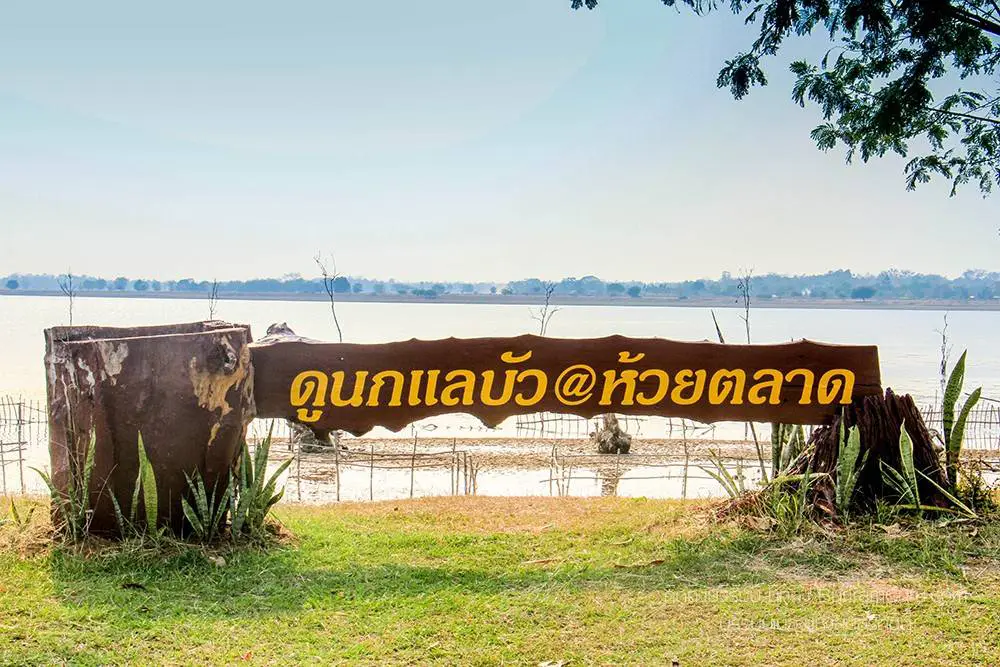
Open Days: Daily
Opening Hours: 09.00 – 18.00
Huai Talat Reservoir And Buriram Bird Park is one of the most important nature and birdwatching destinations near Buriram city. Located in Sakae Sam Subdistrict and the surrounding area of Mueang Buriram District, the site was designated as a non-hunting area in 1992. It is especially known for its wetland habitat, large reservoir, bird park, and seasonal gatherings of waterbirds. Each year, more than 100 bird species use the area for feeding, resting, nesting, and migration. The most rewarding season is the dry season from November to April, when large numbers of birds gather around the reservoir, including several rare and remarkable species.
The appeal of Huai Talat Reservoir is not limited to its wide water surface. The destination combines open water, wetland edges, aquatic plants, trees, bird habitats, local recreation areas, and a community-based bird park. It functions as a reservoir, a public leisure space, a nature-learning site, and a protected wildlife area at the same time. Visitors can come here to relax by the water, enjoy the breeze, watch birds returning to their roosts in the evening, take nature photographs, or simply slow down and observe a living wetland close to the city.
The reservoir lies in a lowland area that receives water from the surrounding landscape before connecting to the wider Mun River system. Its water level changes with the seasons. During the rainy season, the reservoir becomes fuller and the surrounding vegetation turns fresh and green. During the dry season, the water level drops and creates shallow zones, muddy edges, and exposed wetland surfaces. These changing conditions are extremely important for birds because they create different feeding and resting habitats throughout the year.
As a non-hunting area, Huai Talat Reservoir plays an important conservation role in Buriram Province. It protects waterbirds, migratory birds, fish, aquatic plants, and the broader wetland ecosystem. This means the site is more than a scenic local reservoir. It is a protected landscape where wildlife and people share the same environment. Visitors should therefore treat the area with care, keeping the place quiet, clean, and safe for birds and other animals.
Bird surveys and tourism information describe Huai Talat Reservoir and Buriram Bird Park as a place where more than 100 bird species can be found each year. The most active period is from November to April, when many birds gather in the area during the dry season. Notable species include the comb duck, cotton pygmy goose, and painted stork, along with egrets, waterbirds, shorebirds, and many migratory species. For travelers who enjoy wildlife, this makes Huai Talat one of the most accessible birdwatching sites in Buriram.
The most spectacular time to visit is the evening, especially around 17.00–18.00. During this period, huge flocks of white egrets return to their roosting trees. The sight of thousands of white birds flying across the sky and gathering over the wetland is one of the most memorable natural scenes in the province. The golden evening light, open water, and moving flocks create excellent conditions for both observation and photography.
Buriram Bird Park, located within the area associated with the residence of Khun Sawat Kochaseni, adds another layer to the destination. It helps visitors engage with the birdlife of the area in a more accessible way while still remaining connected to the wider reservoir ecosystem. For children, families, and first-time birdwatchers, the bird park makes it easier to understand why birds need water, trees, quiet roosting areas, and protected habitat.
The comb duck is one of the special birds associated with Huai Talat Reservoir. It is a large and distinctive waterbird that is not easy to see in many places. The cotton pygmy goose and painted stork are also significant because they are attractive, memorable species connected with healthy wetland environments. Their presence helps show the value of the reservoir as a bird habitat. Visitors should use binoculars or telephoto lenses rather than approaching birds too closely.
The wetland ecosystem also supports many other forms of life. The reservoir has fish, aquatic plants, shoreline vegetation, and trees that provide food, shelter, nesting sites, and shade. Lotus, reeds, floating plants, submerged vegetation, and trees around the water all contribute to the habitat structure. This makes Huai Talat Reservoir a true wetland system rather than just a body of water. The health of the birds depends on the health of the entire ecosystem.
For ordinary travelers, the reservoir is an easy and pleasant nature stop. The atmosphere is open, breezy, and calm. Visitors can walk along the reservoir edge, take landscape photographs, rest near the water, and wait for the evening bird movement. Families can bring children to observe nature without needing to hike or travel deep into a forest. The site is especially suitable for travelers who want a quiet natural experience close to Buriram city.
The location is also useful for travelers moving between Buriram city and the Prakhon Chai route. It can be visited as a short evening stop or combined with other nearby attractions. The reservoir offers a slower, more natural contrast to Buriram’s better-known sports and cultural landmarks such as Khao Kradong Volcano Forest Park, Chang Arena, Buriram Castle, and Chang International Circuit.
Huai Talat Reservoir is also valuable as a nature-learning site. Visitors can observe different bird behaviors: birds flying over the water, birds resting in trees, birds feeding along shallow edges, and large flocks returning to roost at sunset. Watching birds in a real habitat helps travelers understand wetlands more clearly than reading about them. It shows how water level, vegetation, food sources, and safety all affect wildlife.
The reservoir is also a local recreation space. Residents of Buriram use the area for walking, relaxing, photography, exercise, and family outings. This local atmosphere makes the destination feel authentic and unpretentious. It is not a heavily commercialized attraction but a public natural space where community life and wildlife conservation meet. Visitors who enjoy seeing how local people use a place will appreciate the quiet rhythm of the reservoir in the late afternoon.
A vehicle service for touring around the area is available, making the visit easier for families, elderly visitors, or groups who want to see the broader reservoir and bird park area without walking long distances. This service helps visitors understand the layout of the site, including the water body, birdwatching areas, trees, resting areas, and community recreation zones. Visitors should check the service details on arrival because operating conditions can vary by day.
Birdwatching at Huai Talat Reservoir should be done carefully. The area is a protected non-hunting zone, and many birds use it for resting and nesting. Visitors should avoid loud noise, feeding birds, approaching nests, flying drones without permission, or entering sensitive habitat zones. The best way to observe birds is to stay at a respectful distance and use binoculars or a zoom lens. Responsible behavior allows birds to continue using the area safely.
The dry season from November to April is the recommended period for those who want to see the greatest bird activity. During this time, birds gather in larger numbers, and the evening roosting scene is especially impressive. The rainy season has a different beauty, with fuller water levels and greener surroundings. Travelers who focus on birdwatching should prioritize the dry season, while those who prefer scenery and quiet relaxation can visit throughout the year.
For photography, the evening is the strongest time. Warm light, open sky, water reflections, and bird movement create a dramatic natural scene. Wide-angle shots can capture the whole reservoir atmosphere, while telephoto lenses are useful for bird images. Photographers should avoid flash near birds and should never intentionally disturb flocks to create movement. The best images come from patience and respect for wildlife.
Getting There from Buriram city is straightforward. Travel along the Buriram–Prakhon Chai route or Highway 2445 toward Sakae Sam Subdistrict. The distance is approximately 11–12 km from the city. Private car, rental car, motorcycle, or hired local transport are the most convenient options. Travelers who want to see the evening bird movement should arrive before 17.00 to choose a good viewing point before the flocks begin returning to their roosts.
A practical half-day trip can begin with Khao Kradong Volcano Forest Park in the morning, where travelers can visit the volcanic crater and pay respect to Phra Suphattharabophit. After lunch in Buriram city or along the main road, continue to Huai Talat Reservoir in the late afternoon for birdwatching. This route combines volcanic landscape, Buddhist culture, wetland habitat, and local nature in one easy itinerary.
Travelers who are serious about nature should allow at least 2–3 hours for walking, birdwatching, photography, and resting by the water. Those who come only for the evening egret flight should still allow at least 1 hour and arrive early. Useful items include drinking water, a hat, mosquito repellent, binoculars, a camera, and comfortable shoes. Since the site is near water, insects may be present at certain times of day.
Visitors should help keep the area clean and peaceful. Littering, feeding birds, disturbing nests, catching wildlife, and making loud noise should be avoided. If signs or officers give instructions, visitors should follow them carefully. This is important because Huai Talat Reservoir is both a visitor destination and a wildlife refuge. Responsible tourism helps ensure that birds continue to return to the area year after year.
Huai Talat Reservoir And Buriram Bird Park is therefore a highly worthwhile destination for travelers who want to experience Buriram through nature and wildlife. It offers wide water views, wetland habitat, more than 100 bird species, evening flights of white egrets, a community bird park, and easy access from the city. Although it is close to urban Buriram, the experience feels calm, natural, and memorable. For visitors who want to see another side of the province beyond temples, sports, and ancient monuments, Huai Talat is an excellent place to include in the itinerary.
| Name | Huai Talat Reservoir And Buriram Bird Park |
| Location | Sakae Sam Subdistrict And Nearby Samet Subdistrict Area, Mueang Buriram District, Buriram Province |
| Address | Huai Talat Reservoir Non-Hunting Area, Mueang Buriram District, Buriram 31000, Thailand |
| Coordinates | Approximately 14.8667, 103.0830 |
| Highlights | Birdwatching Near Buriram City, Evening Egret Flocks, More Than 100 Bird Species, Buriram Bird Park, Wetland Habitat, And Lakeside Recreation |
| History / Importance | Designated As A Non-Hunting Area In 1992, The Site Protects Waterbirds, Migratory Birds, Fish, Aquatic Plants, And The Wetland Ecosystem Of Buriram Province |
| Landscape Character | A Reservoir And Lowland Wetland With Open Water, Shallow Edges, Aquatic Vegetation, Shoreline Trees, And Bird Roosting Areas |
| Best Birdwatching Season | November–April, With The Best Evening Viewing Time Around 17.00–18.00 When White Egrets Return To Roost |
| Bird Species | Comb Duck, Cotton Pygmy Goose, Painted Stork, Egrets, Waterbirds, Shorebirds, And More Than 100 Resident And Migratory Bird Species Each Year |
| Recommended Activities | Birdwatching, Nature Photography, Evening Egret Viewing, Lakeside Walking, Family Relaxation, Wetland Learning, And Touring The Area By Vehicle Service |
| Travel Information | From Buriram City, Use The Buriram–Prakhon Chai Route Or Highway 2445 Toward Sakae Sam Subdistrict. The Distance Is Approximately 11–12 km From The City |
| Current Status | Open To Visitors As A Non-Hunting Area, Birdwatching Site, Recreation Area, And Nature-Learning Destination Near Buriram City |
| Open Days | Daily |
| Opening Hours | 09.00 – 18.00 |
| Fees | Free Admission |
| Facilities | Lakeside Rest Areas, Viewpoints, Birdwatching Areas, Buriram Bird Park, Area-Tour Vehicle Service, Parking, Welfare Shop, And Sitting Areas |
| Main Areas / Zones | Reservoir Surface, Wetland Zone, Aquatic Plant Zone, Evening Birdwatching Point, Buriram Bird Park, Khun Sawat Kochaseni Area, Vehicle-Tour Route, Welfare Shop, And Lakeside Recreation Area |
| Caretaker | Huai Talat Reservoir Non-Hunting Area, Department Of National Parks, Wildlife And Plant Conservation, Under Protected Area Regional Office 7 (Nakhon Ratchasima) |
| Main Contact Number | 088-703-9364 |
| Visitor Guidelines | Do Not Hunt, Disturb Birds, Feed Birds, Litter, Or Approach Nests. Observe Wildlife From A Respectful Distance And Follow Officer Instructions |
| Nearby Tourist Attractions | 1. Khao Kradong Volcano Forest Park, About 8 km, Tel. 044-637-349 2. Phra Suphattharabophit, About 9 km 3. Chang Arena, About 12 km, Tel. 044-666-445, 098-103-8888 4. Buriram Castle, About 12 km 5. Chang International Circuit, About 13 km, Tel. 044-604-200 6. Wat Pa Khao Noi, About 15 km 7. Rom Buri Park, About 12 km |
| Nearby Restaurants | 1. Idea Moo Kratha, About 7 km, Tel. 093-536-4463, 082-123-3346 2. Pa Yim Duck Noodles, Buriram–Prakhon Chai Road, About 7 km, Tel. 083-777-9225 3. MehaiMena, About 8 km, Tel. 083-038-6219, 063-952-6195 4. Phakha Restaurant By Ratree Resort, About 8 km, Tel. 064-158-8222, 081-877-2644 5. Khrua Phu Kong Add, About 9 km, Tel. 084-383-8416 6. The Library Cafe Buriram, About 12 km, Tel. 098-103-5331 |
| Nearby Accommodations | 1. T-Rex Buriram Boutique Hotel, About 7 km, Tel. 081-821-8882 2. Fortune Hotel Buriram, About 11 km, Tel. 044-163-800 To 805 3. Ruentara Resort & Villa Buriram, About 11 km, Tel. 044-666-930, 094-265-7918 4. The Crystal Hotel Buriram, About 12 km, Tel. 044-634-678 5. Cresco Hotel Buriram, About 12 km, Tel. 044-634-901 6. Amari Buriram United, About 13 km, Tel. 044-111-444 |
Frequently Asked Questions (FAQ)
Q: Where is Huai Talat Reservoir And Buriram Bird Park located?
A: It is located in Sakae Sam Subdistrict and the nearby Samet Subdistrict area of Mueang Buriram District, Buriram Province, about 11–12 km from Buriram city.
Q: What kind of travel is Huai Talat Reservoir suitable for?
A: It is suitable for birdwatching, nature photography, lakeside relaxation, family visits, wetland learning, and watching evening flocks of egrets return to roost.
Q: When is the best time for birdwatching at Huai Talat Reservoir?
A: The best season is from November to April. The best daily viewing time is around 17.00–18.00, when large flocks of white egrets return to their roosts.
Q: What birds can be seen at Huai Talat Reservoir?
A: Notable birds include the comb duck, cotton pygmy goose, painted stork, egrets, waterbirds, shorebirds, and more than 100 resident and migratory bird species each year.
Q: Is there an admission fee for Huai Talat Reservoir?
A: No. Admission is free for visitors who want to walk, relax, photograph, and watch birds in the open areas.
Q: Is there a vehicle service for touring the area?
A: Yes. A vehicle service is available for touring around the area, making the visit easier for families, elderly visitors, and groups.
Q: What should visitors bring for birdwatching?
A: Visitors should bring binoculars, a camera, drinking water, a hat, mosquito repellent, and comfortable shoes for walking and observing wildlife responsibly.
Q: What should visitors avoid doing at Huai Talat Reservoir?
A: Visitors should avoid feeding birds, approaching nests, littering, making loud noise, disturbing wildlife, or using drones without permission.
Tel : 044605169
 Tel : 044605169
 Category: ●Nature and Wildlife
 Group: ●Dam, Reservoir, Lake
Last Update : 3 MonthAgo
 Last Update : 3 MonthAgo
 Click to Access the Navigation Map GPS
Huai Talat Reservoir Map
Recommend

 Art, Culture and Heritage
 Historical Sites and Monuments(14)
 Landmarks and Memorials(2)
 Art, Craft Centres, Tradition(6)
 Museums(3)
 Educational Places
 Museum for Study(1)
 Places of Worship
 Temple(74)
 Other Sacred Sites(5)
 Suburban Living
 Village, Community(3)
 National Parks and Marine Reserves(2)
 Mountain (Doi)(1)
Dam, Reservoir, Lake(14)
Mountain (Doi)(1)
Dam, Reservoir, Lake(14)
 River, Canal(1)
 Bays and Beaches(1)
 Other natural attractions(2)
 Entertainment and Agricultural
 Animal camps and shows(1)
 Stadium(2)
 Farms, Parks and Ecotourism(2)
 Waterpark(1)


