
lovethailand home >Central Travel Attractions >Saraburi Travel Attractions >Sao Hai >Ton Tan > Wat Khao Kaeo Worawihan
TL;DR: Wat Khao Kaeo Worawihan is located at Ton Tan Subdistrict, Sao Hai District, Saraburi, open Daily, hours 08:30 - 16:30.
Wat Khao Kaeo Worawihan
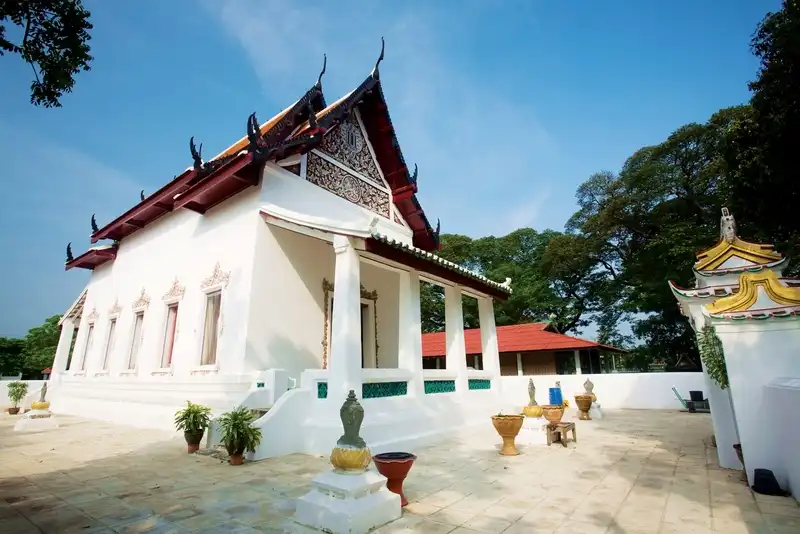
Open Days: Daily
Opening Hours: 08:30 - 16:30
Wat Khao Kaeo Worawihan is a third-class royal monastery of the Maha Nikaya order located in Ton Tan Subdistrict, Sao Hai District, Saraburi Province. It is one of the most visually distinctive temples in the area, known for its brilliant white chedi standing on a hill above the Pa Sak River. The temple combines old Ayutthaya roots, royal restoration, elegant sacred architecture, and a serene natural setting, making it a rewarding destination for both worship and cultural travel in Saraburi.
The temple began as a local monastery founded in 1628 during the reign of King Songtham. Later, during the reign of King Mongkut, the king traveled to pay respects at Phra Phutthabat in Saraburi and intended to continue to Phra Phutthachai. On that journey, he stopped at Wat Khao Kaeo and saw that the site had an especially suitable landscape: a small hill surrounded by beautiful natural scenery, calm and appropriate for monastic practice. Because of this, he ordered Chao Phraya Nikornbodin, or To Kanlayanamit, to supervise a major restoration project.
The restoration brought materials and structural elements from Bangkok to improve the temple. The old ubosot was enlarged, a new surrounding wall was built, monks’ quarters were added on the northern side of the chedi, and the principal chedi itself was restored. King Mongkut then elevated the temple to royal monastery status and granted it the name Wat Khiriratthanaram. Later, Prince Vajirananavarorasa considered that name to be in Pali and replaced it with the Thai name “Wat Khao Kaeo,” which remains in use today.
The most striking feature of the temple is its large white chedi rising above the hill. Its five-spired Thai form makes it highly recognizable and gives the temple a memorable skyline. In earlier times, the front area of the temple also served as the site of a royal pavilion used by King Mongkut during his provincial journeys, adding another historical layer to the location.
The stairway leading upward is one of the temple’s most appealing visual features. It is formed as a naga staircase with the serpent heads turned back, while the railings take the shape of naga bodies decorated with colored glass. Above the gateway stands a lion figure, and the guardian figures are dressed in Western-style military uniforms. These details give the entrance a unique personality and reflect the blend of Thai, Chinese, and broader nineteenth-century influences visible throughout the temple.
The main chedi is a yomu mum mai sip song form, about 34 meters high, with a lotus-form upper section. Around the body of the chedi are niches containing stone Buddha images in different postures. In the past, these images included black, white, and green tones; today most have been repainted in gold, with only one black figure remaining as a reminder of the earlier appearance. Four subsidiary chedis stand around the main structure, completing the sacred composition on the hill.
Between the principal chedi and the bell tower stands a small five-spired prang-style chedi. Inside it are a replica Buddha’s footprint and crowned Buddha images. On the eastern side is a Pa Lelai posture Buddha image, while the western side enshrines a Ham Yat image. This means that walking around the chedi area is not only an architectural experience, but also a devotional route through several important sacred points within the same temple grounds.
The ubosot, according to official temple records, was consecrated on April 3, 1769. It is a traditional Thai brick-and-plaster structure with a double-tiered roof and projecting porches at both the front and rear. The front and rear porches are open, paved with old brick, while the interior floor is covered in marble. The ritual boundary area measures 14 by 23 meters and is enclosed by a crystal boundary wall, giving the ubosot a clear and dignified presence on the temple grounds.
What makes Wat Khao Kaeo Worawihan especially attractive is that it offers more than architectural age or a beautiful chedi. Once visitors reach the upper terrace, they are met with an open view of the surrounding landscape and a quiet atmosphere well suited to reflection. It is an excellent place for visitors who enjoy older temples, peaceful scenery, and photography in a setting that still feels spiritually alive.
As a travel destination, the temple works especially well for people looking for a cultural stop in Saraburi that includes history, scenic views, religious significance, and elegant design in one place. The white chedi on the hill, the naga stairway, and the layered chedi complex together create an experience that feels both historic and visually impressive.
Travel Information From Saraburi town, head toward Sao Hai District and continue into Ton Tan Subdistrict. The temple stands at 1 Moo 1 beside the Pa Sak River and is about 6 kilometers from the Sao Hai District Office. The easiest way to visit is by private car. It fits well into the same itinerary as Wat Sao Hai Chonnaphan, Wat Chanthaburi, Wat Samuha Pradittharam, Wat Phayao, and Ban Ton Tan Ancient Floating Market.
If you want to continue exploring after visiting the temple, the Sao Hai area also offers cafés, local restaurants, and a selection of accommodations nearby. This makes Wat Khao Kaeo Worawihan suitable for both a short day trip and a broader heritage route through Saraburi.
| Name | Wat Khao Kaeo Worawihan |
| Location | Ton Tan Subdistrict, Sao Hai District, Saraburi |
| Address | 1 Moo 1, Ton Tan, Sao Hai, Saraburi 18160 |
| Highlights | Large white five-spired chedi on a hill, naga staircase with colored glass, small five-spired prang chedi, replica Buddha’s footprint, stone Buddha images around the main chedi |
| History | Originally founded in 1628 during the reign of King Songtham, later extensively restored under King Mongkut and elevated to royal monastery status |
| Distinctive Features | A 34-meter yomu mum mai sip song chedi containing relics, subsidiary chedis in four directions, and a historic Thai ubosot with double-tiered roof |
| Travel Information | About 6 km from the Sao Hai District Office, best reached by private car from Saraburi town |
| Current Status | Open to visitors and worshippers as usual |
| Open Days | Daily |
| Opening Hours | 08:30 - 16:30 |
| Facilities | Parking area, worship space, chedi access stairway, restrooms |
| Main Areas / Zones | Main chedi, subsidiary chedis, small five-spired prang chedi, replica Buddha’s footprint, ubosot, bell tower |
| Abbot / Caretaker | Phra Wisutthisophon (Prayot Sukhumalo, Pali Grade 7) |
| Main Contact Number | 036-332-863 |
| Official Website / Official Page | Wat Khao Kaeo Worawihan Royal Temple Facebook page |
| Nearby Tourist Attractions | 1. Wat Samuha Pradittharam - 9 km 2. Wat Chanthaburi - 9 km 3. Wat Sao Hai Chonnaphan - 8 km 4. Wat Phayao - 7 km 5. Ban Ton Tan Ancient Floating Market - 6 km |
| Nearby Restaurants | 1. Tom Khwae Pasak Saraburi Restaurant - 5 km 2. Pak Mor Pa Tha - 8 km - Tel. 092-825-2595 3. Baan Suan Phu Thong Restaurant - 8 km - Tel. 095-561-9282 4. Kuaitiao Yai Rak - 10 km - Tel. 061-417-1426, 061-565-9509 5. LaoVien Cafe & Eatery - 11 km - Tel. 088-664-6926 |
| Nearby Accommodations | 1. Saraburi Garden Resort - 5 km 2. River Residence Saraburi - 5 km 3. I Oon Resort Saraburi - 7 km 4. HOP INN Saraburi - 10 km - Tel. 083-996-5783 5. Maai Horm Boutique Resort - 18 km - Tel. 097-999-5890 |
Frequently Asked Questions (FAQ)
Q: Where is Wat Khao Kaeo Worawihan located?
A: It is located in Ton Tan Subdistrict, Sao Hai District, Saraburi Province, not far from the Sao Hai District Office.
Q: What is the main highlight of Wat Khao Kaeo Worawihan?
A: The temple’s main highlight is its striking white five-spired chedi on the hill, along with the naga staircase and the smaller five-spired prang chedi.
Q: What time is the temple open?
A: The temple is open daily from 08:30 to 16:30.
Q: When was the temple founded?
A: It was originally founded in 1628 during the reign of King Songtham and later restored extensively during the reign of King Mongkut.
Q: What can visitors see inside the temple grounds?
A: Visitors can see the main chedi, subsidiary chedis, the small five-spired prang chedi, a replica Buddha’s footprint, and the historic ubosot.
Q: What can I visit after Wat Khao Kaeo Worawihan?
A: Nearby options include Wat Samuha Pradittharam, Wat Chanthaburi, Wat Sao Hai Chonnaphan, Wat Phayao, and Ban Ton Tan Ancient Floating Market.
Q: Are there restaurants and accommodations nearby?
A: Yes. The surrounding Sao Hai and Saraburi area has local restaurants and accommodations, including Tom Khwae Pasak Saraburi Restaurant, Pak Mor Pa Tha, Saraburi Garden Resort, and HOP INN Saraburi.
 Category: ●Places of Worship
 Group: ●Temple
Last Update : 7 MonthAgo
 Last Update : 7 MonthAgo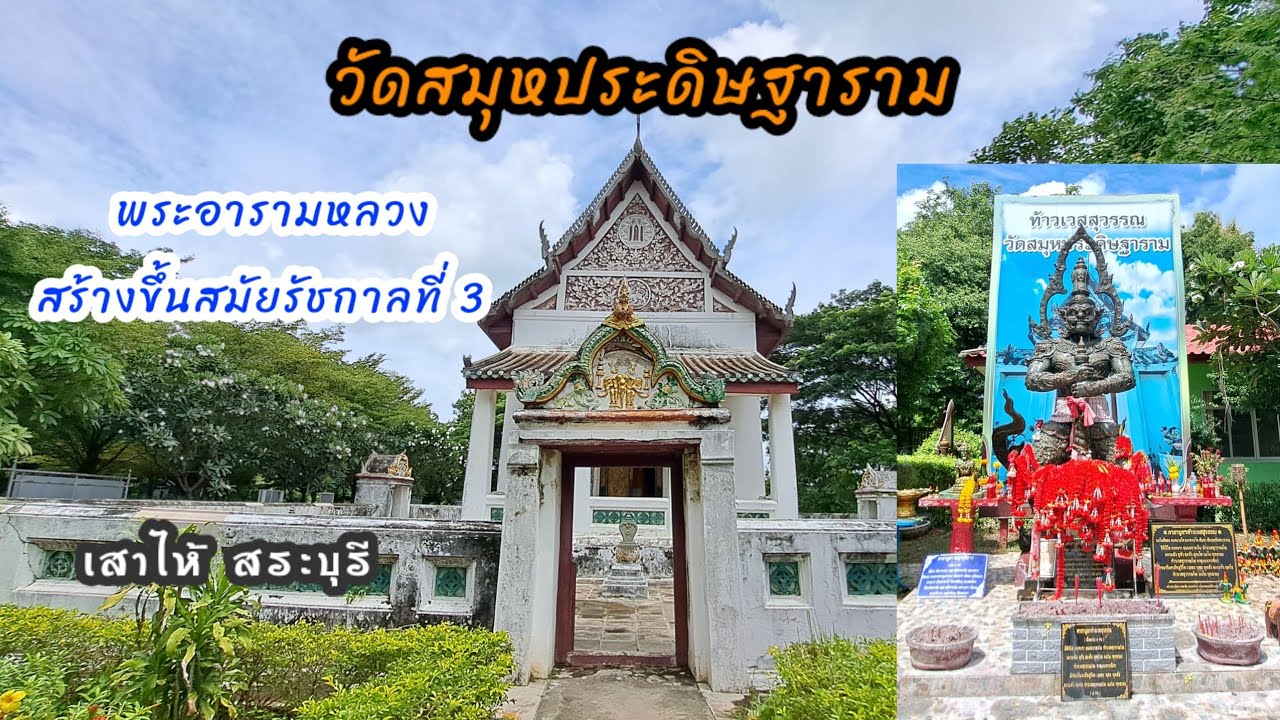
 Click to Access the Navigation Map GPS
Wat Khao Kaeo Worawihan Map
Recommend

 Art, Culture and Heritage
 Historical Sites and Monuments(2)
 Landmarks and Memorials(2)
 Royal Palace(4)
 Art, Craft Centres, Tradition(4)
 Museums(1)
 Educational Places
 Museum for Study(1)
 Educational Gardens, Farm(2)
Temple(8)
Educational Gardens, Farm(2)
Temple(8)
 Other Sacred Sites(6)
 Research and Development
 Royal Project(1)
 Suburban Living
 Village, Community(3)
 Nature and Wildlife
 National Parks and Marine Reserves(3)
 Mountain (Doi)(3)
 Waterfalls(5)
 Caves(6)
 Flower Field(1)
 River, Canal(1)
 Bays and Beaches(1)
 Other natural attractions(2)
 Entertainment and Agricultural
 Zoos and Aquariums(1)
 Animal camps and shows(1)
 Farms, Parks and Ecotourism(8)
 Outdoor and Adventure Activities(1)
 Travel Articles, Recipes
 Travel Review, Food Review(1)


