
lovethailand home >North Travel Attractions >Lampang Travel Attractions >Mueang Lampang >Wiang Nuea > Fon Phi Pu Ya Tradition
TL;DR: Fon Phi Pu Ya Tradition, open Held According to Clan and Community Ritual Schedules, hours Usually Conducted During Daytime Until Evening.
Fon Phi Pu Ya Tradition
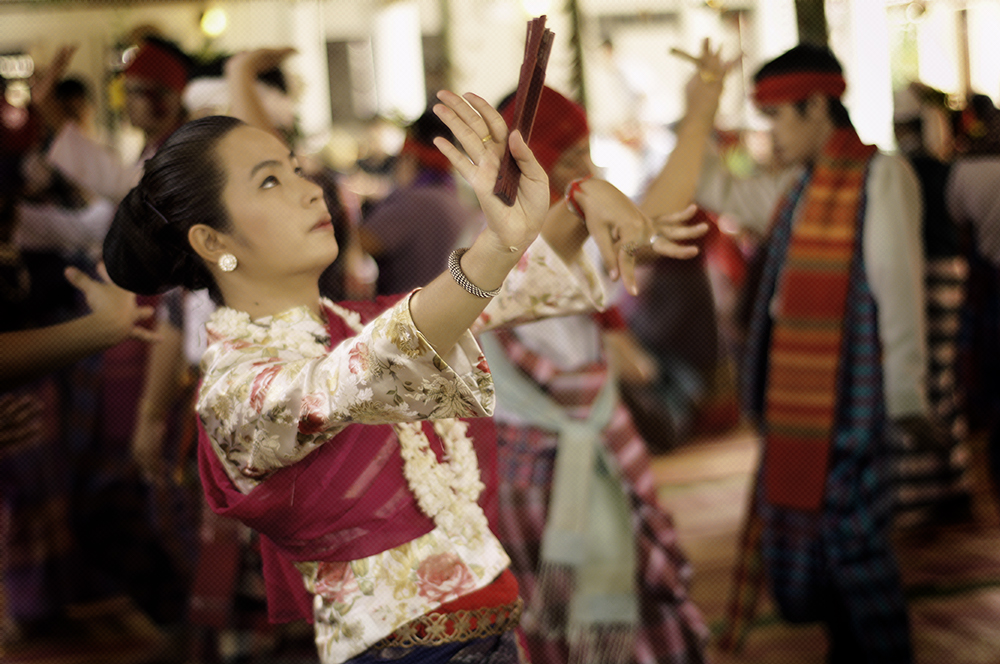
Open Days: Held According to Clan and Community Ritual Schedules
Opening Hours: Usually Conducted During Daytime Until Evening
Fon Phi Pu Ya Tradition is one of the most distinctive ancestral spirit rituals of northern Thailand and is especially important in Lampang Province. This traditional Lanna ceremony reflects ancient beliefs concerning ancestral spirits, family lineage, spiritual protection, and the close relationship between descendants and their ancestors. Although northern Thai society has modernized significantly, the Fon Phi Pu Ya tradition continues to survive in several Lampang communities and remains one of the province’s most valuable cultural heritages.
The phrase “Fon Phi Pu Ya” refers to ritual dancing performed to honor ancestral spirits. “Fon” means traditional dancing, while “Phi Pu Ya” refers to ancestral spirits believed to protect descendants and maintain the well-being of the family line. The ceremony combines spirit worship, music, dancing, trance rituals, and family gatherings into a single cultural practice deeply rooted in pre-Buddhist beliefs that existed before Buddhism spread throughout northern Thailand.
The ceremony is traditionally held between the northern lunar fifth month, approximately corresponding to February, and the beginning of the rainy season. This period is considered important in agricultural communities because it marks seasonal transition and preparation for farming activities. The ritual therefore carries both spiritual and social significance within northern Thai communities.
Although historians cannot determine the exact origin of the tradition, many scholars believe that Fon Phi Pu Ya developed from indigenous spiritual beliefs that existed in the Lanna region before Buddhism became dominant. When Buddhism later spread throughout northern Thailand, ancestral spirit worship did not disappear. Instead, it blended with Buddhist traditions and became integrated into local community life.
One of the most unique aspects of the tradition is the classification of ancestral spirits into two primary groups known as “Phi Mod” and “Phi Meng.” Different family lineages traditionally worship one of these spirit groups. When marriages occur between families with different ancestral spirit traditions, the beliefs may combine into a new form called “Phi Mod Son Meng,” demonstrating how Lanna cultural practices adapt and evolve over generations.
Local communities believe ancestral spirits continue protecting descendants, watching over family health, prosperity, and harmony. Families that properly maintain ritual obligations and respect traditional practices are believed to receive spiritual protection and blessings from their ancestors. Neglecting rituals or violating ceremonial rules may, according to traditional belief, result in misfortune or family problems.
The central figure within the ceremony is the “Ma Khee” or spirit medium. This individual serves as the physical vessel through which ancestral spirits temporarily communicate during the ritual. Spirit mediums are often women over twenty years of age who are recognized within the family as spiritually suitable for trance possession. During the ceremony, the medium enters a trance state and performs ritual dancing believed to be guided by ancestral spirits.
Another important role belongs to the “Khwan,” or ritual attendants. These individuals assist the spirit medium by preparing ceremonial clothing, ritual objects, offerings, and spirit-related items. They also help manage the overall organization of the ceremony and ensure that traditional practices are correctly followed throughout the event.
The ceremony also includes a social structure known as “Kamlang,” referring to the labor and resources contributed by family members. Male relatives often assist with constructing ritual spaces, carrying ceremonial items, preparing food, gathering water, and organizing practical aspects of the event. This demonstrates that Fon Phi Pu Ya is not only a spiritual ritual but also a collective family activity requiring cooperation from the entire clan.
Besides the primary ancestral spirits of the hosting family, ceremonies may also include invited spirits connected to neighboring families or related lineages. These invited spirits are welcomed into the ritual through ceremonial invitations, reflecting spiritual relationships between families and communities.
Music plays an essential role in the Fon Phi Pu Ya ceremony because participants believe that proper musical rhythms and melodies are necessary for successful spirit possession. In earlier times, simple local instruments such as drums and flutes were commonly used. Later, more elaborate “Piphat” ensembles became incorporated into the ritual, adding complexity and ceremonial grandeur.
The ritual music itself is highly distinctive because it combines influences from Mon, Burmese, Lanna, Thai, Lao, Khmer, and Javanese musical traditions. Certain musical passages are slow and solemn to accompany spirit invitations, while others become energetic and rhythmic during ritual dancing. The resulting sound creates a unique ceremonial atmosphere not found in ordinary performances.
According to traditional belief, incorrect music can prevent spirits from entering the medium or participating in the dance. For this reason, musicians performing during the ceremony must possess specialized knowledge regarding ritual melodies, rhythms, and ceremonial procedures. Many families preserve this musical knowledge through oral transmission from one generation to the next.
The atmosphere during Fon Phi Pu Ya ceremonies is both sacred and lively. Ritual spaces are decorated with offerings, flowers, incense, candles, food, and ceremonial objects. Once the music begins, spirit mediums start dancing and gradually enter trance states believed to indicate the arrival of ancestral spirits. Different spirits may display distinct personalities and dancing styles through the medium’s movements.
For local communities, the ceremony serves not only spiritual purposes but also social functions. Family members who live far away often return home specifically to participate in the ritual, strengthening family relationships and cultural continuity. Younger generations learn traditional roles, ritual etiquette, and family history by observing and participating alongside elders.
Strict ceremonial rules remain extremely important within the tradition. Ritual procedures, musical arrangements, clothing, offerings, and behavior must follow inherited customs precisely. Communities believe deviations from traditional practice may offend ancestral spirits or render the ceremony spiritually incomplete. This strict preservation of ritual form has helped maintain the authenticity of the tradition despite social change.
Although outsiders may interpret the ritual as mysterious or supernatural, local participants view Fon Phi Pu Ya primarily as a form of respect toward ancestors and a symbol of family unity. Preparing ceremonies together, helping relatives, and preserving ancestral customs strengthen social bonds and reinforce cultural identity within Lanna communities.
Getting There depends on the specific community hosting the ceremony. Fon Phi Pu Ya rituals can still be found in several traditional communities throughout Lampang Province, particularly in areas where Lanna cultural traditions remain strong. Visitors interested in observing the ceremony should contact local community leaders or the Lampang Provincial Cultural Office in advance because ceremonies are organized according to clan schedules rather than fixed public calendars.
The Fon Phi Pu Ya tradition therefore represents much more than a spirit ritual. It preserves ancestral belief systems, traditional music, family cooperation, and the cultural identity of the Lanna people. Through continued practice, the tradition demonstrates how local communities maintain their spiritual heritage and cultural memory within the rapidly changing modern world.
| Tradition Name | Fon Phi Pu Ya Tradition |
| Category | Lanna Ancestral Spirit Worship Ritual |
| Region | Northern Thailand |
| Main Province | Lampang |
| Ceremony Period | From the northern lunar fifth month (around February) until the beginning of the rainy season |
| Main Characteristics | Spirit dancing, trance rituals, ancestral worship, and ceremonial music |
| Main Spirit Types | Phi Mod, Phi Meng, and Phi Mod Son Meng |
| Important Ritual Roles | Spirit Medium (Ma Khee), Ritual Attendants (Khwan), Family Labor Groups, and Invited Spirits |
| Music Used | Traditional Piphat ensembles influenced by Mon, Burmese, Lanna, Thai, Lao, Khmer, and Javanese styles |
| Cultural Importance | Represents ancestral respect, family unity, spiritual beliefs, and preservation of Lanna heritage |
| Tradition Caretakers | Clan leaders, Lanna communities, and Lampang Provincial Cultural Office |
| Main Restrictions | Music and ceremonial procedures must strictly follow inherited traditional patterns |
| Travel Information | Visitors should contact local communities or Lampang cultural authorities in advance for ceremony schedules |
| Nearby Tourist Attractions | 1. Kad Kong Ta Lampang 2. Wat Phra That Lampang Luang 3. Wat Sri Rong Mueang 4. Dhanabadee Ceramic Museum 5. Ratsadaphisek Bridge |
| Nearby Restaurants | 1. Krua Nuea Hom Lampang, Tel. 054-019899 2. Baan Phraya Suren by Madame Musur, Tel. 054-314899 3. Wiang Lakon Restaurant, Tel. 054-222111 4. Long Jim New York Pizza, Tel. 095-4465959 5. Tik Jaew Hon Lampang, Tel. 054-223799 |
| Nearby Accommodations | 1. Lampang River Lodge, Tel. 054-209999 2. The Coconut Hotel, Tel. 054-821999 3. Regent Lodge Lampang, Tel. 054-323111 4. Hop Inn Lampang City Center, Tel. 052-081777 5. Wiang Thong Hotel Lampang, Tel. 054-218561 |
Frequently Asked Questions (FAQ)
Q: What is the Fon Phi Pu Ya tradition?
A: It is a Lanna ancestral spirit worship ceremony involving ritual dancing, trance rituals, and traditional music.
Q: When is the ceremony usually held?
A: The ceremony is generally held from around February until the beginning of the rainy season.
Q: What are Phi Mod and Phi Meng?
A: They are different categories of ancestral spirits worshipped by various Lanna family lineages.
Q: Who is the “Ma Khee” in the ceremony?
A: The “Ma Khee” is the spirit medium who becomes possessed by ancestral spirits during the ritual.
Q: Why is music important in the ritual?
A: Proper ceremonial music is believed necessary for successful spirit possession and ritual completion.
Q: Can tourists observe the ceremony?
A: Yes. Visitors may observe respectfully while following community customs and ritual rules.
Q: Is the tradition still practiced today?
A: Yes. The tradition continues in several Lampang communities that preserve traditional Lanna culture.
 Category: ●Art, Culture and Heritage
 Group: ●Art, Craft Centres, Tradition
Last Update : 4 MonthAgo
 Last Update : 4 MonthAgo
Recommend

 Historical Sites and Monuments(2)
 Landmarks and Memorials(5)
Art, Craft Centres, Tradition(10)
Landmarks and Memorials(5)
Art, Craft Centres, Tradition(10)
 Museums(4)
 Historic Homes and Cities(1)
 Places of Worship
 Temple(86)
 Other Sacred Sites(9)
 Research and Development
 Royal Project(2)
 Suburban Living
 Village, Community(3)
 Local Market(2)
 Nature and Wildlife
 National Parks and Marine Reserves(5)
 Mountain (Doi)(4)
 Dam, Reservoir, Lake(11)
 Waterfalls(15)
 Hot Springs(1)
 Caves(12)
 Flower Field(1)
 River, Canal(1)
 Bays and Beaches(1)
 Other natural attractions(4)
 Entertainment and Agricultural
 Animal camps and shows(1)
 Farms, Parks and Ecotourism(2)
 Outdoor and Adventure Activities(2)
 Shopping
 Shopping and Night Market(2)
 Spas and Wellness
 Spas and Wellness(1)


