
lovethailand home >North Travel Attractions >Phitsanulok Travel Attractions >Bang Krathum >Wat Ta Yom > Wat Ta Yom
TL;DR: Wat Ta Yom is located at Wat Ta Yom Subdistrict, Bang Krathum District, Phitsanulok Province, open Daily, hours 08.00 – 17.00.

Wat Ta Yom
Open Days: Daily
Opening Hours: 08.00 – 17.00
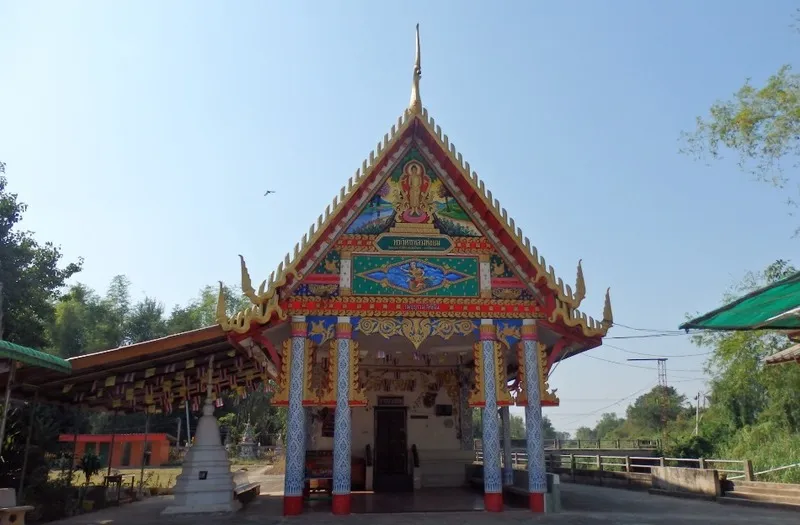
Wat Ta Yom is located in Wat Ta Yom Subdistrict, Bang Krathum District, Phitsanulok Province. It is an old Buddhist temple and an important spiritual center for the local community. The temple is closely connected with the ancient settlement of Ban Wat Ta Yom and the historic Khlong Lakhon waterway, making it valuable not only as a place of worship but also as a cultural and archaeological learning site. The temple enshrines Luang Pho Yom, a highly revered Buddha image respected by villagers and devotees in Phitsanulok. For travelers interested in Buddhist faith, local history, ancient communities, and cultural landscapes, Wat Ta Yom offers a meaningful look at the deep relationship between religion, settlement, waterways, and local memory.
Local tradition says that the area was once covered with bamboo groves, mixed forest, and tall grass, with only a small number of residents. A wealthy man named Ta Yom later built a large Buddha image for the community. In some local narratives, the image was once called Luang Pho Ngum before later becoming known as Luang Pho Ta Yom or Luang Pho Yom, after the name of its founder and the community itself. Over time, as more people migrated into the area, villagers worked together to build a new vihara to enshrine the sacred image. The name Ban Wat Ta Yom then became closely associated with both the temple and the community.
Luang Pho Yom is the most important sacred image at Wat Ta Yom. Local people regard the image as a spiritual protector of the community and a source of blessings, safety, success, and peace of mind. Devotees come to pay homage, make merit, pray, and take part in annual religious activities. The faith surrounding Luang Pho Yom has been passed down through generations, making the image more than a sacred object. It is also a symbol of community identity, shared memory, and spiritual continuity.
Wat Ta Yom is also important because it is associated with the ancient community of Ban Wat Ta Yom, which developed along Khlong Lakhon. This old waterway once flowed through and around several settlements. In the past, Khlong Lakhon served as a route for travel, a water source for farming, and a foundation of community life. The presence of many old temple sites along the canal suggests that the area was once a large and active settlement with strong Buddhist traditions and an organized cultural landscape.
Traces of the ancient community include old temple sites such as Wat Ta Yom Kao, Wat Ban Laem Phra That, Wat Thung Setthi, Wat Setthi, and Wat Charoen Rat. Several old village names are also associated with the area, including Ban Tao Than, Ban Dong Than, Ban Charoen Rat, Ban Sa Krachai, Ban Thung Setthi, Ban Wat Ta Yom Kao, Ban Rai, and Ban Sa Setthi. These names preserve memories of older settlement patterns around the canal. Although many areas are now sparsely inhabited, the remaining place names and archaeological traces continue to tell the story of a once-flourishing community.
Archaeological evidence found in the Ban Wat Ta Yom area includes remains of ordination halls, chedis, large prangs, fragments of ceramics, Buddha images, and votive tablets. Much of the artistic evidence is associated with the Sukhothai and Ayutthaya periods. These remains show that the area had a long tradition of Buddhist devotion and material culture. Ceramic fragments and sacred objects found around old mounds and ruined temple sites help reveal how people lived, worshipped, and organized their community in earlier centuries.
The significance of Wat Ta Yom therefore lies in the way it combines a living Buddhist temple with a deeper archaeological landscape. Visitors do not come only to pay respect to Luang Pho Yom; they also encounter the memory of an ancient settlement, the story of Khlong Lakhon, old temple ruins, and the historical layers of rural Phitsanulok. This makes Wat Ta Yom especially suitable for travelers interested in local history, Buddhist art, archaeology, and cultural geography.
Khlong Lakhon is central to understanding the history of Wat Ta Yom. When the canal was full of water, it supported agriculture, transportation, and daily life. Communities grew around it, and temples were built as centers of faith and social organization. Over time, as the waterway became shallower and dried out during the dry season, many residents moved away. The decline of water resources affected settlement patterns, leaving behind scattered homes, old temple sites, and archaeological evidence. This relationship between water and community life is one of the most important themes in the history of Ban Wat Ta Yom.
Today, Wat Ta Yom remains an active Buddhist temple with resident monks and ongoing religious activities. Recent temple information identifies the abbot as Phra Athikan Samart Chutintharo, with monks in residence. The abbot and resident monks help maintain the temple, guide devotees, organize merit-making events, and preserve the community’s faith in Luang Pho Yom. The temple has also faced environmental challenges such as flooding from the Wat Ta Yom canal, yet monks, villagers, and local agencies have worked together to protect the vihara and the sacred image.
One of the temple’s important annual activities is the worship and gilding ceremony for Luang Pho Yom. During this event, villagers and devotees gather to make merit, apply gold leaf, pray, and support the temple. Such ceremonies are important because they help preserve religious faith and strengthen community relationships. The gilding of Luang Pho Yom is not simply an individual act of devotion; it is a collective expression of faith that keeps the temple active and meaningful.
For cultural travelers, Wat Ta Yom offers a quiet but deeply layered experience. The temple is not a crowded tourist attraction, but a meaningful place for those who want to understand local Buddhist devotion and the history of ancient communities in Phitsanulok. Visitors can pay respect to Luang Pho Yom, observe the temple atmosphere, learn about the Khlong Lakhon settlement, and reflect on how rivers and canals shaped Thai community life in the past.
Getting There from Phitsanulok city can be done by traveling southeast along the Phitsanulok – Lom Sak route, then turning near Wang Thong District onto the Wang Thong – Khao Sai road and continuing through Ban Nong Bua to Ban Wat Ta Yom. The total distance is about 42 kilometers. Travelers may also approach through Bang Krathum District. A private car or rental car is recommended because it allows visitors to combine Wat Ta Yom with nearby archaeological and cultural sites.
Visitors should dress modestly, speak quietly, and respect sacred areas, especially the vihara of Luang Pho Yom and spaces used for religious activities. Those who explore nearby archaeological traces should not dig, remove, or collect any objects from the area. Even small ceramic fragments and old materials may be valuable evidence for understanding the history of the community. Responsible visiting means paying respect, observing carefully, and helping preserve the cultural landscape for future generations.
Wat Ta Yom is therefore one of the important cultural sites of Phitsanulok Province. Its value comes from multiple layers: the sacred presence of Luang Pho Yom, the living role of the temple, the ancient community of Ban Wat Ta Yom, Khlong Lakhon, and archaeological remains from earlier periods. Visitors who come here can experience Buddhist devotion, local history, and the cultural memory of a community that once flourished along an ancient waterway. For travelers seeking a deeper and more meaningful destination in Phitsanulok, Wat Ta Yom is a place that deserves careful attention.
| Name | Wat Ta Yom |
| Location | Wat Ta Yom Subdistrict, Bang Krathum District, Phitsanulok Province |
| Address | No. 83, Village No. 1, Wat Ta Yom Subdistrict, Bang Krathum District, Phitsanulok 65210, Thailand |
| Ancient Community Coordinates | 16.6052038985, 100.454946699 |
| Type | Public Buddhist temple under the Mahanikaya order and an important ancient community site in Phitsanulok |
| Highlights | Luang Pho Yom, the sacred Buddha image of Wat Ta Yom community; Ban Wat Ta Yom ancient settlement; Khlong Lakhon; old temple sites; and archaeological remains from the Sukhothai to Ayutthaya periods |
| History / Importance | An ancient community with traces of old temples, chedis, prangs, ceramics, Buddha images, and votive tablets, reflecting long-standing Buddhist faith and settlement along Khlong Lakhon |
| Main Sacred Image | Luang Pho Yom, also locally associated with the name Luang Pho Ta Yom, a revered Buddha image of the community |
| Important Waterway | Khlong Lakhon, an ancient waterway that once supported travel, farming, and community life |
| Nearby Archaeological Traces | Wat Ta Yom Kao, Wat Ban Laem Phra That, Wat Thung Setthi, Wat Setthi, Wat Charoen Rat, and old village traces along Khlong Lakhon |
| Related Traditions | Annual worship and gilding ceremony for Luang Pho Yom, Buddhist holy day merit-making, Kathin, robe-offering events, and community merit-making activities |
| Travel Information | From Phitsanulok city, take the Phitsanulok – Lom Sak route, turn near Wang Thong District onto the Wang Thong – Khao Sai road, and continue through Ban Nong Bua to Ban Wat Ta Yom. The total distance is about 42 km. Private car or rental car is recommended |
| Current Status | An active Buddhist temple with resident monks, the vihara of Luang Pho Yom, and an important learning site for the ancient community of Ban Wat Ta Yom |
| Open Days | Daily |
| Opening Hours | 08.00 – 17.00 |
| Fees | No admission fee |
| Facilities | Luang Pho Yom vihara, worship area, merit-making area, temple hall, community activity space, and parking area within the temple grounds |
| Main Areas / Zones | Luang Pho Yom vihara, religious activity area, temple courtyard, community area, and areas connected with Wat Ta Yom canal |
| Abbot / Caretaker | Phra Athikan Samart Chutintharo |
| Main Contact Number | 055-294-083 |
| Nearby Tourist Attractions | 1. Ban Wat Ta Yom Ancient Community, about 1 km 2. Wat Khlong Lakhon, about 4 km 3. Sufficiency Economy Learning Center, Ban Khok Sanan, about 7 km 4. Wat Chulamanee Phitsanulok, about 22 km 5. King Naresuan Shrine Bang Krathum, about 24 km 6. Wat Sam Ruean, about 26 km 7. Wat Phra Si Rattana Mahathat Woramahawihan, about 42 km |
| Nearby Restaurants | 1. Sukhum Num Luek Cafe, about 1 km 2. Ban Rai Phuwasin 159, about 30 km, Tel. 097-202-1159, 080-608-7197 3. Krua Na Nin, about 28 km, Tel. 081-675-5519, 081-575-5699 4. Rom Chamchuri Bang Krathum, about 25 km 5. Muse Cafe & Studio, about 25 km 6. Pan Cafe, about 25 km |
| Nearby Accommodations | 1. Ban Rai Phuwasin 159, about 30 km, Tel. 090-889-1159, 080-608-7197 2. Topland Hotel & Convention Centre, about 42 km, Tel. 055-247-800 3. iDUS Hotel, about 43 km, Tel. 094-641-8226 4. Pattara Resort & Spa, about 44 km, Tel. 055-282-966 5. B2 Phitsanulok Premier Hotel, about 44 km, Tel. 052-009-161, 088-263-2897 |
Frequently Asked Questions (FAQ)
Q: Where is Wat Ta Yom located?
A: Wat Ta Yom is located in Wat Ta Yom Subdistrict, Bang Krathum District, Phitsanulok Province. It is a public Buddhist temple and an important local cultural site.
Q: What is the main sacred image at Wat Ta Yom?
A: The main sacred image is Luang Pho Yom, also associated locally with the name Luang Pho Ta Yom. It is a revered Buddha image and the spiritual heart of the community.
Q: Why is Ban Wat Ta Yom Ancient Community important?
A: It is an important archaeological area along Khlong Lakhon, with traces of old temples, chedis, prangs, ceramic fragments, Buddha images, and votive tablets, reflecting long-standing Buddhist culture.
Q: What was the role of Khlong Lakhon?
A: Khlong Lakhon was an ancient waterway that once supported transportation, agriculture, and settlement. It helped shape the growth of temples and communities in the area.
Q: Who is the abbot of Wat Ta Yom?
A: The current abbot of Wat Ta Yom is Phra Athikan Samart Chutintharo.
Q: What are the opening hours of Wat Ta Yom?
A: Wat Ta Yom is open daily from 08.00 to 17.00. Visitors should dress modestly and behave respectfully inside the temple grounds.
Q: How can travelers get to Wat Ta Yom?
A: From Phitsanulok city, travel along the Phitsanulok – Lom Sak route, turn near Wang Thong District onto the Wang Thong – Khao Sai road, and continue through Ban Nong Bua to Ban Wat Ta Yom. The total distance is about 42 km.
Q: What nearby attractions can travelers visit after Wat Ta Yom?
A: Nearby places include Ban Wat Ta Yom Ancient Community, Wat Khlong Lakhon, the Sufficiency Economy Learning Center at Ban Khok Sanan, Wat Chulamanee, King Naresuan Shrine Bang Krathum, Wat Sam Ruean, and Wat Phra Si Rattana Mahathat Woramahawihan.
 Category: ●Places of Worship
 Group: ●Temple
Last Update : 1 WeekAgo
 Last Update : 1 WeekAgo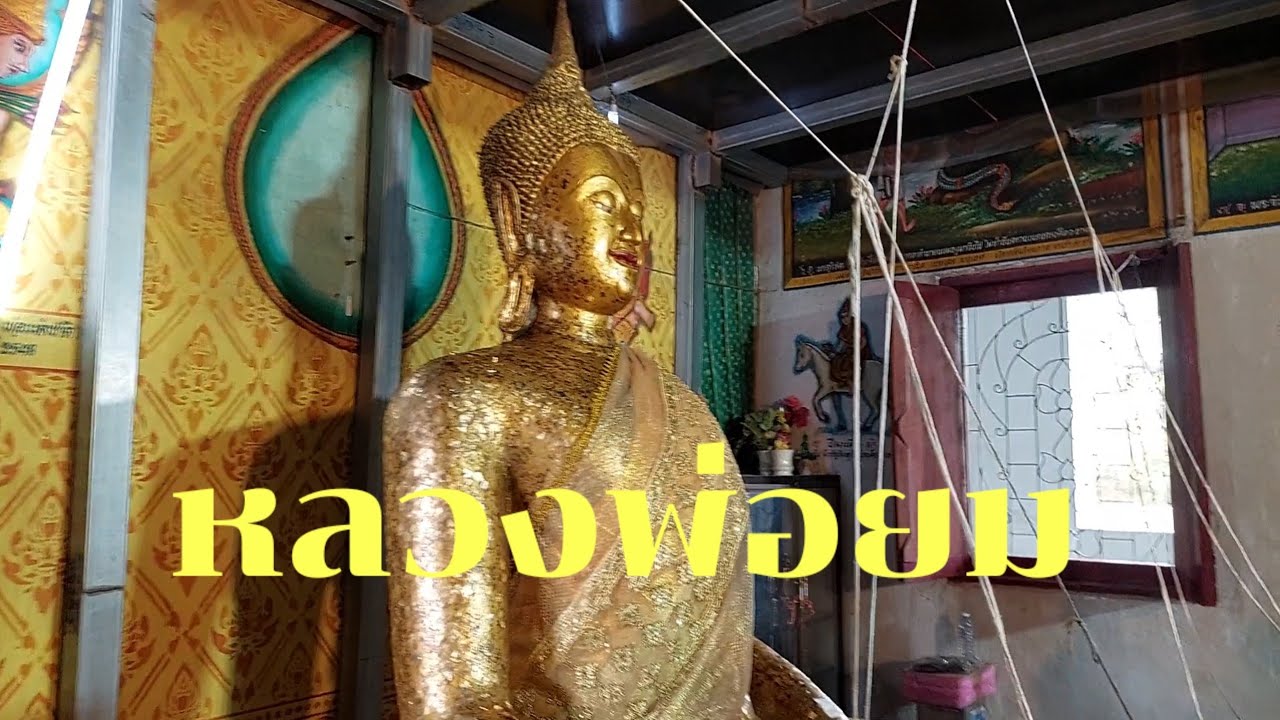
 Click to Access the Navigation Map GPS
Wat Ta Yom Map
Recommend
 Art, Culture and Heritage
 Historical Sites and Monuments(1)
 Landmarks and Memorials(2)
 Art, Craft Centres, Tradition(3)
 Museums(3)
 Educational Places
 Educational Gardens, Farm(1)
Temple(29)
Educational Gardens, Farm(1)
Temple(29)
 Mosque(1)
 Other religious and spiritural sites(3)
 Research and Development
 Royal Project(1)
 Suburban Living
 Village, Community(1)
 Nature and Wildlife
 National Parks and Marine Reserves(7)
 Mountain (Doi)(4)
 Dam, Reservoir, Lake(5)
 Waterfalls(19)
 Caves(3)
 River, Canal(9)
 Other natural attractions(1)
 Entertainment and Agricultural
 Farm, Parks, Gardens and Ecotourism(2)
 Outdoor and Adventure Activities(1)


