
lovethailand home >North Travel Attractions >Phichit Travel Attractions >Pho Prathap Chang >Pho Prathap Chang > Wat Pho Prathap Chang
TL;DR: Wat Pho Prathap Chang is located at Pho Prathap Chang Subdistrict, Pho Prathap Chang District, Phichit Province, open Daily, hours 08.00 – 17.00.
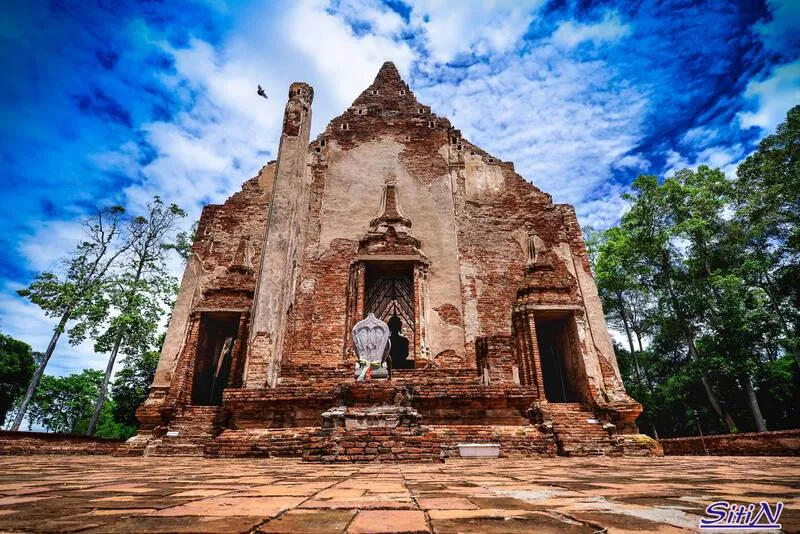
Wat Pho Prathap Chang
Open Days: Daily
Opening Hours: 08.00 – 17.00
Wat Pho Prathap Chang in Phichit Province is one of the most historically important Buddhist temples in central northern Thailand. Located in Pho Prathap Chang Subdistrict, Pho Prathap Chang District, on the eastern side of the old Phichit River, the temple is closely associated with King Suriyenthrathibodi, also known as King Sanphet VIII, Khun Luang Sorasak, or Phra Phuttha Chao Suea, the “Tiger King” of Ayutthaya. Built between 1699 and 1701, the temple was established as a memorial at the place traditionally associated with the king’s birth. For this reason, Wat Pho Prathap Chang is not simply an old temple; it is a living historical landmark that connects Ayutthaya royal history, local Phichit identity, Buddhist devotion, and traditional Thai architecture.
For travelers visiting Phichit, Wat Pho Prathap Chang offers a meaningful combination of history, faith, and cultural atmosphere. Visitors can pay respect to Luang Pho To, also affectionately known as Luang Pho Yim, admire the remaining Ayutthaya-style architecture, walk through the ancient temple compound, and experience the quiet setting of an old riverside community. The temple is especially suitable for travelers who are interested in Thai history, Buddhist art, sacred places, and less commercial cultural destinations.
The history of Wat Pho Prathap Chang is deeply tied to the life of King Phra Phuttha Chao Suea. Known in Thai historical memory as a powerful and distinctive Ayutthaya monarch, he is closely connected with this area of Phichit. The construction of the temple at the site associated with his birth gave the place a strong symbolic meaning. It became a memorial to an Ayutthaya king and, at the same time, a spiritual center for the people of Pho Prathap Chang District. Over time, the temple became part of the shared memory of the community, preserving stories of kingship, faith, and local pride across generations.
Historically, Wat Pho Prathap Chang also reflects the importance of the old Phichit River and the communities that grew along it. Rivers were vital routes for travel, trade, settlement, and religious life in the past. Temples built near waterways often served not only as places of worship, but also as community centers and cultural landmarks. Wat Pho Prathap Chang represents this older pattern of Thai settlement, where temple, river, community, and local history were closely connected.
The temple’s national significance was formally recognized when the Fine Arts Department registered Wat Pho Prathap Chang as an ancient monument in 1935. This recognition confirms the temple’s value as a site of historical, architectural, and cultural importance. For modern visitors, this means that the temple is not just a religious site but also a preserved heritage area where the remains of Ayutthaya-period architecture can still be observed in their original local context.
One of the most striking features of Wat Pho Prathap Chang is its architectural layout. The temple has a large viharn and ancient structures enclosed by two layers of walls, a design that reflects the order and sacred spatial planning often found in Ayutthaya-period religious architecture. The walls help define the sacred zone of the temple and create a gradual transition from the outer area into the central religious space. Walking through the temple compound gives visitors a clear sense of entering a place that has carried spiritual and historical meaning for more than 300 years.
The old viharn, boundary walls, gateways, brick-and-stucco structures, and remaining architectural details reveal the character of Ayutthaya art. The beauty of the temple does not come from new decoration or grandeur, but from age, proportion, texture, and the quiet dignity of historical remains. The weathered surfaces, old masonry, and calm atmosphere allow visitors to imagine the long passage of time. For those interested in Thai art history, the temple provides a valuable example of Ayutthaya-style architecture outside the former royal capital.
Inside the ordination hall is Luang Pho To, the temple’s most revered Buddha image. Local people also call the image Luang Pho Yim, meaning “the smiling Buddha,” because of its gentle and peaceful facial expression. The image is deeply respected by the local community and is one of the main reasons many people visit the temple. For Thai visitors, paying respect to Luang Pho To is an act of merit-making and devotion. For foreign travelers, the image offers insight into how Buddha images function not only as religious art but also as emotional and spiritual anchors for local communities.
The name Luang Pho Yim reflects the way people relate to the Buddha image. It is not merely a description of the facial expression, but an expression of affection, comfort, and trust. Many visitors sit quietly before the image, pray, or simply take a moment to calm their minds. This atmosphere of gentle devotion is one of the most memorable aspects of Wat Pho Prathap Chang.
At the front of the temple stands an ancient takhian tree that is more than 200 years old. Its trunk is exceptionally large, measuring about 7 meters around, or roughly the span of 7 people joining hands. For local residents, the tree is an important symbol of the temple and the community. It represents longevity, stability, and sacred presence. The takhian tree also adds a natural and spiritual dimension to the visit, making the temple feel both historical and alive.
The ancient tree helps shape the first impression of the temple. Before entering the inner historical area, visitors encounter the shade and presence of this large old tree, which immediately creates a sense of age and reverence. In Thai temple culture, large old trees often serve as more than natural features; they become part of local memory, belief, and identity. At Wat Pho Prathap Chang, the takhian tree is one of the landmarks that visitors remember most clearly.
Near the district office, the people of Pho Prathap Chang have also built a monument to King Phra Phuttha Chao Suea. This monument allows visitors to connect the temple visit with the wider historical identity of the district. A trip to Wat Pho Prathap Chang can therefore be combined with a visit to the king’s monument, helping travelers understand why this area remains important to local people and to the historical memory of Phichit Province.
Wat Pho Prathap Chang continues to serve as a spiritual center for the local community. It is used for Buddhist ceremonies, merit-making, and annual religious activities connected with Luang Pho To and the memory of King Phra Phuttha Chao Suea. This is what makes the temple especially meaningful: it is both an ancient monument and an active place of faith. The site has not been separated from community life; instead, religious devotion and heritage preservation continue side by side.
From the perspective of cultural tourism, Wat Pho Prathap Chang is ideal for visitors who want to go beyond quick sightseeing. The temple offers several layers of meaning: Ayutthaya history, royal biography, Buddhist worship, local legends, ancient architecture, sacred trees, and community identity. Spending time here slowly allows visitors to notice details that are easy to miss, such as the structure of the walls, the atmosphere inside the old hall, and the relationship between the sacred image and the local people who continue to worship it.
For travelers interested in Thai history, the temple is a valuable example of how royal history and local history meet in one place. The story of King Phra Phuttha Chao Suea may appear in historical texts, but at Wat Pho Prathap Chang, that story becomes connected to a real landscape, a real community, and an active religious site. The temple allows visitors to experience history not as an abstract subject, but as something preserved through architecture, ritual, memory, and devotion.
For those interested in Buddhist art, Wat Pho Prathap Chang provides a useful opportunity to study Ayutthaya-style temple architecture in a provincial setting. The plan of the temple, the double walls, old gateways, brick-and-stucco construction, and principal Buddha image all help illustrate how Ayutthaya artistic influence extended beyond the capital. This makes the temple important not only for local tourism, but also for understanding the broader development of Thai religious architecture.
The atmosphere of Wat Pho Prathap Chang is quiet and respectful. It is not a commercialized tourist site, but a historic temple that continues to function as a Buddhist place of worship. Visitors should dress modestly, speak softly, avoid disturbing worshippers, and refrain from climbing on or touching ancient structures in ways that may cause damage. Responsible behavior is essential when visiting old temples, especially those officially recognized as heritage sites.
Getting There from Phichit town is straightforward by private car or rental car. The temple is about 27 km from the town center. Travelers can take the Phichit–Wang Chik route, Highway 1068, and at around kilometer 12–13 turn left toward Pho Prathap Chang District on Highway 1300. Before reaching the district center, a left-hand road leads approximately 4 km to the temple. This route is suitable for a cultural day trip and can be combined with nearby attractions such as the King Phra Phuttha Chao Suea Monument, Wat Tha Luang, Bueng Si Fai, Wat Khao Rup Chang, and Phichit Old Town Park.
Travelers coming from outside Phichit can include Wat Pho Prathap Chang as part of a wider historical route through the province. A recommended itinerary may begin in Phichit town, continue to Wat Tha Luang and Bueng Si Fai, then proceed to Wat Pho Prathap Chang. Those interested in older settlement history can also add Phichit Old Town Park and Wat Nakhon Chum to the route. This creates a balanced trip that includes royal history, Buddhist art, natural scenery, and local heritage.
The best time to visit is in the morning or late afternoon, when the weather is more comfortable and the light is suitable for viewing the ancient structures. Morning visits are peaceful and appropriate for merit-making, while late afternoon light gives the old walls and buildings a warmer tone. Visitors who wish to take photographs should do so respectfully and avoid disturbing religious activities.
Wat Pho Prathap Chang is also suitable for families, students, and educational groups. The temple brings together history, architecture, Buddhism, and local belief in one place. Children and students can learn about Ayutthaya history, observe the structure of an ancient temple, pay respect to Luang Pho To, and understand the importance of heritage conservation. Learning at the actual site helps history feel more vivid than reading about it in a textbook.
On a personal level, the temple offers a calm and reflective experience. Many visitors come not only to see an old monument, but also to pray, make merit, and spend a quiet moment before Luang Pho To. The old temple walls, the shade of the takhian tree, the gentle expression of the Buddha image, and the riverside atmosphere all contribute to a sense of peace. This makes Wat Pho Prathap Chang suitable for history lovers, cultural travelers, Buddhist pilgrims, photographers, and anyone seeking a meaningful place to slow down.
Overall, Wat Pho Prathap Chang is one of the most important cultural destinations in Phichit Province. It combines a rare set of qualities: a connection to an Ayutthaya king, official recognition as an ancient monument, surviving Ayutthaya-style architecture, a revered Buddha image, an ancient sacred tree, and an active role in local community life. Visiting the temple is therefore a journey into the history, faith, and cultural memory of Phichit.
Wat Pho Prathap Chang should not be treated merely as a short stop on the way to somewhere else. It deserves time and attention. Visitors who walk slowly, observe carefully, and understand its background will discover a temple where the past and present still speak to each other through architecture, devotion, local belief, and the continuing faith of the people of Pho Prathap Chang.
| Name | Wat Pho Prathap Chang, Phichit Province |
| Location | Pho Prathap Chang Subdistrict, Pho Prathap Chang District, Phichit Province |
| Address | Pho Prathap Chang Subdistrict, Pho Prathap Chang District, Phichit Province 66190, Thailand |
| Highlights | An Ayutthaya-period temple associated with the birthplace of King Phra Phuttha Chao Suea, featuring Luang Pho To, double ancient walls, old gateways, and a large historic takhian tree |
| History | Built between 1699 and 1701 during the Ayutthaya period under King Suriyenthrathibodi, also known as King Sanphet VIII or Phra Phuttha Chao Suea, as a memorial at the place associated with his birth |
| Name Origin | The name is connected with the historic area of Pho Prathap Chang, which is traditionally associated with the birth of King Phra Phuttha Chao Suea |
| Distinctive Features | Ayutthaya-style architecture, a large viharn, double enclosure walls, ancient gateways, Luang Pho To or Luang Pho Yim, and a peaceful riverside-temple atmosphere |
| Travel Information | From Phichit town, take Highway 1068 toward Wang Chik. Around kilometer 12–13, turn left toward Pho Prathap Chang District on Highway 1300. Before reaching the district center, take the left road for about 4 km to the temple |
| Current Status | An active Buddhist temple and important registered ancient monument of Phichit Province |
| Open Days | Daily |
| Opening Hours | 08.00 – 17.00 |
| Fees | No admission fee |
| Facilities | Parking area, worship area, ancient monument area, and resting space within the temple grounds |
| Main Areas / Zones | Old ordination hall and viharn, Luang Pho To or Luang Pho Yim, double ancient walls, old gateways, large takhian tree, and surrounding ancient monument area |
| Abbot / Caretaker | Phra Khru Wikrom Samathiwat (Charan Chantasilo) |
| Main Contact Number | 089-829-8986 |
| Nearby Tourist Attractions | 1. King Phra Phuttha Chao Suea Monument, about 4 km 2. Wat Khao Rup Chang, about 23 km 3. Wat Tha Luang Royal Monastery, about 27 km 4. Bueng Si Fai, about 29 km 5. Phichit Old Town Park, about 30 km |
| Nearby Restaurants | 1. Je Mad Tam Sang, about 1 km, Tel. 063-236-6289 2. Krua Pla Yai, about 8 km 3. PunThai Coffee Pho Prathap Chang, about 8 km 4. Bamee Linchak Kafe Jae Lek, about 14 km 5. Chamcha Cafe, about 15 km |
| Nearby Accommodations | 1. Maduea Resort, about 1 km 2. Mee Pornsawan Grand Hotel & Resort, about 12 km 3. Ruen Rim Nan, about 14 km 4. Rabiang Nam Resort, about 15 km 5. The Nest Hotel Phichit, about 15 km |
Frequently Asked Questions (FAQ)
Q: Where is Wat Pho Prathap Chang located?
A: Wat Pho Prathap Chang is located in Pho Prathap Chang Subdistrict, Pho Prathap Chang District, Phichit Province, on the eastern side of the old Phichit River.
Q: Why is Wat Pho Prathap Chang historically important?
A: The temple was built between 1699 and 1701 during the Ayutthaya period as a memorial at the place associated with the birth of King Phra Phuttha Chao Suea, also known as Khun Luang Sorasak.
Q: What are the main highlights inside Wat Pho Prathap Chang?
A: The main highlights include Luang Pho To or Luang Pho Yim, the ancient viharn, double enclosure walls, old gateways, and the large historic takhian tree in front of the temple.
Q: Why is Luang Pho To also called Luang Pho Yim?
A: Local people call the Buddha image Luang Pho Yim because of its gentle and peaceful facial expression, which gives visitors a sense of calm and comfort.
Q: What are the opening hours of Wat Pho Prathap Chang?
A: The temple is open daily from 08.00 to 17.00.
Q: How can travelers get from Phichit town to Wat Pho Prathap Chang?
A: Travelers can take Highway 1068 from Phichit town toward Wang Chik, then turn onto Highway 1300 toward Pho Prathap Chang District and follow the local road for about 4 km to the temple.
Q: What nearby attractions can be combined with a visit to Wat Pho Prathap Chang?
A: Nearby attractions include the King Phra Phuttha Chao Suea Monument, Wat Khao Rup Chang, Wat Tha Luang, Bueng Si Fai, and Phichit Old Town Park.
Q: How should visitors behave when visiting Wat Pho Prathap Chang?
A: Visitors should dress modestly, speak quietly, respect religious areas, and avoid climbing on or touching ancient structures in ways that may damage the heritage site.
 Category: ●Places of Worship
 Group: ●Temple
Last Update : 5 MonthAgo
 Last Update : 5 MonthAgo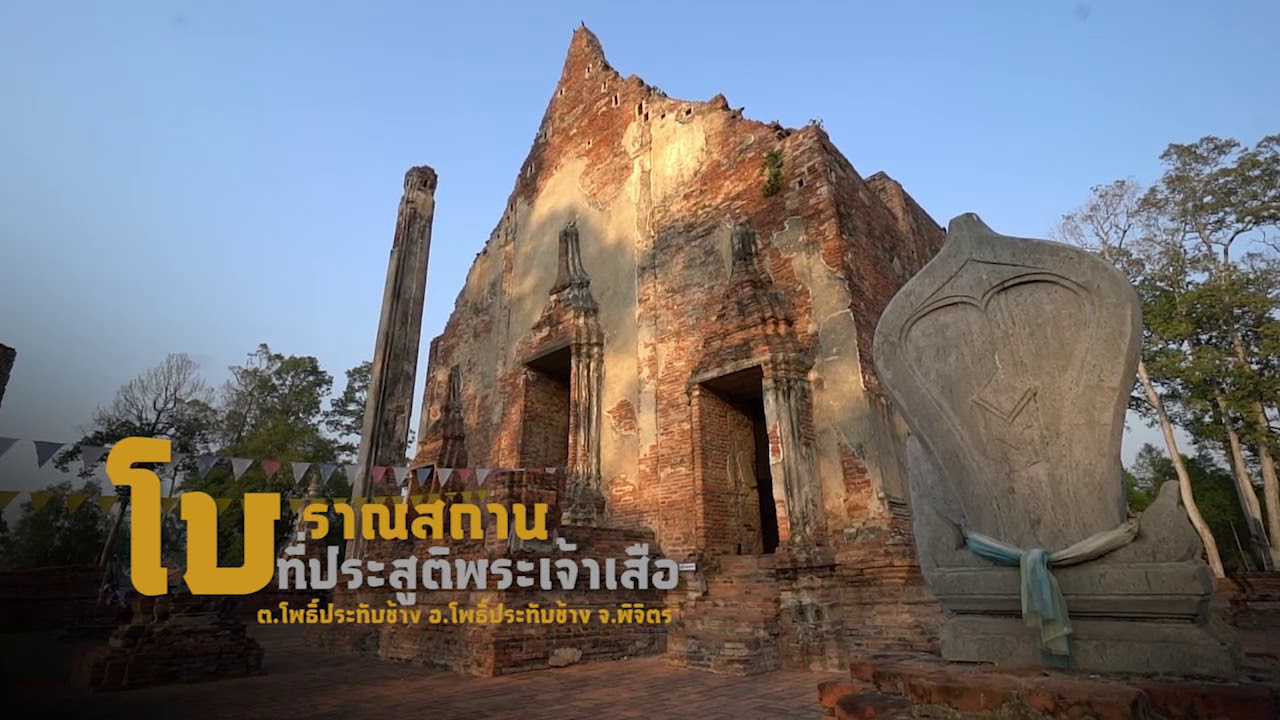
 Click to Access the Navigation Map GPS
Wat Pho Prathap Chang Map
Recommend

 Art, Culture and Heritage
 Historical Sites and Monuments(1)
 Art, Craft Centres, Tradition(1)
 Museums(1)
Temple(32)
Museums(1)
Temple(32)
 Other Sacred Sites(5)
 Research and Development
 Royal Project(1)
 Suburban Living
 Floating Market(1)
 Nature and Wildlife
 National Parks and Marine Reserves(1)
 Dam, Reservoir, Lake(3)
 River, Canal(2)
 Other natural attractions(1)
 Entertainment and Agricultural
 Animal camps and shows(1)
 Farms, Parks and Ecotourism(4)
 Travel Articles, Recipes
 Travel Review, Food Review(1)


