
lovethailand home >North Travel Attractions >Phichit Travel Attractions >Thao Khlo >Thap Khlo > Wat Thap Khlo
TL;DR: Wat Thap Khlo is located at Thap Khlo Subdistrict, Thap Khlo District, Phichit Province, open Daily, hours 06.00 – 18.00.
Wat Thap Khlo

Open Days: Daily
Opening Hours: 06.00 – 18.00
Wat Thap Khlo in Phichit Province, also known as Suan Bodhisattva, is an important Buddhist temple in Thap Khlo District. Located in Thap Khlo Subdistrict near Thetsaban Thap Khlo Soi 5, the temple is widely recognized for its peaceful, shaded, and natural atmosphere. It began as a meditation-oriented spiritual garden before developing into a formal temple with major roles in Buddhist practice, community education, public health support for monks, and local spiritual development. Wat Thap Khlo is therefore not merely a place for worship, but a living religious and social center where visitors can experience quietness, mindfulness, and the continuing role of Buddhism in Thai community life.
The original site was known as Suan Phra Bodhisattva, or the Bodhisattva Garden. It was founded in 1977 by Phra Maha Kosol Chanthawanno together with devoted Buddhists. The early vision was not simply to build temple buildings, but to transform a natural area into a place suitable for Dhamma practice, meditation, and mental cultivation. As more people came to practice and support the site, the garden gradually developed into a more established religious place. It was officially elevated to temple status on 24 September 1992 and later received Wisungkhamsima in 1998, confirming its status as a complete Buddhist temple.
The temple grounds cover more than 111 rai, giving Wat Thap Khlo a spacious and unusually green environment. Large trees, shaded paths, and calm natural surroundings make the temple feel closer to a forest meditation center than a busy tourist attraction. This broad area allows the temple to provide space for meditation, walking practice, rest, Dhamma learning, and religious activities. Visitors who want to escape noise and daily pressure can come here to slow down and reconnect with a quieter state of mind.
One of the most important roles of Wat Thap Khlo is its function as a Vipassana meditation practice center. On 11 January 2002, the Sangha Supreme Council selected the temple as the first provincial meditation practice center of Phichit. This recognition reflected the temple’s readiness in terms of place, monastic leadership, training system, and peaceful environment. Visitors and practitioners can learn mindfulness, walking meditation, sitting meditation, and simple disciplined living within an atmosphere that supports Buddhist mental development.
Phra Maha Kosol Chanthawanno, also known as Phra Khru Wisutthi Phawanakhun, was the key figure behind the development of Wat Thap Khlo. He was widely respected as a meditation master and a monk devoted to spreading Buddhist teachings. His role extended beyond temple leadership. He developed the temple as a spiritual refuge, a meditation center, a community learning space, and a place that connected Dhamma practice with real social benefit. Many people came to know Wat Thap Khlo through his reputation and the peaceful discipline associated with his teaching.
The name Suan Bodhisattva carries a deep meaning. In Buddhist thought, a bodhisattva is one who cultivates virtues for the benefit of oneself and others. Naming the place a Bodhisattva Garden suggests that the temple is a space for cultivating goodness, compassion, and inner growth. Visitors are not coming only to see buildings or take photographs. They are entering a place designed to encourage reflection, kindness, and the training of the mind.
Wat Thap Khlo also has an important educational role. The temple established the Chalerm Rajakumari Public Library, which was officially opened by Her Royal Highness Princess Maha Chakri Sirindhorn on 1 February 1993. The presence of a public library within the temple shows how Buddhism and education can work together. Reading, learning, and cultivating wisdom are consistent with Buddhist values because knowledge helps people understand life more clearly and act with greater responsibility.
The public library is more than a building for books. In the context of Wat Thap Khlo, it represents the temple’s commitment to local education and community development. Children, youth, and local residents can use the temple as both a place of Dhamma learning and general knowledge. This reflects the traditional role of Thai temples as centers of education before modern school systems became widespread.
Wat Thap Khlo was recognized as an exemplary developed temple in 2004 and 2005. This recognition reflects the temple’s success in maintaining order, cleanliness, environmental quality, community benefit, and active religious service. A temple recognized in this way must do more than host ceremonies. It must function as a useful, well-managed, and spiritually meaningful center for the people. Wat Thap Khlo stands as an example of how a temple can develop religious, social, educational, and environmental roles at the same time.
In 2003, the temple received the Sema Dhammachak award in recognition of its contributions to Buddhism. This honor reflects the wider importance of the temple’s work. Dhamma teaching, meditation training, community development, and long-term service require patience, dedication, and continuity. Wat Thap Khlo became known not only in the local area but also among people who valued serious Buddhist practice and social engagement.
Another significant contribution of Wat Thap Khlo is the establishment of a care center for sick and infirm monks in 2002. This center was created to support the health of monks, novices, and the surrounding community. It reflects a practical understanding that monks, especially elderly and ill monks, also require proper health care. The project shows how a Buddhist temple can apply compassion to real social needs and connect spiritual practice with public health.
The sick-monk care center became an important model in Phichit Province. The concept expanded to cover many temples across the province, strengthening the system of health support for monks. This role is significant because it shows that temples can participate in health care without abandoning their religious mission. Caring for the sick, elderly, and vulnerable is an expression of Buddhist compassion in action.
Another major project at Wat Thap Khlo is the construction of Phra Phuttha Metta, a large stucco Buddha image planned to be about 80 meters high with a base about 80 meters wide. The project is intended as a Buddhist landmark and a center of faith for devotees. A large Buddha image of this scale is not only visually impressive. It also represents the collective faith of monks, lay supporters, and community members who work together to create a lasting sacred symbol.
The name Phra Phuttha Metta emphasizes the Buddhist virtue of loving-kindness. The image reminds visitors of compassion, goodwill, gentleness, and the wish for all beings to be free from suffering. If completed as envisioned, the image will become a major religious landmark of Thap Khlo District and Phichit Province, while also reinforcing the temple’s identity as a place of peace and moral cultivation.
The atmosphere inside Wat Thap Khlo is highly suitable for meditation and quiet reflection. The large green area helps visitors relax as soon as they enter the temple grounds. The sounds of trees, wind, and silence reduce mental restlessness. Visitors can sit quietly, walk mindfully, listen to Dhamma, or simply rest in the natural environment. This makes the temple suitable both for serious practitioners and for general visitors who want a peaceful place to regain balance.
From the perspective of religious tourism, Wat Thap Khlo is different from temples known mainly for ancient buildings or historic Buddha images. Its value lies in meditation, nature, community development, education, monk health care, and continuing Buddhist practice. Visitors interested in meditation temples, forest-like environments, public libraries, social projects, and large Buddhist image projects will find the temple especially meaningful. A visit of at least 1 to 2 hours is recommended to appreciate the site properly.
For those interested in the life and work of Phra Maha Kosol Chanthawanno, Wat Thap Khlo offers a direct view of his legacy. The Bodhisattva Garden, the meditation center, the public library, the monk care center, and the community-oriented development all show how Buddhist leadership can shape a place over many decades. His work reflects a form of Buddhism that does not withdraw from society but applies Dhamma to education, health, environment, and human well-being.
Wat Thap Khlo is also suitable for families, students, and visitors who want to understand Thai temples beyond ritual worship. The temple includes nature, meditation areas, educational facilities, social service projects, and Buddhist development work. Young visitors can learn that a temple can be a place for moral training, community service, health support, and environmental care. This broader view helps explain why temples remain important in Thai society.
Getting There is convenient by private car, rental car, or local transport. Travelers can head to Thap Khlo District in Phichit Province and continue to Thap Khlo Subdistrict near Thetsaban Thap Khlo Soi 5. Navigation apps can be used by searching for Wat Thap Khlo or Suan Phra Bodhisattva. The temple is located within the Thap Khlo community area and can be combined with nearby places such as Thap Khlo Railway Station, Thap Khlo market, Wat Mongkhon Thap Khlo, Wat Phra Phutthabat Khao Sai, and Wat Khao Rup Chang.
The best times to visit are in the morning or late afternoon. Morning is suitable for merit-making, meditation, Dhamma listening, and walking quietly through the garden. Late afternoon is pleasant for viewing the grounds and taking respectful photographs. Those who wish to join meditation activities should contact the temple in advance, as practice schedules may vary according to Buddhist holy days and special events.
Visitors should dress modestly, speak quietly, avoid disturbing meditation practitioners, keep the grounds clean, and avoid entering restricted monastic or practice areas without permission. Photography should be done respectfully. Those who join meditation sessions should follow temple rules carefully. Respectful conduct helps preserve the calm atmosphere that makes Suan Bodhisattva meaningful for everyone.
Wat Thap Khlo is valuable in many ways. Religiously, it is the first provincial meditation practice center of Phichit. Educationally, it is connected with the Chalerm Rajakumari Public Library. Socially, it pioneered a care center for sick monks. Environmentally, it preserves a large green temple landscape. As a travel destination, it offers peace, Dhamma learning, and insight into how a modern Thai temple can serve both spiritual and community needs.
Overall, Wat Thap Khlo or Suan Bodhisattva is one of the most meaningful religious and cultural destinations in Phichit Province. It is a sacred place, a meditation center, a natural garden, a public learning space, a monk health-care model, and a living community temple. Visitors can experience the calmness of more than 111 rai of shaded grounds, learn about the legacy of Phra Maha Kosol Chanthawanno, observe the ongoing Phra Phuttha Metta project, and understand how Buddhism continues to support community life in practical and compassionate ways.
| Name | Wat Thap Khlo, also known as Suan Bodhisattva, Phichit Province |
| Location | Thap Khlo Subdistrict, Thap Khlo District, Phichit Province |
| Address | Thetsaban Thap Khlo Soi 5, Thap Khlo Subdistrict, Thap Khlo District, Phichit Province 66150, Thailand |
| Highlights | Suan Phra Bodhisattva, Vipassana meditation area, the first provincial meditation practice center of Phichit, Chalerm Rajakumari Public Library, sick-monk care center, and the large Phra Phuttha Metta project |
| History | Founded as Suan Phra Bodhisattva in 1977 by Phra Maha Kosol Chanthawanno and devoted Buddhists; officially elevated to temple status on 24 September 1992 and received Wisungkhamsima in 1998 |
| Name Origin | The formal temple name is connected with Thap Khlo District, while the name Suan Bodhisattva reflects the intention to create a natural place for Dhamma practice, compassion, and mental cultivation |
| Distinctive Features | A large green temple of more than 111 rai, suitable for meditation, walking practice, rest, and learning about the role of Buddhism in community development |
| Travel Information | Travel to Thap Khlo District, Phichit Province, then enter Thap Khlo Subdistrict near Thetsaban Thap Khlo Soi 5. Visitors can search for Wat Thap Khlo or Suan Phra Bodhisattva in navigation apps |
| Current Status | An active temple and meditation practice center open for merit-making, Dhamma practice, educational visits, garden walks, and Buddhist activities |
| Open Days | Daily |
| Opening Hours | 06.00 – 18.00 |
| Fees | No admission fee |
| Facilities | Parking area, meditation area, walking meditation area, shaded resting areas, public library, religious activity areas, sick-monk care center, and toilets |
| Main Areas / Zones | Suan Phra Bodhisattva, Vipassana meditation area, Chalerm Rajakumari Public Library, sick-monk care center, Phra Phuttha Metta project area, and natural garden areas within the temple |
| Important Former Abbot / Founder | Phra Khru Wisutthi Phawanakhun, also known as Phra Maha Kosol Chanthawanno, founder of Suan Phra Bodhisattva and former abbot of Wat Thap Khlo |
| Current Caretaker / Abbot | Contact Wat Thap Khlo directly before traveling or joining meditation activities for the latest temple administration information |
| Official Website / Official Page | Wat Thap Khlo (Suan Phra Bodhisattva) Facebook page and Tourism Authority of Thailand travel information |
| Nearby Tourist Attractions | 1. Thap Khlo Railway Station, about 2 km 2. Thap Khlo Market Area, about 2 km 3. Wat Mongkhon Thap Khlo, about 3 km 4. Wat Phra Phutthabat Khao Sai, about 9 km 5. Wat Khao Rup Chang, about 15 km 6. Wat Thewaprasat and Luang Pho To Taphan Hin, about 28 km |
| Nearby Restaurants | 1. Restaurants in Thap Khlo Market Area, about 2 km 2. Ya Ja Restaurant, Thap Khlo District, about 5 km 3. Restaurants around Khao Sai Junction, about 8 km 4. Restaurants and cafes near Wat Phra Phutthabat Khao Sai, about 9–10 km 5. Restaurants in Taphan Hin District, about 27–30 km |
| Nearby Accommodations | 1. Baan Suay Resort Thap Khlo Phichit, about 8 km 2. Accommodations in Thap Khlo District, about 2–8 km 3. Accommodations around Khao Sai, Thap Khlo District, about 8–10 km 4. Roseinn Hotel Taphanhin, about 28 km, Tel. 056-621-044, 091-024-5747, 093-140-8168 5. The Nest Hotel Phichit, about 55 km, Tel. 056-033-662 |
Frequently Asked Questions (FAQ)
Q: Where is Wat Thap Khlo or Suan Bodhisattva located?
A: Wat Thap Khlo is located in Thap Khlo Subdistrict, Thap Khlo District, Phichit Province, near Thetsaban Thap Khlo Soi 5.
Q: What are the main highlights of Wat Thap Khlo?
A: The main highlights include Suan Phra Bodhisattva, the Vipassana meditation area, Phichit’s first provincial meditation practice center, Chalerm Rajakumari Public Library, the sick-monk care center, and the large Phra Phuttha Metta project.
Q: When was Wat Thap Khlo established?
A: The site began as Suan Phra Bodhisattva in 1977 and was officially elevated to temple status on 24 September 1992.
Q: Who was Phra Maha Kosol Chanthawanno?
A: Phra Maha Kosol Chanthawanno, also known as Phra Khru Wisutthi Phawanakhun, was the founder of Suan Phra Bodhisattva, a former abbot of Wat Thap Khlo, and a respected Vipassana meditation master.
Q: What are the opening hours of Wat Thap Khlo?
A: The temple is generally open daily from 06.00 to 18.00.
Q: Is Wat Thap Khlo suitable for meditation practice?
A: Yes. Wat Thap Khlo was selected as the first provincial meditation practice center of Phichit and has a peaceful, shaded environment suitable for mindfulness, sitting meditation, and walking meditation.
Q: How can travelers get to Wat Thap Khlo?
A: Travelers can go to Thap Khlo District in Phichit Province and continue to Thetsaban Thap Khlo Soi 5. Navigation apps can search for Wat Thap Khlo or Suan Phra Bodhisattva.
Q: What nearby places can be visited with Wat Thap Khlo?
A: Nearby places include Thap Khlo Railway Station, Thap Khlo Market Area, Wat Mongkhon Thap Khlo, Wat Phra Phutthabat Khao Sai, Wat Khao Rup Chang, and Wat Thewaprasat.
 Category: ●Places of Worship
 Group: ●Temple
Last Update : 4 MonthAgo
 Last Update : 4 MonthAgo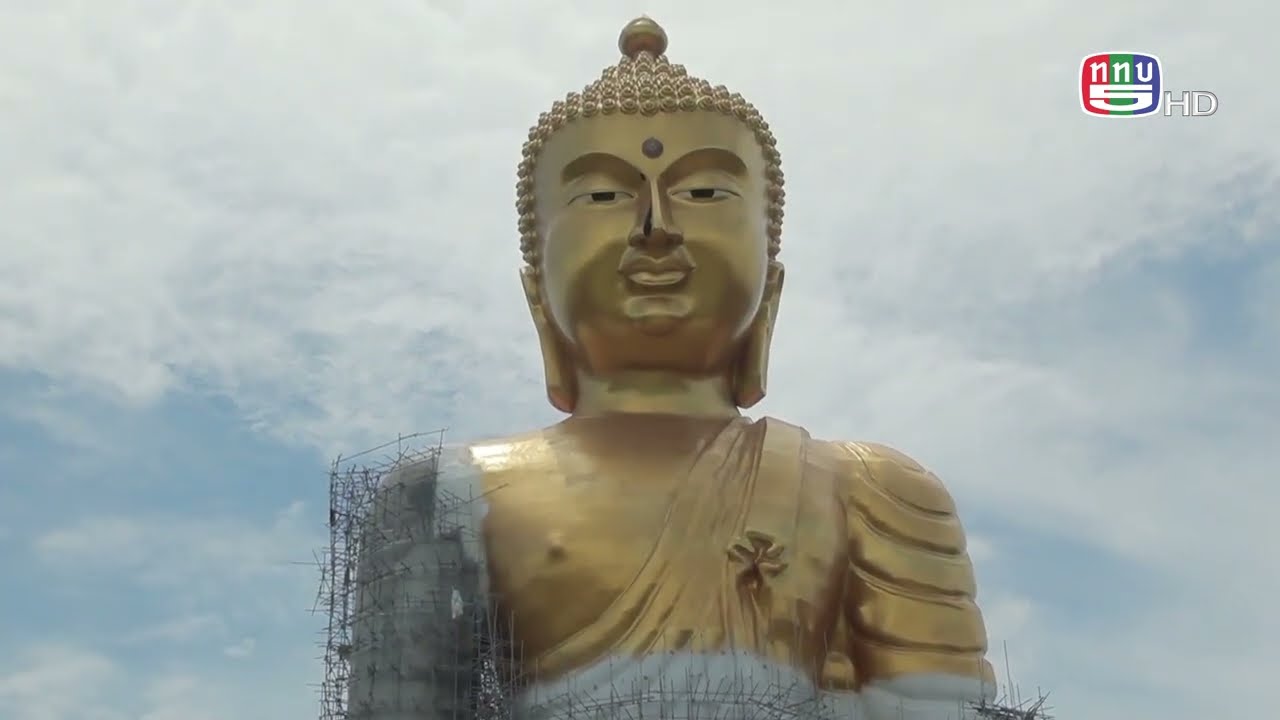
 Click to Access the Navigation Map GPS
Wat Thap Khlo Map
Recommend

 Art, Culture and Heritage
 Historical Sites and Monuments(1)
 Art, Craft Centres, Tradition(1)
 Museums(1)
Temple(32)
Museums(1)
Temple(32)
 Other Sacred Sites(4)
 Research and Development
 Royal Project(1)
 Suburban Living
 Floating Market(1)
 Nature and Wildlife
 National Parks and Marine Reserves(1)
 Dam, Reservoir, Lake(3)
 River, Canal(2)
 Other natural attractions(1)
 Entertainment and Agricultural
 Animal camps and shows(1)
 Farms, Parks and Ecotourism(4)


