
lovethailand home >North Travel Attractions >Phichit Travel Attractions >Bang Mun Nak >Wang Taku > Wat Sukhumaram
TL;DR: Wat Sukhumaram is located at Ban Wang Taku, Moo 11, Wang Taku Subdistrict, Bang Mun Nak District, Phichit Province, open Daily, hours Daytime.
Wat Sukhumaram
Open Days: Daily
Opening Hours: Daytime
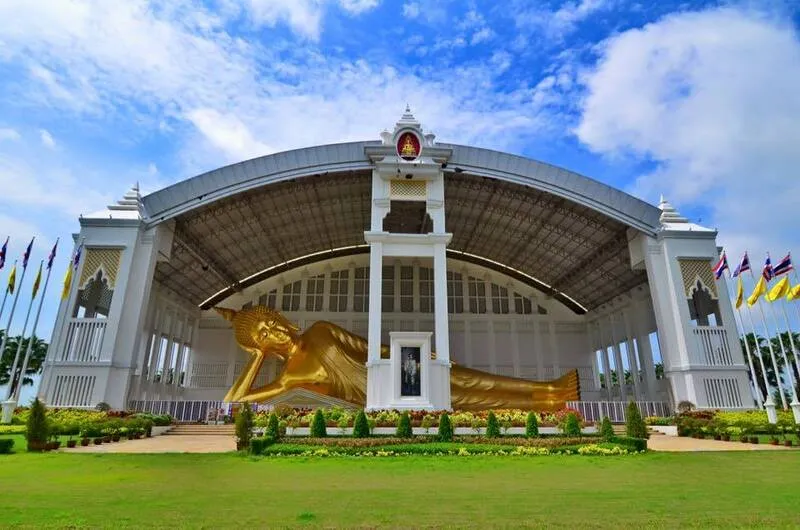
Wat Sukhumaram in Phichit Province, also known locally as Wat Mai, Wat Mai Wang Taku, or Wat Sukhumaram Phra Non, is an important Buddhist temple in Wang Taku Subdistrict, Bang Mun Nak District. The temple is located at 236 Ban Wang Taku, Moo 11, Wang Taku Subdistrict, Bang Mun Nak District, Phichit Province. It is best known for its enormous golden reclining Buddha image, one of the most impressive religious landmarks in the area. With a length of about 55 meters, the reclining Buddha has become a major symbol of faith for the Wang Taku community and a meaningful destination for Buddhist pilgrims, cultural travelers, and visitors who wish to see a large Buddha image in a peaceful local temple setting.
The appeal of Wat Sukhumaram lies in the combination of a quiet community temple and the grandeur of its large reclining Buddha. When visitors enter the temple grounds, the golden image immediately creates a powerful visual impression. The Buddha lies in a calm posture, radiating stillness and serenity. For many visitors, the experience is not only about seeing a large religious monument, but also about taking a moment to slow down, make merit, pray, and reflect on the meaning of peace within Buddhist practice.
Wat Sukhumaram stands on lowland temple grounds in Wang Taku Subdistrict. The temple land covers 13 rai, 2 ngan, and 25 square wah. The northern boundary is connected with land plot number 163, the southern and eastern sides adjoin Wang Krot Canal, and the western side also connects with land plot number 163. This setting reflects the relationship between Thai temples, waterways, agricultural landscapes, and local village life. Wat Sukhumaram is not isolated from the community; it is part of the cultural and spiritual landscape of Ban Wang Taku.
The temple belongs to the Mahanikaya order. In its early period, it was known by several names, including Wat Asokaram, Wat Mai Wang Taku, and Wat Mai. The name Wat Sukhumaram later became established and is connected with the family name of one of the donors who helped provide land for the temple. The presence of several former names shows how the temple grew gradually from local faith and community memory before becoming an important Buddhist institution in Wang Taku.
The early development of the temple was made possible by devoted lay supporters, including Nang Sun Prueksawan, whose former family name was Sukhumannon, and Dr. Phayung Kalantakaphan, who donated land for the establishment of the temple. In Thai Buddhist culture, donating land for a temple is considered a significant act of merit because it creates a permanent space for monks, worshippers, learning, ceremonies, and community life. The founding of Wat Sukhumaram therefore represents not only the creation of religious buildings but also the formation of a spiritual center for the local community.
Within the temple grounds are several important monastic structures. The ordination hall measures 6 meters wide and 24 meters long and was built in 1973. It is used for formal monastic ceremonies. The sermon hall measures 16 meters wide and 32 meters long and was built in 1963. It functions as a space for Dhamma listening, merit-making, meetings, and community religious events. The chanting hall measures 25 meters wide and 35 meters long and was built in 1976. The temple also contains monks’ residences, a Buddha pavilion, a pavilion enshrining Luang Pho Khian, a new abbot’s residence, a Dhamma charity pavilion, drum tower, crematorium, and Chedi Phra Bodhiyan Luang Pu Pan from Wat Bang Nom Kho in Ayutthaya Province.
Important sacred objects at Wat Sukhumaram include the principal Buddha image in the ordination hall, with a lap width of 3 sok and 9 inches, together with images of Phra Moggallana and Phra Sariputta, which were cast at Wat Sukhumaram on 16 April 1974. The temple also enshrines a replica of Phra Phuttha Chinnarat in the meditation hall, along with many other Buddha images. These sacred objects make the temple meaningful beyond the large reclining Buddha alone. Visitors can pay respect at several points and spend time experiencing the wider religious atmosphere of the temple.
Wat Sukhumaram has also served an educational role. The temple has offered Dhamma studies under the Phra Pariyattidhamma system since 1963. This role is important because Buddhist education helps preserve knowledge of Dhamma, Vinaya, and religious practice. A temple that supports Buddhist learning becomes more than a worship site; it becomes a center for passing on religious knowledge to monks, novices, and laypeople connected with the community.
The large reclining Buddha at Wat Sukhumaram was constructed during the time of Phra Khru Wichan Wihanakit, the current abbot and caretaker of the temple. The image was built as an act of royal merit dedicated to His Majesty the King on the auspicious occasion of the 7th cycle, 84th birthday anniversary on 5 December 2011. The image is about 55 meters long and is one of the most remarkable reclining Buddha images in Phichit Province. Its golden surface, scale, and peaceful posture make it the central highlight of the temple.
In Buddhism, a reclining Buddha image often carries deep symbolic meaning. It is commonly associated with the Buddha’s final passing into Parinibbana and represents peace, release, and the ultimate freedom from suffering. Paying respect to a reclining Buddha is therefore not only an act of asking for blessings. It is also a reminder of impermanence, calmness, and the possibility of spiritual liberation. At Wat Sukhumaram, the large reclining Buddha functions as both a sacred object and a visual teaching of Buddhist truth.
The size of the reclining Buddha has made Wat Sukhumaram an important destination for religious travel in Bang Mun Nak District. Visitors to Phichit can include the temple in a route with other nearby cultural and religious sites such as Wat Huai Khen, Wat Tha Chang, Wat Khao Rup Chang, and other attractions in Bang Mun Nak and nearby districts. The temple adds an important dimension to Phichit travel by offering a large modern Buddhist image within a calm village-temple environment.
The temple atmosphere is peaceful and spacious. Visitors can walk around, make merit, pay respect to the reclining Buddha, and spend time resting. In addition to the reclining Buddha, the temple also functions as a meditation practice site, a public park for exercise, and a community resting area. This makes Wat Sukhumaram more than a destination for seeing a large Buddha image. It is also a place where local people use the temple grounds for both spiritual and everyday well-being.
The golden reclining Buddha creates a strong and memorable visual identity for the temple. Many visitors take photographs of the image from the front and side to capture its full scale. Photography is welcome when done respectfully, but visitors should remember that the temple remains an active religious place. They should avoid climbing onto restricted areas, avoid disturbing worshippers, and choose photo angles that are appropriate for a sacred site.
Culturally, Wat Sukhumaram reflects the faith and cooperation of the Wang Taku community. A large Buddha image of this scale cannot be created by one person alone. It requires monastic leadership, lay support, donations, planning, and long-term community devotion. The reclining Buddha is therefore a symbol not only of Buddhist faith but also of collective effort. It represents how local people can come together to create a religious landmark for future generations.
For visitors interested in Buddhist art, the reclining Buddha at Wat Sukhumaram is an example of a modern large-scale Buddhist image designed to inspire reverence and accessibility. The golden color makes the image visible and striking, while the reclining posture conveys calmness. Standing near the image, visitors experience both physical grandeur and spiritual quietness. This balance between scale and serenity is one of the strongest features of the temple.
For families, Wat Sukhumaram is a suitable place for merit-making and cultural learning. The grounds are spacious and the temple is easy to reach from Bang Mun Nak. Children can learn about the meaning of the reclining Buddha, basic Buddhist etiquette, and the importance of respecting sacred places. Elderly visitors can spend time praying, chanting, or resting in the calm temple environment. This makes the temple appropriate for multi-generation visits.
Wat Sukhumaram is also suitable for travelers who prefer a slow and quiet temple visit. It is about 12 kilometers from Bang Mun Nak town and can be reached through rural roads and local community areas. The route itself gives visitors a glimpse of the countryside around Wang Taku. Once at the temple, a visit of about 30 to 60 minutes is suitable for paying respect to the reclining Buddha, walking around the temple grounds, and taking photographs respectfully.
Getting There is convenient by private car or rental car. From Bang Mun Nak District, take the Bang Mun Nak–Wang Ngio route for about 12 kilometers. The temple is located near the outer market area of Wang Taku. Travelers arriving by train can get off at Bang Mun Nak Railway Station and continue by local transport or hired vehicle to Wat Sukhumaram at Ban Wang Taku, Moo 11.
A meaningful travel route can combine Wat Sukhumaram with other sites in Bang Mun Nak District. Visitors may begin at Bang Mun Nak Railway Station, continue to Wat Huai Khen to see the old ordination hall and mural paintings, visit Wat Tha Chang to pay respect to the old sandstone Buddha image and see the elephant statues, and then proceed to Wat Sukhumaram to worship the large reclining Buddha. With more time, the route can continue to Wat Khao Rup Chang or other cultural sites in Phichit Province.
The best times to visit are in the morning or late afternoon. Morning is suitable for merit-making, prayer, and quiet reflection. Late afternoon offers softer light for viewing and photographing the reclining Buddha. Visitors should bring drinking water, a hat, or an umbrella if visiting on a hot day, and should allow enough time to experience the temple without rushing.
Visitors should dress modestly, speak quietly, keep the temple clean, and avoid climbing onto the Buddha image or any restricted area. Photography should be done respectfully and should not disturb monks, worshippers, or religious activities. Respectful conduct helps preserve the sacred atmosphere of the temple and allows every visitor to experience the site with dignity.
Wat Sukhumaram is valuable in several ways. Religiously, it is home to a large reclining Buddha and several sacred Buddha images. Historically, it grew from local faith and land donations by devoted supporters. Educationally, it has supported Dhamma studies since 1963. Socially, it functions as a meditation site, a public park, and a community space. These combined roles make Wat Sukhumaram more than a place to take photographs; it is a living Buddhist temple that reflects the faith and daily life of Wang Taku community.
Overall, Wat Sukhumaram is one of the important temples in Bang Mun Nak District that travelers should consider visiting. Its 55-meter reclining Buddha, peaceful grounds, community history, and accessible location make it a meaningful destination for Buddhist pilgrims, cultural travelers, families, and anyone interested in Phichit’s religious landmarks. A visit here offers not only a view of a large Buddha image but also a deeper understanding of local faith and community devotion in rural Thailand.
| Name | Wat Sukhumaram, Phichit Province |
| Location | Ban Wang Taku, Moo 11, Wang Taku Subdistrict, Bang Mun Nak District, Phichit Province |
| Address | 236 Ban Wang Taku, Moo 11, Wang Taku Subdistrict, Bang Mun Nak District, Phichit Province 66210, Thailand |
| Highlights | A large golden reclining Buddha image about 55 meters long, one of the most important Buddhist landmarks of Bang Mun Nak District |
| History | Formerly known by several names, including Wat Asokaram, Wat Mai Wang Taku, and Wat Mai. The temple developed through local faith and land donations, and has offered Dhamma studies since 1963 |
| Name Origin | The name Wat Sukhumaram is connected with the Sukhumannon family name of a devoted donor who helped provide land for the temple |
| Distinctive Features | A Mahanikaya community temple with a large reclining Buddha, complete monastic buildings, meditation areas, and public resting space for the local community |
| Travel Information | From Bang Mun Nak District, take the Bang Mun Nak–Wang Ngio route for about 12 km. The temple is located near the outer market area of Wang Taku. Travelers can also arrive by train at Bang Mun Nak Railway Station and continue by local transport |
| Current Status | An active Buddhist temple open for worship, merit-making, meditation, exercise, and community recreation |
| Open Days | Daily |
| Opening Hours | Daytime |
| Fees | No admission fee |
| Facilities | Parking area, reclining Buddha worship area, sermon hall, chanting hall, Dhamma pavilion, drum tower, crematorium, meditation areas, and resting spaces within the temple grounds |
| Main Areas / Zones | Large reclining Buddha image, ordination hall, sermon hall, chanting hall, Buddha pavilion, pavilion enshrining Luang Pho Khian, Phra Phuttha Chinnarat replica, meditation hall, Chedi Phra Bodhiyan Luang Pu Pan, and public park area |
| Abbot / Caretaker | Phra Khru Wichan Wihanakit |
| Nearby Tourist Attractions | 1. Wat Huai Khen, about 8 km 2. Bang Mun Nak Railway Station, about 12 km 3. Living Museum of Bang Mun Nak, about 12 km 4. Wat Tha Chang, about 13 km 5. Wat Khao Rup Chang, about 40 km 6. Wat Thewaprasat and Luang Pho To Taphan Hin, about 43 km |
| Nearby Restaurants | 1. For-Est Cafe’, about 12 km, Tel. 063-518-4887 2. Jae Lee Khanom Jeeb Salapao, about 12 km, Tel. 094-826-8666 3. Lung Ueng Pla Maenam Bang Mun Nak, about 13 km 4. Khanom Jeeb Bang Mun Nak Railway Station, about 12 km 5. Suan Ahan Phuean Mai, about 14 km 6. KFC PTT OR Bang Mun Nak, about 14 km |
| Nearby Accommodations | 1. T. Thongchai Resort, about 7 km 2. Ban Mai Ngam Resort, about 12 km 3. Suan Khun Yai Resort, about 13 km, Tel. 056-633-388, 088-282-1152, 086-327-0716 4. Weethara Resort Bang Mun Nak, about 13 km, Tel. 081-785-2040 5. Baan Sabaijai Resort, about 14 km, Tel. 082-877-8848 6. Baan Rak Resort, about 15 km, Tel. 083-330-3308, 056-633-336 |
Frequently Asked Questions (FAQ)
Q: Where is Wat Sukhumaram located?
A: Wat Sukhumaram is located at 236 Ban Wang Taku, Moo 11, Wang Taku Subdistrict, Bang Mun Nak District, Phichit Province.
Q: What is the main highlight of Wat Sukhumaram?
A: The main highlight is the large golden reclining Buddha image, about 55 meters long, which is one of the most important Buddhist landmarks in Phichit Province.
Q: Why was the large reclining Buddha at Wat Sukhumaram built?
A: It was built as an act of royal merit dedicated to His Majesty the King on the auspicious occasion of the 7th cycle, 84th birthday anniversary on 5 December 2011.
Q: Who is the abbot of Wat Sukhumaram?
A: The abbot and caretaker of Wat Sukhumaram is Phra Khru Wichan Wihanakit.
Q: What was Wat Sukhumaram formerly called?
A: The temple was formerly known by several names, including Wat Asokaram, Wat Mai Wang Taku, and Wat Mai.
Q: How can travelers get to Wat Sukhumaram?
A: From Bang Mun Nak District, take the Bang Mun Nak–Wang Ngio route for about 12 km. Travelers arriving by train can get off at Bang Mun Nak Railway Station and continue by local transport.
Q: Who is Wat Sukhumaram suitable for?
A: It is suitable for Buddhist pilgrims, cultural travelers, families, photographers, and visitors who want to see a large reclining Buddha in a peaceful community temple.
Q: What nearby places can be visited with Wat Sukhumaram?
A: Nearby places include Wat Huai Khen, Bang Mun Nak Railway Station, the Living Museum of Bang Mun Nak, Wat Tha Chang, and Wat Khao Rup Chang.
 Category: ●Places of Worship
 Group: ●Temple
Last Update : 5 MonthAgo
 Last Update : 5 MonthAgo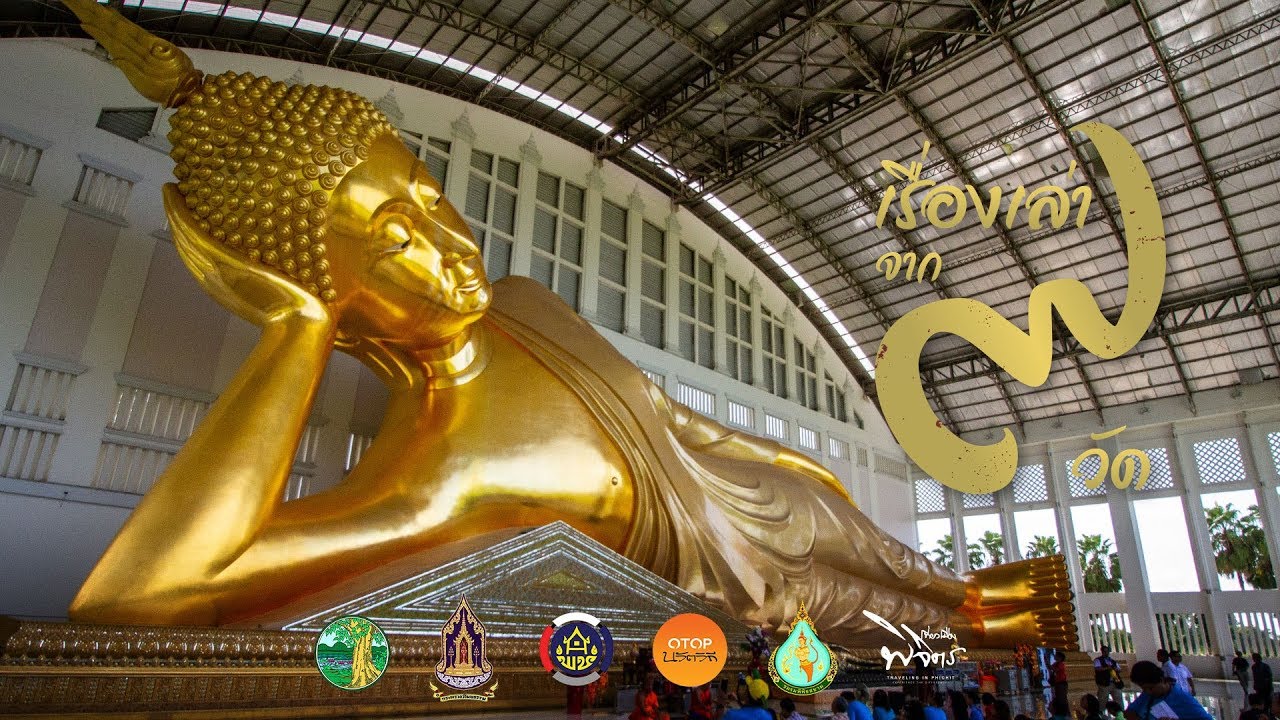
 Click to Access the Navigation Map GPS
Wat Sukhumaram Map
Gellery
Recommend

 Art, Culture and Heritage
 Historical Sites and Monuments(1)
 Art, Craft Centres, Tradition(1)
 Museums(1)
Temple(32)
Museums(1)
Temple(32)
 Other Sacred Sites(5)
 Research and Development
 Royal Project(1)
 Suburban Living
 Floating Market(1)
 Nature and Wildlife
 National Parks and Marine Reserves(1)
 Dam, Reservoir, Lake(3)
 River, Canal(2)
 Other natural attractions(1)
 Entertainment and Agricultural
 Animal camps and shows(1)
 Farms, Parks and Ecotourism(4)
 Travel Articles, Recipes
 Travel Review, Food Review(1)


