
lovethailand home >Central Travel Attractions >Pathum Thani Travel Attractions >Sam Khok >Ban Ngiw > Wat Pa Ngio
TL;DR: Wat Pa Ngio is located at Ban Ngio Subdistrict, Sam Khok District, Pathum Thani, on the Chao Phraya River, open Daily, hours 08.00 - 17.00.
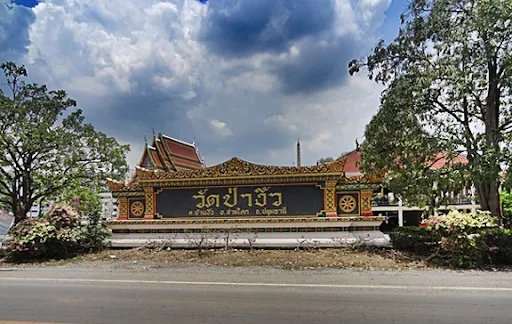
Wat Pa Ngio
Open Days: Daily
Opening Hours: 08.00 - 17.00
Wat Pa Ngio is a historic riverside temple in Ban Ngio, Sam Khok District, Pathum Thani, with a character shaped by both local history and old religious heritage. It is more than a community temple. The site brings together the memory of two abandoned temples, important old sacred objects, Mon-influenced architectural features, and historical narratives connected to the Ayutthaya period and the era of King Taksin.
For travelers looking for a cultural temple visit near Bangkok, Wat Pa Ngio offers a rewarding combination of old structures, historical storytelling, sacred images, and a calm riverside environment. It suits visitors who enjoy heritage sites with real local depth rather than temples known only for modern construction or decorative spectacle.
Wat Pa Ngio is a Mahanikaya temple located on the Chao Phraya River in Ban Ngio Subdistrict, Sam Khok District, Pathum Thani Province. The temple grounds are especially spacious because the temple was created by combining older temple areas together. The total land area is more than 90 rai, with about 45 rai forming the monastic compound itself.
The history of Wat Pa Ngio is unusual and highly interesting. The temple was established in 1915 through the merging of two abandoned temples, Wat Nang Yat and Wat Phaya Mueang. References to these earlier temples appear in the literary work Kamsuan Si Prach, making them part of a broader historical and cultural record. Wat Nang Yat stood on the northern riverside, while Wat Phaya Mueang stood on the southern side. Wat Pa Ngio was located in between, slightly inland, with access by canal.
The story of the two earlier temples is also linked to a major chapter in Thai history. According to local historical tradition, both temples were abandoned during the warfare of 1767, the year associated with the fall of Ayutthaya. It is said that after King Taksin defeated the Burmese forces at Pho Sam Ton and successfully restored Siamese independence, his naval forces stopped for one night at Wat Nang Yat and Wat Phaya Mueang to rest and cook food before continuing on to establish themselves at Thonburi.
When the later temple was formed from the two abandoned sites, it was named Wat Pa Ngio after the local area of Ban Ngio. This naming gives the temple a clear local identity and shows how closely it is tied to the community landscape. It is not simply a temple built on new land, but a place that gathers together several historical layers of the area into one active religious site.
Wat Pa Ngio received royal boundary consecration on 5 January 2009. This provides an important modern reference point in the temple’s formal religious status, even though the deeper history of the site reaches much further back through the earlier abandoned temples and older local narratives.
In terms of architecture and sacred structures, the temple has several notable features. The old ordination hall of Wat Nang Yat, now referred to as a viharn, still preserves its principal Buddha image and attendant images. Inside is Luang Pho Wat Nang Yat, a sandstone Buddha image in the Mara-Vijaya posture. This is one of the temple’s most important sacred objects and remains a key point of worship for visitors.
The Thai-style viharn is constructed with stone and decorated with stucco and glazed tiles, giving it a refined historical appearance. Its beauty lies not in monumental scale, but in the subtle details of traditional craftsmanship, the texture of the materials, and the quiet devotional atmosphere created by the sacred image inside.
The guest hall or prayer hall is also significant because its form reflects the general style found in Mon temples. It is raised above the ground and lined with rows of pillars supporting the roof on both sides. A principal Buddha image is enshrined inside, and a glass room has been arranged to display Buddha images from different periods. This architectural setting strengthens the impression that Wat Pa Ngio is a temple shaped by local riverine culture and Mon influence in the central region.
Beside the prayer hall are the monks’ quarters, while the sermon hall stands beyond the viharn of Luang Pho Ket Samut. The layout of the temple allows visitors to walk through its different sections in sequence and gradually understand how the compound reflects multiple historical phases rather than a single construction period.
The temple also preserves several important antiquities, including red sandstone boundary stones, an Ayutthaya-period principal Buddha image from the old ubosot, scripture cabinets, ancient folding manuscripts, and old ponds such as Sa Mod and other historic water features. These elements make Wat Pa Ngio much more than a place of worship. It is also a heritage site containing objects and spatial traces that help explain the longer history of the local area.
For visitors interested in Pathum Thani’s local history, Wat Pa Ngio stands out because it connects many strands of the past at once: abandoned temples, Ayutthaya-era memory, King Taksin’s campaign route, Mon-style religious architecture, and the ongoing life of a present-day temple. This layered identity gives the visit far more depth than a simple merit-making stop.
The atmosphere of the temple remains quiet and grounded in community life. Rather than presenting itself through grand new construction, it draws interest from what has been preserved and remembered. Visitors can take time to observe the viharn, pay respect to the sacred images, appreciate the older structures, and absorb the feeling of an old riverside temple that continues to hold meaning for its community.
Wat Pa Ngio also works well as part of a wider temple route through Ban Ngio and Sam Khok. It can be combined with nearby temples such as Wat Phai Lom, Wat Ampu Wararam, or Wat Song Phi Nong, making it a strong stop for travelers exploring the historic riverside culture of this district.
Visitors should move through the temple respectfully and carefully, especially around old architectural elements and antiquities. The temple’s value lies in its historical continuity and preserved heritage, so modest behavior, quiet observation, and care for the surroundings are especially appropriate here.
Getting There Wat Pa Ngio is most conveniently reached by private car via Highway 3309 through Ban Ngio Subdistrict, Sam Khok District, Pathum Thani. The temple is close to the Chao Phraya riverside route and can easily be linked with other nearby temples in the area. Travelers using public transport should first reach Sam Khok District and continue by local transport within the area.
| Name | Wat Pa Ngio |
| Location | Ban Ngio Subdistrict, Sam Khok District, Pathum Thani, on the Chao Phraya River |
| Address | Highway 3309, Ban Ngio, Sam Khok, Pathum Thani |
| Coordinates | 14.08549, 100.5333 |
| Highlights | Viharn of Luang Pho Wat Nang Yat, sandstone Buddha image, Mon-style prayer hall, important antiquities, local history linked to King Taksin |
| History | Established in 1915 from the merger of two abandoned temples, Wat Nang Yat and Wat Phaya Mueang, with deeper historical roots reaching back to the Ayutthaya period |
| Name Origin | Named after the local area of Ban Ngio |
| Distinctive Features | A temple formed from older abandoned temple sites, with preserved antiquities and architecture reflecting local Mon riverside culture |
| Travel Information | Reachable by car via Highway 3309 in Ban Ngio, or by local transport after arriving in Sam Khok District |
| Current Status | Active temple with ongoing contemporary temple activities |
| Abbot / Caretaker | Phra Khru Wimonkitjanukul |
| Nearby Tourist Attractions | 1. Wat Phai Lom – 1 km 2. Wat Ampu Wararam – 2 km 3. Wat Song Phi Nong – 3 km 4. Wat Suan Mamuang – 4 km 5. Wat Bot, Sam Khok – 10 km |
| Nearby Restaurants | 1. Riverside Restaurant at Wat Ampu Wararam – 2 km. Tel. 080-901-1898, 081-192-8507 2. Krua Hia Lek – 6 km. Tel. 065-939-6788 3. Baan Kieng Nam Restaurant – 12 km. Tel. 083-806-3860, 02-147-4719 4. Ros Pathum Restaurant – 14 km. Tel. 065-291-2673, 064-741-9166 5. Riverside eateries near Sam Khok market area – 10 km |
| Nearby Accommodations | 1. River View Pathum Hotel & Residence – 14 km. Tel. 065-291-2671, 065-291-2672 2. Pan Ville Resort – 16 km. Tel. 02-101-1993 3. The Pine Resort – 19 km. Tel. 02-978-8851-4, 092-451-6546 4. Tinidee Hotel Bangkok Golf Club – 28 km. Tel. 02-147-5858, 063-205-7034 5. Bangkok Golf Spa Resort – 29 km |
Frequently Asked Questions (FAQ)
Q: Where is Wat Pa Ngio located?
A: Wat Pa Ngio is in Ban Ngio Subdistrict, Sam Khok District, Pathum Thani, on the Chao Phraya River.
Q: How was Wat Pa Ngio formed?
A: The temple was established in 1915 through the merging of two abandoned temples, Wat Nang Yat and Wat Phaya Mueang.
Q: What are the important things to see at the temple?
A: Important highlights include Luang Pho Wat Nang Yat, the old Thai-style viharn, the Mon-style prayer hall, red sandstone boundary stones, old scripture cabinets, and ancient manuscripts.
Q: How is the temple connected to King Taksin?
A: Local historical tradition says King Taksin’s naval forces once stopped at the earlier temples in this area for one night after the campaign that restored Siamese independence.
Q: What kind of trip is Wat Pa Ngio suitable for?
A: It is well suited to travelers interested in old temples, local history, cultural routes, and riverside heritage in Sam Khok.
Q: Who is the abbot of Wat Pa Ngio?
A: Recent temple activity information identifies the abbot as Phra Khru Wimonkitjanukul.
 Category: ●Places of Worship
 Group: ●Temple
Last Update : 6 MonthAgo
 Last Update : 6 MonthAgo
 Click to Access the Navigation Map GPS
 Art, Culture and Heritage
 Historical Sites and Monuments(2)
 Landmarks and Memorials(1)
 Art, Craft Centres, Tradition(2)
 Museums(11)
 Art Gallery(1)
 Educational Places
 Museum for Study(1)
 Library(1)
 Training Center(1)
Temple(44)
Training Center(1)
Temple(44)
 Mosque(1)
 Other Sacred Sites(1)
 Research and Development
 Royal Project(1)
 Suburban Living
 Local Market(2)
 Floating Market(3)
 Nature and Wildlife
 River, Canal(1)
 Entertainment and Agricultural
 Animal camps and shows(1)
 Stadium(2)
 Amusement Park(1)
 Waterpark(1)


