
lovethailand home >North Travel Attractions >Nakhon Sawan Travel Attractions >Nong Bua >Nong Klap > Wat Nong Klap Local Museum
TL;DR: Wat Nong Klap Local Museum is located at Wat Nong Klap, Nong Bua District, Nakhon Sawan, Thailand, open Open daily, hours 08:00–17:00.

Wat Nong Klap Local Museum
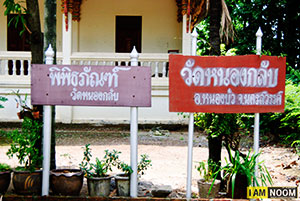
Open Days: Open daily
Opening Hours: 08:00–17:00
Wat Nong Klap Local Museum is a valuable cultural learning site in Nakhon Sawan Province, located within Wat Nong Klap in Nong Bua District. The museum preserves a wide range of antiques and historical objects, including coins, banknotes, postage stamps, sacred objects related to Luang Pho Derm, traditional animal-catching tools, ancient weapons, antique clocks, porcelain wares, and pottery. It is a meaningful destination for travelers who want to understand Thai rural heritage, local collecting culture, Buddhist faith, and the material history of everyday life in central Thailand.
The museum is not simply a collection of old objects. It functions as a local archive that connects objects with memory, belief, and community identity. Each item helps visitors see how people in earlier generations lived, worked, communicated, traded, protected themselves, and expressed religious devotion. For this reason, Wat Nong Klap Local Museum is suitable for students, researchers, collectors, cultural travelers, and anyone interested in Thai local history.
One of the most notable sections of the museum is the collection of coins and banknotes dating from the reigns of King Rama I to King Rama IX. These items provide a visual overview of Thailand’s monetary history. The designs, materials, symbols, and printing styles of each period reflect social, economic, political, and technological changes across different eras. For visitors, the collection offers a practical way to understand history through objects that were once part of daily transactions.
The stamp collection is another important part of the museum. Thai postage stamps are more than postal tools; they often commemorate national events, royal ceremonies, important figures, cultural heritage, architecture, flora, fauna, and historical milestones. Seeing these stamps together allows visitors to trace the development of Thai communication and public memory through miniature works of art.
The museum also displays sacred objects connected with Luang Pho Derm, one of the most revered monk masters of Nakhon Sawan. Luang Pho Derm is widely respected among local people and devotees, and he is often called the “Spiritual Guardian of Mueang Si Khwae.” His reputation for spiritual power and compassion remains deeply rooted in the region. Within Wat Nong Klap, a life-size image of Luang Pho Derm, created in 1939, is enshrined in the Luang Pho Derm Viharn.
The Luang Pho Derm Viharn was built in 1983 by Phra Kru Wapi Pathum Rak, the current abbot associated with Wat Nong Klap. This viharn is not only a place of worship but also an important spiritual landmark for the local community. For visitors, it adds a religious and devotional dimension to the museum experience, linking antiques and historical objects with living Buddhist faith.
The ancient weapons displayed in the museum include matchlock firearms, spears, and pointed wooden weapons. These objects reflect the realities of earlier community life, when tools for protection, hunting, and survival were part of everyday existence. They also reveal the craftsmanship and technical knowledge of past generations, especially in metalworking, woodworking, and weapon maintenance.
Traditional animal-catching tools provide another perspective on local livelihoods. These tools show how people once depended closely on natural resources for food and survival. They also reflect practical intelligence, environmental knowledge, and techniques passed down through generations. Such objects help visitors understand the relationship between rural communities and the natural world.
Antique clocks in the collection reveal the evolution of timekeeping technology and design. Their mechanical structures, decorative forms, and materials make them both functional artifacts and artistic objects. They also show how imported or modernized items gradually entered local communities and became part of household life.
The porcelain and pottery collection reflects taste, trade, craftsmanship, and domestic culture. Porcelain wares are often linked to regional trade and cultural exchange, while pottery represents everyday utility and local material knowledge. Together, these objects help explain how households in the past stored food, prepared meals, received guests, and expressed social status through material culture.
Getting There is most convenient by private car. Travelers can head to Nong Bua District in Nakhon Sawan Province and continue to Wat Nong Klap. Visitors using public transportation can travel first to Nakhon Sawan city, then continue by local transport or hired vehicle to Nong Bua District and Wat Nong Klap. Because the site is located within a temple, visitors should dress politely and behave respectfully while walking through the temple grounds.
A visit to Wat Nong Klap Local Museum offers more than a simple look at antiques. It is a journey through local memory, material culture, and Buddhist devotion. The museum helps preserve objects that might otherwise disappear from public memory and presents them in a setting where visitors can connect history with a real community. For travelers exploring Nakhon Sawan beyond the main city, this museum is a worthwhile cultural stop.
| Name | Wat Nong Klap Local Museum |
| Location | Wat Nong Klap, Nong Bua District, Nakhon Sawan, Thailand |
| Highlights | Antiques, coins, banknotes, stamps, Luang Pho Derm sacred objects, ancient weapons, antique clocks, porcelain, pottery |
| History | Local museum preserving rural lifestyle artifacts, monetary history, and Buddhist devotion |
| Distinctive Features | Temple-based museum combining antiques, cultural heritage, and religious significance |
| Main Sacred Object | Life-size statue of Luang Pho Derm (1939) |
| Main Building | Luang Pho Derm Viharn (built in 1983) |
| Abbot / Caretaker | Phra Kru Wapi Pathum Rak |
| Travel Information | Drive to Nong Bua District, then continue to Wat Nong Klap. Public transport via Nakhon Sawan city + local transport |
| Current Status | Open as a local museum and cultural learning site |
| Open Days | Open daily |
| Opening Hours | 08:00–17:00 |
| Fees | Free admission |
| Nearby Tourist Attractions | 1. Wat Nong Bua – 5 km 2. Wat Thep Suthawas – 4 km 3. Wat Pa Siriwatthanawisut – 12 km 4. Bueng Boraphet – 60 km 5. Pasan Landmark – 72 km |
| Nearby Restaurants | 1. Krua Baan Suan Nong Bua – 4 km 2. Nong Bua Boat Noodles – 5 km 3. Baan Suan Restaurant – 6 km 4. Rim Thang Kitchen – 7 km 5. Baan Thung Cafe – 8 km |
| Nearby Accommodations | 1. Nong Bua Local Resort – 5 km 2. Garden Resort Nong Bua – 7 km 3. Highway Guesthouse – 10 km 4. Chum Saeng Hotel – 38 km 5. Nakhon Sawan City Hotel – 70 km |
Frequently Asked Questions (FAQ)
Q: Where is Wat Nong Klap Local Museum located?
A: It is located within Wat Nong Klap in Nong Bua District, Nakhon Sawan Province, Thailand.
Q: What can visitors see inside the museum?
A: Visitors can see coins, banknotes, stamps, sacred objects related to Luang Pho Derm, ancient weapons, antique clocks, porcelain, pottery, and traditional tools.
Q: Who was Luang Pho Derm?
A: Luang Pho Derm was a highly respected monk master of Nakhon Sawan, widely revered by local people and often called the Spiritual Guardian of Mueang Si Khwae.
Q: Is there an entrance fee?
A: No, admission is free.
Q: How can visitors get there?
A: The most convenient way is by private car to Nong Bua District, then to Wat Nong Klap. Public transport users can travel to Nakhon Sawan and continue by local transport.
Q: How long should visitors spend at the museum?
A: Around 1 hour is suitable for viewing the museum and paying respect at the Luang Pho Derm Viharn.
 Category: ●Art, Culture and Heritage
 Group: ●Museums
Last Update : 1 MonthAgo
 Last Update : 1 MonthAgo
 Click to Access the Navigation Map GPS
Wat Nong Klap Local Museum Map
Recommend
 Historical Sites and Monuments(3)
 Landmarks and Memorials(4)
 Art, Craft Centres, Tradition(9)
Museums(3)
Art, Craft Centres, Tradition(9)
Museums(3)
 Educational Places
 Museum for Study(1)
 Places of Worship
 Temple(34)
 Other religious and spiritural sites(4)
 Research and Development
 Royal Project(1)
 Suburban Living
 Village, Community(4)
 Local Market(2)
 Floating Market(1)
 Nature and Wildlife
 National Parks and Marine Reserves(3)
 Mountain (Doi)(3)
 Dam, Reservoir, Lake(6)
 Waterfalls(3)
 Caves(8)
 River, Canal(6)
 Other natural attractions(3)
 Entertainment and Agricultural
 Zoos and Aquariums(2)
 Animal camps and shows(1)
 Farm, Parks, Gardens and Ecotourism(6)
 Accommodation
 Hotel(1)
 Travel Articles, Recipes
 Travel Review, Food Review(3)


