
lovethailand home >North Travel Attractions >Nakhon Sawan Travel Attractions >Takeli >Chan Sen > Chan Sen Ancient City
TL;DR: Chan Sen Ancient City is located at Wat Chan Sen, Chan Sen Subdistrict, Takhli District, Nakhon Sawan, Thailand, open Wednesday–Sunday and public holidays, hours 09:00–16:00.

Chan Sen Ancient City
Open Days: Wednesday–Sunday and public holidays
Opening Hours: 09:00–16:00
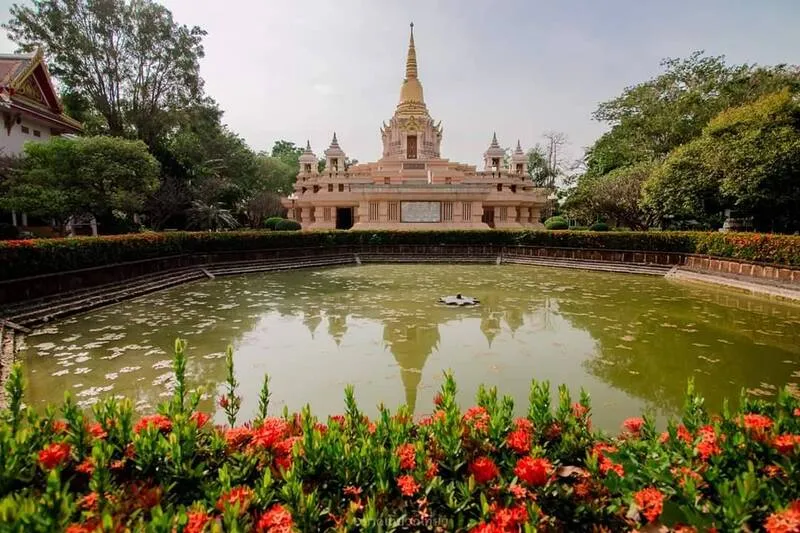
Chan Sen Ancient City and Chan Sen Museum is one of the most important historical and archaeological attractions in Nakhon Sawan Province, located in Chan Sen Subdistrict, Takhli District. This destination offers a rare opportunity to explore an ancient Dvaravati-era settlement, complete with visible moat structures, archaeological remains, and a well-curated local museum housed within Wat Chan Sen. It is especially suitable for travelers interested in Thai history, archaeology, cultural heritage, and community-based tourism.
Chan Sen represents a significant example of early settlement development in the upper central plains of Thailand. The ancient city is surrounded by an earthen embankment and moat, forming a rounded rectangular shape that is almost circular. The moat is approximately 20 meters wide, with the entire city measuring about 800 meters in length and 700 meters in width, covering roughly 300 rai. The inner area is slightly elevated compared to the surrounding land, which is why locals refer to it as “Khok Chan Sen.” Even today, the traces of the ancient moat remain clearly visible in the landscape.
The importance of Chan Sen lies in its continuous occupation from the late prehistoric period into the early Dvaravati period. Numerous archaeological artifacts have been discovered here, including terracotta Buddha amulets, clay figurines, oil lamps, lotus bases, Dharmachakra (Wheel of Dharma), polished stone axes, metal earrings, and bronze spearheads. These artifacts provide valuable insights into the daily life, beliefs, craftsmanship, and trade connections of the ancient community that once thrived in this area.
The Chan Sen Museum is located within Wat Chan Sen and serves as the main center for preserving and presenting these archaeological findings. What makes this museum unique is its integration with the local community and religious space. It is not just a standalone exhibition venue but part of a living cultural landscape where history, religion, and local identity are closely connected.
The construction of Phra Maha That Chedi Chan Sen was initiated by Phra Kru Nisai Jariyakhun, widely known as Luang Pho Od, the former abbot of Wat Chan Sen. His vision was to create a central spiritual and cultural landmark for the community. After his passing in 1989, Phra Kru Niwit Dhammakhun (Luang Pho Charoen) continued the project and successfully completed both the chedi and the museum, with strong support from local residents.
The design of the chedi is inspired by Dvaravati-style stupas, incorporating architectural details from that era. The upper section enshrines sacred Buddhist relics, while the central chamber houses “Luang Pho Nak,” a revered Buddha image in the Naga-protected posture brought from Lopburi. The base level functions as the museum, displaying historical information and artifacts related to Chan Sen, along with a statue of Luang Pho Od in honor of his contribution.
Inside the Chan Sen Museum, visitors can explore a wide range of exhibits that illustrate the history of the ancient city. Terracotta items such as Buddha amulets, figurines, and lamps reveal aspects of religious belief and daily life. Architectural fragments like lotus bases and Dharmachakra highlight the influence of Buddhism during the Dvaravati period. Stone and metal tools demonstrate technological advancement and craftsmanship in early communities.
Another distinctive aspect of Chan Sen is the strong involvement of the local community in preserving and sharing their heritage. The museum is supported by local volunteers, including student guides from nearby schools who help lead tours during weekends and holidays. This adds an engaging and authentic dimension to the visitor experience, allowing travelers to connect directly with local knowledge and storytelling.
Within the temple grounds, there is also a community weaving center run by local women. Visitors can see traditional weaving techniques using wooden looms and purchase locally made textiles such as cotton fabrics, mudmee (ikat) patterns, and tie-dyed cloth. This activity reflects the continuity of local wisdom and connects the historical past with present-day livelihoods.
Getting There is most convenient by private car. Travelers can drive to Takhli District in Nakhon Sawan and continue to Chan Sen Subdistrict and Wat Chan Sen. For those using public transport, it is possible to take a train and get off at Chan Sen Railway Station, then continue by local transport to the temple. Visitors should plan to spend at least 1–2 hours exploring the ancient city, the museum, the chedi, and the surrounding community area.
A visit to Chan Sen offers more than just sightseeing. It provides a deeper understanding of how ancient communities in central Thailand developed, how they interacted with their environment, and how cultural traditions have been preserved over time. Walking through the site is like reading history through real landscapes, real artifacts, and the living memory of the local people.
| Name | Chan Sen Ancient City and Chan Sen Museum |
| Location | Wat Chan Sen, Chan Sen Subdistrict, Takhli District, Nakhon Sawan, Thailand |
| Address | Wat Chan Sen, Chan Sen, Takhli, Nakhon Sawan 60260 |
| Highlights | Ancient Dvaravati moat, Chan Sen Museum, Phra Maha That Chedi, Luang Pho Nak Buddha image, archaeological artifacts |
| History | Settlement dating from late prehistoric period to early Dvaravati period |
| Name Origin | Raised mound inside the moat area locally called “Khok Chan Sen” |
| Distinctive Features | Rounded rectangular ancient city with moat about 20 meters wide, covering around 300 rai |
| Key Evidence | Terracotta amulets, figurines, lamps, Dharmachakra, stone tools, bronze weapons |
| Travel Information | Accessible by car via Takhli District or by train to Chan Sen Station followed by local transport |
| Current Status | Open as a historical attraction and local museum within Wat Chan Sen |
| Open Days | Wednesday–Sunday and public holidays |
| Opening Hours | 09:00–16:00 |
| Fees | Free admission |
| Main Areas / Zones | Ancient city area, moat, Wat Chan Sen, Phra Maha That Chedi, Chan Sen Museum, community weaving center |
| Main Contact Number | 089 803 6441, 092 801 4008 |
| Nearby Tourist Attractions | 1. Wat Chan Sen Naga Shrine – 1 km 2. Wat Chong Khae – 7 km 3. Tham Muni Hermitage – 9 km 4. Wat Sai, In Buri – 18 km 5. In Buri National Museum – 19 km |
| Nearby Restaurants | 1. Hu Ka Chong Cafe – 3 km Tel. 081 425 2455 2. Yung Khao Kitchen – 16 km 3. Im Aroi Phung Kang – 18 km 4. Pik Baan Cafe – 19 km 5. Ton Koon Restaurant – 28 km Tel. 095 598 3695 |
| Nearby Accommodations | 1. Baan Nai Suan Resort – 4 km Tel. 081 909 0119 2. Nattamon Garden Resort – 13 km Tel. 082 245 9982 3. Takhli Resort – 29 km Tel. 088 556 9928 4. Golf 19 Hotel – 31 km Tel. 056 261 085 5. Mamuang Pa Hillside Resort – 32 km |
Frequently Asked Questions (FAQ)
Q: Where is Chan Sen Ancient City located?
A: It is located within Wat Chan Sen in Chan Sen Subdistrict, Takhli District, Nakhon Sawan Province, Thailand.
Q: What are the opening days of Chan Sen Museum?
A: The museum is open from Wednesday to Sunday and on public holidays, from 09:00 to 16:00.
Q: Is there an entrance fee?
A: No, admission is free for all visitors.
Q: Why is Chan Sen historically important?
A: It represents an ancient settlement with continuous development from the prehistoric period to the Dvaravati era, with significant archaeological evidence.
Q: What can visitors see inside the museum?
A: Visitors can see artifacts such as terracotta objects, Buddha amulets, Dharmachakra, stone tools, and bronze weapons.
Q: Can I travel there by train?
A: Yes, you can take a train to Chan Sen Station and continue by local transport to Wat Chan Sen.
Q: How long should I spend visiting?
A: It is recommended to spend at least 1–2 hours exploring the site, museum, and surrounding areas.
 Category: ●Art, Culture and Heritage
 Group: ●Museums
Last Update : 5 MonthAgo
 Last Update : 5 MonthAgo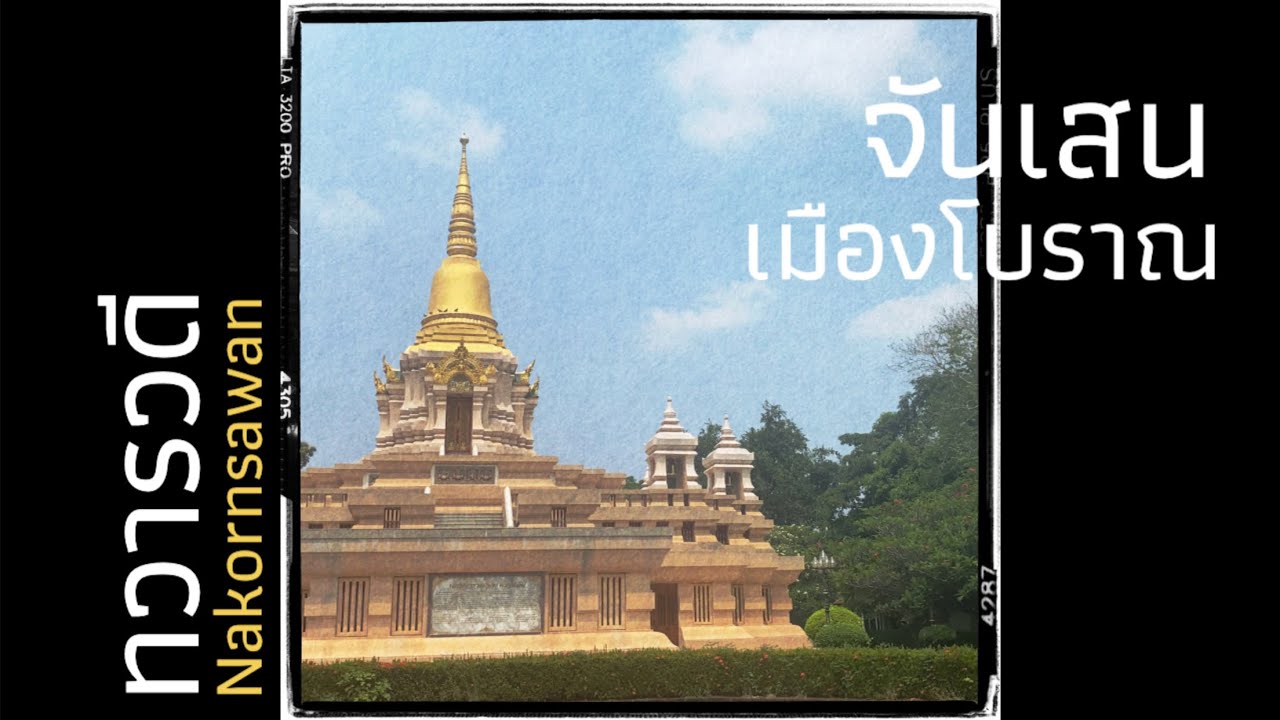
 Click to Access the Navigation Map GPS
Chan Sen Ancient City Map
Recommend

 Historical Sites and Monuments(3)
 Landmarks and Memorials(4)
 Art, Craft Centres, Tradition(9)
Museums(3)
Art, Craft Centres, Tradition(9)
Museums(3)
 Educational Places
 Museum for Study(1)
 Places of Worship
 Temple(34)
 Other Sacred Sites(4)
 Research and Development
 Royal Project(1)
 Suburban Living
 Village, Community(4)
 Local Market(2)
 Floating Market(1)
 Nature and Wildlife
 National Parks and Marine Reserves(3)
 Mountain (Doi)(3)
 Dam, Reservoir, Lake(6)
 Waterfalls(3)
 Caves(8)
 River, Canal(6)
 Other natural attractions(3)
 Entertainment and Agricultural
 Zoos and Aquariums(2)
 Animal camps and shows(1)
 Farms, Parks and Ecotourism(6)
 Accommodation
 Hotel(1)
 Travel Articles, Recipes
 Travel Review, Food Review(3)


