
lovethailand home >North Travel Attractions >Nakhon Sawan Travel Attractions >Chum Saeng >Phai Sing > Thai-Songdam Tribe is Village
TL;DR: Thai-Songdam Tribe is Village is located at Village No. 2, Phai Sing Subdistrict, Chum Saeng District, Nakhon Sawan Province, open Please Contact in Advance, hours Please Contact in Advance.
Thai-Songdam Tribe is Village
Open Days: Please Contact in Advance
Opening Hours: Please Contact in Advance
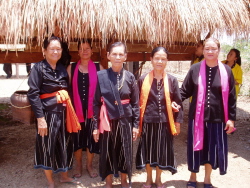
Ban Phai Sing Thai Song Dam Community is located in Village No. 2, Phai Sing Subdistrict, Chum Saeng District, Nakhon Sawan Province. It is a cultural tourism destination that presents the living heritage of the Thai Song Dam ethnic group through language, traditional dress, local food, housing styles, customs, traditions, and rituals that continue to be preserved within the community. This destination is suitable for travelers who want to understand Nakhon Sawan beyond temples and natural landmarks, especially through the lens of ethnic culture and community-based tourism.
The origin of the name Ban Phai Sing is closely connected to the local landscape and oral history. According to stories told by villagers, this area was once an elevated piece of land covered with bamboo forest and home to many kinds of wild animals. A hunter named Sing, who was skilled in forest survival, was said to be the first person to stay in this forested area. His presence later became part of the community’s memory and the origin of the village name.
Later, two Thai Song Dam elders named Ta Phak and Yai Choi migrated from Ban Khok Khom in Phetchaburi Province and settled in this area together with Hunter Sing. As later generations of Thai Song Dam families moved in, the population gradually increased and the settlement grew into a recognizable community. The villagers first referred to the place as Ban Phai Ta Sing, a name that reflected both the bamboo forest and Hunter Sing, before the name gradually changed into Ban Phai Sing, as it is known today.
The name of the village is therefore more than a geographical label. It preserves the memory of the bamboo forest, the first forest dweller, and the migration of the Thai Song Dam people from Phetchaburi to Nakhon Sawan. For visitors, this background gives the community a strong sense of place and helps explain why Ban Phai Sing is meaningful as both a settlement and a cultural heritage site.
The most distinctive identity of Ban Phai Sing lies in its Thai Song Dam culture. The community is known for preserving its ethnic language, traditional dark-colored clothing, food culture, housing patterns, customs, and rituals. These elements are not merely displays for tourism; they remain connected to daily life, family memory, and community practices that have been passed down through generations.
For travelers interested in culture, Ban Phai Sing offers an opportunity to observe the Thai Song Dam way of life in a living community setting. Visitors can learn about the role of language in identity, the meaning of traditional dress, the importance of food in community life, and the connection between houses, beliefs, ancestors, and ceremonies. These details make the visit more meaningful than a simple sightseeing stop.
The charm of Ban Phai Sing does not come from grand architecture or large-scale attractions. Instead, it comes from the authenticity of a community that continues to preserve its roots. The village atmosphere allows visitors to slow down, listen to local stories, and understand how ethnic identity survives through everyday practices. This makes the community especially valuable for cultural travelers, students, researchers, and anyone interested in local history.
The community is also associated with cultural performances and local products that reflect the pride of the Thai Song Dam people. Traditional dress, food, house-building styles, customs, and ceremonies all contribute to the character of Ban Phai Sing. Together, they make the village an important cultural learning site in Chum Saeng District and one of the more distinctive community-based attractions in Nakhon Sawan Province.
Getting There Visitors can travel by private car from Nakhon Sawan city toward Chum Saeng District, then continue to Village No. 2 in Phai Sing Subdistrict. The community can be combined with nearby cultural sites such as Wat Phai Sing, Wat Koei Chai Nuea, and local attractions around Chum Saeng. For group visits or cultural learning activities, it is recommended to contact Wat Phai Sing School, Wat Phai Sing, or the local administrative organization in advance.
Ban Phai Sing Thai Song Dam Community is one of the cultural destinations in Nakhon Sawan that reveals the province’s human and ethnic diversity. While Nakhon Sawan is widely known for rivers, temples, and viewpoints, this community offers a deeper perspective through migration history, local memory, ethnic identity, and the continuing cultural practices of the Thai Song Dam people.
| Name | Ban Phai Sing Thai Song Dam Community |
| Location | Village No. 2, Phai Sing Subdistrict, Chum Saeng District, Nakhon Sawan Province |
| Highlights | Thai Song Dam cultural learning community, ethnic language, traditional dress, local food, housing styles, customs, traditions, and rituals |
| History | The area was once an elevated land with bamboo forest and wildlife. Thai Song Dam migrants from Ban Khok Khom, Phetchaburi, later settled here together with a hunter named Sing. |
| Name Origin | Originally called Ban Phai Ta Sing after the bamboo forest and Hunter Sing, the name later changed into Ban Phai Sing. |
| Distinctive Features | A Thai Song Dam ethnic community that preserves language, clothing, food culture, traditional houses, customs, and rituals. |
| Travel Information | Travel by private car from Nakhon Sawan city to Chum Saeng District, then continue to Phai Sing Subdistrict, Village No. 2. |
| Current Status | An active ethnic cultural community and community-based tourism destination in Chum Saeng District, Nakhon Sawan. |
| Main Contact Number | Wat Phai Sing School Tel. 056-200-745 / Koei Chai Subdistrict Administrative Organization Tel. 056-282-784 |
| Official Website / Official Page | Wat Phai Sing School / Koei Chai Subdistrict Administrative Organization / Tourism Authority of Thailand and cultural database listings |
| Nearby Tourist Attractions | 1. Wat Phai Sing – approx. 1 km 2. Wat Koei Chai Nuea – approx. 12 km 3. Ban Koei Chai Museum – approx. 12 km 4. Chum Saeng Town Area – approx. 13 km 5. Bueng Boraphet – approx. 38 km |
| Nearby Restaurants | 1. Restaurants in Chum Saeng Town – approx. 13 km 2. Noodle and Local Food Shops in Chum Saeng Market – approx. 13 km 3. Local Roadside Restaurants in Koei Chai Subdistrict – approx. 12 km 4. Cafés and Drink Shops in Chum Saeng Town – approx. 13 km 5. Local Restaurants Along the Chum Saeng–Nakhon Sawan Route – approx. 15 km |
| Nearby Accommodations | 1. Accommodations in Chum Saeng Town – approx. 13 km 2. Homestays or Community-Style Stays in Nearby Areas – approx. 13 km 3. Hotels in Nakhon Sawan City – approx. 40 km 4. 42C The Chic Hotel – approx. 42 km 5. Bonito Chinos Hotel – approx. 40 km |
Frequently Asked Questions (FAQ)
Q: Where is Ban Phai Sing Thai Song Dam Community located?
A: It is located in Village No. 2, Phai Sing Subdistrict, Chum Saeng District, Nakhon Sawan Province.
Q: Why is Ban Phai Sing important?
A: It is a Thai Song Dam ethnic community that preserves language, traditional dress, food culture, housing styles, customs, and rituals.
Q: What is the origin of the name Ban Phai Sing?
A: The name comes from the bamboo forest in the area and a hunter named Sing who was said to be the first person to stay there. The original name Ban Phai Ta Sing later became Ban Phai Sing.
Q: What can visitors learn from this community?
A: Visitors can learn about Thai Song Dam culture, including language, clothing, local food, traditional houses, customs, and rituals.
Q: Should visitors contact the community before visiting?
A: Yes. Visitors, especially groups, should contact Wat Phai Sing School or local authorities in advance if they want cultural activities or guided learning.
Q: Who is this destination suitable for?
A: It is suitable for travelers interested in ethnic culture, community-based tourism, local history, and the Thai Song Dam way of life.
Tel : 056282748
 Tel : 056282748
 Category: ●Suburban Living
 Group: ●Village, Community
Last Update : 6 MonthAgo
 Last Update : 6 MonthAgo
 Click to Access the Navigation Map GPS
Thai-Songdam Tribe is Village Map
Recommend

 Art, Culture and Heritage
 Historical Sites and Monuments(3)
 Landmarks and Memorials(4)
 Art, Craft Centres, Tradition(9)
 Museums(3)
 Educational Places
 Museum for Study(1)
 Places of Worship
 Temple(34)
 Other Sacred Sites(4)
 Research and Development
 Royal Project(1)
Village, Community(4)
Royal Project(1)
Village, Community(4)
 Local Market(2)
 Floating Market(1)
 Nature and Wildlife
 National Parks and Marine Reserves(3)
 Mountain (Doi)(3)
 Dam, Reservoir, Lake(6)
 Waterfalls(3)
 Caves(8)
 River, Canal(6)
 Other natural attractions(3)
 Entertainment and Agricultural
 Zoos and Aquariums(2)
 Animal camps and shows(1)
 Farms, Parks and Ecotourism(6)
 Accommodation
 Hotel(1)
 Travel Articles, Recipes
 Travel Review, Food Review(3)


