
lovethailand home >North Travel Attractions >Nakhon Sawan Travel Attractions >Muang Nakhon Sawan >Pak Nam Pho > Tang Tham Luang Tradition
TL;DR: Tang Tham Luang Tradition.
Tang Tham Luang Tradition
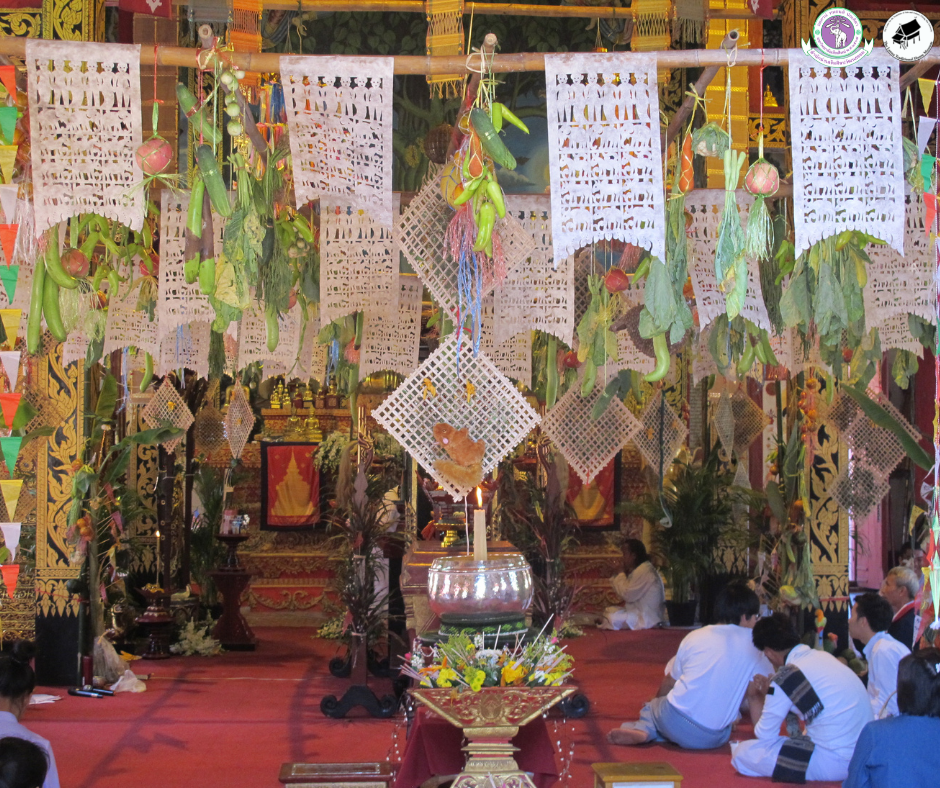
Festival Period: Commonly Held After Buddhist Lent, During Temple Merit-Making Events, Or Important Community Religious Ceremonies
Main Locations: Temples And Lanna Communities In Northern Thailand
Tang Tham Luang, Or The Mahachat Sermon Tradition, is an important Buddhist tradition in Lanna and Northern Thailand. It refers to the ceremonial recitation and preaching of the Maha Vessantara Jataka, the story of Prince Vessantara, who represents the perfection of generosity before becoming the Buddha in a later life. This tradition is not simply a temple sermon. It is a major community merit-making event that brings together Buddhist faith, local culture, community cooperation, and the preservation of Lanna religious heritage.
In the Lanna context, the term “Tang Tham Luang” means the setting up of a great Dhamma ceremony. The word “Tham Luang” refers to a major and lengthy sermon, especially the Maha Vessantara Jataka, which is divided into 13 chapters. Listening to Tang Tham Luang is therefore both a religious practice and a cultural experience through which people learn Buddhist teachings, absorb moral values, and participate in a shared act of merit.
The heart of Tang Tham Luang is the transmission of Buddhist teachings through the story of Prince Vessantara. He is regarded as a model of generosity, sacrifice, patience, compassion, and spiritual perfection. The Vessantara Jataka carries deep moral meaning, especially the perfection of giving, known as dana parami. Through the story, listeners are encouraged to reflect on attachment, compassion, forgiveness, and the path of spiritual cultivation.
For Lanna communities, Tang Tham Luang is more than a religious ceremony. It is an occasion for the temple and villagers to work together. Preparations include decorating the sermon hall, preparing offerings, inviting skilled monks to preach, assigning sponsors for each sermon chapter, and welcoming people who come to listen to the Dhamma. The event strengthens community bonds and allows everyone to participate in the same act of merit.
The Mahachat sermon tradition is closely connected with Theravada Buddhism and the Bodhisattva ideal. The Maha Vessantara Jataka is one of the most important stories in the Ten Great Birth Tales of the Buddha and is especially known for illustrating the perfection of generosity. In Thailand, Mahachat sermons are found in many regions, while in Lanna they developed a distinctive form through local language, chanting style, palm-leaf manuscripts, sermon melodies, and ritual atmosphere.
In the Lanna region, Tang Tham Luang has been passed down for generations, especially after Buddhism became firmly established in the old Lanna kingdom. Temples served as centers of religion, education, language, literature, and local custom. The Mahachat sermon therefore played an important role in strengthening Buddhist faith and preserving Lanna religious manuscripts and oral traditions.
One of the most important beliefs associated with Tang Tham Luang is that those who listen to all 13 chapters of the Mahachat sermon with sincere faith, while observing moral conduct, will gain great merit. Traditionally, it is believed that such merit may allow the listener to be born in the era of Maitreya, the future Buddha. This belief encourages many devotees to attend the sermon from beginning to end.
The preparation for Tang Tham Luang usually begins with a meeting among monks, temple committees, community leaders, and villagers. They decide the date of the event, assign sponsors for each sermon chapter, and plan the ceremony. The temple hall or preaching area is then decorated with flags, colored paper, banana trees, sugarcane, offerings, and sometimes visual representations of the Vessantara Jataka. These decorations create the atmosphere of a grand Buddhist merit-making event.
The monks invited to preach Tang Tham Luang are often skilled in reading traditional scriptures, using sermon melodies, and communicating the meaning of the story clearly. In Lanna, the sermon style differs from ordinary preaching. Some chapters are dramatic, some are deeply emotional, and others emphasize narrative rhythm. This helps listeners feel the moral and emotional depth of the Jataka story.
The Maha Vessantara Jataka is divided into 13 chapters: Thotsaphon, Himmaphan, Thanakan, Wanapawet, Chuchok, Chulaphon, Mahaphon, Kumar, Matri, Sakkabap, Maharaj, Chakasat, and Nakhonkan. These chapters form a continuous narrative, beginning with the causes of Queen Phusadi’s rebirth, moving through Prince Vessantara’s generosity, exile, forest life, the giving away of his children, the suffering of Princess Matri, divine testing, reconciliation, and the return to the city.
The first chapter, Thotsaphon, tells of the 10 blessings granted to Queen Phusadi before she was reborn as Prince Vessantara’s mother. Himmaphan describes the city of Sivi and the reason Prince Vessantara was exiled after giving away the auspicious elephant. Thanakan focuses on the great act of giving before leaving the city, while Wanapawet tells of the journey into the forest. Chuchok, Chulaphon, and Mahaphon involve the character Chuchok and his journey through the forest.
Kumar is one of the most important chapters because it presents Prince Vessantara’s giving of his son and daughter as an act of ultimate generosity. Matri is one of the most emotionally powerful chapters, focusing on Princess Matri’s grief when she returns and finds her children gone. Sakkabap describes Indra’s test of Vessantara, while Maharaj, Chakasat, and Nakhonkan lead the story toward reconciliation, return, and the completion of the narrative.
The importance of Tang Tham Luang lies not only in the content of the Jataka but also in its social role. Villagers sponsor sermon chapters, offer requisites and food, support the temple, and gather as a community. This collective act of merit strengthens relationships among families, relatives, and neighbors. Tang Tham Luang is therefore both a Buddhist ceremony and a social event that reinforces community identity.
In terms of local culture, Tang Tham Luang helps preserve the Lanna language and literary heritage. Many traditional Dhamma manuscripts were written in the Lanna script, and monks, novices, and local scholars learned to read, chant, and interpret them. The tradition therefore connects religion, language, literature, sermon melody, manuscript culture, and community life into one living practice.
Today, Tang Tham Luang continues in many areas of Northern Thailand, although some communities have adapted the format to modern life. Some temples shorten the schedule, adjust the program to local needs, or use sound systems to make the sermon easier to hear. Even with these changes, the essence remains the same: gathering people to listen to the Dhamma, make merit, and preserve Lanna Buddhist heritage.
Tang Tham Luang remains one of the clearest expressions of Lanna identity. It combines Buddhist faith, the relationship between temple and community, local language, sacred manuscripts, sermon melodies, and the belief in the merit of listening to all 13 chapters of the Mahachat sermon. As a living cultural tradition, it helps younger generations understand the spiritual and cultural roots of Northern Thailand.
| Tradition Name | Tang Tham Luang Or Mahachat Sermon Tradition |
| Main Region | Lanna Communities And Northern Thailand |
| Type Of Tradition | A Buddhist sermon ceremony centered on the Maha Vessantara Jataka, also known as the Mahachat sermon |
| Importance | A major merit-making event that spreads Buddhist teachings, strengthens faith, builds community unity, and preserves Lanna culture |
| Festival Period | Commonly held after Buddhist Lent, during temple merit-making events, or important community religious ceremonies |
| Main Content | The story of Prince Vessantara and the perfection of generosity in the Maha Vessantara Jataka |
| Number Of Chapters | 13 chapters: Thotsaphon, Himmaphan, Thanakan, Wanapawet, Chuchok, Chulaphon, Mahaphon, Kumar, Matri, Sakkabap, Maharaj, Chakasat, And Nakhonkan |
| Key Buddhist Teachings | Generosity, sacrifice, compassion, patience, forgiveness, and spiritual perfection |
| Belief | Devotees believe that listening to all 13 chapters with sincere faith brings great merit and may lead to rebirth in the era of Maitreya, the future Buddha |
| Participants | Monks, novices, temple committees, community leaders, sermon sponsors, and villagers |
| Cultural Value | Preserves Lanna language, Lanna script, Dhamma manuscripts, sermon melodies, and the relationship between temple and community |
Frequently Asked Questions (FAQ)
Q: What Is Tang Tham Luang?
A: Tang Tham Luang is a Lanna Buddhist tradition centered on listening to the Maha Vessantara Jataka, also known as the Mahachat sermon.
Q: Is Tang Tham Luang The Same As The Mahachat Sermon?
A: They are closely related. In Lanna, the Mahachat sermon is commonly called Tang Tham Luang, referring to a grand Dhamma preaching ceremony.
Q: How Many Chapters Are In The Maha Vessantara Jataka?
A: The Maha Vessantara Jataka has 13 chapters: Thotsaphon, Himmaphan, Thanakan, Wanapawet, Chuchok, Chulaphon, Mahaphon, Kumar, Matri, Sakkabap, Maharaj, Chakasat, and Nakhonkan.
Q: Why Is Tang Tham Luang Important In Lanna Culture?
A: It preserves Buddhist teachings, Lanna manuscripts, sermon melodies, local language, and the close relationship between temples and communities.
Q: What Is The Main Teaching Of The Vessantara Jataka?
A: The main teaching is the perfection of generosity, together with sacrifice, compassion, patience, and detachment.
Q: When Is Tang Tham Luang Usually Held?
A: It is commonly held after Buddhist Lent, during temple merit-making events, or during important religious occasions in local communities.
Q: Does Tang Tham Luang Still Exist Today?
A: Yes. It continues in many parts of Northern Thailand, although some communities have adapted the schedule and format to suit modern life.
 Category: ●Art, Culture and Heritage
 Group: ●Art, Craft Centres, Tradition
Last Update : 5 MonthAgo
 Last Update : 5 MonthAgo
Recommend

 Historical Sites and Monuments(3)
 Landmarks and Memorials(4)
Art, Craft Centres, Tradition(9)
Landmarks and Memorials(4)
Art, Craft Centres, Tradition(9)
 Museums(3)
 Educational Places
 Museum for Study(1)
 Places of Worship
 Temple(34)
 Other Sacred Sites(4)
 Research and Development
 Royal Project(1)
 Suburban Living
 Village, Community(4)
 Local Market(2)
 Floating Market(1)
 Nature and Wildlife
 National Parks and Marine Reserves(3)
 Mountain (Doi)(3)
 Dam, Reservoir, Lake(6)
 Waterfalls(3)
 Caves(8)
 River, Canal(6)
 Other natural attractions(3)
 Entertainment and Agricultural
 Zoos and Aquariums(2)
 Animal camps and shows(1)
 Farms, Parks and Ecotourism(6)
 Accommodation
 Hotel(1)
 Travel Articles, Recipes
 Travel Review, Food Review(3)


