
lovethailand home >North Travel Attractions >Chiang Rai Travel Attractions >Mae Lao >Chom Mok Kaeo > Doi Tung Wildlife Breeding Research Station
TL;DR: Doi Tung Wildlife Breeding Research Station is located at 170 Moo 10, Ban Nong Phak Huet, Chom Mok Kaeo, Mae Lao, Chiang Rai 57250, open Open daily, hours 08:30–16:30.
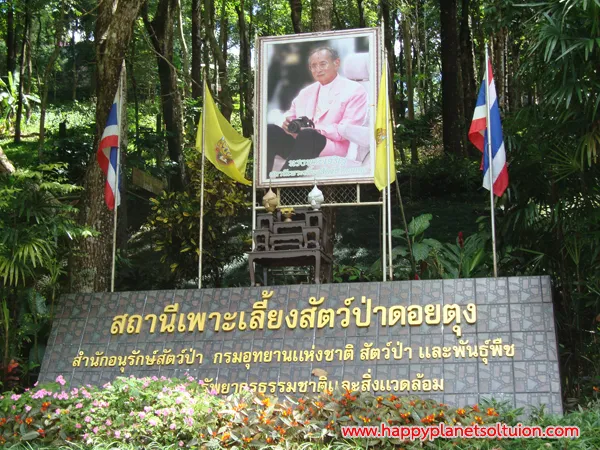
Doi Tung Wildlife Breeding Research Station
Open Days: Open daily
Opening Hours: 08:30–16:30
Doi Tung Wildlife Breeding Research Station, commonly known by many visitors as Mae Lao Wildlife Breeding Station, is one of Chiang Rai’s most worthwhile family-friendly attractions for travelers who enjoy wildlife, conservation learning, and a peaceful natural setting. Its appeal does not come only from the chance to see many kinds of wild animals at close range, but also from its role as a real conservation station where wildlife care, breeding, rehabilitation, and education are all part of the experience.
Doi Tung Wildlife Breeding Research Station is located at 170 Moo 10, Ban Nong Phak Huet, Chom Mok Kaeo Subdistrict, Mae Lao District, Chiang Rai, around 20 kilometers from Chiang Rai city. Because it is relatively easy to reach from town, it works very well as a half-day outing or as part of a wider Mae Lao day trip. The station is also popular because entry is free, making it an accessible place for families, school groups, and anyone interested in wildlife conservation without needing a large travel budget.
What makes this place stand out is that it is more than a simple animal display area. Visitors come here not only to see protected and rare animals, but also to understand how conservation work is carried out in practice. The station supports breeding programs, wildlife care, research, habitat recovery, and public education, which gives the visit a much deeper meaning than an ordinary sightseeing stop.
In historical terms, the station is closely tied to Thailand’s wider wildlife protection movement. Thailand had wildlife-related laws in the past, but in earlier periods some protections were limited in scope, such as laws focused mainly on elephants. After World War II, as hunting weapons became more effective and population growth increased pressure on forests, wildlife habitats were increasingly damaged and many species faced growing risks. This larger national context led to stronger wildlife protection efforts and to the development of stations that could support wildlife breeding and conservation work in a more systematic way.
Thailand’s Wildlife Reservation and Protection Act of 1960 became an important milestone in national wildlife conservation, and December 26 later came to be recognized as National Wildlife Protection Day. The research and breeding work associated with the Doi Tung and Mae Lao station is part of that broader conservation framework. In other words, the station should be seen not just as a tourist site, but as one element in a national effort to preserve wildlife populations and restore ecological balance.
The original Doi Tung wildlife breeding operation in Chiang Rai was involved in breeding and expanding populations of rare wildlife species such as hog deer, Eld’s deer, barking deer, deer species, bears, pheasants, and other protected animals on an area of around 149 rai. As animal numbers increased, however, the original site became too limited. The surrounding landscape was steep and mountainous, and there was not enough flat land for grass plots, water sources, and larger enclosures, especially for deer-related breeding programs that required more open ground.
Because of these limitations, a more suitable site was sought in Mae Lao District. The Mae San watershed management area in Chom Mok Kaeo was considered a better location because it offered broad flat ground, sufficient natural water, and enough space to expand breeding activities without creating excessive disturbance to nearby communities. This made it more suitable for building a larger support area for wildlife breeding, especially for hoofed mammals and other species needing more spacious and naturalistic environments.
The present area in Mae Lao covers about 1,093 rai and lies in a conservation forest zone. The terrain is foothill plain land with an average slope of around 35 degrees and an elevation of roughly 520–680 meters above sea level. The soil is sandy loam, and the site sits in a horseshoe-shaped valley, which helps collect rainfall and sustain the local environment. The northeastern and southeastern sides connect with reservoir and road access, which supports both habitat management and operational logistics for the station.
The surrounding landscape also helps explain why this site works well for conservation. To the north, it connects toward Doi Mae Korn in Mueang Chiang Rai District. To the south, it borders Dong Mada Subdistrict in Mae Lao. To the east, it connects with Pong Phrae Subdistrict, while the western side reaches toward the ridge of Doi Chang and highland agricultural zones. This broader setting gives the station a meaningful ecological context rather than isolating it as a standalone enclosure site.
The station has several major objectives. One is to study, test, and develop wildlife breeding techniques for economically valuable and rare species close to extinction. Another is to research wildlife nutrition, disease management, genetics, transport, control, marking, and release methods. It also plays a role in handling confiscated wildlife, restoring degraded forest areas into more suitable habitats, serving as a training and demonstration center for conservation work, and functioning as a public recreation and education destination. In a broader sense, it also contributes to helping Chiang Rai manage its natural resources more appropriately and sustainably.
Current activities inside the station show how wide this work really is. Wildlife under care is generally grouped into 3 categories. The first includes mammals such as deer, barking deer, clouded leopards, fishing cats, Asiatic black bears, Malayan sun bears, civets, common gibbons, macaques, northern spectacled langurs, and porcupines. The second includes birds such as peafowl, pheasants, ruddy shelducks, hornbills, and parrots. The third includes reptiles such as pythons, large constrictors, and yellow tortoises. In addition, the station grows food plants for animals, including bananas, papayas, pumpkins, vegetables, and corn, and also raises beetles as a supplementary food source for birds.
The station’s work further includes landscape maintenance, forest fire prevention, firebreak preparation across the full 1,093-rai area, and public outreach to encourage local communities and visitors to support wildlife and forest conservation. This means that a visit here offers a rare chance to see not only animals, but also the structure of real conservation management in action.
From a visitor’s perspective, the station is particularly suitable for families and educational trips. Children can learn about protected species by seeing them directly, while adults can enjoy a quiet walk through a green and shaded environment. Because admission is free, it is one of the easiest places in Chiang Rai to visit for a conservation-oriented outing that combines learning and relaxation.
Visitors should still follow clear rules while touring the station. Pets should not be brought into wildlife enclosure areas. No action should be taken that could harm wildlife or nature. Visitors should not tease animals or feed them inappropriate food. Some animals may become more aggressive during certain seasons, so it is important not to approach too closely. Loud noise should be avoided, weapons are prohibited, and all visitors should walk only in the designated areas and dispose of waste properly. These rules help protect both animals and visitors while preserving the station’s educational role.
The station is easy to reach from Chiang Rai city, making it a convenient addition to a broader Mae Lao travel route. Because it is only about 20 kilometers from the city, travelers can combine it with nearby attractions such as Wat Phra That Chom Mok Kaeo, local learning sites in Chom Mok Kaeo, Wat Rong Khun, or other stops in the Mae Lao area. This makes the station a practical and rewarding option for travelers who want more than one destination in a single day.
Getting There is easiest by private car. The route from Chiang Rai city is straightforward, and once visitors arrive, the station is easy to explore on foot without requiring heavy physical effort. This makes it suitable for children, seniors, and families who want a slower-paced and informative day out.
Overall, Doi Tung Wildlife Breeding Research Station in Mae Lao is much more than a breeding station. It is a conservation center, an educational site, and a peaceful natural attraction where visitors can better understand the value of wildlife protection. For anyone looking for a Chiang Rai destination that offers both substance and a calm outdoor atmosphere, it is one of the most useful and family-friendly choices in the province.
| Name | Doi Tung Wildlife Breeding Research Station (Mae Lao Wildlife Breeding Station) |
| Location | 170 Moo 10, Ban Nong Phak Huet, Chom Mok Kaeo, Mae Lao, Chiang Rai 57250 |
| Coordinates | Approx. 19.7599, 99.6436 |
| Highlights | Rare wildlife viewing, conservation learning, shaded natural setting, and family-friendly educational travel |
| History | Developed from the wildlife breeding mission associated with Doi Tung and expanded into the Mae San watershed area in Mae Lao |
| Distinctive Features | A foothill conservation site in a horseshoe-shaped valley with natural water sources, suitable for deer-related breeding and rare wildlife conservation |
| Travel Information | Around 20 km from Chiang Rai city via the Ban Nong Phak Huet turnoff in Chom Mok Kaeo, Mae Lao District |
| Current Status | Still operating as a wildlife breeding station and conservation learning destination in Chiang Rai |
| Open Days | Open daily |
| Opening Hours | 08:30–16:30 |
| Fees | Free admission |
| Facilities | Walking area, shaded grounds, learning space, parking, restrooms |
| Main Areas / Zones | Mammal zone, bird zone, reptile zone, animal feed plots, conservation learning areas |
| Main Contact Number | 08 9999 8816, 08 9755 2027, 053 600758 |
| Official Website / Official Page | Facebook: Mae Lao Wildlife Breeding Station |
| Nearby Tourist Attractions | 1. Wat Phra That Chom Mok Kaeo 8 km 2. Gumpor Art Studio 7 km 3. Eden Organic Learning Garden 8 km 4. Wat Rong Khun 17 km 5. Singha Park Chiang Rai 20 km |
| Nearby Restaurants | 1. Tiew Tun Namman Rai 10 km. Tel. 081 024 8488, 086 189 3694 2. Phanorama Cafe 7 km 3. Bo Kung Lung Pae 8 km 4. Ryokan Cafe 14 km 5. Laddawan Chiang Rai 11 km |
| Nearby Accommodations | 1. Suan Kaew Resort 7 km. Tel. 084 949 5180, 053 918154, 053 666927 2. Chinda Resort Chiang Rai 9 km 3. Chiangrai Ryokan 14 km 4. Doowall Hotel 16 km 5. Akhara Resort & Villa 17 km |
Frequently Asked Questions (FAQ)
Q: Where is Doi Tung Wildlife Breeding Research Station located?
A: It is located in Ban Nong Phak Huet, Moo 10, Chom Mok Kaeo Subdistrict, Mae Lao District, Chiang Rai, about 20 kilometers from Chiang Rai city.
Q: Is there an entrance fee?
A: No. Visitors can enter free of charge, which makes it a very accessible family attraction in Chiang Rai.
Q: What animals can be seen here?
A: Visitors may see mammals, birds, and reptiles such as deer, barking deer, clouded leopards, fishing cats, bears, pheasants, peafowl, and some reptiles.
Q: Who is this place suitable for?
A: It is ideal for families, children, students, and anyone interested in wildlife conservation and nature-based learning.
Q: What rules should visitors follow?
A: Visitors should avoid making loud noise, teasing animals, feeding unsuitable food, bringing pets near enclosures, and entering undesignated areas.
Q: How long should I plan for a visit?
A: Around 1–2 hours is usually enough for a relaxed visit around the station and its wildlife viewing areas.
 Category: ●Nature and Wildlife
 Group: ●National Parks and Marine Reserves
Last Update : 6 MonthAgo
 Last Update : 6 MonthAgo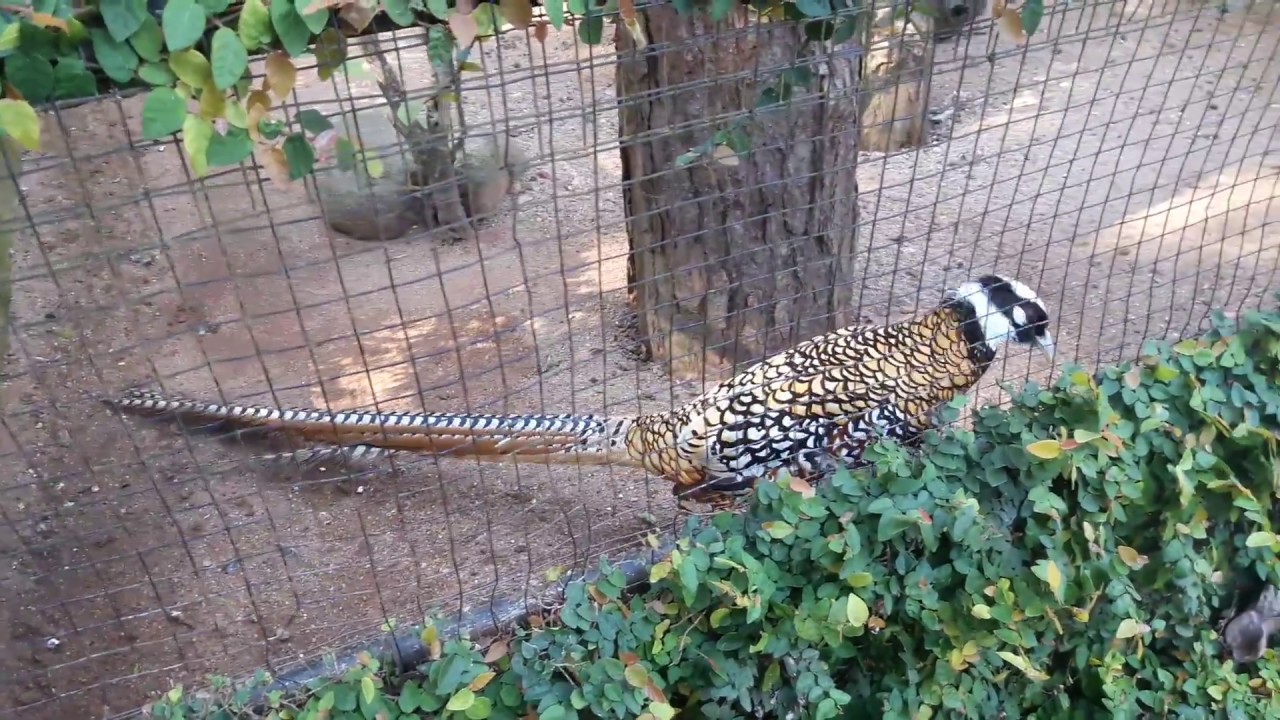
 Click to Access the Navigation Map GPS
Doi Tung Wildlife Breeding Research Station Map
Recommend

 Art, Culture and Heritage
 Historical Sites and Monuments(3)
 Landmarks and Memorials(7)
 Art, Craft Centres, Tradition(6)
 Museums(8)
 Historic Homes and Cities(1)
 Educational Places
 Museum for Study(1)
 Library(1)
 Educational Gardens, Farm(3)
 Places of Worship
 Temple(38)
 Other Sacred Sites(5)
 Research and Development
 Royal Project(9)
 Suburban Living
 Village, Community(16)
 Local Market(5)
National Parks and Marine Reserves(20)
Local Market(5)
National Parks and Marine Reserves(20)
 Mountain (Doi)(20)
 Dam, Reservoir, Lake(8)
 Waterfalls(16)
 Hot Springs(6)
 Caves(8)
 River, Canal(10)
 Sea, Beach(1)
 Other natural attractions(3)
 Entertainment and Agricultural
 Animal camps and shows(1)
 Farms, Parks and Ecotourism(9)
 Waterpark(1)
 Shopping
 Shopping and Night Market(2)
 Call Customer Service in Tourism
 Call Customer Service in Tourism(1)
 Travel Articles, Recipes
 Travel Review, Food Review(1)
 Food Menu, North Recipes(1)


