
lovethailand home >North Travel Attractions >Tak Travel Attractions >Mae Sot >Pha Wo > Chao Pho Phawo Shrine
TL;DR: Chao Pho Phawo Shrine is located at Tak–Mae Sot Road, around kilometer markers 62–63, Mae Sot District, Tak Province, Thailand, open Daily, hours 08.00 – 16.30.
Chao Pho Phawo Shrine
Open Days: Daily
Opening Hours: 08.00 – 16.30
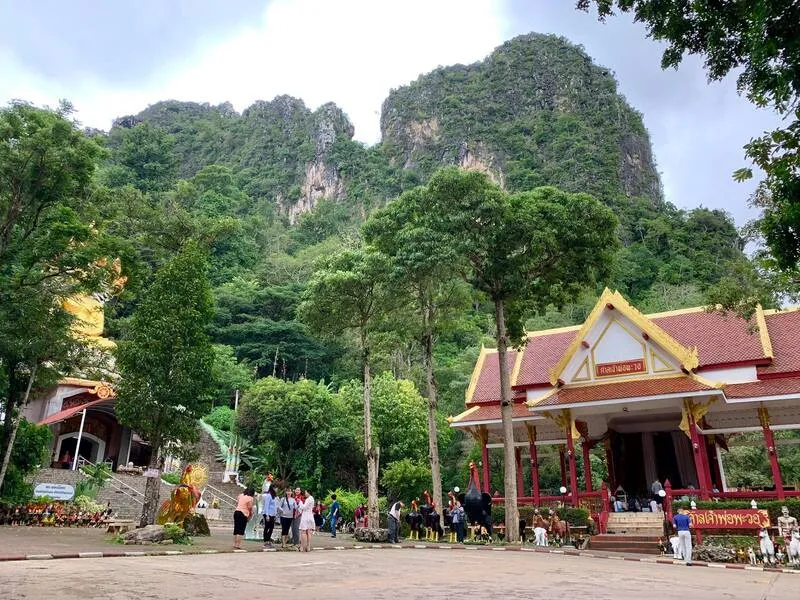
Chao Pho Phawo Shrine in Tak Province is one of the most respected sacred shrines on the Tak–Mae Sot road. It is located on a mound at the foot of Khao Phawo, around kilometer markers 62–63 on Highway 105, the mountain route linking Tak town with Mae Sot District. For generations, local residents of Tak and Mae Sot, as well as travelers using this road, have stopped here to pay respect, ask for protection, and pray for a safe journey before continuing through the winding mountain route toward Mae Sot and the Thai–Myanmar border.
For travelers driving from Tak town to Mae Sot, Chao Pho Phawo Shrine is more than a roadside stop. It is a cultural landmark that carries stories of bravery, sacrifice, local belief, and the spiritual guardianship of the mountain route. The shrine is closely connected with the history of the Mae Lamao checkpoint, the old frontier route, and the memory of a Karen warrior who protected the approach to Tak from invading enemies. A visit here gives travelers a deeper understanding of the Tak–Mae Sot road, turning the journey from a simple drive into an encounter with local history and living faith.
According to local tradition, Chao Pho Phawo was a Karen warrior known for his courage and loyalty. During the reign of King Taksin the Great, he was appointed as the chief guard at the Mae Lamao checkpoint. His duty was to watch over the mountain pass and prevent enemies from crossing the hills toward Tak. In the past, Mae Lamao was a strategic frontier area. If an invading force could pass through this route, Tak and the inner settlements would be placed in danger. Chao Pho Phawo therefore became remembered as a protector of the route, a frontier warrior, and a guardian of the land.
When Burmese troops advanced through the Mae Lamao route, Chao Pho Phawo fought to defend the area and protect the independence of the country. Local stories say that he died on this battlefield while resisting the invasion. His sacrifice left a strong impression on the people of the region, and he came to be revered as a sacred guardian spirit. The shrine was established as a place to honor his bravery and as a spiritual landmark for travelers passing along the Tak–Mae Sot road.
The importance of Chao Pho Phawo Shrine lies in the way history and belief are woven together. Historically, Chao Pho Phawo is remembered as a warrior who guarded an important mountain route. Culturally, he has become a protective spirit for travelers, local residents, traders, drivers, and people who pass between Tak and Mae Sot. Many people stop to pay respect before entering or leaving Mae Sot, while others honk their car horns as they drive past the shrine as a sign of respect and as a request for safe travel.
Inside the shrine is a statue of Chao Pho Phawo. Visitors often offer garlands by placing them on or near the statue as an expression of reverence. In local imagination, Chao Pho Phawo is associated with the image of a strong and fearless warrior, carrying the spirit of a guardian who continues to protect the road and the people who use it. This gives the shrine a distinctive atmosphere. It is not only a place for personal prayers, but also a memorial to courage, loyalty, and sacrifice.
One of the most widely told beliefs about Chao Pho Phawo concerns the sound of horse hooves. Local people say that whenever serious danger threatens the town, people in Mae Sot may hear the sound of Chao Pho Phawo’s horse galloping around the area, as if he is still patrolling and protecting the community. This story reflects the way local residents remember him as a warrior who never abandons the people. Even after his death, the belief in his protective presence remains part of Mae Sot’s cultural memory.
Another local belief says that anyone who hunts animals in the Khao Phawo mountain area may encounter misfortune, such as vehicle trouble, illness, or getting lost. This belief gives the mountain a sacred character and encourages respect for the surrounding natural environment. In this sense, the shrine and its stories also play a role in preserving local attitudes toward the forest and wildlife. The mountain is not seen merely as a physical landscape but as a spiritual space connected to Chao Pho Phawo and the memory of the people who lived and fought here.
Because Chao Pho Phawo is remembered as a warrior, people believe that he appreciates loud sounds associated with battle and honor. In earlier times, some worshippers offered gunfire. Today, respectful offerings usually take the form of firecrackers or the honking of car horns by passing vehicles. The sound of horns along the Tak–Mae Sot road has become one of the recognizable features of this shrine. Many drivers do this with the belief that Chao Pho Phawo will protect them from danger while traveling through the mountain route.
Even so, visitors should always worship responsibly. Firecrackers should be used only in appropriate areas, and travelers should follow local safety guidelines. Those who honk while driving past should do so only when it is safe and should not allow the gesture to distract them from driving. The Tak–Mae Sot road includes curves, slopes, and continuous traffic, so road safety must remain the first priority. Respect for the shrine should go together with respect for other road users.
The shrine stands on a small mound at the foot of Khao Phawo, with the mountain rising behind it. This setting gives the shrine a solemn and memorable appearance. Although it is not a large tourist attraction, it has several points of interest. Visitors can pay respect at the main shrine, see the statue of Chao Pho Phawo, and walk toward the area where a large Buddha image in the posture of being protected by the naga is located. The upper hall contains Buddha images and wall paintings, allowing visitors to experience both the local guardian-spirit belief and Buddhist elements in the same sacred area.
The area around the shrine also has small shops, food stalls, and souvenirs for travelers who need a short break. This makes Chao Pho Phawo Shrine function as a sacred site, a rest stop, and a cultural gateway on the Tak–Mae Sot road. Travelers coming from Tak often stop here before descending toward Mae Sot, while those leaving Mae Sot may stop to ask for a safe return through the mountain road.
Chao Pho Phawo Shrine also holds an annual worship ceremony on October 31. This annual event shows how deeply local people continue to respect Chao Pho Phawo. It is a time when the community gathers to perform rituals, make offerings, and honor the guardian spirit of Mae Sot. The annual ceremony keeps the shrine connected to living tradition, making it more than a roadside landmark. It remains a place of ritual, memory, and community identity.
From a travel perspective, Chao Pho Phawo Shrine is suitable for visitors interested in local history, sacred sites, frontier stories, Karen cultural connections, and the beliefs of people living along the western mountain routes of Thailand. The shrine adds depth to a Mae Sot trip because it helps travelers understand that the road itself has meaning. It is not only a route between two towns, but a landscape filled with stories of warriors, mountains, checkpoints, and spiritual protection.
Highway 105 is an important route in Tak Province. It connects Tak town with Mae Sot, a major border district known for trade, multicultural communities, temples, markets, and cross-border travel. Travelers heading to Rim Moei Market, Wat Thai Wattanaram, the Thai–Myanmar Friendship Bridge, or the border area often use this road. Chao Pho Phawo Shrine stands as a cultural gateway before Mae Sot, reminding travelers that they are entering a region shaped by history, ethnic diversity, border culture, and long-established local faith.
Getting There is most convenient by private car or rental car. From Tak town, follow Highway 105 toward Mae Sot. The shrine is located around kilometer markers 62–63 at the foot of Khao Phawo. Drivers should slow down carefully when approaching the area and park only where it is safe. The road is used by private cars, buses, trucks, and transport vehicles throughout the day, so careful driving is essential. Travelers coming from Mae Sot toward Tak should also plan their stopping point or turn carefully to avoid obstructing traffic.
Daytime is the best time to visit because visibility is better, especially for travelers unfamiliar with the Tak–Mae Sot road. The route includes mountain sections, curves, and slopes. Before departure, drivers should check brakes, tires, fuel, and vehicle lights. During the rainy season, extra caution is needed because mountain roads may become slippery and visibility may be reduced in some sections.
Visitors should dress respectfully, behave calmly, and use the shrine area with consideration. Garlands, flowers, incense, candles, and simple offerings may be prepared according to personal faith. Visitors should keep the area clean, avoid leaving waste from offerings or firecrackers, and avoid taking inappropriate photographs. Although the shrine is open to travelers, it remains a sacred place for local people and should be treated with respect.
One of the most meaningful things to observe at the shrine is the relationship between the sacred site and Khao Phawo itself. The mountain is not merely a scenic backdrop. It is part of the legend, the battlefield memory, and the spiritual geography of the area. Standing at the shrine and looking toward the mountain helps visitors understand why this place became associated with a frontier warrior and why the role of a checkpoint guard was so important in the past.
Chao Pho Phawo Shrine is therefore an accessible place to learn about local history. Visitors do not need specialist knowledge to appreciate its meaning. The statue, garlands, passing horns, occasional firecrackers, and the mountain behind the shrine all communicate the story clearly. These living details make the shrine feel active and meaningful, rather than simply a historic marker beside the road.
For families, the shrine can be a useful stop for introducing children to local history, bravery, sacrifice, and respectful travel. The story of Chao Pho Phawo as a warrior who protected the land helps younger visitors understand the value of loyalty and courage. The belief that misfortune may follow those who hunt in the sacred mountain area can also be used to teach respect for nature, wildlife, and local community beliefs.
A practical travel route can begin in Tak town in the morning. Travelers can drive along Highway 105, stop at Chao Pho Phawo Shrine to pay respect and rest, then continue to Chao Pho Khun Sam Chon Shrine on the same route. From there, they can enter Mae Sot town and visit Wat Thai Wattanaram, Rim Moei Market, and the Thai–Myanmar Friendship Bridge. Travelers with more time may also add Doi Muser Hill Tribe Market or Mae Kasa Hot Spring to a broader Tak itinerary.
For photography, Chao Pho Phawo Shrine is distinctive because of its mountain backdrop and elevated setting. Morning and late afternoon are suitable times for softer light. However, photography should never disturb worshippers or disrespect the sacred space. Visitors should avoid climbing into restricted areas or posing in ways that are inappropriate for a shrine. Respectful photography helps preserve the dignity of the place while allowing travelers to record their visit.
What makes Chao Pho Phawo Shrine especially memorable is that many people know it through real travel experience. They remember passing the shrine as children, hearing car horns from vehicles ahead, seeing garlands offered by worshippers, or stopping briefly before entering Mae Sot. These repeated memories make the shrine part of the shared experience of the Tak–Mae Sot road. It is not only a point on a map but a living landmark in the minds of travelers.
Today, Chao Pho Phawo Shrine continues to be an important stop for people traveling between Tak and Mae Sot. The faith surrounding the shrine remains visible through worship, garlands, firecrackers, horn signals, and returning visitors. This makes the shrine a living sacred site, not merely a monument to the past. It still plays an active role in the everyday journeys of drivers, local residents, and visitors.
For travelers who want to understand Tak Province beyond waterfalls, markets, and border trade, Chao Pho Phawo Shrine is a valuable stop. It reflects the courage of a local warrior, the sacred character of the mountain route, the relationship between people and landscape, and the importance of the Tak–Mae Sot road as a route filled with memory and belief. A visit here allows travelers to pause, pay respect, and continue their journey with a deeper sense of place.
Visiting Chao Pho Phawo Shrine is therefore a meaningful pause on the mountain road. Travelers can rest, pay homage, and learn the story of a Karen warrior who guarded the Mae Lamao checkpoint. After leaving the shrine and continuing toward Mae Sot or back to Tak town, the road feels different. It is no longer just a highway through the mountains, but a route shaped by faith, memory, and respect for those who protected this land.
| Name | Chao Pho Phawo Shrine |
| Location | Tak–Mae Sot Road, around kilometer markers 62–63, Mae Sot District, Tak Province, Thailand |
| Address | Km 62–63, Highway 105, Phawo Subdistrict, Mae Sot District, Tak Province 63110 |
| Highlights | A respected sacred shrine on the Tak–Mae Sot mountain road, commonly visited for blessings and safe travel |
| History | Chao Pho Phawo is remembered as a Karen warrior appointed during the reign of King Taksin the Great to guard the Mae Lamao checkpoint. He fought to prevent enemies from crossing the mountains toward Tak and died while defending the area. |
| Name Origin | The shrine is named after Chao Pho Phawo, the Karen warrior and guardian of the Mae Lamao checkpoint who is deeply respected by people in Tak and Mae Sot. |
| Distinctive Features | The shrine stands on a mound at the foot of Khao Phawo, with a mountain backdrop, a statue of Chao Pho Phawo, worship areas, and a large Buddha image in the posture of being protected by the naga. |
| Beliefs and Worship | Visitors commonly offer garlands, light firecrackers, or honk their car horns when passing the shrine to show respect and ask for safe travel. |
| Annual Ceremony | The annual worship ceremony is held on October 31 every year. |
| Travel Information | Follow Highway 105 on the Tak–Mae Sot route. The shrine is located around kilometer markers 62–63 and is most convenient to visit by private car or rental car. |
| Current Status | Open for travelers and visitors to stop and pay respect |
| Open Days | Daily |
| Opening Hours | 08.00 – 16.30 |
| Facilities | Worship area, roadside resting area, shops, food stalls, and souvenir stalls around the shrine |
| Main Areas / Zones | Chao Pho Phawo worship area, statue of Chao Pho Phawo, garland offering point, firecracker area, stairway to the large naga-protected Buddha image, and Buddha hall |
| Caretaker / Information Contact | Tourism Authority of Thailand, Tak Office, Tel. 055-514-341 to 055-514-343 |
| Nearby Tourist Attractions | 1. Chao Pho Khun Sam Chon Shrine, about 8 km 2. King Naresuan Shrine, Mae Sot, about 11 km 3. Wat Thai Wattanaram, about 14 km 4. Rim Moei Market, about 18 km 5. Thai–Myanmar Friendship Bridge No. 1, about 18 km 6. Doi Muser Hill Tribe Market, about 33 km |
| Nearby Restaurants | 1. Pla Sod Mueang Chot Restaurant, about 8 km, Tel. 089-839-1747 2. The Happy Café, about 9 km, Tel. 092-591-2777 3. Khaomao-Khaofang Mae Sot, about 10 km, Tel. 065-242-2248, 081-443-8141 4. Roti Ong Nai Tamnan Mae Sot, about 11 km, Tel. 085-610-0622 5. Borderline Tea Garden, about 12 km, Tel. 055-546-584, 093-719-6598 |
| Nearby Accommodations | 1. Centara Life Hotel Mae Sot, about 9 km, Tel. 055-532-601 to 055-532-608 2. B2 Mae Sot Boutique & Budget Hotel, about 10 km, Tel. 1328, 055-030-515 3. HOP INN Mae Sot Building A, about 10 km, Tel. 02-080-2222 4. Irawadee Resort, about 11 km, Tel. 055-535-430 5. J2 Hotel Maesot, about 12 km, Tel. 055-536-161, 085-090-4111 |
Frequently Asked Questions (FAQ)
Q: Where is Chao Pho Phawo Shrine located?
A: Chao Pho Phawo Shrine is located at the foot of Khao Phawo on the Tak–Mae Sot road, around kilometer markers 62–63 in Mae Sot District, Tak Province.
Q: Who was Chao Pho Phawo?
A: Chao Pho Phawo was a Karen warrior who, during the reign of King Taksin the Great, was appointed to guard the Mae Lamao checkpoint and protect Tak from enemies crossing the mountain route.
Q: Why do travelers honk their horns or light firecrackers at Chao Pho Phawo Shrine?
A: Because Chao Pho Phawo is remembered as a warrior, local belief says he appreciates loud sounds. Travelers honk their horns, light firecrackers, or offer garlands to show respect and ask for a safe journey.
Q: When is the annual ceremony at Chao Pho Phawo Shrine?
A: The annual worship ceremony at Chao Pho Phawo Shrine is held on October 31 every year.
Q: How can travelers get to Chao Pho Phawo Shrine?
A: The most convenient way is by private car or rental car. Follow Highway 105 on the Tak–Mae Sot route and look for the shrine around kilometer markers 62–63.
Q: When is the best time to visit Chao Pho Phawo Shrine?
A: Daytime is the best time to visit because the road, stopping area, and traffic conditions are easier to see, especially for travelers unfamiliar with the Tak–Mae Sot mountain road.
Q: What can visitors see inside Chao Pho Phawo Shrine?
A: Visitors can see the statue of Chao Pho Phawo, the worship area, garland offerings, a firecracker area, and the upper section with a large naga-protected Buddha image and Buddha hall.
Q: What nearby attractions can be combined with Chao Pho Phawo Shrine?
A: Nearby attractions include Chao Pho Khun Sam Chon Shrine, King Naresuan Shrine in Mae Sot, Wat Thai Wattanaram, Rim Moei Market, and the Thai–Myanmar Friendship Bridge No. 1.
 Category: ●Places of Worship
 Group: ●Other Sacred Sites
Last Update : 5 MonthAgo
 Last Update : 5 MonthAgo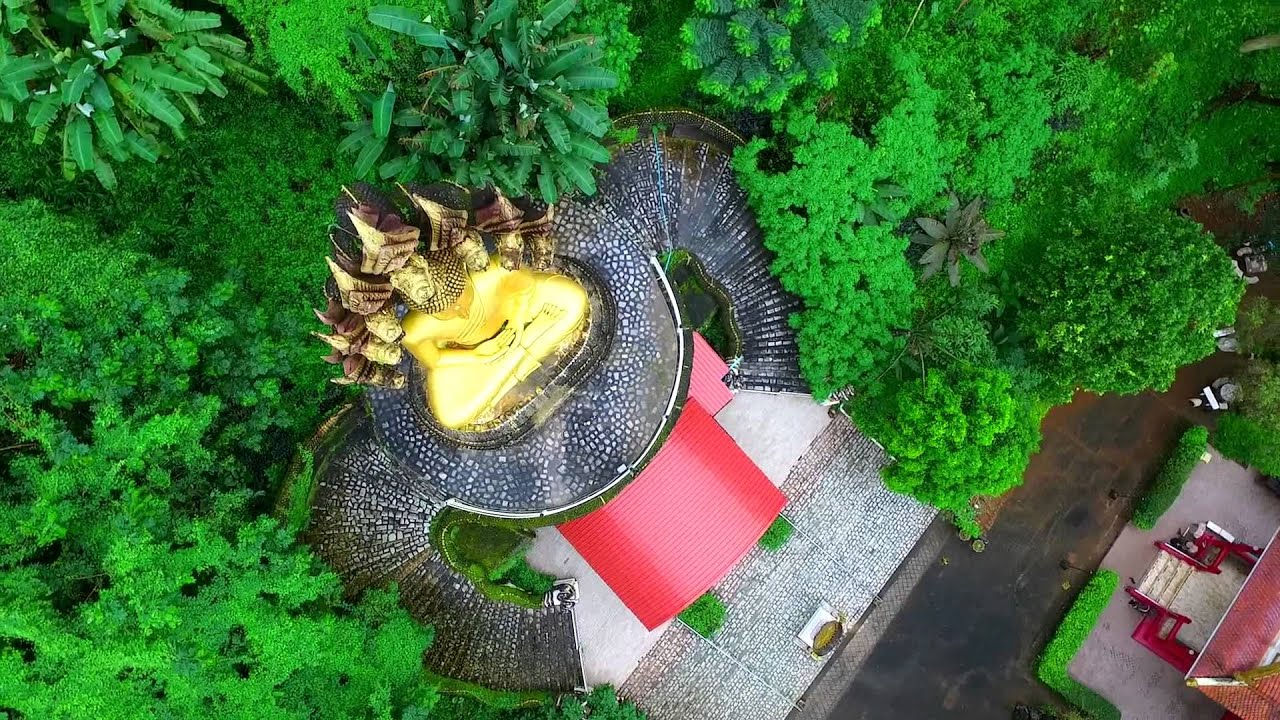
 Click to Access the Navigation Map GPS
Chao Pho Phawo Shrine Map
Recommend

 Art, Culture and Heritage
 Historical Sites and Monuments(2)
 Landmarks and Memorials(3)
 Art, Craft Centres, Tradition(6)
 Historic Homes and Cities(2)
 Educational Places
 Educational Gardens, Farm(2)
 Temple(22)
Other Sacred Sites(9)
Temple(22)
Other Sacred Sites(9)
 Research and Development
 Royal Project(1)
 Suburban Living
 Village, Community(5)
 Local Market(3)
 Nature and Wildlife
 National Parks and Marine Reserves(11)
 Mountain (Doi)(9)
 Dam, Reservoir, Lake(14)
 Waterfalls(23)
 Hot Springs(2)
 Caves(6)
 River, Canal(1)
 Bays and Beaches(1)
 Islands(1)
 Other natural attractions(1)
 Entertainment and Agricultural
 Farms, Parks and Ecotourism(5)
 Outdoor and Adventure Activities(4)
 Travel Articles, Recipes
 Travel Review, Food Review(1)


