
lovethailand home >North Travel Attractions >Chiang Mai Travel Attractions >San Sai >Mae Faek > Mae Faek–Mae Ngat Irrigation and Maintenance Proje..
TL;DR: Mae Faek–Mae Ngat Irrigation and Maintenance Project, Chiang Mai attractions : Research and Development, Royal Project.

Mae Faek–Mae Ngat Irrigation and Maintenance Project
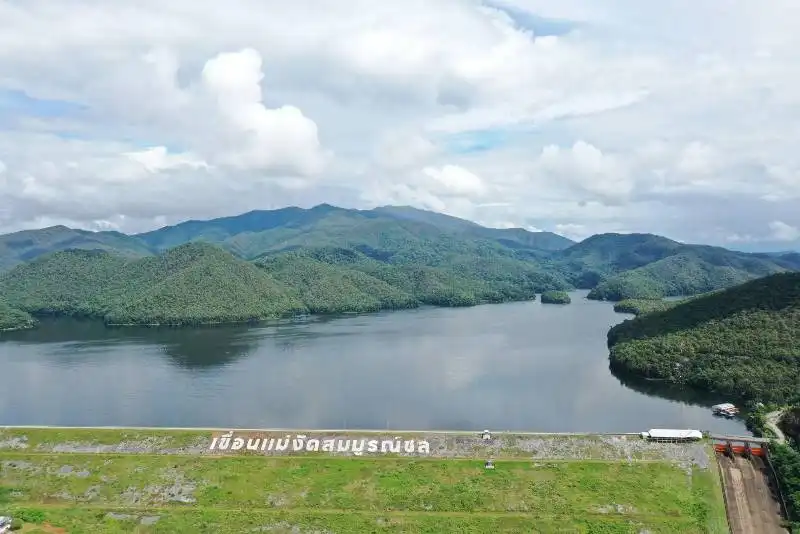
Open Days: Government working days (Monday–Friday). It is recommended to contact or make an appointment in advance before visiting.
Opening Hours: Approximately 08.30–16.30 (hours may vary depending on operational duties).
Mae Faek–Mae Ngat Irrigation and Maintenance Project is one of those “behind-the-scenes” public projects that people rarely notice, yet it plays a vital role in everyday life for surrounding communities. The core mission of this project is to ensure sufficient water supply for agricultural cultivation through the management, distribution, and maintenance of irrigation canals and water delivery systems throughout the year. Whether during the rainy season, when water flows heavily, or the dry season, when every drop matters, this project quietly supports farmers and local livelihoods. For visitors seeking a peaceful retreat in Chiang Mai, this is not a conventional tourist attraction, but rather a place where one can observe the real relationship between water, farmland, and people—without staged scenery—and enjoy the calm rhythm of rural landscapes.
The project area is commonly referred to as “Mae Faek–Mae Ngat,” a name that reflects both the waterways and the irrigation system it oversees. Its operational zone spans two main districts: San Sai District, particularly Mae Faek Subdistrict and nearby agricultural areas, and Mae Taeng District, which connects to reservoirs and larger water management infrastructure. Locals often describe the area as lying between two administrative districts, separated by irrigation canals. This imagery highlights how water management naturally transcends administrative boundaries, flowing instead according to geography and community needs.
The importance of this irrigation project goes beyond simply “having water.” Its real value lies in delivering water to farmland at the right time, reducing the burden on farmers, and stabilizing agricultural production. Much of the work involves maintenance, inspections, repairs, and coordination with local communities. When the system functions well, downstream farmers can cultivate their crops with confidence; when it falters, the impact is immediately felt. This is why places like this hold immense social and economic significance, even if they are not often described in tourism narratives.
If you visit as a traveler, approach the area as a place to observe the “landscape of water management” rather than seeking entertainment. Points of interest include the orderly irrigation canals, the surrounding farmland, and the quiet rural atmosphere. Simply spending time listening to flowing water, wind, and open fields can be deeply restorative. However, visitors should always remember that this is an active operational site. Maintenance work, service vehicles, and safety restrictions may be present at any time, so respect for the space is essential.
Getting There The project’s operational area connects San Sai and Mae Taeng districts, with irrigation canals marking boundaries in some sections. Visitors are advised to set a navigation pin for the project name and contact the office in advance to confirm the exact meeting point, as administrative offices and field operation sites may be located separately. Traveling during daylight hours is recommended, especially when navigating local roads near canals.
The best time to visit is from morning to late afternoon, when visibility is good and activities are less disruptive to ongoing operations. Those interested in photography should be cautious near canal edges, especially during the rainy season when surfaces may be slippery. Visitors who wish to gain deeper insights can prepare simple questions about how water distribution works, seasonal challenges, or coordination with farming communities—these often transform a casual visit into a meaningful learning experience.
| Name | Mae Faek–Mae Ngat Irrigation and Maintenance Project |
| Location | Operational areas connecting San Sai District (Mae Faek Subdistrict) and Mae Taeng District, Chiang Mai (contact in advance to confirm the exact site). |
| Key Features | Irrigation management and maintenance unit ensuring sufficient agricultural water supply through canal systems. |
| Era / Context | Part of Thailand’s irrigation infrastructure under the Royal Irrigation Department. |
| Significance | Supports farmers by delivering reliable irrigation water and maintaining canal networks across multiple communities. |
| Name Origin | Named after the Mae Faek and Mae Ngat areas and waterways under its irrigation responsibility. |
| Access | Set navigation to the project name and confirm directions with staff in advance due to multiple operational zones. |
| Current Status | Active irrigation and maintenance unit; visits should be coordinated in advance. |
| Contact | 053-106-476 |
Frequently Asked Questions (FAQ)
Q: Who is this project suitable for visiting?
A: It is ideal for visitors interested in water management, rural life, and real-world agricultural infrastructure, as well as those seeking a quiet countryside atmosphere.
Q: What can visitors do here?
A: Visitors can observe irrigation canals, learn about water distribution systems, and gain insights into how water supports local agriculture. Study visits should be arranged in advance.
Q: Why is this irrigation project important?
A: It ensures reliable water supply for farming, reduces drought risks, and supports sustainable livelihoods for surrounding communities.
Q: When is the best time to visit?
A: Morning to late afternoon is recommended for safety, visibility, and minimal disruption to operational work.
Q: Are there places to eat or stay nearby?
A: Yes. The San Sai, Mae Jo, and Mae Ngat Dam areas offer various restaurants and accommodations. Checking distances and opening hours in advance is advised.
Tel : 053849043
 Tel : 053849043
 Category: ●Research and Development
 Group: ●Royal Project
Last Update : 8 MonthAgo
 Last Update : 8 MonthAgo
 Click to Access the Navigation Map GPS
Mae Faek–Mae Ngat Irrigation and Maintenance Project Map
Recommend

 Art, Culture and Heritage
 Historical Sites and Monuments(8)
 Landmarks and Memorials(5)
 Royal Palace(2)
 Art, Craft Centres, Tradition(43)
 Museums(24)
 Educational Places
 Museum for Study(2)
 Educational Gardens, Farm(5)
 Training Center(1)
 Places of Worship
 Temple(79)
 Mosque(2)
 Other Sacred Sites(17)
Royal Project(44)
Other Sacred Sites(17)
Royal Project(44)
 Suburban Living
 Village, Community(41)
 Local Market(14)
 Nature and Wildlife
 National Parks and Marine Reserves(16)
 Mountain (Doi)(21)
 Dam, Reservoir, Lake(26)
 Waterfalls(43)
 Hot Springs(12)
 Caves(11)
 River, Canal(6)
 Other natural attractions(14)
 Entertainment and Agricultural
 Zoos and Aquariums(2)
 Animal camps and shows(3)
 Stadium(1)
 Farms, Parks and Ecotourism(19)
 Waterpark(2)
 Theater(1)
 Outdoor and Adventure Activities(10)
 Shopping
 Shopping and Night Market(6)
 Restaurant
 Michelin Star(1)
 Michelin Guide(23)
 Call Customer Service in Tourism
 Call Customer Service in Tourism(1)
 Travel Articles, Recipes
 Travel Review, Food Review(15)
 Food Menu, North Recipes(30)
 Thai Desserts, North Recipes(17)


