

 Home
Home Chiang Mai(














Rating: 3.1/5 (8 votes)
 |
|  Map
Map 
 Have Map
  No Map
Bangkok attractions
Attractions in Thailand
Open Days: Generally daily (this is an outdoor public space; access may be restricted at certain times due to official ceremonies or state events—please check before visiting)
Opening Hours: The outdoor plaza is generally accessible throughout the day (recommended 06:00 – 22:00 for comfort and safety, especially for photography or paying respects)
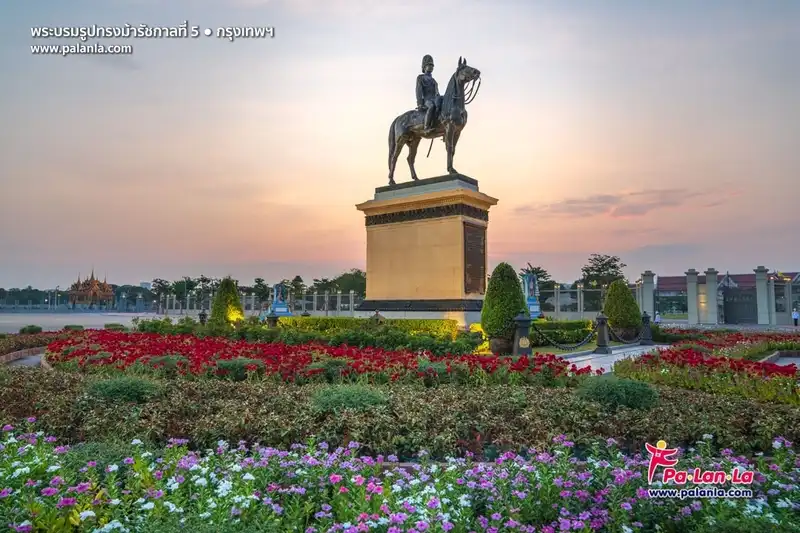
The Equestrian Statue of King Chulalongkorn (Rama V) is one of Bangkok’s landmarks that can stop you in your tracks even if you’re not the museum-and-history type. The open square in front of Dusit Palace feels like an older capital city—wide, airy, and naturally ceremonial. It’s not just a “nice photo spot”; it’s a shared memory space where many Thais come to pay respects, lay wreaths, and mark important national occasions.
The statue stands at the Royal Plaza within the Dusit Palace area, in front of the Ananta Samakhom Throne Hall, in Dusit District. This location gives the visit more meaning than a quick check-in, because the wider neighborhood is packed with major architecture and Bangkok’s historical routes—from the Ratchadamnoen axis to the Thewet area, where old-city rhythms and modern life still blend together in a way that feels distinctly Bangkok.
Historically, the equestrian statue was created as a monument to King Chulalongkorn (Rama V), with an official unveiling ceremony held on 11 November 1908. What keeps this story alive isn’t only the scale and grandeur of the sculpture, but the fact that it was funded through public donations. It reflects a deep bond between people and the monarchy during a period when Siam was transitioning toward a modern state, and it has become a symbol of remembrance and gratitude passed from generation to generation.
From an art-and-symbolism perspective, the monument speaks the visual language of a national memorial—dignified, commanding, and set in an open space so it can be seen from afar. The image of the king mounted on a horse conveys leadership and national strength during an era of rapid change and global pressure. At the same time, the broad plaza in front functions as a civic stage where official ritual and everyday life can coexist. Some days are quiet, with people paying respects; others bring visitors stopping for photos; and on significant occasions, the entire atmosphere can shift at once.
What keeps the Royal Plaza culturally “alive” today is the long-standing tradition of paying respects here. The most significant date is 23 October (Chulalongkorn Day), when many people come to honor Rama V and the area can become especially busy. On ordinary days, visitors still come steadily—particularly tied to a belief about Tuesday nights (Tuesday being the king’s birthday). Some devotees feel that paying respects on that night is like coming to wait in audience, and there is a widely repeated story that around 22:00 the atmosphere can feel especially still and solemn.
One offering you’ll often see is pink roses. Some people connect the color to Tuesday, and read it as a gentle but steadfast sign of respect. Others may bring additional offerings according to personal belief. If you’re visiting as a traveler who wants to show respect in the most appropriate and simple way, offering ordinary flowers or standing quietly in remembrance is more than enough. You don’t need to create elaborate offerings—this is a public space, and the heart of the place is quiet respect and not disturbing others.
The best times to visit for both comfort and photos are early morning or late afternoon before nightfall. Light at those times helps the monument’s form stand out and gives photos more depth. If you want a calmer atmosphere, avoid rush hours on the main roads around Dusit, and allow extra time in case the area is being managed or traffic is restricted due to official activities on the day you visit.
Getting There By public transport, many city buses run through the Dusit area—get off near the Royal Plaza and walk a short distance into the square. Another convenient option is a taxi or ride-hailing service; set your destination to “Royal Plaza” or “Equestrian Statue of King Chulalongkorn,” and allow extra time for traffic during morning and evening peaks. If driving, check parking options and possible restrictions on days with ceremonies, as the area may be managed more strictly at certain times.
If you want to make the trip feel worthwhile without rushing, treat the Royal Plaza as a starting point and continue to nearby areas such as Wat Benchamabophit, Thewet, or Banglamphu. You’ll get a satisfying mix of architecture, old-city atmosphere, and food that reflects Bangkok’s everyday life—without needing an overly packed schedule. In that sense, the equestrian statue isn’t only a monument; it’s a gentle gateway into the city’s larger story.
| Place Name | The Equestrian Statue of King Chulalongkorn (Royal Plaza) |
| Location | Royal Plaza (Dusit Palace area), in front of Ananta Samakhom Throne Hall, Dusit District, Bangkok |
| Key Highlights | Monument to King Rama V on horseback; a grand ceremonial plaza; ideal for paying respects, photography, and starting a Dusit-area walk |
| Period | Official unveiling on 11 November 1908 (B.E. 2451) |
| Tradition / Belief | Popular to visit on 23 October (Chulalongkorn Day). There is also a long-standing belief around paying respects on Tuesday nights (the king’s birthday), with devotees visiting regularly. |
| Travel | Many buses pass through Dusit / Taxi-ride-hailing to “Royal Plaza” / Driving is possible but check restrictions during ceremonies |
| Current Status | A key public plaza in Bangkok used for both state ceremonies and public visits (access may be managed at certain times) |
| Contact (Verified Only) | Government Contact Center: 1111 / Damrongdhama Center Hotline: 1567 |
| Nearby Attractions (Approx. Distance) | Wat Benchamabophit (The Marble Temple) – 1.2 km Wat Intharawihan (Luang Pho To) – 2.6 km Thewet Pier (river access / old-city stroll) – 2.2 km Rama VIII Bridge (river viewpoint) – 3.3 km Khao San Road – 4.2 km |
| Popular Restaurants Nearby (Approx. Distance + Phone) | Steve Café & Cuisine (Thewet) – 2.6 km – 02-281-0915 Samsen Villa (Phaya Thai) – 5.6 km – 089-795-8801 Krua Apsorn (Samsen Branch) – 3.6 km – 082-292-0431 Chiew Charn Panich (Thewet Rice Porridge) – 2.4 km – 062-669-6292 Sriyan Meatballs (Sriyan Market) – 2.1 km – 02-243-3537 |
| Popular Accommodations Nearby (Approx. Distance + Phone) | The Siam – 3.2 km – 02-247-0123 The Raweekanlaya Bangkok – 3.0 km – 02-628-5999 Praya Palazzo – 4.0 km – 02-883-2998 SSIP Boutique Dhevej Bangkok – 2.8 km – 095-514-5151 The Royal River Hotel – 4.8 km – 02-422-9222 |
Frequently Asked Questions (FAQ)
Q: Can I visit the equestrian statue every day?
A: Generally yes, because it is an outdoor public plaza. However, access can be managed or restricted during official ceremonies or state events, so it’s best to check before you go.
Q: When is the busiest time to pay respects here?
A: 23 October (Chulalongkorn Day) is typically the busiest. On regular days, people still visit steadily depending on personal devotion.
Q: Why do some people visit on Tuesday nights?
A: There is a long-standing belief that Tuesday is King Rama V’s birthday, and visiting on Tuesday night is like coming to wait in audience. Some devotees choose this time regularly.
Q: What time is best for photography?
A: Morning or late afternoon tends to offer the best light and shadows, giving the monument more depth in photos. Avoid rush-hour traffic for a smoother visit.
Q: How should I behave when visiting to show respect?
A: Dress modestly, avoid blocking walkways or worship areas, keep an eye on your belongings, and follow on-site guidance if the area is being managed on that day.
 The Equestrian Statue of King Chulalongkorn (Rama V) Map
 Category:
  Group:
  Last Update: 7 HourAgo
Comment

Photo Gellery(3) 
 Thank you photo(3) from: Tum-kung