

 Home
Home Chiang Mai(










Rating: 3.3/5 (12 votes)
 |
|  Map
Map 
 Have Map
  No Map
Chiang Mai attractions
Attractions in Thailand
Open Days: Daily (recommended: contact or make arrangements in advance if you wish to join community activities or stay at a homestay)
Opening Hours: Recommended 08.00–17.00 (ideal for walking around the village and returning before evening fog becomes dense)
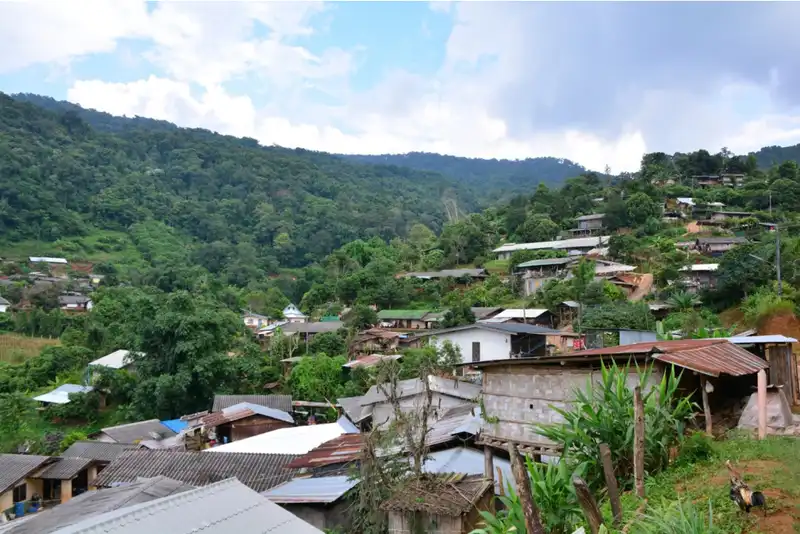
Mae Sa Mai Hmong Village is an ethnic Hmong community located along the Mae Rim–Samoeng route in Chiang Mai. Many visitors come here to experience the “real life” of a highland community rather than a place designed purely for sightseeing. The charm of Mae Sa Mai does not lie in spectacle, but in its calm rhythm of daily life. You will find houses scattered along the mountain slopes, noticeably cooler air than in the city, and a mountain-village atmosphere that naturally slows you down.
The village’s appeal comes from its living traditions and everyday customs that continue as part of daily life. From farming and household work to community cooperation and handicrafts, Mae Sa Mai offers insight into how culture exists beyond displays or performances. Taking time to walk through the village, observe daily routines, and engage respectfully helps visitors understand that local culture is not staged—it is embedded in how people live, work, welcome guests, and care for their surroundings.
Mae Sa Mai is also valuable as a learning destination because it offers authentic experiences without artificial presentation. Visitors may see seasonal agricultural plots, careful use of natural resources, and traditional handicrafts that reflect long-passed-down skills. Many handmade items are not produced solely for tourists but remain part of everyday community knowledge, making them meaningful expressions of identity rather than souvenirs alone.
For a truly respectful visit, it is best to approach Mae Sa Mai as a place you are visiting, not consuming. This is a living community. Always ask for permission before photographing people, children, or private homes. Keep noise levels low, avoid entering private areas unnecessarily, and take all trash back with you. These small considerations help ensure that tourism and community life can coexist sustainably.
The most pleasant time to visit is usually from the end of the rainy season through the cool season and winter, when the weather is comfortable and views are clearer. However, mountain conditions can change quickly at any time of year. Fog, strong winds, or localized rain are always possible. Visitors should prepare warm layers, shoes with good traction, and allow extra travel time, especially if unfamiliar with mountain roads.
Getting There From Chiang Mai city, follow the Mae Rim–Samoeng route. At approximately kilometer marker 12, turn left and continue for about 7 kilometers to reach the village. The final section of the road is unpaved and steep, with conditions varying by season. A high-clearance vehicle or 4WD is strongly recommended, particularly during the rainy season. If you plan to stay overnight or join community activities, arranging transportation and accommodation in advance is advisable.
Along the climb, travelers will enjoy forest scenery and layered mountain ridges—one of the highlights of the Mae Rim–Samoeng route. Many visitors include Mae Sa Mai as a peaceful stop within a broader mountain itinerary, pairing it with nearby viewpoints or attractions. When planned thoughtfully, traveling through this highland area offers both relaxation and a deeper understanding of Chiang Mai’s upland communities.
| Name | Mae Sa Mai Hmong Village |
| Location | Mae Rim–Samoeng Road, Pong Yaeng Subdistrict, Mae Rim District, Chiang Mai |
| Characteristics | Highland Hmong community, authentic daily life, traditional handicrafts, mountain climate cooler than the city |
| Period | Contemporary highland ethnic community |
| Key Evidence | Living traditions, handicrafts, and preserved highland community landscape |
| Name Origin | Mae Sa Mai, a local place name along the Mae Rim mountain route |
| Travel | Mae Rim–Samoeng Road → turn left at km 12 → continue approx. 7 km (final section steep and unpaved; high-clearance vehicle or 4WD recommended) |
| Current Status | Community open to visitors (advance contact recommended) |
| Nearby Tourist Attractions with Distance | Queen Sirikit Botanic Garden (approx. 12 km) Mon Jam Viewpoint (approx. 15 km) Nong Hoi Royal Project Development Center (approx. 12 km) Elephant POOPOOPAPER Park (approx. 18 km) Siam Insect Zoo (approx. 18 km) Mae Sa Elephant Camp / The Chang Chiang Mai (approx. 20 km) |
| Popular Restaurants Nearby with Distance | Pongyang Angdoi Restaurant (approx. 10 km) Jungle De Cafe, Pong Yaeng (approx. 10 km) Onsen @ Moncham (approx. 15 km) Maesa Valley Garden Resort Restaurant (approx. 12 km) Pongyang Jungle Coaster Zipline Camp & Resort Café (approx. 12 km) |
| Popular Accommodations Nearby with Distance | Mae Sa Mai Community Homestay (approx. 0 km) Maesa Valley Garden Resort & Craft Village (approx. 12 km) Kangsadarn Resort / J Valley Resort (approx. 15 km) Onsen @ Moncham (approx. 15 km) Panviman Chiang Mai Spa Resort (approx. 18 km) Mae Sa Golf Course / Mae Sa Resort (approx. 20 km) |
Frequently Asked Questions (FAQ)
Q: When is the best time to visit Mae Sa Mai Hmong Village?
A: The end of the rainy season through winter is generally the most comfortable, but weather conditions should always be checked before traveling.
Q: Is a 4WD vehicle required to reach the village?
A: The final section of the road is steep and unpaved. A high-clearance vehicle or 4WD is recommended, especially during the rainy season.
Q: What local etiquette should visitors be aware of?
A: Always ask permission before taking photos of people or homes, keep noise levels low, respect privacy, and take all trash back with you.
Q: How can I stay overnight in the village?
A: Contact the community or homestay providers in advance to arrange accommodation and transportation suitable for current road and weather conditions.
Q: Are there nearby attractions that can be combined into the same trip?
A: Yes. Queen Sirikit Botanic Garden, Mon Jam, and the Nong Hoi Royal Project are all located in the same general area and can be visited together.
 Ban Hmong Mae Sa Mai Map
 Category:
  Group:
  Last Update: 3 DayAgo
Comment
 Nearby Attractions
| Keyword (Advance) |
 Region
|
 Muang Chiang Mai(