

 Home
Home Chiang Mai(




Rating: 3.5/5 (4 votes)
 |
|  Map
Map 
 Have Map
  No Map
Phetchaburi attractions
Attractions in Thailand
Open Days: Generally open for visits as usual (please check the park’s latest announcement before your trip). Some zones may close for tourism/overnight stays seasonally.
Opening Hours: In general, the checkpoint/entrance operates 05:00 – 17:00 (hours may vary by period; please check the latest announcement before your trip).
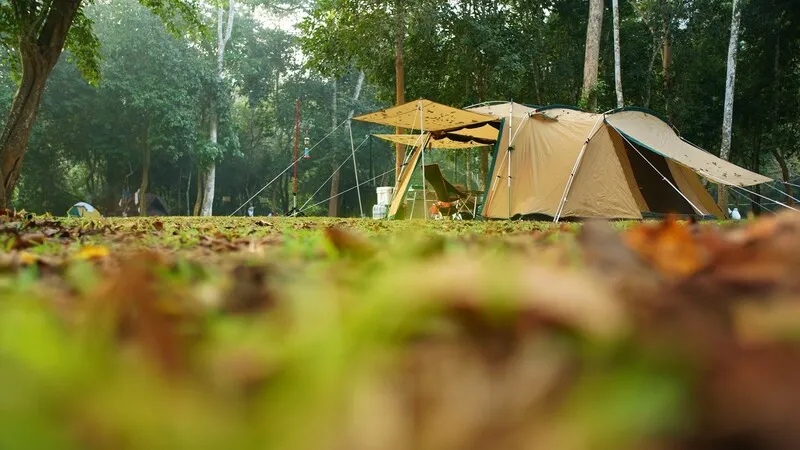
Ban Krang Camp (Km.15), Kaeng Krachan National Park is a forest campsite many nature lovers regard as the real field for butterfly watching and birdwatching in Phetchaburi. This is not a curated, picture-perfect set; it is genuinely lush forest that you can feel from the moment you step out of the car—cool air slipping through the trees, humidity that makes the scent of the woods more vivid, and natural sounds growing louder as you move away from the service area. Ban Krang is ideal for travelers who want a serious escape without pushing into extreme backcountry, especially those who want to wake up early for butterflies at mineral licks, watch birds along the road, and end the day with the kind of nighttime silence that makes rest feel deeper than usual.
The strength of Ban Krang Camp lies in its location and ecosystem. It sits around the 15-kilometer marker on the park’s internal road, where the forest starts to feel more intense than the headquarters area but is not as deep or demanding as the higher ridges. This balance makes Ban Krang a highly practical base for 1–2 nights of unhurried nature time. Butterfly enthusiasts, in particular, understand why people return: the diversity here is real, and in the dry season, scenes of large butterfly groups gathering at licks often become the kind of moment you want both in photos and in memory.
The richness of Ban Krang does not mean “comfortable with no risk”; it means the forest is still actively functioning. That is why you may encounter wildlife more often here than at typical tourist sites—langurs, muntjac, civets, and in some periods even wild elephants foraging within sight. When you arrive with the mindset that you are a visitor, not the owner of the space, the experience becomes noticeably better. You become careful with food and smells, avoid leaving scraps near your tent, do not wander off-trail after dark, and keep noise down for wildlife and other campers. These small actions are the foundation of responsible camping in a real forest and help keep Ban Krang safe and livable for both people and nature.
If you want Ban Krang to feel truly worthwhile, the key is choosing the right season for your goal. The dry season is when many travelers come specifically for butterflies because conditions around mineral licks often increase the chance of seeing large gatherings. Around February through June, many bird species begin nesting, laying eggs, and raising chicks, which increases the likelihood of observing active bird behavior in the wild. This kind of planning does not control nature, but it improves your odds and reduces disappointment from arriving in conditions that do not match your expectations.
Ban Krang is also a strong place to learn the forest at eye level. The area features nature trails and habitats that include both mixed deciduous forest and dry evergreen forest. Seeing typical western-forest tree species such as dipterocarps, rosewood-like hardwoods, and takhian helps you recognize forest structure, while the understory plants—ferns, rattans, and other moisture-loving vegetation—signal the forest’s humidity in favorable periods. If you walk slowly and observe, you may notice small details such as animal tracks, claw marks on trunks, insect pathways, or bird calls that change by time of day. These details turn Ban Krang into more than a place to sleep; they make it a place to understand the forest more deeply.
For first-time national-park campers, Ban Krang is a practical starting point because basic infrastructure helps reduce stress. In general, you can expect a designated camping area, restrooms, parking, and basic services. What you should plan carefully is food and waste management, because both directly affect safety in a wildlife-active area. Keep food in sealed containers, do not leave edible items outside, do not throw scraps onto the ground, and pack out all trash. This is not only about cleanliness; it reduces the chance of drawing wildlife too close to people, which harms both animals and visitors in the long run.
Another reason Ban Krang feels special is its rhythm. If you want butterflies with good light and higher activity, late morning to early afternoon is often when they start flying more actively, depending on conditions. Birdwatching tends to be strongest at dawn or early morning before the heat builds, when birds forage and calls carry more clearly. Staying overnight gives you a real advantage: you can start early without spending time driving in from outside, and you can capture the forest’s best natural windows. This is why many people choose at least 1 night even on a short trip—waking up inside the forest delivers a different kind of experience from a day visit.
For photography, Ban Krang offers “real nature” rather than a check-in scene. The most compelling visuals are often morning light filtering through the canopy, misty humidity that softens the frame, and layered greens that shift by season. For butterfly photography, keep a respectful distance and avoid chasing; it disturbs wildlife and makes you miss the calm that is the site’s core charm. For birds, stillness matters most: the quieter and more patient you are, the higher the chance you’ll witness natural behavior.
Ban Krang suits both beginners and experienced campers, but everyone should take safety seriously, especially in rainy periods when internal park roads can be slick. Drive slowly, use headlights in fog or rain, and avoid stopping in unsafe or restricted areas. If walking at night, use a flashlight, stay in a group, and do not leave designated zones in darkness. These are big-forest basics that keep your trip smooth and reduce unnecessary risk.
Getting There From Bangkok, take Highway 35 (Rama 2) and connect to Highway 4 (Phetkasem) toward Phetchaburi. Pass the city area toward Tha Yang, turn into Tha Yang District, then follow the route toward Kaeng Krachan District and the Kaeng Krachan National Park headquarters as signposted. After passing the checkpoint and entering the park’s internal road, continue to “Ban Krang Camp (Km.15)” following the kilometer markers and signs. Depart early so you arrive in the morning for better light, cooler air, and enough time to set up camp before nature activity becomes more prominent later in the day.
If traveling by public transport, you can take a bus/van to the Tha Yang or Kaeng Krachan area (depending on available routes at that time), then use local transport or a hired vehicle to reach the park headquarters. However, if your goal is to stay overnight at Ban Krang, having a private car or rental vehicle is usually more convenient for managing time and camping gear, and for complying with any time controls announced by the park.
Overall, Ban Krang Camp is a strong answer for travelers who want “serious nature, not extreme hardship.” You get a genuinely lush forest, real chances for butterflies and birds, an overnight atmosphere that is quieter than the city by several levels, and a reminder that the best nature travel is respectful travel. If you choose the season well, prepare properly, and follow park rules as your baseline, Ban Krang becomes a trip that makes you want to return without needing any artificial excitement.
| Name | Ban Krang Camp (Ban Krang Camp) – Camping Area at Km.15, Kaeng Krachan National Park |
| Location | Kaeng Krachan National Park, Kaeng Krachan District, Phetchaburi, Thailand |
| Address | Inside the park on the internal road at Km.15 from the checkpoint/Km.0 |
| Open Days | Generally open as usual (some zones may close seasonally; please check the latest announcement before your trip) |
| Opening Hours | Generally 05:00 – 17:00 for checkpoint/entrance (follow the park’s latest announcement) |
| Highlights | Forest campsite at Km.15, popular butterfly–bird watching corridor, real chances to observe wildlife, ideal for overnight stays to capture the forest’s dawn and dusk rhythms |
| Facilities | Camping area, restrooms, parking, basic visitor services |
| Fees | Follow the official Kaeng Krachan National Park entry/service fee schedule and the latest announcement (camping/overnight stays have applicable service fees) |
| Travel | Drive into Kaeng Krachan National Park, then continue on the internal road to Ban Krang Camp (Km.15) following kilometer markers and signs (check time controls and announcements before travel) |
| Current Status | Open for visits subject to the park’s announcements (some zones may close seasonally for safety/management) |
| Contact Number | Kaeng Krachan National Park Visitor Service Center: 032-772-311, 032-772-312 |
| Nearby Attractions (Approx. Real-Route Distance) | 1) Mineral Lick/Butterfly Watching Zone (around Km.10–12) approx. 3 – 5 km 2) Nature Trail Area around Km.18 approx. 3 km 3) Huai Sam Yot Reservoir (near checkpoint/Km.0, wetland birds) approx. 15 km 4) Phanoen Thung Camp (Km.30) approx. 15 km 5) Kaeng Krachan National Park Headquarters (visitor services) approx. 15 km |
| Popular Restaurants Nearby (Approx. Real-Route Distance + Phone) | 1) Kaeng Phet Restaurant (Kaeng Krachan) approx. 25 km Tel. 032-459-242 2) Krua Kluai Hom (Kaeng Krachan) approx. 25 km Tel. 092-642-8889 3) Krua Mae Prachan (Nong Ya Plong) approx. 45 km Tel. 083-825-2493 4) 289 Hill Farm Cafe & Resort (Nong Ya Plong) approx. 45 km Tel. 099-289-9628 5) Resort restaurants/cafes in the Kaeng Krachan area (paired with accommodations) approx. 20 – 30 km Tel. per listed property below |
| Popular Accommodations Nearby (Approx. Real-Route Distance + Phone) | 1) The Tree Riverside Resort @Kaeng Krachan approx. 25 km Tel. 032-706-151 2) Kaeng Krachan River Resort approx. 25 km Tel. 081-705-2260 3) River Tales Kaeng Krachan approx. 25 km Tel. 062-318-6886 4) Le La Lake Resort & Spa (Kaeng Krachan) approx. 30 km Tel. 080-200-4000 5) Park accommodation/camping areas (book via official system) Tel. 032-772-311, 032-772-312 |
Frequently Asked Questions (FAQ)
Q: Where is Ban Krang Camp located inside Kaeng Krachan National Park?
A: Ban Krang Camp is located around Km.15 on the park’s internal road from the checkpoint/Km.0.
Q: Which months are best for butterfly watching at Ban Krang?
A: In general, the dry season offers strong chances to see large butterfly groups gathering at mineral licks, and many visitors plan their trips specifically for this period.
Q: When is Ban Krang best for birdwatching?
A: In general, around February through June is a productive period because many bird species are nesting and raising chicks, especially in the early morning.
Q: Is Ban Krang safe, and can wildlife appear near the camping area?
A: Ban Krang is a genuinely wildlife-rich forest zone, so encounters are possible. Follow park rules, store food securely, do not leave scraps, and avoid moving outside designated areas after dark.
Q: Where can I check the latest information before visiting?
A: Contact the Kaeng Krachan National Park visitor service center at 032-772-311 and 032-772-312, and check the park’s official announcements before your trip.
 Ban Krang Camp Map
 Category:
  Group:
  Last Update: 2 DayAgo
Comment
 Nearby Attractions
| Keyword (Advance) |
 Region
|
 Muang Phetchaburi(