
lovethailand home >North Travel Attractions >Uttaradit Travel Attractions >Lap Lae >Fai Luang > Wat Don Sak
TL;DR: Wat Don Sak is located at Ban Na Hi, Moo 3, Fai Luang Subdistrict, Laplae District, Uttaradit Province, open Open According To Temple Activities, hours Daytime Visits Are Recommended.

Wat Don Sak
Open Days: Open According To Temple Activities
Opening Hours: Daytime Visits Are Recommended
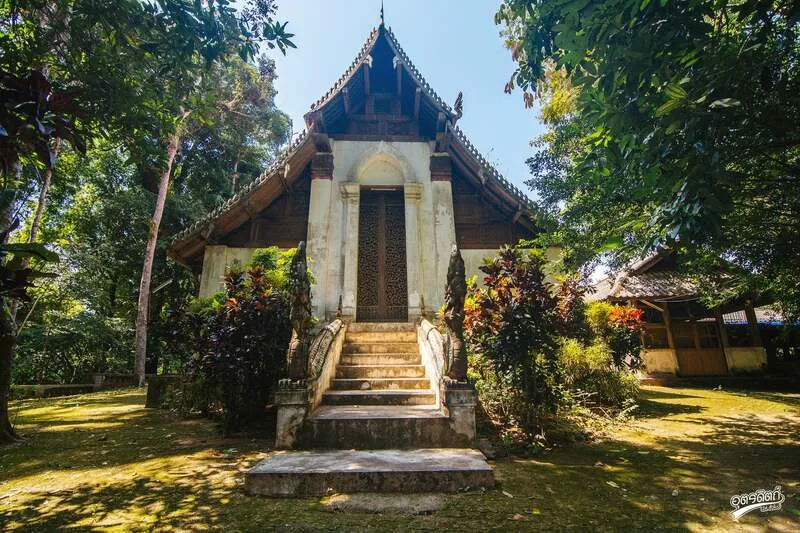
Wat Don Sak is located at No. 156, Ban Na Hi, Moo 3, Fai Luang Subdistrict, Laplae District, Uttaradit Province. It is a local Buddhist temple under the Maha Nikaya order and one of the most historically significant temples in Laplae. Established in 1732, the temple dates back to the late Ayutthaya period and continues to serve as a religious, cultural, and community landmark for the people of Fai Luang. Its value lies not only in its long history, but also in its teak vihara, ancient carved wooden doors, brass principal Buddha image, and other traditional temple structures such as the monks’ alms hall, drum tower, bell tower, water ordination structure, sermon halls, and viharas.
Wat Don Sak is a meaningful destination for travelers interested in old temples, northern Thai Buddhist heritage, and traditional wood craftsmanship. Unlike large tourist temples, it offers a quieter and more authentic local atmosphere. Visitors come here to pay respect to the Buddha image, observe the old temple layout, and admire the carved wooden doors that have made the temple widely recognized among cultural travelers. The temple is especially suitable for those who enjoy slow travel, local history, and places where architecture still reflects the faith and craftsmanship of past generations.
The name “Wat Don Sak” reflects both the landscape and the temple’s association with teak. The word “don” refers to a raised area or higher ground, while “sak” means teak, a precious hardwood closely associated with northern Thailand. The temple is known for its teak vihara and its ancient carved wooden doors. For this reason, the name does not simply identify the temple’s location; it also evokes the memory of teak craftsmanship and the cultural environment of old Laplae.
The temple’s establishment in 1732 places it within the late Ayutthaya period, a time when Buddhism played a central role in community life across Thailand. The presence of a temple in Ban Na Hi and Fai Luang shows that this area had a settled community with strong Buddhist faith and organized social life. Like many rural temples, Wat Don Sak served as a place for worship, merit-making, teaching, ceremonies, and communal gathering. Its continued existence helps preserve the cultural memory of the local community.
Within the cultural landscape of Laplae, Wat Don Sak has a special role. Laplae is known for legends, old communities, fruit orchards, Buddhist temples, and distinctive local food. A visit to Wat Don Sak allows travelers to see another layer of Laplae beyond its famous stories and produce. The temple represents the link between religion, craftsmanship, and community identity. It shows how local people used faith, architecture, and woodwork to create a sacred place that has lasted for generations.
The most distinctive feature of Wat Don Sak is the ancient carved wooden door of its vihara. The door is admired for its delicate craftsmanship, including traditional Thai motifs, flowing vine patterns, and decorative forms associated with sacred art. These carvings are not merely ornamental. They express Buddhist faith, artistic imagination, and the skill of old craftsmen who could transform a wooden surface into a refined religious work. The balance of pattern, rhythm, and detail makes the door one of the temple’s most important cultural treasures.
The carved door also helps visitors understand the importance of woodwork in northern Thai Buddhist architecture. Teak was highly valued for its strength, durability, and beauty. In temples, it was often used for doors, pillars, viharas, and decorative elements. At Wat Don Sak, the wooden door is a focal point because it combines sacred function with artistic excellence. Visitors should observe the door carefully from a respectful distance, paying attention to the depth of the carving, the composition of the patterns, and the way the two panels relate to each other.
The vihara of Wat Don Sak is another important structure. In northern Thai Buddhist temples, a vihara is often a central place for worship and the enshrinement of Buddha images. The vihara at Wat Don Sak is closely associated with the temple’s teak identity and the carved wooden doors. Its architecture reflects the relationship between local craftsmanship and religious practice. When visiting, travelers should take time to observe not only the door, but also the building as a whole, including its proportions, materials, and placement within the temple grounds.
The principal Buddha image inside the ordination hall is made of brass and serves as an important sacred object of the temple. For Buddhist visitors, paying respect to the principal Buddha image is a meaningful part of the visit. The ordination hall is also significant because it is traditionally used for formal monastic ceremonies. Together, the Buddha image, vihara, carved doors, and other temple structures form a sacred environment that reflects the continuing role of Buddhism in the community.
Wat Don Sak also includes a monks’ alms hall, drum tower, bell tower, and a water ordination structure for sacred objects. These elements show that the temple was planned as an active religious space with several functions. The drum tower and bell tower were traditionally used to mark time and call the community for religious activities. The sermon halls provided space for teaching, merit-making, and local gatherings. The presence of two sermon halls and two viharas indicates the temple’s importance as a community religious center.
The atmosphere of Wat Don Sak is best appreciated slowly. It is not a place to rush through. Visitors should walk quietly, pay respect, and observe the architectural details with care. The temple’s beauty lies in its age, simplicity, and the survival of old craftsmanship. The carved wooden door, in particular, should be treated with respect. Travelers should avoid touching ancient woodwork, using disruptive photography, or entering restricted areas. Since the temple is still used by local people, respectful behavior is essential.
Like many temples in northern communities, Wat Don Sak plays an important role during Buddhist festivals and merit-making occasions. It is a place for activities on major Buddhist holy days, including Makha Bucha, Visakha Bucha, Asalha Bucha, the beginning and end of Buddhist Lent, Kathin, robe offering ceremonies, and local community merit-making events. These activities keep the temple connected to the lives of local people and allow traditions to be passed from one generation to the next.
For travelers interested in the history of Laplae, Wat Don Sak can be combined with nearby cultural attractions such as Wat Thong Laplae, Laplae Town Gate, Laplae Museum, Wat Phra Yuen Phutthabat Yukhon, and Wat Phra Thaen Sila At. Each site offers a different perspective on the district. Wat Don Sak is especially valuable for its teak craftsmanship and carved wooden door, while other nearby sites help explain the legends, Buddhist heritage, and historical identity of Laplae as a whole.
Getting There is most convenient by private car. From Uttaradit city, travel toward Laplae District, then continue to Fai Luang Subdistrict and Ban Na Hi. The temple is close enough to be included in a half-day cultural route, especially with Laplae Town Gate, Wat Thong Laplae, and Laplae Museum. Local roads pass through community areas, so careful driving is recommended. Travelers without a private vehicle can start from Uttaradit city or Laplae town and arrange local transport for a more flexible itinerary.
The best time to visit Wat Don Sak is in the morning or late afternoon, when the weather is more comfortable and the light is suitable for observing the carved wooden details. Daytime visits are recommended because the craftsmanship of the vihara door can be seen more clearly. During the green season or the early cool season, the wider Laplae area becomes especially pleasant for temple visits, food stops, and short nature excursions such as Mae Phun Waterfall.
A good half-day itinerary can begin at Laplae Town Gate or Laplae Museum, continue to Wat Don Sak for the carved wooden door and Buddha image, and then include Wat Thong Laplae or local restaurants in the district. A full-day route can add Wat Phra Yuen Phutthabat Yukhon, Wat Phra Thaen Sila At, and Mae Phun Waterfall. This route gives travelers a balanced experience of Buddhist heritage, local history, food culture, and natural scenery in Uttaradit.
Local food is an important part of the Laplae travel experience. After visiting Wat Don Sak, travelers can stop at nearby restaurants such as Som Tam Mae Daeng Wat Don Sak 1, Huan Khao Pun Phak Rim Khlong, Kuai Tiao Hoi Kha Him Khlong Laplae, Pai Laplae, and Lum Lum Laplae Baan 100 Pi. These food stops allow visitors to experience local flavors such as khao pun phak, noodles, northern Thai dishes, and community-style cooking.
Accommodation is available in both Laplae and Uttaradit city. Travelers who want to focus on Laplae’s temples and cultural sites may choose places near the Laplae route, while those who prefer easier access to shops, transport, and city facilities may stay in Uttaradit city. Since Wat Don Sak is relatively easy to combine with other nearby attractions, the choice of accommodation should depend on the overall travel plan.
Visitors should dress modestly, speak quietly, avoid touching ancient wooden elements, and respect the temple as an active sacred place. The carved wooden door and old structures are valuable cultural assets, so they should be viewed with care. If ceremonies or community activities are taking place, visitors should keep a respectful distance and avoid interrupting local religious practices.
Overall, Wat Don Sak is one of the most meaningful temples to visit in Laplae District. Its long history, ancient wooden door, teak vihara, brass principal Buddha image, and continuing relationship with the local community make it a valuable cultural destination. For travelers interested in Thai Buddhist art, local craftsmanship, and the quiet heritage of northern Thailand, Wat Don Sak offers a thoughtful and rewarding experience in Uttaradit.
| Name | Wat Don Sak |
| Location | Ban Na Hi, Moo 3, Fai Luang Subdistrict, Laplae District, Uttaradit Province |
| Address | No. 156, Ban Na Hi, Moo 3, Fai Luang Subdistrict, Laplae District, Uttaradit Province, Thailand |
| Highlights | A historic late-Ayutthaya-period temple known for its teak vihara, ancient carved wooden doors, and brass principal Buddha image |
| History | Established in 1732 under the Maha Nikaya order, Wat Don Sak is one of the old temples of Fai Luang Subdistrict, Laplae District. |
| Name Origin | The name is associated with raised ground and teak, reflecting the temple’s teak vihara and important wooden craftsmanship. |
| Distinctive Features | Monks’ alms hall, drum tower, bell tower, water ordination structure, 2 sermon halls, 2 viharas, and ancient carved wooden doors |
| Travel Information | Travel by private car from Uttaradit city to Laplae District, then continue to Fai Luang Subdistrict and Ban Na Hi. The temple can be combined with Laplae Town Gate, Wat Thong Laplae, and Laplae Museum. |
| Current Status | An active local Buddhist temple serving religious and community activities in Fai Luang Subdistrict |
| Open Days | Open According To Temple Activities |
| Opening Hours | Daytime Visits Are Recommended |
| Main Areas / Zones | Ordination hall, teak vihara, carved wooden doors, monks’ alms hall, drum tower, bell tower, water ordination structure, sermon halls, and community religious activity areas |
| Sacred Objects | Brass principal Buddha image and ancient carved wooden vihara doors |
| Nearby Tourist Attractions | 1. Wat Thong Laplae – About 2 km 2. Laplae Town Gate – About 3 km 3. Laplae Museum – About 3 km 4. Wat Phra Yuen Phutthabat Yukhon – About 7 km 5. Wat Phra Thaen Sila At – About 8 km 6. Mae Phun Waterfall – About 13 km |
| Nearby Restaurants | 1. Som Tam Mae Daeng Wat Don Sak 1 – About 0.1 km, Tel. 084-425-8615 2. Huan Khao Pun Phak Rim Khlong – About 2 km, Tel. 085-273-9344 3. Kuai Tiao Hoi Kha Him Khlong Laplae – About 3 km, Tel. 085-876-3560 4. Pai Laplae – About 9 km, Tel. 081-888-8772, 062-239-4795 5. Lum Lum Laplae Baan 100 Pi – About 4 km, Tel. 095-628-3125 |
| Nearby Accommodations | 1. Thaimit Resort – About 6 km, Tel. 093-181-8228, 055-417-858 2. Hua Dum Resort – About 7 km, Tel. 099-502-9339, 095-868-4714 3. Nawatt Inn – About 9 km, Tel. 055-830-481, 093-959-8287, 063-951-6942 4. Sunee Boutique Hotel – About 10 km 5. Thanakorn Garden Hotel – About 10 km |
Frequently Asked Questions (FAQ)
Q: Where Is Wat Don Sak Located?
A: Wat Don Sak is located at No. 156, Ban Na Hi, Moo 3, Fai Luang Subdistrict, Laplae District, Uttaradit Province, Thailand.
Q: When Was Wat Don Sak Established?
A: Wat Don Sak was established in 1732, making it one of the old temples of Laplae District dating back to the late Ayutthaya period.
Q: What Is Wat Don Sak Known For?
A: The temple is best known for its teak vihara, ancient carved wooden doors, brass principal Buddha image, and traditional religious structures.
Q: How Can Travelers Get To Wat Don Sak?
A: The easiest way is by private car from Uttaradit city to Laplae District, then onward to Fai Luang Subdistrict and Ban Na Hi. It can be combined with nearby attractions in Laplae.
Q: Who Should Visit Wat Don Sak?
A: Wat Don Sak is ideal for travelers interested in old temples, carved woodwork, Thai Buddhist art, local history, and quiet cultural travel in northern Thailand.
Q: What Attractions Are Near Wat Don Sak?
A: Nearby attractions include Wat Thong Laplae, Laplae Town Gate, Laplae Museum, Wat Phra Yuen Phutthabat Yukhon, Wat Phra Thaen Sila At, and Mae Phun Waterfall.
Q: Is There An Entrance Fee For Wat Don Sak?
A: No official entrance fee information is listed. Visitors may make donations according to their faith and should behave respectfully inside the temple grounds.
 Category: ●Places of Worship
 Group: ●Temple
Last Update : 4 MonthAgo
 Last Update : 4 MonthAgo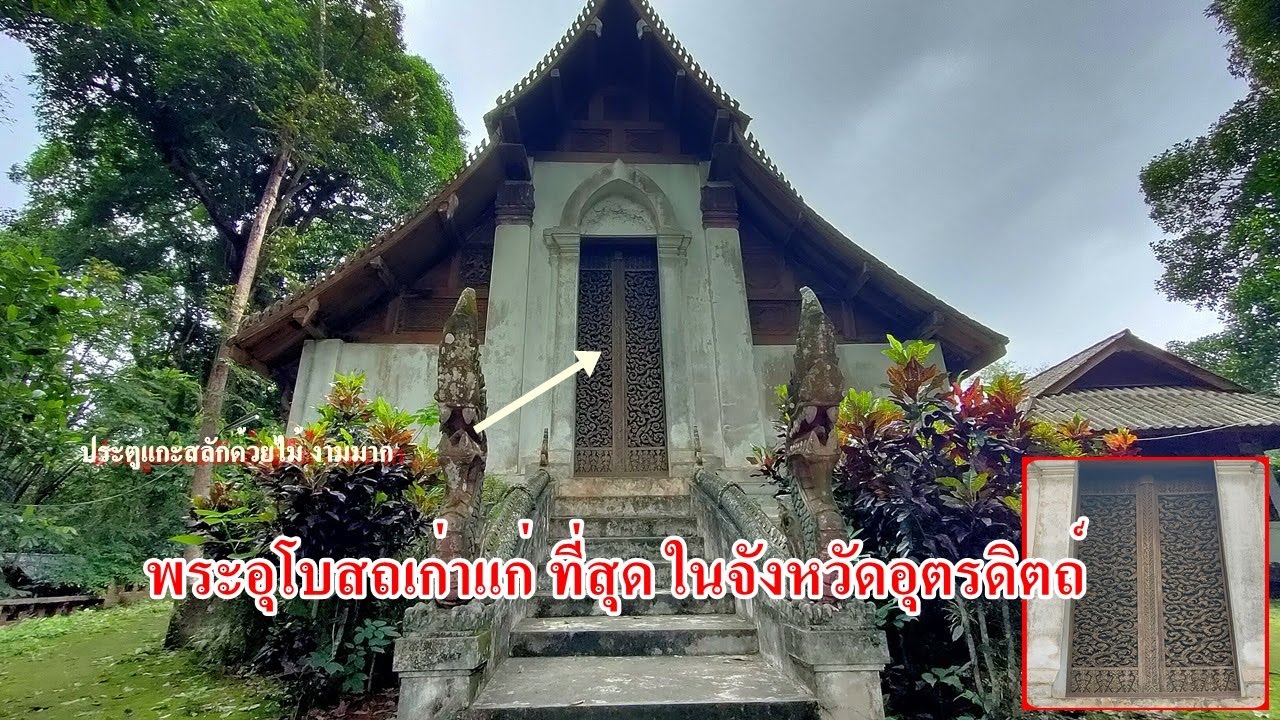
 Click to Access the Navigation Map GPS
Wat Don Sak Map
Recommend

 Art, Culture and Heritage
 Historical Sites and Monuments(2)
 Landmarks and Memorials(8)
 Art, Craft Centres, Tradition(3)
 Museums(1)
 Historic Homes and Cities(1)
Temple(42)
Historic Homes and Cities(1)
Temple(42)
 Other Sacred Sites(5)
 Suburban Living
 Village, Community(4)
 Nature and Wildlife
 National Parks and Marine Reserves(4)
 Mountain (Doi)(3)
 Dam, Reservoir, Lake(3)
 Waterfalls(11)
 Caves(3)
 River, Canal(3)
 Other natural attractions(3)
 Entertainment and Agricultural
 Farms, Parks and Ecotourism(1)


