
lovethailand home >North Travel Attractions >Uttaradit Travel Attractions >Pak Tha >Ban Sieow > Rak Pla Rak Nam Group
TL;DR: Rak Pla Rak Nam Group is located at Moo 2, Ban Siao Subdistrict, Fak Tha District, Uttaradit Province, open Please Contact In Advance, hours Please Contact In Advance.

Rak Pla Rak Nam Group
Open Days: Please Contact In Advance
Opening Hours: Please Contact In Advance
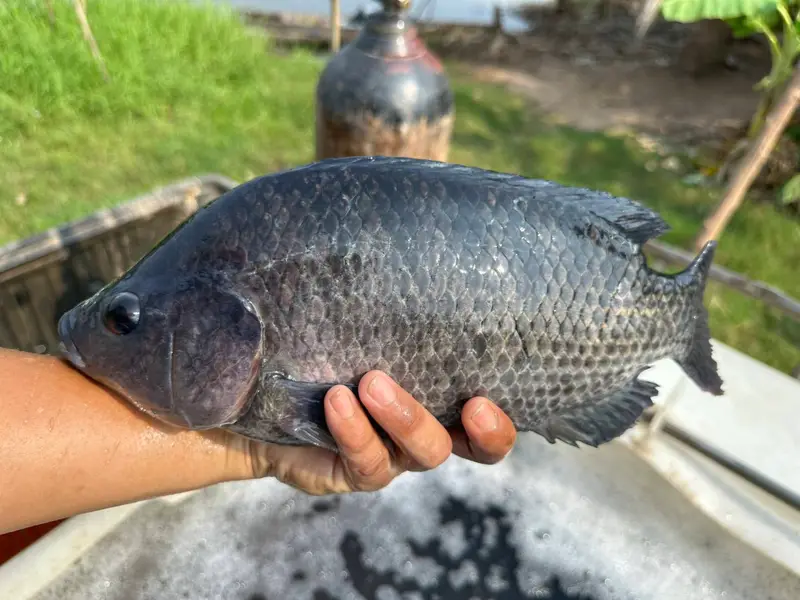
Rak Pla Rak Nam Group is a community-based aquatic animal conservation group located in Moo 2, Ban Siao Subdistrict, Fak Tha District, Uttaradit Province. The group was formed by local residents who want to protect freshwater resources, restore fish populations, and encourage the community to care for local water sources. With support of fish fingerlings from the Uttaradit Provincial Fisheries authorities, the villagers use fish release and water conservation activities as a practical way to strengthen the ecological health of their community.
The importance of Rak Pla Rak Nam Group is not limited to releasing fish into local water sources. Its deeper value lies in the way it encourages local people to see water as a shared resource that must be protected. In a rural area such as Ban Siao, streams, ponds, canals, and local water bodies are connected with food, agriculture, household life, and community well-being. If these water sources decline, the impact is felt directly by local families. This makes community-level conservation especially important.
The name “Rak Pla Rak Nam” means loving fish and loving water. It reflects the idea that fish conservation cannot be separated from water conservation. Fish can survive and reproduce only when the water environment is healthy. Protecting fish therefore means protecting habitats, reducing destructive fishing methods, preventing pollution, and helping the community develop shared rules for using water resources responsibly.
The support of fish fingerlings from the Fisheries Department gives the group a practical foundation. Instead of acting alone, the community receives technical and material support from a government agency related to aquatic resources. This helps make fish release activities more organized and increases the chance that conservation work can continue over time. It also gives villagers greater confidence that their local efforts are part of a wider resource management approach.
Ban Siao Subdistrict has a strong local community identity, with natural scenery, village traditions, local products, and community learning points. Rak Pla Rak Nam Group adds an environmental dimension to this identity. Visitors who come to the area can learn not only about local food, views, and community products, but also about how villagers work together to restore local fish populations and care for small-scale water ecosystems.
Community-based fish conservation is important because small water sources are often closest to people’s daily lives. These places provide food, support agriculture, and create local ecological balance. If fish disappear or the water becomes polluted, the community loses both food security and environmental stability. A group like Rak Pla Rak Nam helps remind residents that local conservation begins with the places they use every day.
Typical activities of a community fish conservation group may include releasing fish fingerlings, maintaining water sources, encouraging residents not to catch fish during breeding periods, discouraging destructive fishing methods, cleaning water areas, and teaching young people about aquatic life. These activities may be simple, but they require continuity and cooperation. Long-term success depends on shared community responsibility rather than a single event.
From a local livelihood perspective, fish in community water sources are closely connected with household food security. Freshwater fish have long been part of Thai rural diets. When fish populations recover, villagers have better access to local food. This makes fish conservation not only an environmental issue but also a matter of food culture, household economy, and rural well-being.
The group also creates opportunities for different generations to work together. Older residents can share knowledge about local streams, seasonal fish behavior, traditional fishing tools, and water conditions in the past. Young people can participate in fish release events, water cleanups, and learning activities. In this way, environmental knowledge is passed from one generation to another through direct experience.
For visitors, Rak Pla Rak Nam Group should be understood as a community learning site rather than a commercial tourist attraction. Advance contact is recommended because the group is not staffed like a regular tourist site. Those who want to visit, organize youth activities, study community conservation, or join fish release events should coordinate with local contacts or Ban Siao Subdistrict Administrative Organization before traveling.
Ban Siao Subdistrict Administrative Organization can serve as a local contact point for visitors who need basic information about the area. The office is located at 135/4 Moo 1, Ban Siao Subdistrict, Fak Tha District, Uttaradit 53160. Contacting the local authority in advance is useful for group visits, study trips, or activities that require community coordination.
The Ban Siao area also has nearby community attractions that can be combined with a visit to the group. These include Wang I Rong riverside viewpoint on the Nam Pat River, San Pu Ta Pho Khun Bun Hom, Wang Mat Waterfall, and the Ban Siao processed fruit group. Together, these places show the relationship between nature, belief, local products, and environmental care in one subdistrict.
Wang I Rong riverside viewpoint is especially meaningful because it shows how the community relates to the Nam Pat River. The river is not only a scenic background. It is part of local memory, resource use, and community identity. Visiting the viewpoint together with Rak Pla Rak Nam Group helps travelers understand why water conservation matters in Ban Siao.
San Pu Ta Pho Khun Bun Hom reflects local belief and community roots. In many Thai rural communities, sacred places and environmental care are closely connected. Respect for ancestors, land, water, and local spirits often supports informal community rules. Visiting both a sacred local site and a conservation group can help travelers see how culture and environmental care support one another.
Wang Mat Waterfall can be added to the route when season and road conditions are suitable. A waterfall route helps visitors see the wider water system, from upstream nature to community water sources. This makes it easier to understand that fish conservation in a village is connected with forest, rainfall, streams, and the condition of the surrounding landscape.
Getting There is best by private car or rental car. Travel to Ban Siao Subdistrict, Fak Tha District, Uttaradit Province, and contact Ban Siao Subdistrict Administrative Organization or local residents for directions to Moo 2 and the group’s activity area. Because the site is community-based, visitors should not expect fixed tourist signage or regular opening hours.
Travelers coming from Uttaradit city should allow enough time because Fak Tha District is a rural district located away from the city center. A day trip is possible if the route is planned in advance. Those who want to visit several places in Ban Siao and nearby areas may consider staying in Fak Tha District or another nearby district.
The best time to visit depends on the purpose of the trip. If visitors want to join fish release activities, they must coordinate with the group because such activities depend on fish fingerling availability, season, local planning, and water conditions. For general learning visits, advance appointment helps ensure that someone in the community can provide information.
Visitors should prepare for a rural community and water-source environment. Suitable shoes, drinking water, sun protection, mosquito repellent, and respectful clothing are recommended. If walking near water, be careful of slippery banks and avoid entering water areas without local guidance. Do not disturb fishing gear, private land, or community work areas.
Food options around Ban Siao and Fak Tha are local and simple. Visitors can stop at local food shops in the district or cafés such as Dayoff Coffee and Whitecoff Fak Tha, both of which have public contact information. For group travel, calling ahead is useful because small local restaurants may have limited seating or variable opening hours.
Accommodation options near Fak Tha are more limited than in Uttaradit city. Local accommodation such as Phuwarin Hotel in Fak Tha can be considered for travelers who want to stay near the area. Those who need more hotel choices may stay in Uttaradit city and plan Ban Siao as a day trip, though the distance should be considered carefully.
Rak Pla Rak Nam Group is especially suitable for schools, youth groups, conservation learners, and visitors interested in local resource management. The group can help explain fish life cycles, water-source care, fish release, food security, and the relationship between community livelihoods and natural resources. This makes the site valuable as an outdoor learning point.
Responsible travel is important. Visitors should not release fish on their own without advice from local people or fisheries experts, should not litter, should not catch fish in conservation areas, and should not disturb the water environment. Respecting local rules helps protect the resource that the community is working to restore.
In summary, Rak Pla Rak Nam Group in Ban Siao Subdistrict is a meaningful community conservation initiative in Uttaradit Province. Located in Moo 2, Fak Tha District, the group reflects how local villagers can work with fisheries support to restore fish populations, care for water sources, and build environmental awareness. For travelers who value community-based tourism and local conservation, this small group offers a thoughtful and educational stop in the Ban Siao area.
| Name | Rak Pla Rak Nam Group |
| Location | Moo 2, Ban Siao Subdistrict, Fak Tha District, Uttaradit Province |
| Distinctive Features | A community aquatic animal conservation group focusing on fish release, local water-source care, and environmental awareness in Ban Siao |
| Highlights | Fish conservation, community water-source protection, fish release activities, youth learning, and local resource management |
| History / Significance | A local conservation group in Moo 2, Ban Siao Subdistrict, supported with fish fingerlings from the Uttaradit Provincial Fisheries authorities to help restore aquatic resources |
| Name Origin | The name means loving fish and loving water, reflecting the idea that aquatic life and healthy water sources must be protected together |
| Caretaker / Related Organizations | Rak Pla Rak Nam Group, Moo 2 Ban Siao community, Ban Siao Subdistrict Administrative Organization, and fisheries support from Uttaradit Provincial Fisheries authorities |
| Local Authority Contact | Ban Siao Subdistrict Administrative Organization Tel. 055-810-662, 055-810-641 |
| Travel Information | Travel by private car or rental car to Ban Siao Subdistrict, Fak Tha District, Uttaradit Province, then coordinate with local contacts or the subdistrict office for directions to Moo 2 and the group activity area |
| Current Status | A community-based conservation and learning group; advance contact is recommended before visiting or organizing activities |
| Open Days | Please Contact In Advance |
| Opening Hours | Please Contact In Advance |
| Recommended Activities | Learning about fish conservation, water-source care, community fish release activities, local ecology, and youth environmental education |
| Before You Go | Contact local coordinators in advance, prepare suitable shoes, sun protection, drinking water, mosquito repellent, and follow community rules around water sources |
| Nearby Tourist Attractions | 1. Wang I Rong Nam Pat Riverside Viewpoint, about 3 km 2. San Pu Ta Pho Khun Bun Hom, about 3 km 3. Ban Siao Processed Fruit Group, about 4 km 4. Wang Mat Waterfall, about 8 km 5. Fak Tha Sea Of Mist Viewpoint, Ban Siao Subdistrict, about 10 km |
| Nearby Restaurants | 1. Local Restaurants In Ban Siao Subdistrict, about 3 km 2. Local Food Shops In Fak Tha District, about 10 km 3. Dayoff Coffee, Fak Tha District, about 12 km, Tel. 083-270-1046 4. Whitecoff Fak Tha, about 12 km, Tel. 098-987-4147 5. Food Stalls And Local Restaurants In Fak Tha Town Area, about 12 km |
| Nearby Accommodations | 1. Phuwarin Hotel, Fak Tha District, about 12 km, Tel. 081-785-6710, 081-707-8193 2. Daily-Rental Accommodation In Fak Tha District, about 12 km 3. Local Homestays Or Community Stays In The Fak Tha Area, about 12 km 4. Accommodation In Ban Khok District, about 35 km 5. Hotels In Uttaradit City, about 90 km |
Frequently Asked Questions (FAQ)
Q: Where is Rak Pla Rak Nam Group located?
A: Rak Pla Rak Nam Group is located in Moo 2, Ban Siao Subdistrict, Fak Tha District, Uttaradit Province.
Q: Why is Rak Pla Rak Nam Group important?
A: It is a community conservation group that helps protect aquatic animals, restore fish populations, care for local water sources, and build environmental awareness in Ban Siao.
Q: Which organization supports the group?
A: The villagers received fish fingerling support from the Uttaradit Provincial Fisheries authorities for local fish conservation activities.
Q: Can travelers visit Rak Pla Rak Nam Group?
A: Yes, but visitors should contact the local community or Ban Siao Subdistrict Administrative Organization in advance because this is a community-based learning group, not a regular commercial tourist site.
Q: How can visitors contact local authorities in Ban Siao?
A: Contact Ban Siao Subdistrict Administrative Organization at 055-810-662 or 055-810-641 for local information and coordination.
Q: What nearby places can travelers visit after the group?
A: Nearby places include Wang I Rong Nam Pat Riverside Viewpoint, San Pu Ta Pho Khun Bun Hom, Ban Siao Processed Fruit Group, Wang Mat Waterfall, and the Fak Tha sea of mist viewpoint.
Q: What type of travel is this place suitable for?
A: It is suitable for community-based tourism, environmental learning, youth activities, study visits, and travelers interested in water-source conservation and rural livelihoods.
Q: What should visitors prepare before going?
A: Visitors should make an appointment in advance, wear suitable shoes, bring drinking water, sun protection, mosquito repellent, and follow community rules around water sources.
 Category: ●Suburban Living
 Group: ●Village, Community
Last Update : 4 MonthAgo
 Last Update : 4 MonthAgo
 Click to Access the Navigation Map GPS
Rak Pla Rak Nam Group Map
Recommend

 Art, Culture and Heritage
 Historical Sites and Monuments(2)
 Landmarks and Memorials(8)
 Art, Craft Centres, Tradition(3)
 Museums(1)
 Historic Homes and Cities(1)
 Places of Worship
 Temple(42)
 Other Sacred Sites(5)
Village, Community(4)
Other Sacred Sites(5)
Village, Community(4)
 Nature and Wildlife
 National Parks and Marine Reserves(4)
 Mountain (Doi)(3)
 Dam, Reservoir, Lake(3)
 Waterfalls(11)
 Caves(3)
 River, Canal(3)
 Other natural attractions(3)
 Entertainment and Agricultural
 Farms, Parks and Ecotourism(1)


