
lovethailand home >North Travel Attractions >Uttaradit Travel Attractions >Tha Pla >Nang Phaya > Phu Phaya Pho Waterfall
TL;DR: Phu Phaya Pho Waterfall is located at Moo 3, Ban Ton Daeng, Nang Phaya Subdistrict, Tha Pla District, Uttaradit Province, open Accessible Depending On Trail And Safety Conditions, hours Morning To Early Afternoon Is Recommended.

Phu Phaya Pho Waterfall
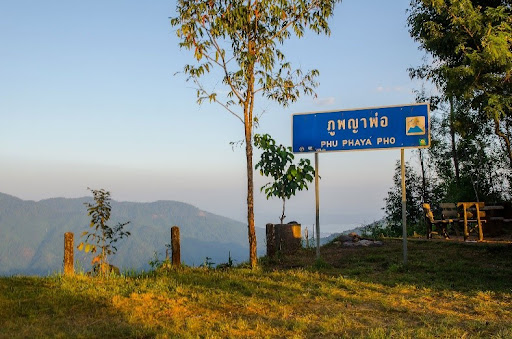
Open Days: Accessible Depending On Trail And Safety Conditions
Opening Hours: Morning To Early Afternoon Is Recommended
Phu Phaya Pho Waterfall is a natural waterfall located in Moo 3, Ban Ton Daeng, Nang Phaya Subdistrict, Tha Pla District, Uttaradit Province. It lies within the landscape of the Phu Phaya Pho mountain range, an important highland area connected to Lam Nam Nan National Park and the natural borderland between Uttaradit and Phrae. The waterfall is known for its beautiful mountain setting, forest atmosphere, and quiet local character, making it suitable for travelers who prefer natural places away from crowded tourist routes.
Ban Ton Daeng is a village in Nang Phaya Subdistrict, an area shaped by foothills, mountains, streams, and rural communities. Phu Phaya Pho Waterfall should be approached as a local natural waterfall rather than a heavily developed tourist attraction. Its appeal comes from the freshness of water, forest shade, mountain surroundings, and the peaceful rhythm of a highland community in Tha Pla District.
Phu Phaya Pho itself is a well-known mountain in Nang Phaya Subdistrict. The area is associated with highland scenery, viewpoints, forest routes, and the natural connection between Uttaradit and Phrae. A waterfall located within this landscape gains its character from both the flowing water and the surrounding mountain environment. Visitors can expect a nature-based experience involving forest, stream, and local terrain rather than a fully commercialized destination.
The beauty of Phu Phaya Pho Waterfall lies in its natural context. Flowing water, shaded rocks, forest moisture, and the mountain atmosphere combine to create a refreshing setting. The waterfall is suitable for slow travel, quiet photography, nature observation, and small-group visits. It is especially appealing to travelers who enjoy places that remain closely connected to local communities and natural landscapes.
Visitors should prepare for a natural mountain environment. The route may include uneven ground, wet soil, slippery rocks, roots, and narrow paths depending on local conditions. During the rainy season or after heavy rain, the area may become more difficult to access. Good walking shoes, suitable clothing, drinking water, snacks, insect repellent, and a waterproof bag are recommended. Traveling in a group is safer than traveling alone.
The name “Phu Phaya Pho” carries a strong local identity. It suggests a mountain with importance, dignity, and protective meaning in the eyes of local people. When connected to the waterfall, the name gives the site a sense of place that goes beyond scenery. It reflects the relationship between the community, the mountain, the forest, and the water sources that support the surrounding area.
Water conditions at a mountain waterfall can change with the season. The rainy season and the period after rainfall often bring greener scenery and stronger water flow, but visitors should be cautious of flash floods, slippery surfaces, and sudden changes in water level. The cool season can be pleasant for walking and photography, while the dry season may offer a quieter atmosphere with lower water volume.
Phu Phaya Pho Waterfall is valuable as part of a wider natural ecosystem. Streams, forests, plants, rocks, insects, and small animals all belong to the same fragile environment. Visitors should not leave trash, use soap or shampoo in the stream, damage plants, or disturb the natural surroundings. Responsible travel is essential because small community waterfalls can be affected quickly by careless behavior.
The waterfall is best suited for nature lovers, small groups of friends, and travelers with reasonable mobility. Families with small children or elderly travelers should check trail conditions before visiting. The terrain may not be suitable for visitors who require easy access. Asking local residents or relevant authorities for updated route conditions is strongly recommended before entering the area.
Recommended items include walking shoes, drinking water, snacks, insect repellent, a hat, spare clothes, a waterproof phone bag, and a trash bag. During the rainy season, a lightweight raincoat is more practical than an umbrella. Visitors should carry only necessary items because walking in natural mountain terrain requires more energy than walking on paved ground.
Playing in the water should be done only in safe areas where the current is gentle and the bottom can be seen clearly. Visitors should not jump into pools of unknown depth, climb high rocks, or walk on moss-covered stones. If the water changes color, rises quickly, or becomes unusually loud, visitors should move away from the stream immediately.
For photography, Phu Phaya Pho Waterfall offers a natural and unpolished setting. Good subjects include flowing water over rocks, forest shade, streamside vegetation, wet leaves, and mountain views around Ban Ton Daeng. Its beauty is not staged or highly developed; it comes from real nature and the quiet mood of a local mountain waterfall.
Phu Phaya Pho Waterfall can be combined with other attractions in Nang Phaya and Tha Pla District, including Phu Phaya Pho Viewpoint, Sai Rung Waterfall, Nang Phaya Village, Kaeng Nang Phaya, Sirikit Dam, and Lam Nam Nan National Park. Travelers should not pack too many destinations into one day because mountain routes require time, careful driving, and flexibility.
Phu Phaya Pho is also culturally meaningful to local communities. Mountains, forests, and water sources are closely connected to everyday life in Nang Phaya. Visitors should travel respectfully, drive carefully through villages, avoid blocking community roads, keep noise low, and ask local residents politely for directions when needed.
The route around Phu Phaya Pho has become increasingly important as a connection between Phrae and Uttaradit and as a mountain travel route to viewpoints and natural attractions. However, mountain roads still require careful driving, especially on curves, slopes, foggy sections, rainy days, and road surfaces affected by weather. Vehicles should be in good condition before the trip.
Getting There is most practical by private car or motorcycle suitable for mountain roads. Travel to Tha Pla District in Uttaradit Province, continue toward Nang Phaya Subdistrict, and head to Ban Ton Daeng, Moo 3. From there, ask local residents or local authorities for the current route to the waterfall. If using the Phu Phaya Pho route or the Phrae–Tha Pla connection, check road conditions before departure, especially during the rainy season.
The relevant local contacts are Nang Phaya Subdistrict Administration Organization and Lam Nam Nan National Park. Travelers should ask about route conditions, water conditions, and safety before visiting, particularly during periods of rain or when unfamiliar with the terrain.
Phu Phaya Pho Waterfall is best enjoyed slowly and respectfully. The experience includes not only the waterfall but also Ban Ton Daeng, the mountain atmosphere, forest routes, and the local character of Nang Phaya Subdistrict. With proper preparation, careful travel, and respect for nature, this waterfall can offer a refreshing and memorable experience in the highland landscape of Uttaradit.
| Name | Phu Phaya Pho Waterfall |
| Location | Moo 3, Ban Ton Daeng, Nang Phaya Subdistrict, Tha Pla District, Uttaradit Province |
| Address | Ban Ton Daeng, Moo 3, Nang Phaya Subdistrict, Tha Pla District, Uttaradit 53150, Thailand |
| Highlights | A natural waterfall on the Phu Phaya Pho mountain range, surrounded by peaceful highland forest scenery |
| Distinctive Features | Located in Ban Ton Daeng, suitable for nature lovers, small groups, and travelers comfortable with mountain terrain |
| Natural Environment | Forest, streams, and highland terrain connected to Phu Phaya Pho and Lam Nam Nan National Park |
| Name Origin | The name Phu Phaya Pho reflects an important mountain of Nang Phaya Subdistrict and local respect for nature |
| Travel Information | Travel to Tha Pla District, continue to Nang Phaya Subdistrict and Ban Ton Daeng, Moo 3, then ask local residents or local authorities for the current waterfall route |
| Current Status | A natural area of Nang Phaya Subdistrict; no permanent closure information found |
| Open Days | Accessible depending on trail and safety conditions |
| Opening Hours | Morning to early afternoon is recommended |
| Recommended Items | Walking shoes, drinking water, snacks, insect repellent, spare clothes, waterproof bag, and trash bag |
| Caretaker / Contact Authority | Nang Phaya Subdistrict Administration Organization / Lam Nam Nan National Park |
| Main Contact Number | Nang Phaya SAO Tel. 055-041551 / Lam Nam Nan National Park Tel. 09-0604-7793 |
| Official Website / Official Page | www.nangpaya.go.th / Nang Phaya Subdistrict Administration Organization / Lam Nam Nan National Park |
| Nearby Tourist Attractions | 1. Phu Phaya Pho Viewpoint, about 6 km 2. Sai Rung Waterfall, Ban Ton Daeng, about 8 km 3. Nang Phaya Village, about 10 km 4. Kaeng Nang Phaya, about 12 km 5. Sirikit Dam, about 40 km 6. Lam Nam Nan National Park, about 50 km |
| Nearby Restaurants | 1. Ui Kham Coffee Cafe by Nang Phaya Coffee, about 10 km, Tel. 092-537-6423, 085-322-5018 2. Lan Arom, Nang Phaya Subdistrict, about 12 km 3. Doctor Cafe, Tha Pla, about 38 km, Tel. 098-294-4988 4. Ton Fa Tour Restaurant, Tha Pla Pier, about 42 km, Tel. 087-204-2739 5. Ban Tha Ruea Restaurant, Tha Pla District, about 42 km, Tel. 085-727-6496 |
| Nearby Accommodations | 1. Ui Kham Coffee Cafe by Nang Phaya Coffee, about 10 km, Tel. 092-537-6423, 085-322-5018 2. Lan Arom, Nang Phaya Subdistrict, about 12 km 3. At 9 Time Kaeng Tong, about 40 km, Tel. 092-563-9647 4. Night Homestay, Ruam Chit, Tha Pla, about 42 km 5. Pae Lung Thiam, Tha Pla District, about 50 km, Tel. 091-026-3259, 081-910-4729 |
Frequently Asked Questions (FAQ)
Q: Where is Phu Phaya Pho Waterfall located?
A: Phu Phaya Pho Waterfall is located in Moo 3, Ban Ton Daeng, Nang Phaya Subdistrict, Tha Pla District, Uttaradit Province.
Q: What makes Phu Phaya Pho Waterfall special?
A: It is a natural waterfall on the Phu Phaya Pho mountain range, known for its peaceful forest setting and highland scenery.
Q: Who is Phu Phaya Pho Waterfall suitable for?
A: It is suitable for nature lovers, small groups, friends, and travelers who are comfortable with mountain terrain.
Q: What is the best time of day to visit Phu Phaya Pho Waterfall?
A: Morning to early afternoon is recommended so visitors have enough daylight to enter and leave the natural area safely.
Q: What should visitors prepare before visiting Phu Phaya Pho Waterfall?
A: Visitors should prepare walking shoes, drinking water, snacks, insect repellent, spare clothes, a waterproof bag, and a trash bag.
Q: Is Phu Phaya Pho Waterfall suitable for small children or elderly travelers?
A: It is best for visitors who can move comfortably in natural terrain. Families with small children or elderly travelers should check trail conditions before visiting.
Q: What nearby attractions can be combined with Phu Phaya Pho Waterfall?
A: Nearby attractions include Phu Phaya Pho Viewpoint, Sai Rung Waterfall, Nang Phaya Village, Kaeng Nang Phaya, Sirikit Dam, and Lam Nam Nan National Park.
Q: Who can visitors contact for local information?
A: Visitors can contact Nang Phaya Subdistrict Administration Organization at 055-041551 or Lam Nam Nan National Park at 09-0604-7793.
 Category: ●Nature and Wildlife
 Group: ●Waterfalls
Last Update : 4 MonthAgo
 Last Update : 4 MonthAgo
 Click to Access the Navigation Map GPS
Phu Phaya Pho Waterfall Map
Recommend

 Art, Culture and Heritage
 Historical Sites and Monuments(2)
 Landmarks and Memorials(8)
 Art, Craft Centres, Tradition(3)
 Museums(1)
 Historic Homes and Cities(1)
 Places of Worship
 Temple(42)
 Other Sacred Sites(5)
 Suburban Living
 Village, Community(4)
 National Parks and Marine Reserves(4)
 Mountain (Doi)(3)
 Dam, Reservoir, Lake(3)
Waterfalls(11)
Dam, Reservoir, Lake(3)
Waterfalls(11)
 Caves(3)
 River, Canal(3)
 Other natural attractions(3)
 Entertainment and Agricultural
 Farms, Parks and Ecotourism(1)


