
lovethailand home >North Travel Attractions >Phrae Travel Attractions >Muang Phrae >Cho Hae > Ban Na Tong
TL;DR: Ban Na Tong is located at Moo 9, Cho Hae Subdistrict, Mueang Phrae District, Phrae, open Advance contact recommended, hours By arrangement and road conditions.

Ban Na Tong
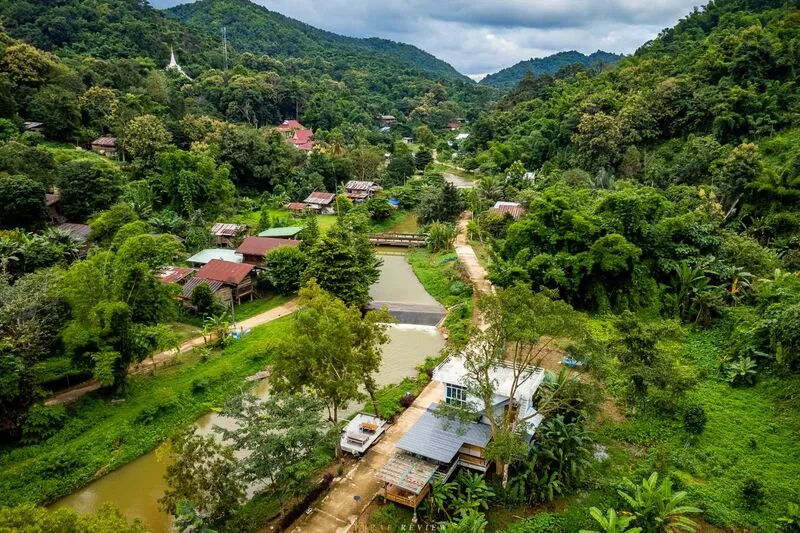
Open Days: Advance contact recommended
Opening Hours: By arrangement and road conditions
Ban Na Tong is a small mountain village in Cho Hae Subdistrict, Mueang Phrae District, and it offers a very different side of Phrae from the better-known city temples and historic mansions. This is not a fast-paced attraction built around convenience. It is a quiet community surrounded by forest, streams, and highland scenery, where local life still revolves around agriculture, water sources, and seasonal rhythms. That is exactly what makes it special. Travelers who want to experience Phrae beyond the town center will find Ban Na Tong one of the most meaningful community destinations in the province.
The village sits in a valley-like mountain setting, and the journey itself is part of the experience. The route passes the Cho Hae area and continues toward upland village roads. In the rainy season, access can be difficult, and stronger vehicles are more suitable for the trip. Ban Na Tong is therefore best approached as a destination for travelers who enjoy nature, slower travel, and community-based experiences rather than quick sightseeing. Once you reach the village, the atmosphere changes immediately. The sound of running water, the surrounding greenery, and the calm pace of local life create a setting that feels far removed from the city.
What gives Ban Na Tong its identity is the village way of life. Local residents continue to depend heavily on agriculture, including rice farming during the rainy season, peanut cultivation outside the rice-growing period, and the collection of tea leaves and forest-related crops as part of their routine economy. This close relationship with the environment shapes the character of the village. Visitors who stay here do not just see nature from a viewpoint. They get to understand how the community lives with the forest, the streams, and the agricultural calendar in practical daily life.
Ban Na Tong is especially well known as one of the important places associated with the rare “Tao Pu Lu,” or big-headed turtle. This species is unusual in appearance, with a large head and a long tail, and it survives only in clean, healthy ecosystems with suitable water and food sources. Because of this, the presence of Tao Pu Lu has become a symbol of the village’s ecological richness. Ban Na Tong is not simply a place where people talk about conservation. It is a place where the health of the forest and watershed can still be seen through the presence of a rare animal species that depends on clean natural conditions.
Visitors can learn more about Tao Pu Lu at the conservation viewing area associated with Ban Na Tong School. This gives the village a strong educational value in addition to its tourism appeal. Seeing Tao Pu Lu here is not only about observing a rare turtle. It also helps explain why watershed forests, mountain streams, and local environmental care matter so much. In Ban Na Tong, tourism and conservation are closely connected, and that connection is one of the strongest reasons to visit.
Ban Na Tong also offers more than wildlife interest. Nearby attractions include Natong Cave, which is one of the important natural features of the area and is deeply connected to local memory and village stories. The surrounding cave system includes several smaller cave sections, making it part of the community’s natural heritage. There is also Pha Bong Waterfall, a nearby nature stop for travelers who enjoy forest scenery and short outdoor exploration. In addition, Ban Na Tong has community archaeology significance, with local references to ancient human remains and archaeological finds in the area. This makes the village richer in meaning than a typical scenic stop.
Another reason Ban Na Tong stands out is the range of community resources that still remain active in everyday life. Local development records point to products and skills linked to tea leaves, woven goods, local foods, vegetables, and other village-based knowledge. This means that a stay in Ban Na Tong can include more than sleeping in a quiet place. It can become an experience of learning how a small upland community continues to use its own natural and cultural resources in ways that support daily life.
For travelers who enjoy slow travel, Ban Na Tong is highly rewarding. The village is best experienced through simple activities: walking beside the stream, sitting outside a small riverside stay, talking with local hosts, learning about the turtle conservation story, and absorbing the silence of the mountains. There is no need for a long checklist here. The appeal comes from the atmosphere itself. The village offers a sense of rest and perspective that is difficult to find in more commercial destinations.
Homestay and small village accommodation are central to the Ban Na Tong experience. Staying overnight allows visitors to feel the village more fully, especially in the evening and early morning when the landscape is at its most peaceful. Misty mornings, cool air, and the sound of water are part of what makes this destination memorable. In addition to community-style stays, newer small accommodations in the village now make it easier for travelers to plan a longer and more comfortable visit while still keeping the natural setting intact.
Travelers should understand that Ban Na Tong is not a fully urbanized destination with uniform conditions year-round. The rainy season brings the greenest scenery, but it also makes the road more demanding. The cool season is often easier for travel and is especially attractive for those who want comfortable weather and mountain views. Planning ahead is essential. It is best to contact the community or accommodation before departure, check current road conditions, and choose a suitable vehicle for the journey.
Getting There generally involves traveling from Phrae town through the Cho Hae area and continuing along the upland route toward the village. The distance may not seem extreme on paper, but the road requires more time than a normal city drive because of curves, elevation, and seasonal surface changes. In the rainy season, stronger vehicles are strongly recommended. Travelers unfamiliar with mountain roads should arrange transport or confirm details with the village or their chosen accommodation in advance.
Ban Na Tong is important because it reveals a deeper layer of Phrae. Beyond old houses, famous temples, and local indigo culture, the province also has forest-edge villages like this one, where nature, rare wildlife, agriculture, and community memory remain closely linked. For travelers who want a more meaningful understanding of Phrae, Ban Na Tong offers something genuine, quiet, and difficult to replace. It is a place where rest, learning, and environmental awareness come together in a very natural way.
| Name | Ban Na Tong |
| Location | Moo 9, Cho Hae Subdistrict, Mueang Phrae District, Phrae |
| Address | Ban Na Tong, Moo 9, Cho Hae, Mueang Phrae, Phrae 54000 |
| Coordinates | 17.999887814997617, 100.25262005935727 |
| Highlights | Mountain community experience, homestay lifestyle, Tao Pu Lu conservation, Natong Cave, Pha Bong Waterfall, and rich watershed forest scenery |
| History | A village with more than 150 years of settlement history, developed by pioneering families from nearby areas before becoming an agricultural and tea-growing community |
| Name Origin | The name comes from the abundance of “tong” trees in the area, which villagers also used in relation to tea-leaf preparation and local use |
| Distinctive Features | A quiet rural village in a mountain valley with streams, agriculture, community-based tourism, and a strong conservation identity |
| Travel Information | Travel via the Cho Hae route and Highway 1022 before entering village roads; stronger vehicles are recommended in the rainy season, and advance contact is advisable |
| Current Status | An active community tourism village with local accommodations, nature-based experiences, and contactable local hosts |
| Fees | Community homestay package: 390 THB per person, excluding transport, for 1 day and 1 night |
| Facilities | Homestays and small stays, village café, Tao Pu Lu viewing area, natural surroundings, and community learning points |
| Main Areas / Zones | Ban Na Tong community area, Ban Na Tong School, Tao Pu Lu viewing point, Natong Cave, Pha Bong Waterfall, and the community archaeology zone |
| Main Contact Number | Ban Na Tong Ecotourism Club: 054-529-060-1, Cho Hae Municipality: 054-599-021 |
| Official Website / Official Page | Amazing Thailand, SAC WikiCommunity, Cho Hae Municipality, Ban Na Tong community page |
| Nearby Tourist Attractions | 1) Natong Cave – about 1 km 2) Tao Pu Lu viewing point at Ban Na Tong School – about 1 km 3) Ban Na Tong Community Archaeology Museum – about 1 km 4) Pha Bong Waterfall – about 2 km 5) Wat Phra That Cho Hae Royal Temple – about 20 km |
| Nearby Restaurants | 1) Natong Cafe – about 1 km, Tel. 063-939-5949 2) API Cafe – about 18 km, Tel. 093-632-6562 3) Krua Pittaya (Kuk Tan) – about 18 km, Tel. 089-557-3817 4) Kholoh Cafe – about 20 km, Tel. 087-569-9844 5) Charlotte Hut Coffee & Tea Bar – about 28 km, Tel. 054-523-367 |
| Nearby Accommodations | 1) Naka Natong Home – about 1 km, Tel. 095-698-3394 2) VSN HOUSE Natong – about 1 km, Tel. 092-469-2704 3) Natong Cafe Homestay – about 1 km, Tel. 063-939-5949 4) Ayla Chalet – about 20 km, Tel. 064-490-9779 5) Huern Na Na Boutique Hotel Phrae – about 28 km, Tel. 054-524-800 |
Frequently Asked Questions (FAQ)
Q: What find of trip is Ban Na Tong best for?
A: It is best for community-based travel, quiet nature stays, slow travel, and learning about local conservation and rural life.
Q: What is Ban Na Tong most famous for?
A: The village is especially known for its natural mountain setting and its association with the rare Tao Pu Lu, or big-headed turtle.
Q: Can I visit Ban Na Tong during the rainy season?
A: Yes, but road conditions can be difficult, so travelers should prepare carefully and use a suitable vehicle.
Q: Is it possible to stay overnight in Ban Na Tong?
A: Yes. The village has community-style homestays and small accommodation options, and advance booking is recommended.
Q: Where can I learn about Tao Pu Lu in Ban Na Tong?
A: Visitors can learn about and view Tao Pu Lu at the viewing area linked with Ban Na Tong School.
Q: Is Ban Na Tong suitable for families?
A: Yes, especially for families who enjoy nature and learning experiences, though transport planning is important because of the road conditions.
Tel : 054529060-1
 Tel : 054529060-1
 Category: ●Suburban Living
 Group: ●Village, Community
Last Update : 6 MonthAgo
 Last Update : 6 MonthAgo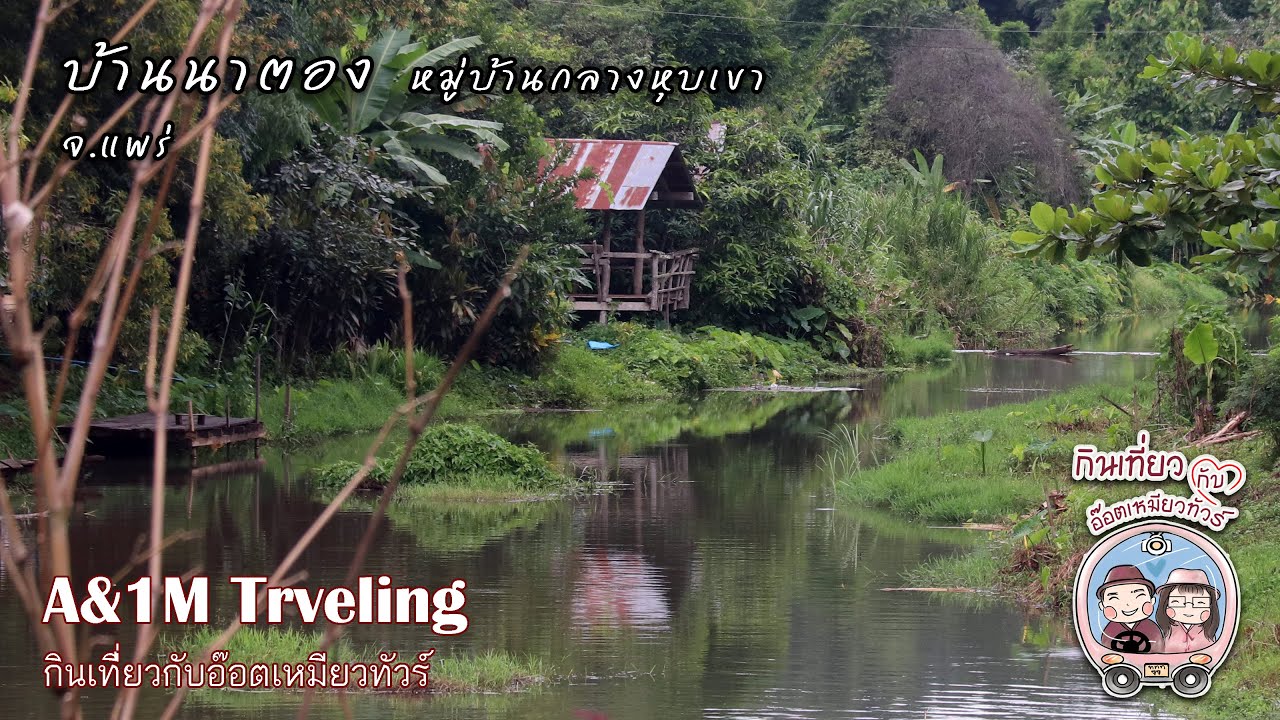
 Click to Access the Navigation Map GPS
Ban Na Tong Map
Recommend

 Art, Culture and Heritage
 Historical Sites and Monuments(4)
 Landmarks and Memorials(5)
 Art, Craft Centres, Tradition(3)
 Museums(6)
 Historic Homes and Cities(2)
 Educational Places
 Museum for Study(1)
 Educational Gardens, Farm(2)
 Places of Worship
 Temple(31)
 Other Sacred Sites(8)
Village, Community(6)
Other Sacred Sites(8)
Village, Community(6)
 Local Market(1)
 Nature and Wildlife
 National Parks and Marine Reserves(4)
 Dam, Reservoir, Lake(14)
 Waterfalls(6)
 Hot Springs(1)
 Caves(5)
 River, Canal(3)
 Islands(1)
 Other natural attractions(5)
 Entertainment and Agricultural
 Farms, Parks and Ecotourism(5)
 Outdoor and Adventure Activities(1)
 Travel Articles, Recipes
 Travel Review, Food Review(2)


