
lovethailand home >Northeastern Travel Attractions >Bueng Kan Travel Attractions >Mueang Bueng Kan >Khok Kong > Phu Wua Wildlife Sanctuary
TL;DR: Phu Wua Wildlife Sanctuary is located at Mueang Bueng Kan, Bung Khla, Seka, and Bueng Khong Long Districts, Bueng Kan Province, Thailand, open Daily, when visitor areas are officially open, hours 08.30 – 16.30.

Phu Wua Wildlife Sanctuary
Open Days: Daily, when visitor areas are officially open
Opening Hours: 08.30 – 16.30
Phu Wua Wildlife Sanctuary in Bueng Kan Province is one of the most important protected forest areas in Thailand’s upper northeastern region. Covering about 186 square kilometers, or approximately 116,562 rai, it extends across Mueang Bueng Kan District, Bung Khla District, Seka District, and Bueng Khong Long District. The sanctuary lies close to the Lao border and the Mekong River, giving it both ecological and geographical significance. Its landscape includes sandstone ridges, wide rock terraces, grassland, dry dipterocarp forest, dry evergreen forest, and moist evergreen forest. These features make Phu Wua a major conservation area, a watershed forest, a habitat for wildlife, and one of Bueng Kan’s most distinctive nature destinations.
Phu Wua is best suited for travelers who want a deeper nature experience rather than a short roadside stop. The sanctuary contains seasonal waterfalls, forest trails, sandstone plateaus, viewpoints, streams, and natural habitats that remain strongly connected as one living ecosystem. Its value is not limited to scenic waterfalls. The area helps maintain moisture, supports wildlife, protects upstream water sources, and preserves the ecological balance of northern Bueng Kan. For travelers who want to understand the province beyond the Mekong riverside, Phu Wua offers a clear view of the forests, rocks, water systems, and communities that shape this region.
The most distinctive natural feature of Phu Wua is its sandstone terrain. Many parts of the sanctuary are formed by broad rock platforms, sandstone ridges, cliffs, channels, pools, and water-worn rock formations. During the rainy season, streams from the upland forest flow over these sandstone layers and become waterfalls. Some waterfalls drop through narrow rock grooves, while others spread widely across sandstone cliffs. When mist from the falling water meets sunlight, the result can be a rainbow-like effect. This combination of sandstone, water, forest, and seasonal light gives Phu Wua a character that is different from many other waterfall areas in Thailand.
The name Phu Wua refers to a large mountain and forest landscape long recognized by local communities. It is not simply the name of one hill, but a broader natural area made up of forest, rock terraces, streams, waterfalls, and communities around the protected boundary. When visitors enter Phu Wua, they immediately notice that it is not a city park or a casual recreation ground. It is a wildlife sanctuary with conservation rules, safety restrictions, and a strong sense of wilderness. This makes it especially meaningful for travelers who appreciate protected natural areas.
Tham Fun Waterfall is one of the interesting attractions inside the Phu Wua area. It is located near Ban Phu Sawat in Nong Doen Subdistrict. Travelers use Highway 212, then turn toward the waterfall before reaching Bung Khla District. The access route leads through open forest and broad sandstone terrain. The walking approach passes over wide rock surfaces before reaching a waterfall that descends from a sandstone cliff through a narrow natural groove. Tham Fun Waterfall is most beautiful during the rainy season, when water flows clearly along the sandstone face and creates a long, elegant curtain-like stream.
Chet Si Waterfall, or Seven-Color Waterfall, is another major highlight of Phu Wua. It is located near Ban Don Siat in Ban Tong Subdistrict, Seka District. The waterfall is especially beautiful during the rainy season and early cool season. It is formed by the Ka-am stream flowing over a high sandstone cliff and spreading across a broad rock face. As the water strikes the rocks below, fine mist rises into the air. When sunlight passes through this mist, different colors appear, giving the waterfall its name. Chet Si Waterfall is popular among local visitors and nature travelers because of its pools, rock formations, forest atmosphere, and striking seasonal beauty.
The route to Chet Si Waterfall can be taken from Highway 212. Before reaching Bung Khla District, turn at Ban Chaiyaphon and continue through Ban Phu Ngoen and Ban Don Siat to the waterfall area. Another route connects from Wat Phu Tok through Ban Na Tong and Ban Don Siat. These routes link forest, temples, local villages, and waterfall areas, making it possible to combine Phu Wua with other important destinations in Bueng Kan. Travelers should use a reliable vehicle, allow enough travel time, and check local road conditions during the rainy season.
In addition to Tham Fun Waterfall and Chet Si Waterfall, Phu Wua Wildlife Sanctuary also includes Tham Phra Waterfall, Tat Nok Khian Waterfall, and the nature trail from the sanctuary office toward the northern Phu Wua and Tham Phrai area. Tham Phra Waterfall is one of the most popular rainy-season attractions because of its wide sandstone surface and forest-waterpark atmosphere. The nature trail is suitable for visitors who want to understand the sanctuary more deeply through its forest types, rock landscape, plant communities, and traces of wildlife activity.
Seasonal awareness is essential when visiting Phu Wua. The rainy season is the most beautiful time for waterfalls because the forest becomes green, streams become active, and the waterfalls flow strongly. At the same time, heavy rain can create flash floods, strong currents, and slippery rock surfaces. Sanctuary officials may temporarily close waterfalls or trails whenever conditions become unsafe. Visitors should therefore follow official announcements and enter only areas that are open on the day of travel.
The most suitable travel period is from the rainy season into the early cool season, especially after regular rainfall when water levels remain safe. During this period, the waterfalls are full, the forest is fresh, and the sandstone platforms show water patterns clearly. Visitors should avoid entering streams, waterfall edges, or rock channels during heavy rain, when the water turns muddy, flows strongly, or rises suddenly. The beauty of Phu Wua is best enjoyed with caution and respect for natural conditions.
The forest types of Phu Wua are ecologically diverse. Dry dipterocarp forest appears in drier areas and on open rock terrain, while dry evergreen forest and moist evergreen forest occur in more humid zones and stream corridors. This diversity supports a wide range of plants and wildlife. It also makes the sanctuary important as a watershed and ecological refuge. The forest helps absorb rainfall, slows runoff, supports streams, and provides habitat and food sources for wildlife.
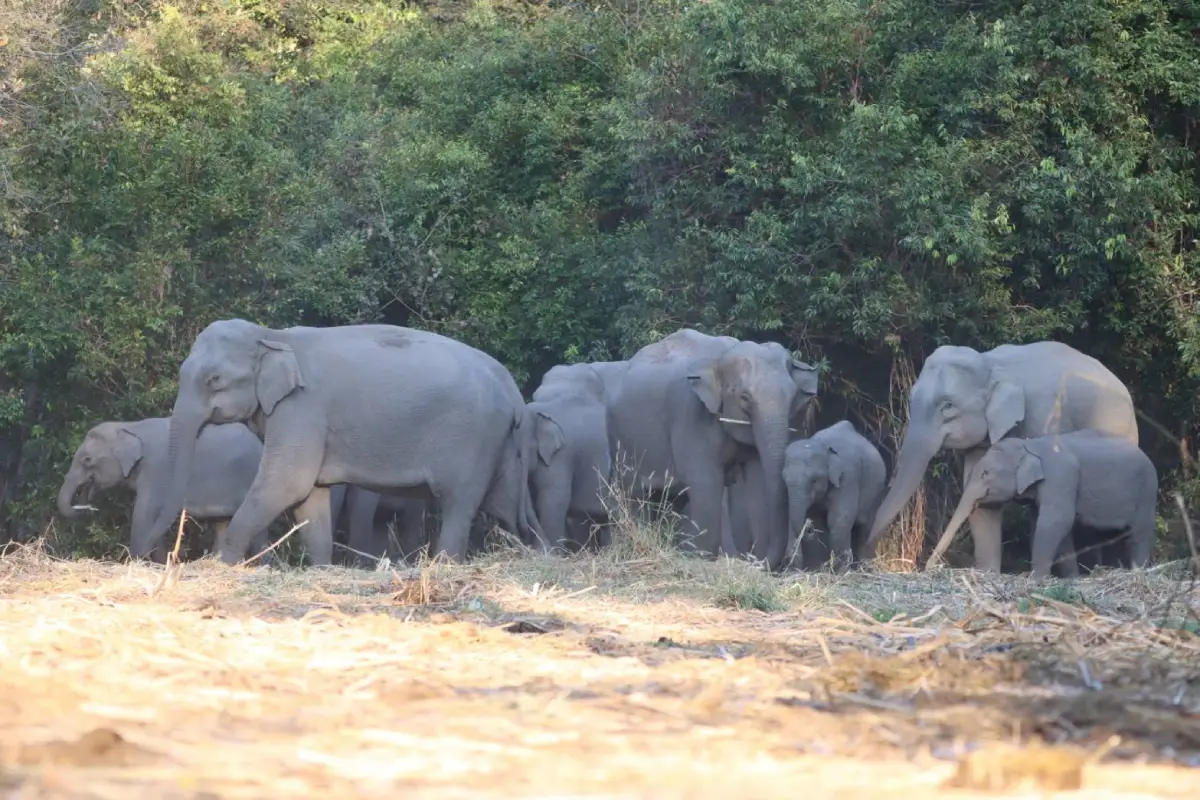
Wild elephants are among the best-known animals connected with Phu Wua. Elephant movements around villages and agricultural areas occur from time to time, requiring rangers to patrol, monitor, and coordinate with local communities. For visitors, this means the sanctuary must be treated as a real wildlife area. Travelers should never leave marked routes, enter restricted areas, feed wildlife, make loud noises, or ignore instructions from rangers. Respecting these rules protects both visitors and animals.
Visiting Phu Wua should be approached as a trip into a protected forest, not an ordinary tourist attraction. Good footwear is necessary because sandstone and natural trails can be slippery. Visitors should bring drinking water, suitable clothing, rain protection, a waterproof bag for valuables, and any personal medication. Alcohol, littering, writing on rocks, damaging plants, and disturbing wildlife are inappropriate and harmful to the sanctuary. Every visitor has a role in keeping the area safe and clean.
Getting There from Bueng Kan town is straightforward by private car. Take Highway 212 toward Bung Khla District and continue toward the Phu Wua area. The main sanctuary access is around the Ban Don Chik and Ban Kham Pia side, near Bung Khla District. To reach Tham Fun Waterfall, use Highway 212 and turn toward the waterfall before reaching Bung Khla. To reach Chet Si Waterfall, turn at Ban Chaiyaphon and continue through Ban Phu Ngoen and Ban Don Siat. Because routes pass through rural areas and forest-edge communities, travelers should fuel their vehicle in advance and allow extra time.
A one-day trip from Bueng Kan town can include one or two main waterfall areas, such as Tham Fun Waterfall and Chet Si Waterfall. Trying to visit every site in a single day is not recommended because the sanctuary is large and the roads between attractions require time. Travelers who want a more relaxed experience should stay overnight in Bueng Kan town, Bung Khla, Pak Khat, or nearby districts, then continue to different areas of Phu Wua the next morning.
For photography, Phu Wua offers several strong subjects. Tham Fun Waterfall is suitable for long waterfall streams along sandstone grooves. Chet Si Waterfall is known for mist and sunlight. Rock terraces offer textures and natural lines, while higher areas provide forest views that extend toward the Lao side. Photographers should avoid climbing risky edges, standing too close to strong currents, or blocking paths used by other visitors.
Families and older travelers should choose accessible areas and check trail conditions before visiting. Some waterfalls require walking across natural rock surfaces or forest trails, which may not suit visitors with knee, ankle, or balance issues. Children should be closely supervised near pools, streams, wet rock, and sloping surfaces. A safe Phu Wua trip depends on matching the route with the ability of every member of the group.
Facilities in the sanctuary are practical rather than urban-style. Key areas may have ranger contact points, service checkpoints, parking spaces, toilets, nature trails, camping areas, or accommodation under the conditions of the conservation authority. Visitors should bring enough drinking water, food, medicine, and essential supplies. All waste must be taken out of the area. This is a protected forest, so self-preparation and responsible behavior are part of the travel experience.
Entrance and service fees are collected for visitors and vehicles according to the rates set by the Department of National Parks, Wildlife and Plant Conservation. Payment is made at the designated service point or checkpoint. These fees support management, safety, trail maintenance, and conservation work within the sanctuary. Visitors should prepare cash for entrance services and local expenses.
The communities around Phu Wua are closely connected with forests, farming, and the Mekong region. Responsible tourism can support these communities through local restaurants, accommodation, and community products. At the same time, travelers should avoid supporting activities that disturb wildlife, damage forest areas, or encourage inappropriate collection of forest products. Staying on official routes and following ranger advice is the best way to enjoy the sanctuary without harming it.
Phu Wua can be combined with several other Bueng Kan attractions. Nature-focused travelers can link it with Tham Phra Waterfall, Chet Si Waterfall, Tham Fun Waterfall, Nong Kut Thing, Hin Sam Wan, and Phu Sing. Cultural travelers can combine it with Wat Phu Tok, Wat Ahong Silawat, and Chao Mae Song Nang Shrine. Travelers interested in Mekong riverside life can add Bung Khla, Pak Khat, Thai-Lao Market, and Bueng Kan Walking Street. A well-planned itinerary can cover forest, waterfalls, temples, markets, and riverside communities in one trip.
For foreign travelers, Phu Wua should be understood as a wildlife sanctuary rather than a normal tourist park. Some areas may open or close according to season, rainfall, water level, and safety conditions. Its main highlights are natural sandstone landscapes, rainy-season waterfalls, forest trails, and wildlife habitats. Visitors who enjoy nature and are willing to follow conservation rules will find Phu Wua one of the most rewarding places in Bueng Kan.
What makes Phu Wua different from ordinary waterfall destinations is the feeling of being inside a large forest system. The waterfalls are not isolated attractions; they are part of a network of rainfall, streams, rocks, plants, and wildlife. Water flowing across sandstone comes from the forest. The forest remains healthy because of water and soil. Wildlife survives because the landscape still provides food, shade, and shelter. Phu Wua allows visitors to see these relationships clearly.
Before traveling, visitors should choose the right season, check official announcements, prepare proper footwear, plan a realistic route, and contact the sanctuary for updated conditions. This is especially important during periods of heavy rain or after reports of flash floods. Proper preparation reduces risk and allows visitors to enjoy the forest more fully.
In summary, Phu Wua Wildlife Sanctuary is one of the natural hearts of Bueng Kan Province. It brings together sandstone waterfalls, protected forest, wild elephants, nature trails, rock terraces, and forest-edge communities in one large conservation area. Tham Fun Waterfall and Chet Si Waterfall are among its most accessible highlights, while Tham Phra Waterfall, Tat Nok Khian Waterfall, and the northern Phu Wua trail add deeper experiences for those with more time. For travelers who want to understand Bueng Kan beyond the Mekong River, Phu Wua is an essential destination that offers beauty, ecological value, and a clear lesson in the importance of forest conservation.
| Name | Phu Wua Wildlife Sanctuary |
| Location | Mueang Bueng Kan, Bung Khla, Seka, and Bueng Khong Long Districts, Bueng Kan Province, Thailand |
| Address | Phu Wua Wildlife Sanctuary Office, Ban Kham Pia, Moo 7, Bung Khla Subdistrict, Bung Khla District, Bueng Kan Province |
| Area Size | About 186 square kilometers, or approximately 116,562 rai |
| Highlights | A major protected forest in Bueng Kan with sandstone waterfalls, dry dipterocarp forest, dry evergreen forest, moist evergreen forest, rock terraces, nature trails, and wildlife habitats |
| History / Importance | An important wildlife sanctuary for forest conservation, watershed protection, biodiversity, and nature-based tourism in upper northeastern Thailand |
| Name Origin | Phu Wua is the local name of the mountain and forest landscape that includes forests, rock terraces, ridges, streams, and waterfalls |
| Distinctive Features | Sandstone ridges, rock terraces, grassland, mixed forest types, and average elevations of about 150 – 300 meters above sea level |
| Travel Information | From Bueng Kan town, take Highway 212 toward Bung Khla District, pass Bung Khla by about 3 km, then turn right for about 6 km toward the sanctuary area |
| Current Status | Open for nature study and tourism in officially opened areas; some waterfalls or trails may close temporarily during heavy rain, flash floods, or safety alerts |
| Open Days | Daily, when visitor areas are officially open |
| Opening Hours | 08.30 – 16.30 |
| Fees | Visitor and vehicle service fees are charged according to Department of National Parks, Wildlife and Plant Conservation rates at the service point |
| Facilities | Ranger contact points, visitor service points in some areas, parking areas, toilets in some areas, nature trails, and camping or accommodation under sanctuary conditions |
| Main Areas / Zones | 1. Nature Trail From The Sanctuary Office To Northern Phu Wua / Tham Phrai Area 2. Tham Fun Waterfall 3. Chet Si Waterfall 4. Tham Phra Waterfall 5. Tat Nok Khian Waterfall 6. Sandstone Rock Terraces And Natural Forest Areas 7. Ranger Unit And Wildlife Monitoring Areas |
| Caretaker | Phu Wua Wildlife Sanctuary, Protected Area Regional Office 10 (Udon Thani), Department of National Parks, Wildlife and Plant Conservation |
| Main Contact Number | 085-464-6363 |
| Official Website / Official Page | Phu Wua Wildlife Sanctuary Facebook Page and Department of National Parks, Wildlife and Plant Conservation channels |
| Nearby Tourist Attractions | 1. Tham Fun Waterfall, about 10 km 2. Chet Si Waterfall, about 35 km 3. Tham Phra Waterfall, about 42 km 4. Tat Nok Khian Waterfall, about 40 km 5. Wat Phu Tok, about 50 km 6. Hin Sam Wan / Phu Sing, about 55 km |
| Nearby Restaurants | 1. Krua Rim Khong, Bung Khla District, about 12 km, Tel. 061-056-8964 2. Kham Khun Cafe Rim Khong Bung Khla, about 12 km, Tel. 061-381-5627 3. Riverside Restaurant & Bar Bungkan, about 55 km, Tel. 087-222-9899 4. Krua Savoey Bueng Kan, about 55 km, Tel. 091-363-1495 5. Tam Yum Yua By Miki, Rim Khong Bueng Kan Branch, about 55 km, Tel. 082-689-1316 |
| Nearby Accommodations | 1. Pakkhat Grand Resort, Pak Khat District, about 35 km, Tel. 084-849-6311 2. The One Hotel Bueng Kan, about 55 km, Tel. 042-492-234 3. B2 Bueng Kan Boutique And Budget Hotel, about 55 km, Tel. 052-009-161, 088-263-2897 4. The Wisdom Residence, about 56 km, Tel. 042-086-977 5. M Grand Hotel, about 60 km, Tel. 095-146-5363 |
Frequently Asked Questions (FAQ)
Q: Where is Phu Wua Wildlife Sanctuary located?
A: Phu Wua Wildlife Sanctuary is in Bueng Kan Province and covers parts of Mueang Bueng Kan, Bung Khla, Seka, and Bueng Khong Long districts. The main sanctuary office area is around Ban Kham Pia in Bung Khla District.
Q: What are the opening hours of Phu Wua Wildlife Sanctuary?
A: The main visitor areas generally operate from 08.30 to 16.30 when the sanctuary officially opens those areas for visitors.
Q: Is there an entrance fee at Phu Wua Wildlife Sanctuary?
A: Yes. Visitor and vehicle service fees are charged according to the rates set by the Department of National Parks, Wildlife and Plant Conservation at the service point.
Q: Which waterfalls are important in Phu Wua Wildlife Sanctuary?
A: Important waterfalls include Tham Fun Waterfall, Chet Si Waterfall, Tham Phra Waterfall, and Tat Nok Khian Waterfall.
Q: When is the best time to visit Phu Wua?
A: The rainy season to early cool season is the best period because the waterfalls have more water and the forest is fresh. Visitors should avoid days with heavy rain or strong currents.
Q: How can visitors get to Tham Fun Waterfall?
A: Take Highway 212 and turn toward the waterfall before reaching Bung Khla District. The side road to the waterfall is about 4 km.
Q: How can visitors get to Chet Si Waterfall?
A: From Highway 212, turn at Ban Chaiyaphon and continue through Ban Phu Ngoen and Ban Don Siat. The route from the turnoff to the waterfall is about 28 km.
Q: What should visitors be careful about at Phu Wua?
A: Visitors should be careful of flash floods, slippery sandstone, wildlife, restricted areas, and changing weather. They should follow signs, ranger instructions, and official open-closure announcements at all times.
 Category: ●Nature and Wildlife
 Group: ●National Parks and Marine Reserves
Last Update : 2 MonthAgo
 Last Update : 2 MonthAgo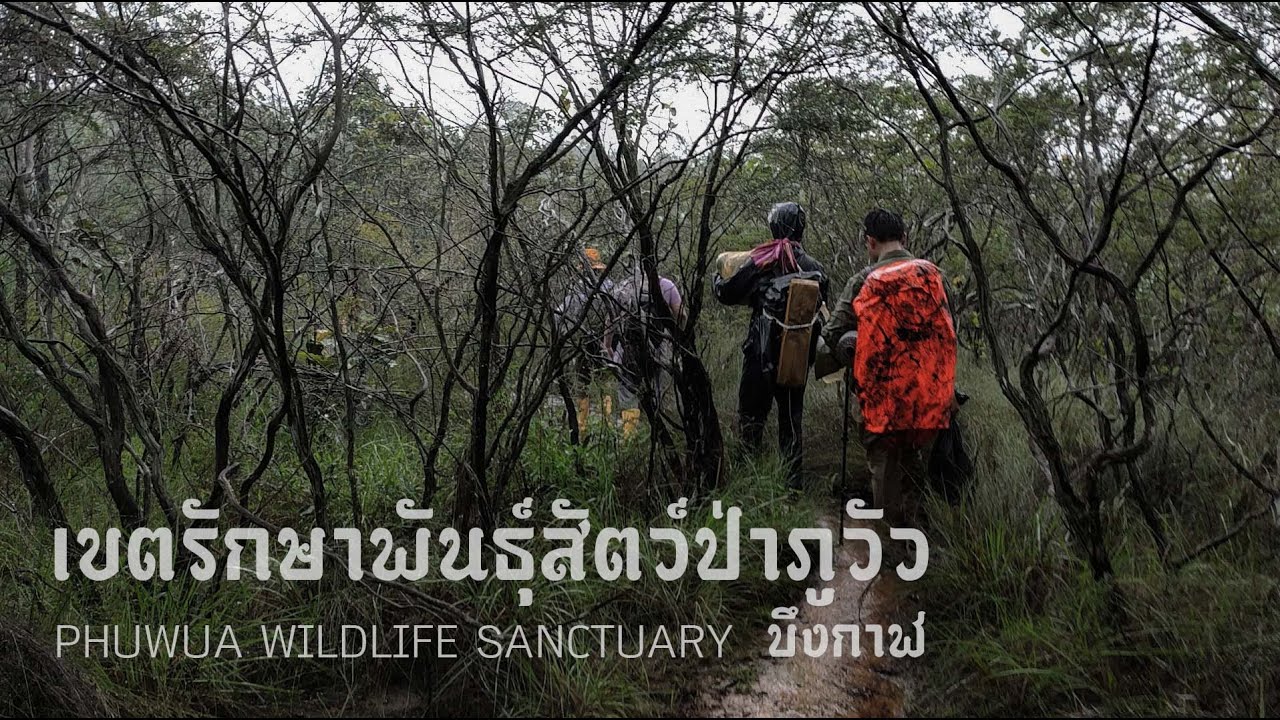
 Click to Access the Navigation Map GPS
Phu Wua Wildlife Sanctuary Map
Recommend

 Art, Culture and Heritage
 Museums(1)
 Places of Worship
 Temple(12)
 Other Sacred Sites(1)
 Suburban Living
 Local Market(1)
National Parks and Marine Reserves(1)
Local Market(1)
National Parks and Marine Reserves(1)
 Mountain (Doi)(1)
 Waterfalls(1)
 River, Canal(4)
 Entertainment and Agricultural
 Waterpark(1)


