
lovethailand home >Northeastern Travel Attractions >Bueng Kan Travel Attractions >So Phisai >Nong Phan Tha > Life Community Museum
TL;DR: Life Community Museum is located at Ban Khi Lek Yai, Nong Phan Tha Subdistrict, So Phisai District, Bueng Kan Province, open Daily, hours 08.30 – 16.30. Advance contact is recommended before visiting.

Life Community Museum
Open Days: Daily
Opening Hours: 08.30 – 16.30. Advance contact is recommended before visiting.
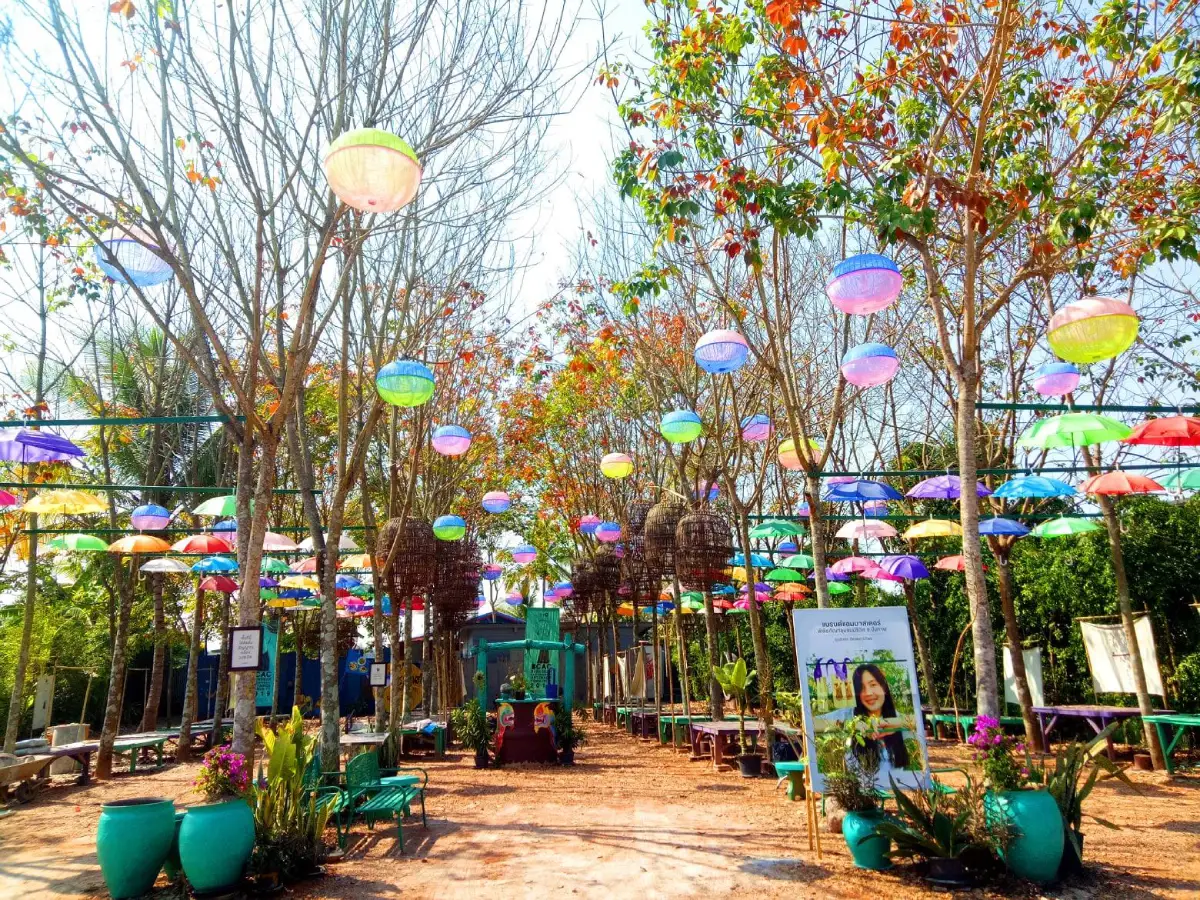
Life Community Museum in Bueng Kan is a living cultural learning space in Ban Khi Lek Yai, Nong Phan Tha Subdistrict, So Phisai District. Its highlights include a restored Isan wooden house over 60 years old, traditional household objects, an old-style Isan kitchen, woven textiles, basketry, a community market, creative art spaces, and Naga-themed street art throughout the village. It is an excellent destination for travelers who want to understand northeastern Thai village life through real homes, real people, local craftsmanship, and contemporary community-based art.
Life Community Museum is located at 9 Moo 7, Ban Khi Lek Yai, Nong Phan Tha Subdistrict, So Phisai District, Bueng Kan Province. It is one of the most meaningful cultural attractions in Bueng Kan because it changes the idea of a museum from a quiet display room into a living space filled with people, stories, local food, village art, and everyday memories. This is not a museum designed only to preserve old objects behind glass. It is a place where an old wooden house, a small Isan village, and the memories of local families are brought back into the present with warmth, dignity, and creative design.
The importance of Life Community Museum lies in its concept of turning the whole community into a learning landscape. When visitors arrive in Ban Khi Lek Yai, they do not see only one museum building. They encounter a peaceful northeastern village with wooden houses, simple lanes, corrugated metal walls, local trees, village courtyards, and murals that act like open-air exhibits. Each element helps travelers see how the past, present, and future of the community are connected. The village itself becomes part of the museum, making the experience more intimate than a conventional indoor exhibition.
The founder and key developer of the museum is Suthipong Suriya, widely known as “Khab,” a Thai food stylist and image designer with roots in So Phisai District, Bueng Kan Province. He transformed his family’s old Isan wooden house into a community museum while preserving the spirit of the original home. This house is not just an old structure. It is a place where his family once lived, a space filled with memories, relationships, and the everyday life of northeastern Thailand. That personal origin is what gives the museum its emotional depth.
The museum is guided by the idea of “Dharma, Nature, and Simplicity.” Dharma appears through the sense of calm, gratitude, and respect for one’s roots. Nature appears through local materials, trees, green spaces, village agriculture, and the use of natural textures. Simplicity appears through everyday objects such as kitchenware, woven baskets, sticky rice containers, traditional fabrics, and household tools. Nothing feels overly staged or artificially luxurious. The charm of the museum comes from ordinary things presented with care, taste, and meaning.
The main museum building is an Isan wooden house over 60 years old. Its architecture reflects the wisdom of traditional northeastern living. A wide veranda was once used for family activities. The central hall served as the heart of the home. Side rooms held different household functions, while the kitchen area represented the food culture of the family. The renovation did not erase the identity of the old house. Instead, it used color, light, proportion, and contemporary design details to make the house feel alive again while preserving its original character.
Inside the museum, visitors can see traditional household objects that were once part of everyday Isan life. These include cooking utensils, woven baskets, textiles, old containers, and objects used in a rural home. The old-style Isan kitchen is especially meaningful because it shows how food, family, firewood, rice, and local ingredients were deeply connected. The objects are not presented as lifeless antiques. They are arranged in a way that allows the atmosphere of the house to tell the story together with the items themselves.
One of the museum’s strengths is the use of design knowledge to organize local memory. Suthipong Suriya applied his experience in food styling and image design to make the old house visually contemporary without removing its local soul. Soft green tones, wooden surfaces, traditional utensils, and carefully arranged corners create a warm visual identity. The result is a place that feels fresh and accessible to young visitors while still honoring the lived reality of an old Isan household.
The white jasmine bud used in Bai Sri ceremonies has become one of the museum’s symbolic motifs. In Isan culture, Bai Sri Su Khwan is a meaningful ceremony associated with welcome, blessing, encouragement, and the calling back of one’s spirit or inner strength. By using this symbol, the museum connects visitors with one of the most important emotional values of northeastern Thai culture: the bond between people, family, guests, and community.
The surrounding area covers about 3 rai and is organized into several functional zones. The first is the old wooden museum house. The second is a green activity courtyard used for community events and creative activities. The third is the Sufficiency Community Market, where local people can sell food, agricultural products, textiles, basketry, and handmade goods. The fourth is the art courtyard that connects the market area with the fields and contemporary art installations. These zones work together as a small ecosystem of community-based tourism.
The green activity courtyard helps the museum remain truly alive. It provides space for villagers, artists, designers, students, and children to take part in creative activities. The area may be used for painting, workshops, community sales, local performances, or informal learning sessions. Some works created by children are displayed for visitors to see, allowing young people in the village to become contributors to their own community museum rather than passive observers.
The Sufficiency Community Market reflects the museum’s intention to generate local income. Located opposite the main museum building, the market gives villagers a place to sell Isan food, local produce, woven fabrics, basketry, handmade crafts, and seasonal community products. Visiting the market is not only about buying souvenirs. It is a chance to talk with local people, see their skills, hear small stories, and understand the economic life of Ban Khi Lek Yai in a more direct way.
The art courtyard shows how contemporary creativity can coexist naturally with rural life. Painted old bicycles, adapted checkered cloth decorations, bamboo poles, and the view of nearby fields create an atmosphere very different from an urban gallery. The art here is not presented as something distant or elite. It helps local people see the value of familiar objects and allows visitors to appreciate beauty in ordinary village materials.
Beyond the museum building, Ban Khi Lek Yai is known for its Naga-themed street art. Murals appear on village walls, shops, temple areas, concrete surfaces, and corrugated metal panels along the lanes. These artworks reflect the local connection to the Naga serpent, the Mekong River, and northeastern belief systems. The murals are not only photo spots. They are visual narratives that help travelers understand the identity, imagination, and pride of the community.
The “Wad Ban Plaeng Mueang” project expanded the museum’s role into the wider village. Through collaboration with the Faculty of Architecture at King Mongkut’s Institute of Technology Ladkrabang, murals were painted on approximately 50 houses and village surfaces. This transformed the lanes of Ban Khi Lek Yai into an open-air art route and made walking through the village more engaging and memorable. It also helped the community become an art destination without losing its everyday character.
A long mural on corrugated metal panels is one of the most memorable visual features of the museum area. It depicts scenes of children and villagers in rural Isan life, such as playing in a canal, grilling khao chi, raising fighting cocks, taking care of buffaloes, catching fish, and using slingshots. These images make rural childhood and village memories easier for younger generations to understand, while older visitors may recognize scenes from their own past.
The use of art as a community development tool makes Life Community Museum an important example of cultural tourism. The attraction does not rely only on natural scenery or a single landmark. It uses cultural capital, family memory, local craftsmanship, food, belief, village architecture, and the creativity of residents as its foundation. Visitors do not simply look at a destination; they participate in an economy of pride, memory, and local continuity.
The museum is also suitable for families. Children can learn through color, murals, objects, and open spaces, while adults can spend time with the old wooden house, traditional utensils, woven products, and community stories. Learning here does not depend only on reading long explanation panels. It happens through real objects, real atmosphere, and real conversations with people connected to the place.
For cultural travelers, Life Community Museum presents Isan in a deeper way than common stereotypes. Northeastern Thailand is not only spicy food, rice fields, or the sound of the khaen. It is also a region of ceremony, textile taste, basketry knowledge, family systems, beliefs about spirit and blessing, and creative adaptation to modern life. A visit here helps travelers see Isan as a living creative region rather than a static rural image.
For photography lovers, Ban Khi Lek Yai offers a wide variety of visual scenes: dark wooden walls, green shutters, old kitchen corners, local baskets, colorful murals, art courtyards, village lanes, and open rural backgrounds. The best photographs from this place are meaningful because the scenes are not empty backdrops. They are connected to real village life and cultural context.
Food lovers can also gain a meaningful perspective here. The museum and community market introduce visitors to Isan food at a village level. Local food is connected to rice, fermented fish, chili dips, preserved ingredients, local vegetables, and food-sharing traditions. When community activities or markets are held, travelers may see how food functions not only as a meal but also as part of hospitality, family, merit-making, and social bonding.
Life Community Museum is also connected to Wat Pho Si, a small local temple near the community. The temple has been mentioned as part of the broader cultural setting of Ban Khi Lek Yai, especially in relation to Isan Buddhist art and local belief. Its presence near the museum expands the learning experience from household life to religion, spirituality, and community art.
Historically, the museum was established in 2018 from the desire to preserve an old Isan wooden house that had become increasingly rare. It also grew from a wish to develop the founder’s hometown into a place of income, pride, and cultural learning. What makes the project special is that it began from personal commitment, private initiative, and community cooperation rather than from a large top-down tourism development plan.
Visitors should allow at least 1 to 2 hours to experience the main museum house, activity areas, community market, art courtyard, and village murals. Those who enjoy photography, slow travel, or local conversations may want to spend half a day. A rushed visit would miss the real charm of the place because this museum is best experienced slowly, through walking, looking, listening, and absorbing the quiet rhythm of the community.
The best time to visit is from morning to late afternoon, when natural light makes the wooden house, murals, and outdoor spaces more pleasant for walking and photography. Advance contact is recommended before visiting, especially for travelers coming from outside the district, because it helps confirm access, activities, market availability, and the latest visitor arrangements.
The confirmed admission fee for the museum building is 25 baht for children and 50 baht for adults. Elderly visitors, persons with disabilities, monks, and novice monks are admitted free of charge. Some village mural areas can be viewed while walking through the community, but visitors who want to enter the museum house should follow the museum’s visitor arrangements and contact in advance.
Getting There is most convenient by private car or rental car. The museum is located in Nong Phan Tha Subdistrict, So Phisai District, Bueng Kan Province. From central So Phisai, visitors can continue toward Ban Khi Lek Yai using local roads and a navigation map. Travelers coming from Bueng Kan town should plan their route in advance and combine the visit with other attractions in So Phisai or nearby districts for a smoother trip.
For travelers planning a Bueng Kan itinerary, Life Community Museum can be included in a 1-day or 2-day route. With limited time, it pairs well with Wat Sangkhali Karam, Wat Pa Don Kam, and local attractions in So Phisai. With more time, travelers can continue to Wat Ahong Silawat, Three Whale Rock, and Wat Phu Tok, allowing the journey to cover culture, spirituality, landscapes, and community life in one province.
Visitors should remember that Ban Khi Lek Yai is a real village, not a theme park. People live, work, and maintain their daily routines here. Travelers should speak at a respectful volume, ask before taking close-up photos of residents, avoid touching displayed objects without permission, and help keep the area clean. Respectful behavior allows community-based tourism to benefit both visitors and the host community.
The museum is also valuable as an outdoor classroom. Schools, universities, youth groups, and organizations interested in local development can use it as a case study in cultural capital, community design, sustainable tourism, and creative economy. It shows how a small village can transform old houses, household objects, craft skills, local food, and murals into cultural value without losing authenticity.
Life Community Museum is therefore not a place remembered only for beauty or photo opportunities. It invites visitors to think about the meaning of home, memory, community, and development. Many travelers leave not only with photographs of colorful walls or a green-shuttered wooden house, but also with the feeling of a warm village, the founder’s dedication, and the quiet power of a community preserving its identity in a changing world.
For Thai travelers, the museum helps reveal the value of Isan life in a contemporary and accessible way. For foreign visitors, it explains northeastern Thailand without requiring complicated interpretation. The wooden house, kitchen tools, murals, market, and local hospitality communicate directly. Life Community Museum is therefore ideal for travelers who want to understand Thailand at a community level, beyond famous landmarks and mainstream tourist routes.
In its full meaning, Life Community Museum brings together an old house, village art, local belief, community economy, learning activities, and creative design at a human scale. Its beauty lies in making ordinary things worth seeing again. An old wooden house is not just the past. Old kitchen tools are not just outdated objects. Murals along village lanes are not just paint on walls. Together, they form the living memory and ongoing future of Ban Khi Lek Yai.
| Name | Life Community Museum, Bueng Kan |
| Location | Ban Khi Lek Yai, Nong Phan Tha Subdistrict, So Phisai District, Bueng Kan Province |
| Address | 9 Moo 7, Ban Khi Lek Yai, Nong Phan Tha Subdistrict, So Phisai District, Bueng Kan 38170, Thailand |
| Highlights | An Isan wooden house over 60 years old, traditional household objects, old-style Isan kitchen, woven textiles, basketry, Sufficiency Community Market, art courtyard, and Naga-themed village street art |
| History | Established in 2018 by Suthipong Suriya, who transformed his family’s traditional Isan wooden house into a community museum and local learning center |
| Name Origin | The name reflects a museum that remains connected to real community life, with people, activities, markets, murals, and local memories still actively present |
| Distinctive Features | A contemporary community museum combining an old wooden house, Isan lifestyle, local wisdom, design, and street art into a cultural tourism experience |
| Travel Information | Best reached by private car or rental car. From So Phisai town, continue to Ban Khi Lek Yai in Nong Phan Tha Subdistrict. Use a navigation map and contact the museum before visiting. |
| Current Status | Open |
| Open Days | Daily |
| Opening Hours | 08.30 – 16.30. Advance contact is recommended. |
| Fees | Children 25 baht, adults 50 baht. Elderly visitors, persons with disabilities, monks, and novice monks enter free of charge. |
| Facilities | Museum house, activity courtyard, community product area, village mural walking route, and photography spots within the community |
| Main Areas / Zones | 1. Isan Wooden Museum House 2. Green Activity Courtyard 3. Sufficiency Community Market 4. Art Courtyard And Village Street Art Area 5. Village Mural Route Created Through The Wad Ban Plaeng Mueang Project |
| Founder / Caretaker | Founded and developed by Suthipong Suriya. The museum is privately managed in cooperation with the local community. |
| Main Contact Number | 081-612-8853, 086-229-7626 |
| Official Website / Official Page | Facebook: Life Community Museum Bueng Kan |
| Nearby Tourist Attractions | 1. Wat Pho Si, Ban Khi Lek Yai, about 1 km 2. Wat Sangkhali Karam, So Phisai District, about 12 km 3. Wat Pa Don Kam, So Phisai District, about 13 km 4. Wat Ahong Silawat, Mueang Bueng Kan District, about 42 km 5. Three Whale Rock, Phu Sing, about 58 km 6. Wat Jetiyakhiri Wihan, or Wat Phu Tok, Si Wilai District, about 80 km |
| Nearby Restaurants | 1. Zap So Phisai Restaurant, about 12 km, Tel. 098-126-4597 2. Steak Dek Naew, So Phisai Branch, about 12 km, Tel. 064-352-8032 3. Lookchin Thip, Big C Market So Phisai, about 12 km, Tel. 085-660-6894 4. Sawita Traditional Coffee, about 13 km, Tel. 081-660-7521 5. Backyard Kitchen Made-To-Order Food, Bueng Kan Branch, about 45 km, Tel. 096-382-1879 |
| Nearby Accommodations | 1. Kaman City Resort, So Phisai District, about 10 km, Tel. 089-049-4847 2. Pornchai Hotel & Resort, So Phisai District, about 11 km, Tel. 092-805-5823 3. NJ Resort So Phisai, about 12 km, Tel. 098-280-7099, 098-280-7100 4. Srichai House Bueng Kan, So Phisai District, about 12 km 5. Marky Resort So Phisai, about 13 km 6. Sri Muang Grand Resort, So Phisai District, about 13 km |
Frequently Asked Questions (FAQ)
Q: Where is Life Community Museum located?
A: Life Community Museum is located at 9 Moo 7, Ban Khi Lek Yai, Nong Phan Tha Subdistrict, So Phisai District, Bueng Kan Province 38170, Thailand.
Q: Is Life Community Museum open every day?
A: Yes. The museum is open daily from 08.30 to 16.30, and advance contact is recommended before visiting.
Q: Is there an admission fee for Life Community Museum?
A: Yes. Admission to the museum house is 25 baht for children and 50 baht for adults. Elderly visitors, persons with disabilities, monks, and novice monks enter free of charge.
Q: What is the main highlight of Life Community Museum?
A: The highlights include a restored Isan wooden house over 60 years old, traditional household objects, an old-style Isan kitchen, a community market, creative art spaces, and Naga-themed street art throughout the village.
Q: Who founded Life Community Museum?
A: The museum was founded by Suthipong Suriya, a Thai food stylist and image designer with roots in So Phisai District, Bueng Kan Province.
Q: Who is Life Community Museum suitable for?
A: It is suitable for families, students, cultural travelers, photographers, and visitors who want to understand contemporary Isan community life through real houses, local objects, village art, and community activities.
Q: How long should visitors spend at Life Community Museum?
A: Visitors should allow at least 1 to 2 hours. Those who want to walk through the village murals, take photos, talk with local people, or visit the community market should allow half a day.
Q: What attractions can be visited after Life Community Museum?
A: Nearby and onward attractions include Wat Pho Si, Wat Sangkhali Karam, Wat Pa Don Kam, Wat Ahong Silawat, Three Whale Rock, and Wat Phu Tok.
Mobile : 0862297626
 Mobile : 0862297626
 Category: ●Art, Culture and Heritage
 Group: ●Museums
Last Update : 2 MonthAgo
 Last Update : 2 MonthAgo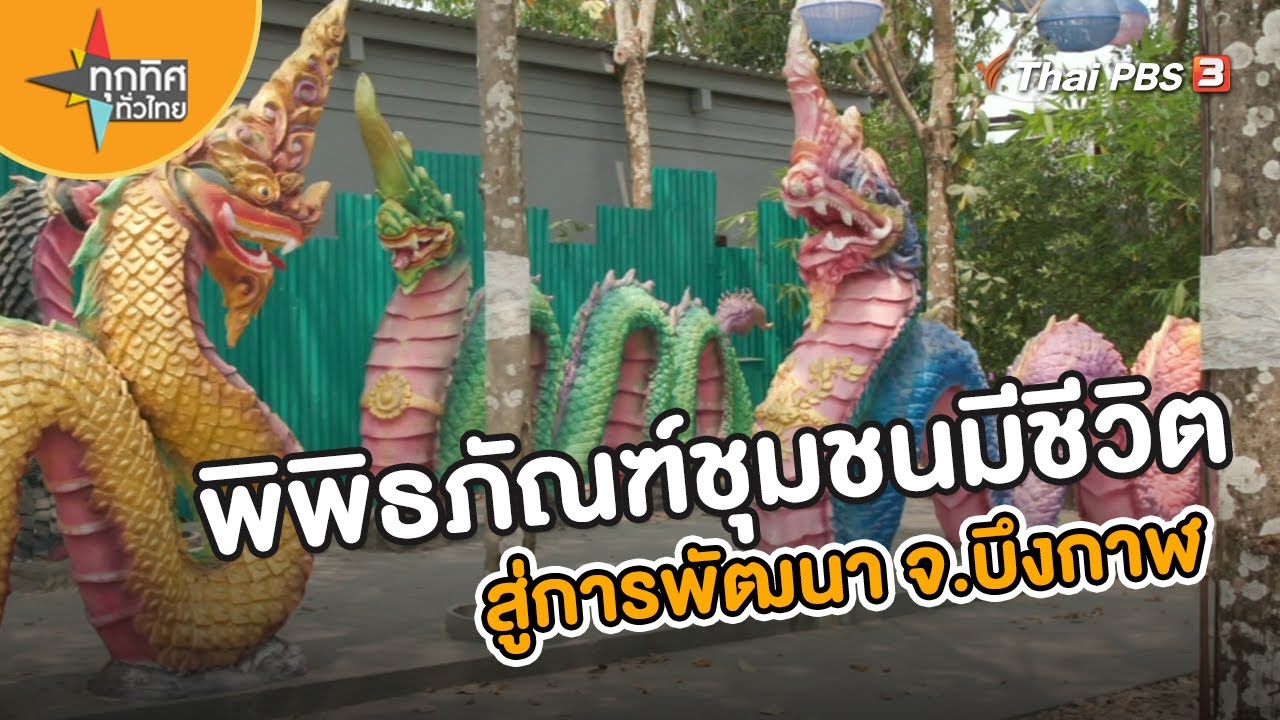
 Click to Access the Navigation Map GPS
Life Community Museum Map
Gellery
Recommend

 Landmarks and Memorials(1)
Museums(1)
Landmarks and Memorials(1)
Museums(1)
 Places of Worship
 Temple(12)
 Other Sacred Sites(3)
 Suburban Living
 Local Market(1)
 Nature and Wildlife
 National Parks and Marine Reserves(1)
 Mountain (Doi)(3)
 Waterfalls(5)
 Caves(1)
 River, Canal(4)
 Bays and Beaches(1)
 Islands(1)
 Entertainment and Agricultural
 Waterpark(1)
 Shopping
 Shopping and Night Market(1)
 Travel Articles, Recipes
 Travel Review, Food Review(1)


