
lovethailand home >South Travel Attractions >Yala Travel Attractions >Raman >Bue Mang > Bukeh Pilo Waterfall (Tawan Ratsami Waterfall)
TL;DR: Bukeh Pilo Waterfall (Tawan Ratsami Waterfall) is located at Bue Mang Subdistrict, Raman District, Yala Province, open Daily, hours 08.00 – 17.00.

Bukeh Pilo Waterfall (Tawan Ratsami Waterfall)
Open Days: Daily
Opening Hours: 08.00 – 17.00
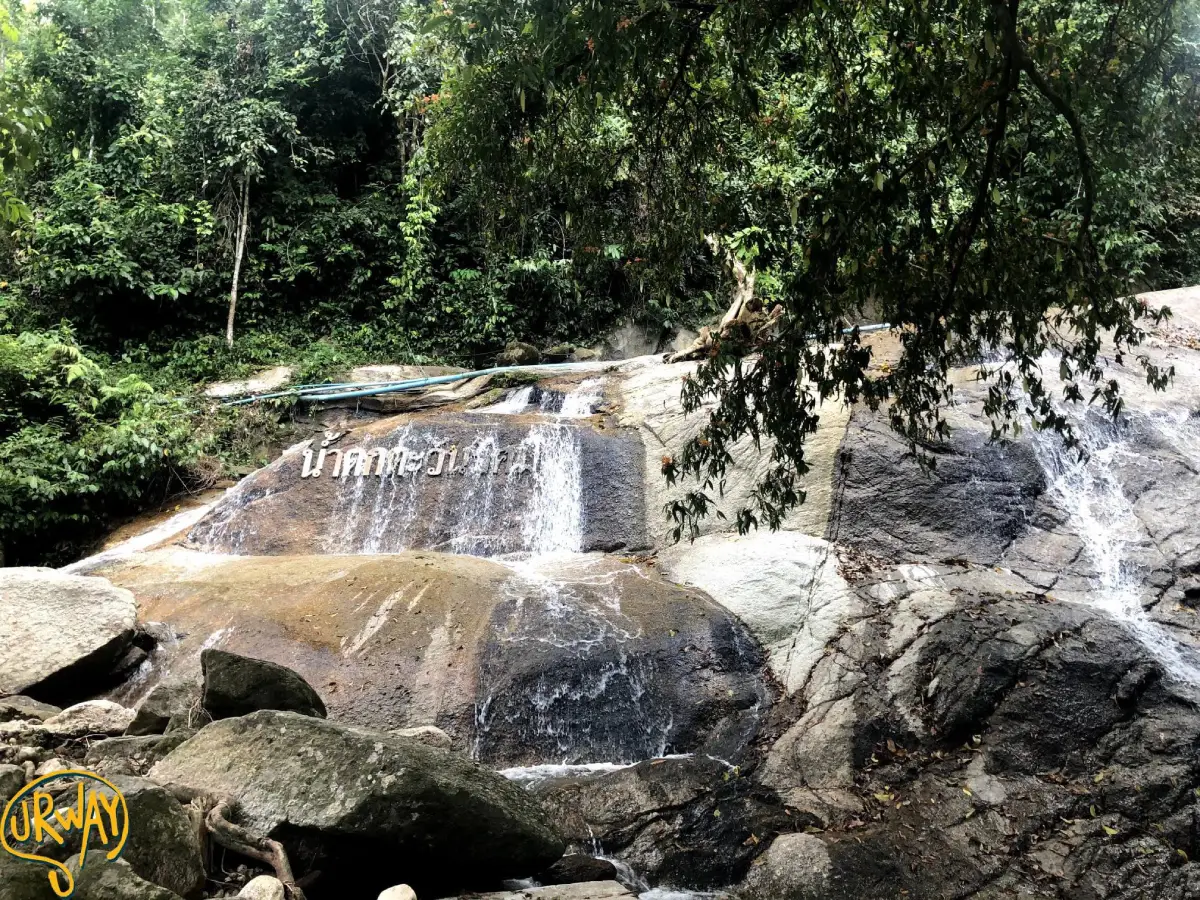
Bukeh Pilo Waterfall, also known as Tawan Ratsami Waterfall, is a natural waterfall in Bue Mang Subdistrict, Raman District, Yala Province. It is located about 19 km from Yala city along the Yala – Kota Baru route. Travelers turn into Kota Baru Subdistrict, continue toward Tha Ruea for about 2 km, then enter a village road for another 2 km to reach the waterfall access point before continuing about 500 m to the waterfall area. Its defining feature is the golden glow of underwater rocks when sunlight strikes the water, creating a radiant yellow effect that gives the waterfall its name.
Bukeh Pilo Waterfall, also called Tawan Ratsami Waterfall, is one of Raman District’s distinctive natural attractions. Its appeal is not based only on falling water or a forest stream, but on the interaction between sunlight, flowing water, and the rocks beneath the pool. When sunlight reaches the water at the right angle, the underwater rocks appear bright yellow, creating a glow that resembles sun rays spreading across the pool. This visual effect makes the waterfall different from many other waterfalls in Yala.
The waterfall is located in Bue Mang Subdistrict, Raman District, Yala Province. Access follows the Yala – Kota Baru route, which connects Yala city with the historically important Raman and Kota Baru area. From Yala city, the distance is about 19 km. Visitors turn into Kota Baru Subdistrict, continue toward Tha Ruea for about 2 km, then follow a village road for about 2 km to the entrance area. From there, the waterfall is reached by continuing about 500 m into the site. A private car, rental car, or local hired vehicle is recommended for flexible timing.
Bukeh Pilo Waterfall is surrounded by complex hill terrain. The landscape includes soil mountains, rock formations, igneous rocks, large gravel stones, and humid evergreen forest. These geological features help shape the appearance of the waterfall and its pools. The golden color visible under the water is one of the most memorable elements of the site, especially on clear days when sunlight reaches the pool clearly.
The forest around the waterfall is part of a humid tropical environment with high biodiversity and important headwater streams. The setting is shaded, cool, and naturally moist. Large trees, streamside plants, ferns, and rocks create a calm atmosphere suitable for resting, photography, and careful water play. Visitors should understand the site as a small but meaningful nature area where forest, water, rock, and light work together.
The name Tawan Ratsami refers directly to the waterfall’s visual identity. “Tawan” means sun, while “Ratsami” refers to radiance or rays. The name comes from the yellow glow of the rocks under the pool when sunlight strikes the water. Visitors who want to see this effect should plan for a clear day, preferably from morning to early afternoon, when natural light is stronger and the pool surface is easier to observe.
The waterfall also has a historical layer. Local travel information records that in the past, Bukeh Pilo Waterfall was used as a leisure place by the ruler of Raman during the period when southern border areas were organized as historical local principalities. This gives the site more depth than a simple swimming spot. It connects natural scenery with the wider historical memory of Raman, Kota Baru, and the old Malay cultural landscape of Yala.
Kota Baru, located near the travel route to the waterfall, is an important old community area in Raman District. It is associated with the history of old Raman, local rulers, earthwork remains, the former ruler’s residence area, and the Tomb of To Ni. Combining Bukeh Pilo Waterfall with Kota Baru allows travelers to experience both nature and local history in one route.
The waterfall is convenient for a half-day trip from Yala city. It is not as remote as deep-forest waterfalls in southern Yala, but visitors still need to use local roads and walk or continue into the waterfall area. A practical plan is to leave Yala city in the morning, spend one to two hours at the waterfall, and then continue to nearby historical or cultural sites before returning to the city.
Recommended activities include waterfall viewing, careful water play in safe pools, photography of the yellow underwater rocks, sitting under the shade, observing stream rocks, and enjoying the evergreen forest atmosphere. The site is suitable for travelers who prefer quiet natural places rather than crowded commercial attractions.
Water safety is important. The rocks around the waterfall may be covered with moss or algae, making them slippery. Visitors should enter only shallow, calm, clear areas where the bottom can be seen. Jumping from rocks, climbing wet boulders, and entering the water after heavy rain should be avoided. Children must be supervised closely at all times.
The best time to visit is from morning to early afternoon. This period gives visitors better light for seeing the golden color of the underwater rocks and enough time to leave the area before evening. The rainy season from June to December makes the forest greener and the stream more active, but it also increases slippery conditions and stronger water flow. The hot season from January to May usually makes travel easier, though water levels may vary naturally.
For photography, the best subjects include the pool where the underwater rocks glow yellow, water flowing across stones, large boulders, streamside plants, humid forest, and sunlight filtering through trees. Good photos depend on safe positioning and the right light. Visitors should avoid standing on algae-covered rocks simply to get a better angle. A waterproof phone pouch is useful near the water.
Bukeh Pilo Waterfall is suitable for families, friends, nature photographers, and travelers who want a compact natural stop near Yala city. Families with children should choose easy walking areas and avoid slippery rocks. Older travelers should stay in safer sections and avoid walking into wet or uneven rock areas.
Because the route passes through village areas, visitors should respect local community space. Drive slowly, do not block village roads, avoid loud noise, and carry all waste out. If directions are needed, ask local residents politely. Responsible behavior helps keep the waterfall welcoming for future visitors.
A good itinerary starts from Yala city in the morning. Visit Bukeh Pilo Waterfall first, then continue to Kota Baru Old Town or return toward Yala city for Wat Khuhaphimuk, Tham Sin Cave, Suan Khwan Mueang Yala, and the Yala City Pillar Shrine. This route combines waterfall scenery, old-town heritage, cave art, religious heritage, and urban Yala in one day.
Nearby attractions include Kota Baru Old Town, the old ruler’s residence area and Tomb of To Ni, Wat Khuhaphimuk or Wat Na Tham, Tham Sin Cave, Suan Khwan Mueang Yala, and Yala City Pillar Shrine. Each offers a different travel value: Bukeh Pilo gives nature and light; Kota Baru gives local history; Wat Khuhaphimuk and Tham Sin Cave give ancient religious and artistic heritage; Yala city provides food, accommodation, and services.
Food options are available in Raman District, Kota Baru, and Yala city. Around Raman, travelers can find halal food, local meals, tea shops, cafés, and simple restaurants. For wider choice, Yala city has more restaurants and cafés. Planning meals before entering the waterfall area is recommended because food services near the waterfall itself may not be consistent at all times.
Most travelers should stay in Yala city because the waterfall is only about 19 km away. Staying in the city provides more hotels, restaurants, fuel stations, convenience stores, and transport options. From Yala city, Bukeh Pilo Waterfall can easily be visited as a morning or afternoon nature trip.
Useful items include non-slip footwear, a change of clothes, towel, waterproof phone pouch, drinking water, personal medicine, a trash bag, and some cash for local spending. During the rainy season, light rain protection is useful. Visitors should check weather conditions before traveling because village roads and stream areas may become slippery after rain.
The main caution at Bukeh Pilo Waterfall is slippery rock. Visitors should not run near the stream, place valuables on wet stones, climb boulders with algae, or carry a phone or camera without protection near the water. The safest way to appreciate the yellow rock effect is to view it from a stable position and wait for the right sunlight.
Getting There from Yala city: take the Yala – Kota Baru route for about 19 km, turn into Kota Baru Subdistrict, continue toward Tha Ruea for about 2 km, then turn into a village road for about 2 km to the waterfall entrance. Continue about 500 m into the waterfall area. Use a private car, rental car, or local hired transport. Travel during daylight, drive slowly through villages, and check the weather before departure.
Overall, Bukeh Pilo Waterfall, or Tawan Ratsami Waterfall, is a small but memorable nature attraction in Raman District. It combines clear water, natural pools, evergreen forest, distinctive rock formations, golden sunlight effects, and historical links with the old Raman area. With careful movement, community respect, and responsible waste management, the waterfall remains a distinctive and worthwhile stop near Yala city.
| Name | Bukeh Pilo Waterfall |
| Alternative Name | Tawan Ratsami Waterfall |
| Location | Bue Mang Subdistrict, Raman District, Yala Province |
| Address | Bukeh Pilo Waterfall area, Bue Mang Subdistrict, Raman District, Yala 95140, Thailand |
| Highlights | Sunlight striking the water and underwater rocks creates a beautiful golden-yellow glow similar to sun rays |
| Distinctive Features | Natural waterfall in a hilly landscape with igneous rocks, large gravel stones, humid evergreen forest, pools, and slippery rocks that require caution |
| Importance | A natural attraction of Raman District connected with forest headwaters, the Yala – Kota Baru route, and the historical Raman landscape |
| History / Area Context | The waterfall was formerly used as a leisure place by the ruler of Raman during the historical period of southern border principalities |
| Name Origin | The name Tawan Ratsami comes from the golden-yellow glow of underwater rocks when sunlight strikes the water surface and stream |
| Travel Information | From Yala city, take the Yala – Kota Baru route for about 19 km, turn into Kota Baru Subdistrict, continue toward Tha Ruea for about 2 km, then follow a village road for about 2 km to the entrance and continue about 500 m into the waterfall area |
| Current Status | Open as a natural attraction in Raman District, suitable for relaxation, photography, and careful water play in safe areas |
| Open Days | Daily |
| Opening Hours | 08.00 – 17.00 |
| Entrance Fee | Free Entry |
| Best Time To Visit | Morning to early afternoon on a clear day, when sunlight can reveal the golden color of underwater rocks |
| Facilities | Village-road access, walking access to the waterfall, natural pools, rocks, shaded forest areas, and basic local services in nearby communities |
| Main Areas / Zones | Waterfall entrance, approximately 500 m access route, stream, pool below the waterfall, boulders, golden underwater rocks, and humid evergreen forest around the waterfall |
| Caretaker / Coordinating Agency | Bue Mang Subdistrict Administrative Organization, Raman District, Yala Province |
| Main Contact Number | Bue Mang Subdistrict Administrative Organization Tel. 073-251-326 |
| Website / Information Sources | Yala Provincial Public Relations Office, Yala Provincial Administrative Organization, Tourism Authority of Thailand, LoveThailand.org, TripNiceDay, and public travel databases |
| Nearby Tourist Attractions | 1. Kota Baru Old Town, about 6 km 2. Former Kota Baru Ruler’s Residence Area and Tomb of To Ni, about 7 km 3. Wat Khuhaphimuk or Wat Na Tham, about 20 km 4. Tham Sin Cave, about 22 km 5. Suan Khwan Mueang Yala, about 20 km 6. Yala City Pillar Shrine, about 19 km |
| Nearby Restaurants | 1. Cha Chak Kota BY DAH..U2T, about 8 km, Tel. 096-810-4052 2. Sami Junee Kitchen Raman, about 15 km, Tel. 080-220-3907 3. OWL CHA Yala Raman Branch, about 15 km, Tel. 098-729-4638 4. Fadel Food Raman, about 15 km, Tel. 096-212-1911 5. Ban Kabu, about 16 km, Tel. 093-715-6714 6. Krua Makan Islamic Food Raman, about 15 km, Tel. 084-720-0323 |
| Nearby Accommodations | 1. @INN YRU Hotel, about 20 km, Tel. 062-182-2662 2. Park View Hotel Yala, about 20 km, Tel. 073-217001-5 3. Yala Rama Hotel, about 20 km, Tel. 073-212563, 073-212815, 073-212841 4. The Linux Garden Hotel Yala, about 21 km, Tel. 073-299-578 5. Yala My House Hotel, about 20 km, Tel. 073-221-236 6. Boonrapee Residence Yala, about 21 km, Tel. 099-489-9449 |
Frequently Asked Questions (FAQ)
Q: Where is Bukeh Pilo Waterfall located?
A: Bukeh Pilo Waterfall, also known as Tawan Ratsami Waterfall, is located in Bue Mang Subdistrict, Raman District, Yala Province, about 19 km from Yala city.
Q: Why is it called Tawan Ratsami Waterfall?
A: The name comes from the golden-yellow glow of underwater rocks when sunlight strikes the stream and pool, creating an effect similar to radiant sun rays.
Q: What are the opening hours?
A: The waterfall is open daily from 08.00 to 17.00. Morning to early afternoon is the best time for water play, photography, and seeing the sunlight effect.
Q: Is there an entrance fee?
A: Entry is free. Visitors should help keep the area clean and carry all trash out after visiting.
Q: Can visitors swim at Bukeh Pilo Waterfall?
A: Water play is possible in safe pools, but visitors must be careful because moss, algae, and wet rocks can make the area slippery. Avoid jumping from rocks or entering the water after heavy rain.
Q: How do travelers get to Bukeh Pilo Waterfall?
A: From Yala city, take the Yala – Kota Baru route for about 19 km, turn into Kota Baru Subdistrict, continue toward Tha Ruea for about 2 km, then follow a village road for about 2 km to the entrance and continue about 500 m to the waterfall area.
Q: When is the best time to see the golden rock color?
A: A clear morning to early afternoon is best because sunlight can reach the stream and reveal the yellow glow of the underwater rocks more clearly than on cloudy days or late afternoon visits.
Q: What nearby attractions can be combined with the waterfall?
A: Good nearby options include Kota Baru Old Town, the former Kota Baru ruler’s residence area, Wat Khuhaphimuk, Tham Sin Cave, Suan Khwan Mueang Yala, and Yala City Pillar Shrine.
 Category: ●Nature and Wildlife
 Group: ●Waterfalls
Last Update : 2 WeekAgo
 Last Update : 2 WeekAgo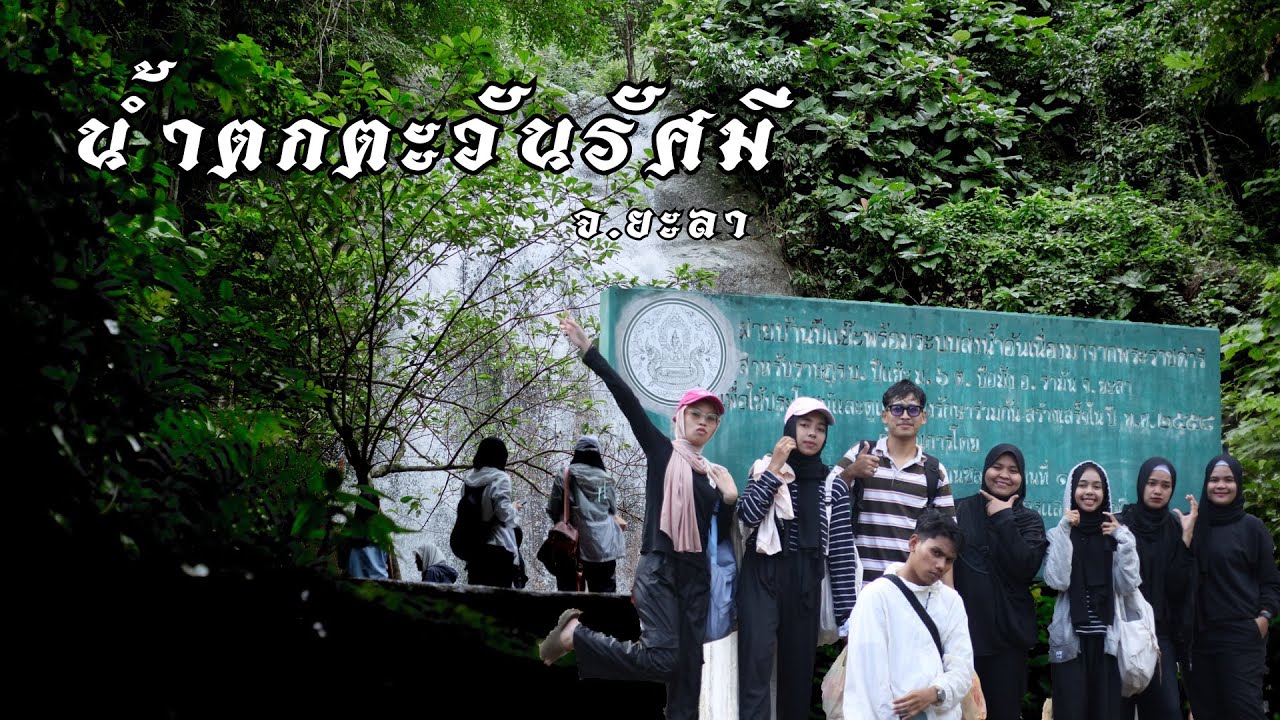

 Art, Culture and Heritage
 Landmarks and Memorials(1)
 Art, Craft Centres, Tradition(2)
 Museums(2)
 Educational Places
 Educational Gardens, Farm(1)
 Places of Worship
 Temple(6)
 Mosque(2)
 Other Sacred Sites(3)
 Suburban Living
 Village, Community(4)
 National Parks and Marine Reserves(2)
 Mountain (Doi)(5)
 Dam, Reservoir, Lake(5)
Waterfalls(13)
Dam, Reservoir, Lake(5)
Waterfalls(13)
 Hot Springs(2)
 Caves(7)
 River, Canal(4)
 Islands(1)
 Other natural attractions(8)
 Entertainment and Agricultural
 Stadium(1)
 Farms, Parks and Ecotourism(4)
 Outdoor and Adventure Activities(1)
 Travel Articles, Recipes
 Travel Review, Food Review(2)


