
lovethailand home >South Travel Attractions >Satun Travel Attractions >Thung Wa >Thung Bu Lang > Thung Sabo Beach
TL;DR: Thung Sabo Beach is located at Moo 2, Ban Thung Sabo, Thung Bu Lang Subdistrict, Thung Wa District, Satun Province, open Daily, hours 24 Hours.
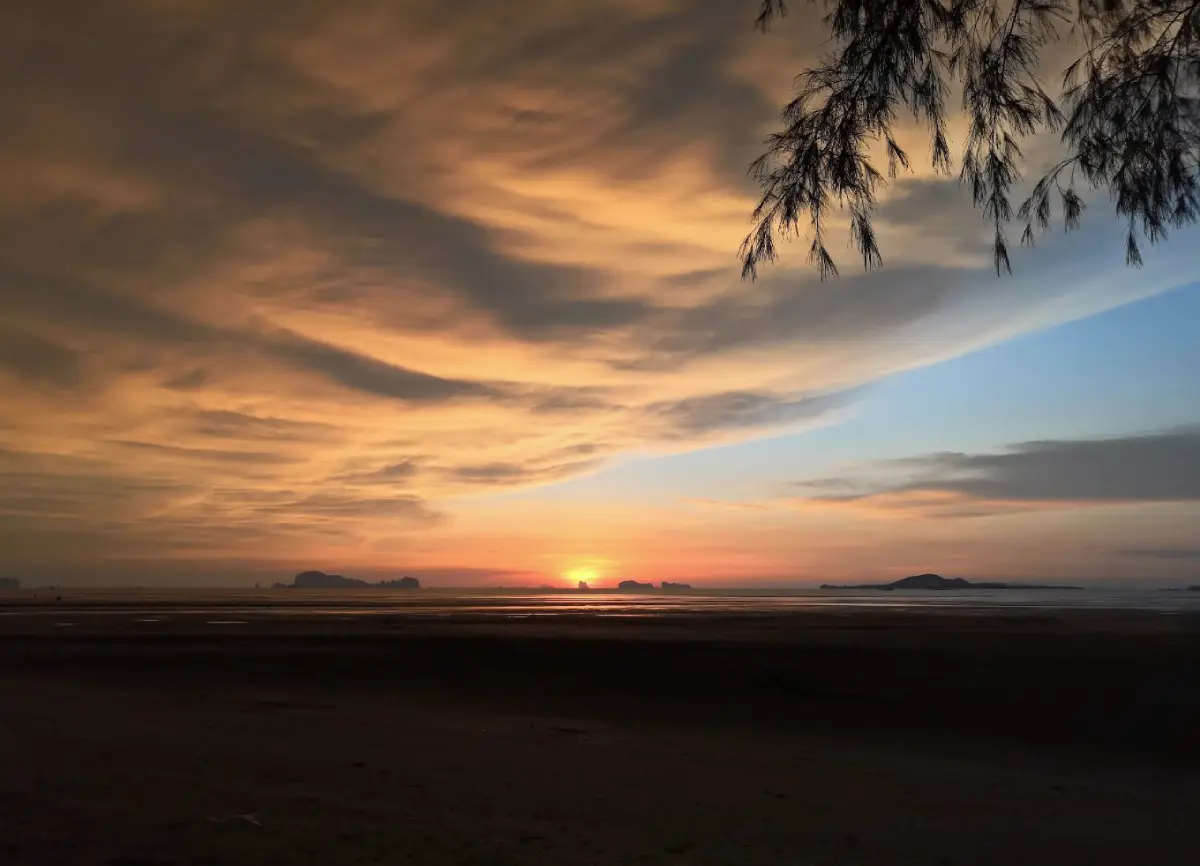
Thung Sabo Beach
Open Days: Daily
Opening Hours: 24 Hours
Thung Sabo Beach in Satun is a quiet community beach on the Andaman coast, located in Moo 2, Ban Thung Sabo, Thung Bu Lang Subdistrict, Thung Wa District, Satun Province. The beach is known for its peaceful local atmosphere, rows of pine and coconut trees, dark sand-and-mud shoreline, fishing-community character, and community-based homestays. It is not a clear-water island beach. Instead, it is a grounded coastal destination for travelers who want to experience the quieter mainland side of Satun.
Thung Sabo Beach is close to Rawai Beach and the Khon Khlan coastal area, but the beach itself belongs to Thung Bu Lang Subdistrict in Thung Wa District. This part of northern Satun has a varied coastal landscape that includes sandy beaches, mudflats, mangroves, canals, fishing villages, and beach forest. A visit here is therefore not only about seeing the sea; it is also about understanding how local people live with the Andaman coast through fishing, shellfish gathering, aquaculture, and community tourism.
The shoreline of Thung Sabo Beach is made up of sand mixed with dark mud. The seawater is not as clear as the water around Satun’s offshore islands, but that is part of the natural character of the mainland coast. The beach is better suited for coastal walks, quiet rest, photography, local-life observation, and learning about fishing communities than for conventional swimming-focused beach tourism.
The appeal of Thung Sabo Beach lies in its simplicity. The area is not crowded with large commercial buildings, busy beachfront shops, or heavy tourist activity. Visitors are more likely to see pine trees, coconut rows, small fishing boats, a coastal road, local residents moving through the village, and a wide shoreline shaped by the tide. This calm setting makes the beach suitable for slow travel and quiet observation.
Parts of the beach area have concrete coastal protection structures designed to reduce the impact of monsoon waves and seawater reaching the shore and nearby village areas. This feature shows how local communities along the Andaman coast must live with seasonal changes, coastal forces, and the need to protect roads, homes, and public areas. Thung Sabo Beach is therefore both a travel site and a living coastal management landscape.
The name Ban Thung Sabo has a strong local background. One explanation links the name to the Sabo tree, or lamphaen, a mangrove-associated plant that once grew widely in the area. Another explanation connects the name with the Malay expression “Padang Serbuk,” meaning “dusty field.” The name reflects the village’s natural environment, coastal vegetation, and the Malay cultural influence found in many communities of Satun.
Local history describes Ban Thung Sabo as a community with more than 200 years of settlement. Early settlers came to the area, cultivated rice fields, planted coconut gardens, and used the coastal resources for livelihood. Over time, the village grew into a coastal community with fishing, agriculture, trading, wage work, and community-based tourism as important parts of local life.
Today, Ban Thung Sabo still depends strongly on the sea. Local people work in small-scale coastal fishing, use crab traps, fish traps and nets, collect shellfish, and raise marine animals such as grouper, soft-shell crab, and mud crab in some local aquaculture areas. The coast is a source of food, income, knowledge, and identity for the community.
Thung Sabo Beach shows a different side of Satun from the famous images of Ko Lipe, Tarutao, Ko Bulon, or Pak Bara Pier. Its value is not based on turquoise water or island scenery. Its value comes from peaceful coastline, community life, beach forest, intertidal ecology, and the long relationship between people and the sea. For travelers who want to see mainland coastal Satun, this beach offers a more local and less commercial experience.
The rows of pine and coconut trees provide shade and create a pleasant atmosphere along the beach. Morning is good for walking, fresh air, and observing fishing activity, while late afternoon is better for soft light, photography, and resting by the sea. During low tide, the darker beach surface, mud patterns, and shallow channels become more visible, giving the beach a distinctive visual character.
Thung Sabo Beach is not primarily a swimming beach. Visitors may walk along the shore and enter the water during calm conditions, but the sand-and-mud surface and less clear seawater make it more suitable for quiet relaxation, local-life observation, and coastal photography. Travelers should approach the beach as a community and nature destination rather than a resort-style beach.
Community-based accommodation and homestay options are available in and around Ban Thung Sabo. The main idea of staying here is to experience local coastal life more closely. Spending a night in the area allows travelers to observe the rhythm of the village, the morning atmosphere, fishing routines, local food, and the way the community connects with the sea.
Ban Thung Sabo has several community assets that make the area more meaningful than a simple beach stop. These include Laem Bang Ko, Thung Sabo Beach, community forest, boat trips to nearby islands, boat trips to observe bats at Khao Taban, a grouper-raising learning center, a community savings learning center, and a community resort management learning center. These elements help frame Thung Sabo Beach as a community tourism destination rather than just a shoreline.
Laem Bang Ko is an important nearby coastal area connected with Ban Thung Sabo. It lies to the west of Thung Bu Lang Subdistrict and has a long Andaman shoreline lined with sea pines. When the tide is very low, the beach area becomes wide and open. The landscape includes mangroves, beach forest, and raised coastal land, supporting fishing and local resource use.
A trip to Thung Sabo Beach should be planned as community and nature-based travel. Visitors should bring drinking water, snacks, sun protection, suitable shoes, a personal trash bag, and a camera. Since the beach area is not heavily commercialized, meals and accommodation should be planned in advance, especially for travelers who want to stay overnight or visit with family.
Environmental care is important at Thung Sabo Beach. Marine and coastal resource agencies have worked with schools, local residents, and community organizations on beach clean-up activities in this area. Marine debris can be washed onto the shore by waves, wind, tourism, and community activity. Visitors should take their trash back with them and leave the beach as clean as possible.
For photographers, Thung Sabo Beach offers a mood that is different from clear-water tropical beaches. Pine trees and coconut rows create depth, the dark beach surface creates texture, and low tide reveals mud patterns and natural channels. Late afternoon light works well for quiet coastal images. If fishing boats or local activity are visible, the scene becomes even more connected to the identity of the place.
Travelers interested in local history should spend time in Ban Thung Sabo rather than making only a short beach stop. The community has stories of settlement, southern Thai and Kedah Malay language influences, Muslim coastal culture, and livelihood patterns tied closely to the Andaman Sea. Visiting with respect for the community will make the experience more complete.
Thung Sabo Beach can be combined with Rawai Beach, Khlong Wang Won, Tham Khao Thanan, Tham Le Stegodon, Thung Wa Ancient Elephant Museum, and Mu Ko Phetra National Park. This route gives travelers a broader picture of Satun, including community beaches, muddy shorelines, mangroves, fishing culture, limestone caves, and the geological heritage that makes Satun internationally significant.
Tham Le Stegodon is one of the most important nearby attractions in Thung Wa District. It is a sea-influenced limestone cave associated with fossil discoveries of the ancient Stegodon elephant. A cave visit requires advance contact and depends on daily water levels. Pairing the cave with Thung Sabo Beach creates a route that connects geology, underground water, community life, and the Andaman coast.
Tham Khao Thanan is another nearby attraction for travelers interested in limestone landscapes and natural sites. Rawai Beach and Khlong Wang Won add more coastal and fishing-community context to the route. Planning Thung Sabo Beach as an afternoon or late-day stop after cave visits makes the trip more relaxed and varied.
Getting There to Thung Sabo Beach is easiest by private car, rental car, or hired local transport. Use Highway 416 as the main route. Around kilometer marker 22, turn onto Rural Road ST.3037 and continue for about 13 km toward Ban Thung Sabo, entering through the Thung Sabo homestay area. The route is paved and suitable for self-drive travel from Satun town, La-ngu, Pak Bara, or Trang.
Travelers coming from Satun town should allow enough time because Ban Thung Sabo is some distance from the provincial center. Those coming from La-ngu or Pak Bara can combine the route with northern Satun coastal attractions, while travelers from Trang can approach via Palian and connect to Highway 416. A private vehicle gives the most flexibility for visiting nearby attractions in the same day.
The best time to visit Thung Sabo Beach is morning or late afternoon. Morning offers fresher air and a better chance to see local activity, while late afternoon is suitable for walking and photography under the pine trees. During the monsoon season, check the weather before visiting. If walking on the muddy-sandy beach surface, wear suitable footwear that can be cleaned easily.
Visitors should use the beach respectfully. Avoid entering the water during rough conditions, do not drive onto unsuitable beach areas, do not disturb fishing equipment, avoid private areas, and do not collect coastal life without understanding local rules. Responsible travel helps protect both the community and the coastal environment.
In summary, Thung Sabo Beach is valuable because of its quietness, fishing-community life, pine and coconut-lined shore, dark sand-and-mud beach, coastal protection structures, and long local history. It is not a luxury beach destination and not a crowded seaside attraction. It is a place for travelers who want to understand Satun more deeply through its people, shoreline, community tourism, and everyday relationship with the Andaman Sea.
| Name | Thung Sabo Beach / Hat Thung Sabo |
| Location | Moo 2, Ban Thung Sabo, Thung Bu Lang Subdistrict, Thung Wa District, Satun Province |
| Address | Thung Bu Lang Subdistrict, Thung Wa District, Satun 91120, Thailand |
| Coordinates | 7.028465400315217, 99.6793373557966 |
| Highlights | Quiet Andaman community beach, pine and coconut rows, dark sand-and-mud shoreline, local fishing life, and community homestays |
| History / Name Origin | The name is linked to the Sabo tree, or lamphaen, once common in the area, and also to the Malay phrase “Padang Serbuk,” meaning dusty field. |
| Distinctive Features | Less clear seawater, dark sand-and-mud beach, quiet local atmosphere, fishing-community scenery, coastal walks, and low-impact travel |
| Main Areas / Zones | Thung Sabo Beach, Laem Bang Ko, community forest, homestay area, grouper-raising learning center, and community resort management learning center |
| Travel Information | Use Highway 416 to around kilometer marker 22, then turn onto Rural Road ST.3037 and continue about 13 km toward Ban Thung Sabo via the homestay route. The road is paved and suitable for private car, rental car, or hired local transport. |
| Current Status | Open as a community beach and coastal attraction of Thung Bu Lang Subdistrict |
| Open Days | Daily |
| Opening Hours | 24 Hours |
| Facilities | Road access, shaded beach area, resting area, community homestays, and routes to nearby attractions |
| Related Local Authority | Thung Bu Lang Subdistrict Administrative Organization, Thung Wa District, Satun Province, Tel. 074-710976 |
| Nearby Tourist Attractions | 1. Laem Bang Ko, about 4 km 2. Rawai Beach, about 5 km 3. Khlong Wang Won, about 6 km 4. Tham Khao Thanan, about 11 km 5. Tham Le Stegodon, about 24 km, Tel. 084-858-5100 6. Thung Wa Ancient Elephant Museum, about 26 km 7. Mu Ko Phetra National Park, about 40 km, Tel. 074-740-272 |
| Nearby Restaurants | 1. Wang Won Seafood @ Khon Khlan, about 7 km, Tel. 062-883-5903 2. Ban Nok Coffee Bar, about 9 km, Tel. 097-072-3458 3. Flying Fish, about 26 km, Tel. 093-555-0946 4. Krua Sai Thip, about 28 km, Tel. 089-869-3860 5. Laew Tae Pu The Orange Cafe, about 30 km, Tel. 083-196-5337 |
| Nearby Accommodations | 1. Nava Nelayan Homestay, about 3 km, Tel. 099-616-5062 2. Baan Mahngang Seaside Homestay, about 7 km, Tel. 097-354-9266 3. The Chevalley Beach Resort, about 8 km, Tel. 062-238-5858 4. Baan Lalita, about 4 km, Tel. 083-168-6440 5. Thung Wa Resort, about 26 km, Tel. 087-837-6331 6. Ing Than Resort, about 27 km, Tel. 086-969-7144 |
Frequently Asked Questions (FAQ)
Q: Where is Thung Sabo Beach located?
A: Thung Sabo Beach is located in Moo 2, Ban Thung Sabo, Thung Bu Lang Subdistrict, Thung Wa District, Satun Province, on the Andaman coast of southern Thailand.
Q: Is Thung Sabo Beach suitable for swimming?
A: Visitors can walk along the shore and enter the water during calm conditions, but the beach has a dark sand-and-mud surface and the sea is not very clear. It is better for relaxing, photography, and observing local fishing life.
Q: What makes Thung Sabo Beach special?
A: The beach is known for its pine and coconut-lined coast, quiet atmosphere, local fishing community, coastal protection structures, and community homestay setting.
Q: What is the best time to visit Thung Sabo Beach?
A: Morning and late afternoon are the best times because the weather is more comfortable, the light is better for photography, and the beach is suitable for quiet walks.
Q: Are there homestays near Thung Sabo Beach?
A: Yes. Ban Thung Sabo and nearby coastal villages have community-style homestays and local accommodation options for travelers who want to stay close to village life.
Q: How do travelers get to Thung Sabo Beach?
A: Use Highway 416 to around kilometer marker 22, then turn onto Rural Road ST.3037 and continue for about 13 km toward Ban Thung Sabo. The route is paved and best reached by private car or rental car.
Q: What nearby attractions can be visited with Thung Sabo Beach?
A: Good nearby additions include Laem Bang Ko, Rawai Beach, Khlong Wang Won, Tham Khao Thanan, Tham Le Stegodon, Thung Wa Ancient Elephant Museum, and Mu Ko Phetra National Park.
Q: What should visitors be careful about at Thung Sabo Beach?
A: Visitors should keep the beach clean, avoid disturbing fishing equipment, avoid driving onto unsuitable beach areas, be careful on the muddy-sandy surface, and check the weather before visiting.
 Category: ●Nature and Wildlife
 Group: ●Bays and Beaches
Last Update : 1 MonthAgo
 Last Update : 1 MonthAgo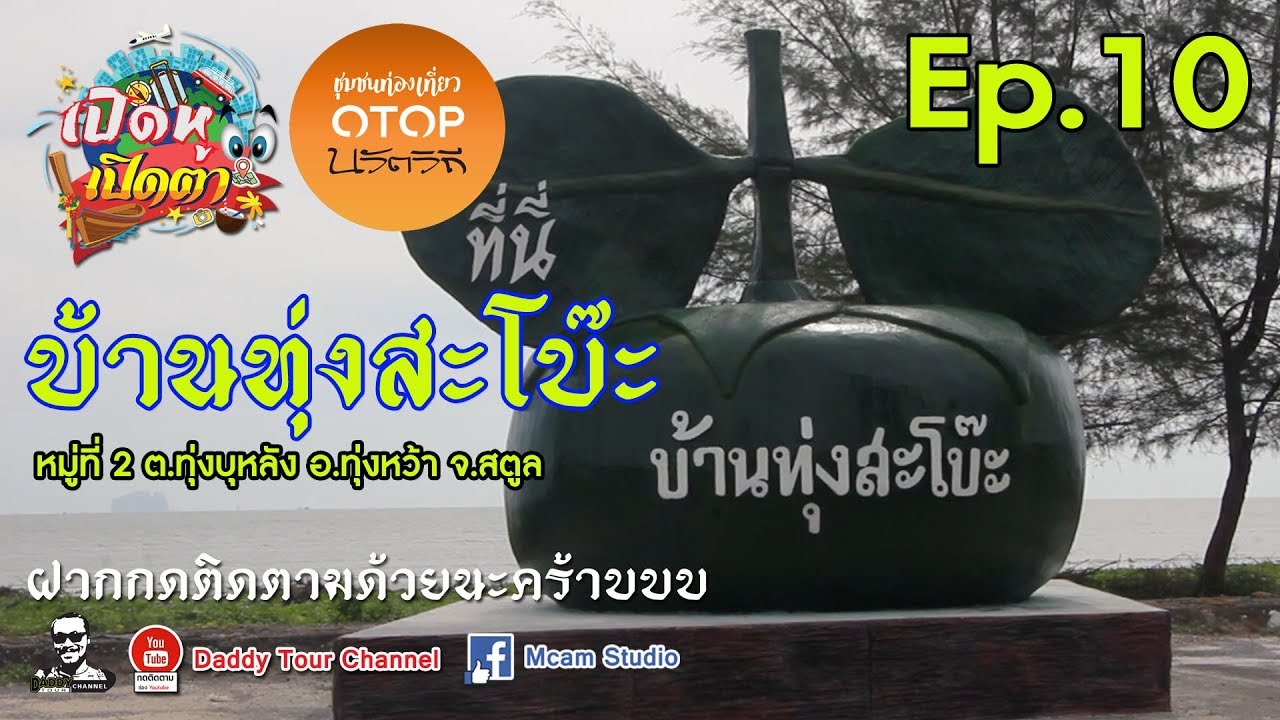
 Click to Access the Navigation Map GPS
Thung Sabo Beach Map
Recommend

 Art, Culture and Heritage
 Historical Sites and Monuments(1)
 Landmarks and Memorials(1)
 Art, Craft Centres, Tradition(5)
 Museums(3)
 Places of Worship
 Temple(3)
 Mosque(27)
 Suburban Living
 Village, Community(1)
 Local Market(2)
 National Parks and Marine Reserves(7)
 Mountain (Doi)(1)
 Dam, Reservoir, Lake(2)
 Waterfalls(9)
 Hot Springs(1)
 Caves(9)
Bays and Beaches(10)
Caves(9)
Bays and Beaches(10)
 Islands(16)
 Other natural attractions(5)
 Entertainment and Agricultural
 Zoos and Aquariums(1)
 Farms, Parks and Ecotourism(4)
 Outdoor and Adventure Activities(1)
 Travel Articles, Recipes
 Travel Review, Food Review(1)


