
lovethailand home >South Travel Attractions >Ranong Travel Attractions >Muang Ranong >Rat Krut > Ton Phet Waterfall
TL;DR: Ton Phet Waterfall, Ranong attractions : Nature and Wildlife, Waterfalls.
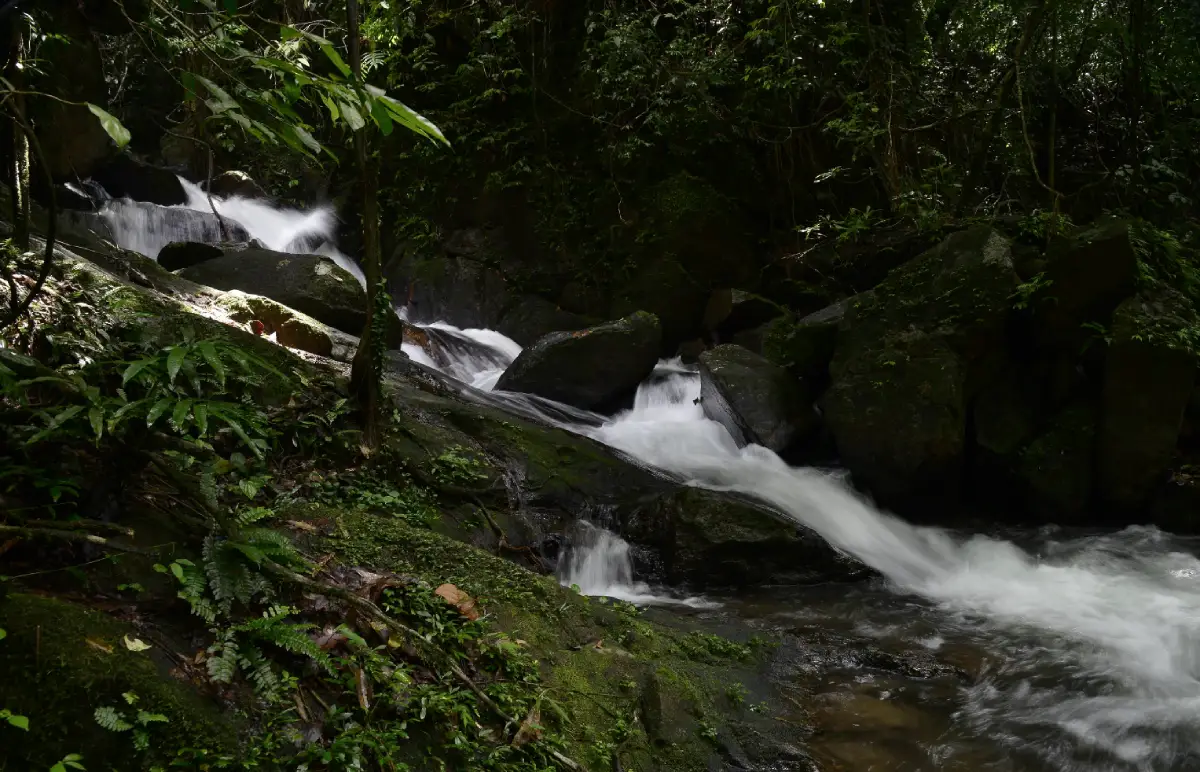
Ton Phet Waterfall
Open Days: Open For Visits With Local Or Area Coordination Recommended Before Traveling
Opening Hours: Daytime Visits Are Recommended, With Enough Time Allowed For The Walk In And Out
Last Updated: 2 September 2026
Ton Phet Waterfall in Ranong Province is a large, natural waterfall in Ratchakrut Subdistrict, Mueang Ranong District. It lies within the natural forest area of Khuan Mae Yai Mon Wildlife Sanctuary and is known for its 11 tiers, year-round water, humid evergreen forest, and a walking route that requires more preparation than a typical roadside waterfall. This is a destination for travelers who enjoy real nature, forest trails, quiet surroundings, and a more adventurous waterfall experience in southern Thailand.
Ton Phet Waterfall is located in Moo 4, Ratchakrut Subdistrict, about 29 km from Ranong Municipality. The main access route follows Highway 4, also known as Phetkasem Road, on the Ranong-Phang Nga route. Around the 640-641 km marker, travelers turn left toward the road signposted for Ranong Scout Camp and Ton Phet Waterfall. From the main road, the route continues for about 2 km to the Ban Huai Nam Sai area. From there, visitors continue on foot for about 1.5 km before reaching the waterfall.
The journey is part of the experience. Unlike waterfalls that sit beside a major road, Ton Phet requires travelers to pass through local garden areas, forest surroundings, and sections of natural walking terrain. Visitors should not treat it as a quick photo stop. The waterfall is better planned as a half-day or full-day nature trip, especially for those who want to spend time at the first tier, explore the atmosphere, take photographs, and return safely before dark.
The name “Ton Phet” reflects the local southern Thai word “ton,” often used for waterfalls or water dropping from height. The word “phet” means diamond, suggesting the clear, bright character of the water as it runs over rock surfaces. Together, the name suits the image of white water flowing down multiple stone tiers, especially during periods when the waterfall has a strong and beautiful flow.
The source of Ton Phet Waterfall is the Phor Ta Chong Dong mountain range, the highest mountain area in Ranong Province. This watershed feeds the stream system that flows through the forest and down the waterfall tiers. Ranong is one of Thailand’s rainiest provinces, with mountains, forested slopes, and high humidity. These conditions help keep Ton Phet flowing throughout the year and make the waterfall a strong example of the rainforest landscape on Thailand’s Andaman side.
The surrounding environment is humid evergreen forest. Large trees, ferns, mosses, streamside plants, and moisture-loving vegetation grow around the waterfall and along the route. The atmosphere is quiet and shaded, with the sound of flowing water and forest life forming the main experience. Ton Phet has not been heavily developed as a mass-tourism attraction, and that is part of its character. Visitors come here for a more natural setting rather than convenience alone.
Ton Phet Waterfall has 11 tiers. Each tier has a different water pattern, with some sections flowing across broad rock surfaces and others dropping into small pools. The first tier is about 10 m high and is the most practical area for most visitors to rest, take photographs, and enjoy the stream. Reaching the upper tiers requires climbing, walking on wet surfaces, and moving through steeper natural terrain. Visitors should not continue upward without enough fitness, proper footwear, and someone familiar with the route.
Travelers should allow generous time for the trip. The drive from Ranong town, the 2 km side road from Highway 4, the walk of about 1.5 km, and the time spent at the waterfall all add up. For a safe visit, plan Ton Phet as the main activity of the day. A rushed late-afternoon visit is not recommended because the return walk can become more difficult if it rains or gets dark.
Food, drinking water, and basic outdoor items should be prepared in advance. Ton Phet is not the type of waterfall where visitors can rely on many nearby shops or dense tourist facilities at the waterfall itself. Bring enough water, light food, a waterproof phone pouch, breathable clothing, a rubbish bag, and shoes suitable for wet or muddy paths. Keep the load practical, but do not skip the essentials.
A local guide or knowledgeable local contact is strongly recommended, especially for first-time visitors. The route may pass through local gardens, forest paths, and less obvious sections. Traveling with someone who knows the area reduces the chance of losing time, missing the correct path, or entering unsafe sections. Visitors can coordinate with people in the Ban Huai Nam Sai area or local residents near the waterfall route before walking in.
Ton Phet Waterfall is best suited to nature travelers, hikers, and visitors with good physical condition. It is less suitable for small children, elderly visitors, or travelers with knee, ankle, or mobility issues because the route requires walking and some sections may be slippery or uneven. Families with older children who are comfortable with forest trails can enjoy it as an educational nature experience, but close supervision is essential.
The rainy season gives Ton Phet its strongest water flow and lushest forest scenery. The waterfall is especially beautiful when the surrounding plants are fresh and green, and the water moves clearly over the rock tiers. At the same time, rainy conditions increase risk. Paths can become muddy, rocks become slippery, and stream levels can change quickly after heavy rain. Visitors should check weather conditions and avoid entering fast-flowing sections after continuous rainfall.
Swimming or playing in the water should be limited to safe areas and calm conditions. The first tier has a pool area that can be suitable for resting or water play when the current is gentle, but visitors should never jump into pools without knowing the depth, climb wet rocks, or move toward fast-flowing sections. Ton Phet remains a natural waterfall in a protected forest area, so visitors must rely on their own caution and follow local advice.
One reason Ton Phet is memorable is its quietness. Compared with more accessible waterfalls in Ranong, such as Punyaban Waterfall or Ngao Waterfall, Ton Phet feels more remote and less crowded. The trail, the forest, the layered water, and the absence of heavy tourist infrastructure give the site a stronger sense of discovery. Travelers who prefer polished facilities may find it demanding, but those who enjoy raw nature will find it rewarding.
For photography, Ton Phet offers forest streams, dark rocks, moving water, moss, ferns, and layered cascades. Morning light or soft overcast light works best because the forest creates strong contrasts between shaded areas and bright openings. Photographers should move slowly, watch their footing, and protect camera equipment from humidity and spray. The best images often come from patient observation rather than rushing from one point to another.
Ton Phet Waterfall is also meaningful for eco-travel. It shows the connection between mountain watershed, evergreen forest, stream systems, local gardens, and the surrounding community. The water begins in the Phor Ta Chong Dong mountain range and flows through the forest before forming the waterfall tiers. Visitors should respect both the natural environment and local livelihoods by staying on used routes, avoiding loud noise, not collecting plants, not disturbing wildlife, and taking all rubbish out of the area.
Ratchakrut Subdistrict connects easily with other natural attractions in southern Ranong. Travelers can combine Ton Phet Waterfall with Ton Phet Greenery Garden, Phu Khao Ya, Ngao Waterfall National Park, Ngao Waterfall, or return to Ranong town for hot springs and local food. A good itinerary is to leave Ranong town in the morning, visit Ton Phet as the main nature activity, return before evening, and then continue with dinner or accommodation in town.
Getting There is easiest by private car, rental car, or hired vehicle. From Ranong town, take Highway 4 toward Phang Nga. Around the 640-641 km marker, turn left toward the route signposted for Ranong Scout Camp and Ton Phet Waterfall. Continue about 2 km toward Ban Huai Nam Sai, then walk about 1.5 km to the waterfall. The final section is not suitable for ordinary vehicles to drive all the way to the waterfall itself, and parking should be done in a proper area without blocking local access.
Travelers without private transport should hire a vehicle from Ranong town and clearly arrange the return pickup time. Public transport is not as convenient for this route as it is for destinations in town. A hired car or local vehicle is the safer and more practical choice, especially for small groups carrying food, drinking water, and outdoor gear.
Visitors should avoid starting the walk late in the afternoon. Rain, fading light, wet soil, and uneven paths can make the return journey more difficult. Starting in the morning gives enough time to walk in, enjoy the waterfall, rest, take photographs, and return with daylight. Time management is just as important as the destination itself when visiting Ton Phet.
Responsible travel is essential here. Bring back all rubbish, avoid single-use plastic where possible, do not write on rocks, do not leave food waste in the forest, and do not disturb plants or animals. A natural waterfall like Ton Phet stays beautiful only when visitors reduce their impact. The more untouched the site feels, the more carefully it should be treated.
In summary, Ton Phet Waterfall is a strong choice for travelers who want a deeper nature experience in Ranong. Its highlights are 11 tiers of flowing water, humid evergreen forest, a watershed from Ranong’s highest mountain area, and an access route that requires walking and preparation. It is not a quick roadside stop. It is a waterfall for travelers who are physically ready, respect local guidance, prepare their supplies, and want to experience Ranong’s forest landscape in a more immersive way.
| Name | Ton Phet Waterfall |
| Location | Moo 4, Ratchakrut Subdistrict, Mueang Ranong District, Ranong Province |
| Address | Ratchakrut Subdistrict, Mueang Ranong District, Ranong Province 85000 |
| Highlights | Large 11-tier waterfall with year-round water, surrounded by humid evergreen forest in Khuan Mae Yai Mon Wildlife Sanctuary |
| History / Name Origin | “Ton” is a southern Thai term associated with waterfalls, while “Phet” means diamond, reflecting the clear water flowing over rock tiers |
| Distinctive Features | The waterfall has 11 tiers. The first tier is about 10 m high, while the upper tiers require forest walking and climbing through natural terrain |
| Water Source | Phor Ta Chong Dong Mountain Range, the highest mountain area in Ranong Province |
| Travel Information | From Ranong town, take Highway 4 on the Ranong-Phang Nga route for about 29 km. Around the 640-641 km marker, turn left toward Ranong Scout Camp for about 2 km, then walk about 1.5 km to the waterfall |
| Current Status | Still listed as a travel attraction in current tourism databases. Local or area coordination is recommended before entering the waterfall route |
| Open Days | Open for visits with local or area coordination recommended before traveling |
| Opening Hours | Daytime visits are recommended, with enough time allowed for the walk in and out |
| Facilities | Natural waterfall requiring a walk. Visitors should prepare drinking water, food, non-slip shoes, and necessary outdoor gear |
| Main Areas / Zones | 1. Access from Phetkasem Road 2. Ban Huai Nam Sai route 3. Walking route of about 1.5 km 4. First waterfall tier, about 10 m high 5. Upper tiers requiring forest walking and climbing |
| Caretaker | Khuan Mae Yai Mon Wildlife Sanctuary |
| Nearby Tourist Attractions | 1. Ton Phet Greenery Garden, About 2 km 2. Ranong Airport, About 10 km 3. Phu Khao Ya Ranong, About 17 km 4. Ngao Waterfall National Park, About 18 km 5. Ngao Waterfall, About 18 km 6. Raksa Warin Hot Spring, About 31 km |
| Nearby Restaurants | 1. Ton Phet Greenery Garden, About 2 km, Tel. 099-632-2451 2. Coffee Bar Ranong, About 26 km, Tel. 083-968-4963 3. J&T Restaurant Ranong, About 29 km, Tel. 081-891-5990 4. Khun Lin Restaurant Ranong, About 30 km, Tel. 077-822-863 5. Khao Hom Ranong, About 30 km, Tel. 062-928-2924 6. Farmhouse Restaurant Ranong, About 30 km, Tel. 087-278-4224 |
| Nearby Accommodations | 1. Ton Phet Greenery Garden, About 2 km, Tel. 099-632-2451 2. The Blue Sky Resort @ Ranong, About 24 km, Tel. 082-457-7801 3. Farmhouse Hotel Ranong, About 30 km, Tel. 087-278-4224 4. Sook Hotel Ranong, About 30 km, Tel. 093-581-2500 5. Blu Monkey Hub & Hotel Ranong, About 30 km, Tel. 082-369-5929 6. The B Ranong Trend Hotel, About 30 km, Tel. 077-823-111 |
Frequently Asked Questions (FAQ)
Q: Where Is Ton Phet Waterfall Located?
A: Ton Phet Waterfall is located in Moo 4, Ratchakrut Subdistrict, Mueang Ranong District, Ranong Province, within the Khuan Mae Yai Mon Wildlife Sanctuary area. It is about 29 km from Ranong town.
Q: How Many Tiers Does Ton Phet Waterfall Have?
A: Ton Phet Waterfall has 11 tiers. The first tier is about 10 m high, while the upper tiers require forest walking and some climbing.
Q: Who Is Ton Phet Waterfall Best For?
A: It is best for nature travelers, hikers, and visitors with good physical condition because the route requires a walk of about 1.5 km and includes natural, uneven terrain.
Q: Is A Local Guide Recommended For Ton Phet Waterfall?
A: Yes. A local guide or knowledgeable local contact is recommended, especially for first-time visitors, because the route passes through local gardens, forest paths, and less obvious walking sections.
Q: How Do Travelers Get To Ton Phet Waterfall?
A: From Ranong town, take Highway 4 on the Ranong-Phang Nga route. Around the 640-641 km marker, turn left toward Ranong Scout Camp for about 2 km, then continue on foot for about 1.5 km to the waterfall.
Q: Does Ton Phet Waterfall Have Water All Year?
A: Yes. The waterfall has year-round water, fed by the Phor Ta Chong Dong mountain range, the highest mountain area in Ranong Province.
Q: What Should Visitors Bring To Ton Phet Waterfall?
A: Visitors should bring drinking water, light food, non-slip or hiking shoes, a waterproof phone pouch, clothing suitable for humid forest conditions, and a bag for carrying rubbish back out.
Q: What Nearby Places Can Be Combined With Ton Phet Waterfall?
A: Nearby places include Ton Phet Greenery Garden, Phu Khao Ya, Ngao Waterfall National Park, Ngao Waterfall, and Raksa Warin Hot Spring.
 Category: ●Nature and Wildlife
 Group: ●Waterfalls
Last Update : 1 MonthAgo
 Last Update : 1 MonthAgo
 Click to Access the Navigation Map GPS
Ton Phet Waterfall Map
Recommend

 Art, Culture and Heritage
 Historical Sites and Monuments(4)
 Landmarks and Memorials(1)
 Royal Palace(1)
 Art, Craft Centres, Tradition(4)
 Educational Places
 Educational Gardens, Farm(1)
 Places of Worship
 Temple(12)
 Other Sacred Sites(2)
 Suburban Living
 Village, Community(2)
 National Parks and Marine Reserves(6)
 Mountain (Doi)(4)
Waterfalls(15)
Mountain (Doi)(4)
Waterfalls(15)
 Hot Springs(3)
 Caves(4)
 River, Canal(2)
 Bays and Beaches(10)
 Islands(8)
 Other natural attractions(3)
 Travel Articles, Recipes
 Travel Review, Food Review(1)


