
lovethailand home >North Travel Attractions >Phayao Travel Attractions >Pong >Pha Chang Noi > Pangka Royal Project Development Center
TL;DR: Pangka Royal Project Development Center is located at Pha Chang Noi Subdistrict, Pong District, Phayao Province, open Daily, hours Daytime Visits Recommended.
Pangka Royal Project Development Center
Open Days: Daily
Opening Hours: Daytime Visits Recommended
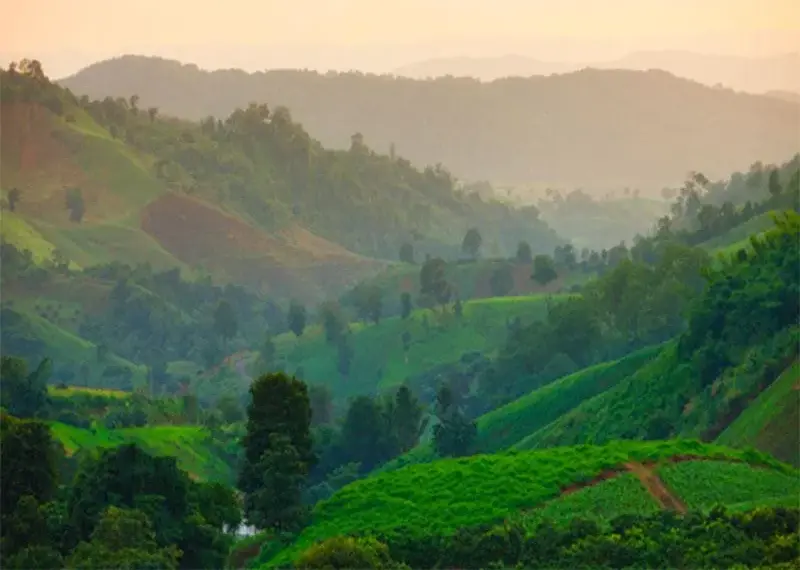
Pangka Royal Project Development Center in Phayao Province is a highland agricultural learning destination located in Pha Chang Noi Subdistrict, Pong District. Surrounded by mountains, cool weather, cultivated slopes, and nearby ethnic communities, the center offers visitors a meaningful look at highland farming, sustainable rural development, and the way agriculture can support both community livelihoods and environmental conservation. It is one of the most interesting destinations in northern Phayao for travelers who enjoy mountain scenery, cool-climate crops, flowers, local culture, and quiet routes away from crowded tourist areas.
The center is especially suitable for travelers who want to experience a slower and more educational side of Phayao. Instead of focusing only on viewpoints or temples, Pangka Royal Project Development Center allows visitors to see how highland agriculture works in real landscapes. Vegetable plots, fruit trees, flower gardens, mountain slopes, local communities, and the nearby route to Phu Langka create a travel experience that combines agriculture, nature, culture, and learning in one place. The atmosphere is calm, refreshing, and closely connected to the rhythm of rural highland life.
The main highlight of Pangka Royal Project Development Center is its cool-climate agricultural area. The center grows a variety of temperate vegetables and fruits along the mountain slopes. Important crops include Japanese pumpkin, zucchini, Japanese onion, black-stem eggplant, red ginger, avocado, peach, persimmon, and other seasonal produce. These crops are not only attractive to visitors, but also represent the knowledge and planning required to develop suitable farming systems for highland communities. Each crop reflects careful adaptation to local climate, soil, water availability, elevation, and market demand.
The agricultural plots are arranged according to the natural slope of the mountains. This creates a beautiful highland farming landscape, where vegetable beds and fruit trees follow the contours of the hills. Visitors can see how farming on elevated terrain differs from farming in the lowlands. The design of the plots must consider sunlight, moisture, soil erosion, irrigation, and access paths. For this reason, the center is not merely a scenic photo stop; it is a living classroom for understanding how agriculture can be organized responsibly in mountainous areas.
In addition to vegetables and fruit trees, Pangka Royal Project Development Center also features colorful seasonal flowers. During certain periods of the year, flower plots add brightness to the mountain landscape and create pleasant walking and photography opportunities. The combination of cool weather, blooming flowers, agricultural fields, and mountain views gives the site a distinctive atmosphere. It is particularly attractive in the cooler months when the air is clear and the landscape feels fresh and relaxing.
Pangka Royal Project Development Center began operating in 1987 with the purpose of improving livelihoods in highland communities, promoting suitable crops, reducing forest encroachment, and creating sustainable income opportunities for local residents. This mission reflects the broader philosophy of the Royal Project: using agricultural knowledge, appropriate crop selection, and community development to address highland challenges. The center therefore has value not only as a tourist attraction, but also as a development model that connects people, land, and long-term environmental care.
When viewed in a broader context, Pangka Royal Project Development Center performs several important roles at the same time. It supports highland farmers by introducing suitable crops and farming techniques. It serves as a demonstration area for cool-climate vegetables, fruit trees, and flowers. It functions as a learning destination for visitors interested in agriculture. It also connects tourism with ethnic communities, mountain landscapes, and local ways of life. This combination gives the center social, economic, cultural, and environmental significance.
The climate in the Pangka area is cooler than the lowland areas of Phayao because of its mountainous location and its proximity to the Phu Langka route. Visitors traveling from Phayao city or nearby provinces can feel the gradual change in landscape as the road enters higher terrain. Curving roads, layered mountains, hill communities, and agricultural plots appear along the way. For many travelers, the journey itself becomes part of the experience, not just the arrival at the destination.
The route to Pangka Royal Project Development Center is the same general route used for traveling to Phu Langka Forest Park, one of Phayao’s well-known mountain-view and mist-viewing destinations. From Chiang Kham District, take Highway 1148 toward Song Khwae District in Nan Province. After passing the Thung Lom junction and Rajanukroh School for about 2 km, there is a left-hand turn. Continue past the hill tribe cultural center for about 5 km, and the center is located on the left-hand side. This route is ideal for travelers who want to combine highland agriculture with mountain viewpoints.
Getting There is most convenient by private car, rental car, or a vehicle suitable for mountain roads. The route includes elevated terrain and some winding sections, so drivers should check the vehicle’s brakes, tires, fuel, and general condition before departure. This is especially important for those who plan to continue to Phu Langka or nearby viewpoints. During the rainy season, careful driving is necessary, while in the cool season visitors should bring warm clothing because mornings and evenings can be noticeably cooler than lowland areas.
Pha Chang Noi Subdistrict and the Pangka area are also home to Hmong and Mien, or Yao, communities. A visit to Pangka Royal Project Development Center therefore offers more than agricultural scenery. It also provides an opportunity to encounter highland community life and cultural identity. During important festivals or community events, travelers may see traditional clothing, local gatherings, handicrafts, embroidery, wax-resist textile work, and other cultural expressions that make the area more vivid and memorable.
The Hmong and Mien communities around Pangka are an important part of the area’s cultural character. Hmong culture is known for colorful clothing, embroidery, and New Year celebrations, while the Mien or Yao people are recognized for intricate textile traditions, especially wax-resist patterns and fine needlework. When highland agriculture, community life, and cultural identity are experienced together, the trip becomes deeper than a simple sightseeing visit. It allows travelers to see how farming, tradition, and mountain living are closely connected.
Inside the center, visitors can learn about cool-climate crops from real agricultural plots. Japanese pumpkin and zucchini show how crop selection can respond to cooler mountain conditions. Japanese onion and black-stem eggplant add diversity to the production system. Red ginger represents a distinctive highland crop with visual and economic value. Avocado, peach, and persimmon demonstrate the potential of fruit trees in suitable elevations. Seeing these crops in their actual growing environment helps visitors understand the practical side of highland agriculture more clearly.
These crops do not grow successfully by climate alone. Their cultivation requires knowledge of soil preparation, seed or seedling selection, irrigation, pest management, harvesting, grading, and marketing. The center demonstrates how agricultural research and local practice can work together. For travelers, this makes the visit more meaningful because they can see the connection between food, farming, environment, and community livelihood in a real highland setting.
For photography lovers, Pangka Royal Project Development Center offers many attractive scenes. Vegetable plots following the mountain slopes, rows of cool-climate crops, flower gardens, hill roads, local communities, and distant mountain views all provide different visual possibilities. Morning and late afternoon are usually the best times for photography because the light is softer and the landscape has more depth. During the cool season, mist or low clouds may add an atmospheric quality to the scenery.
The center is also suitable for families, students, and groups interested in outdoor learning. A visit can connect many topics: agriculture, geography, environment, local economy, ethnic culture, and sustainable development. Children and young travelers can see that growing vegetables on a mountain is not simple; it requires planning, patience, and cooperation. Adults can appreciate the center as a practical example of development that goes beyond tourism and directly supports community life.
Unlike entertainment-focused tourist attractions, Pangka Royal Project Development Center emphasizes authenticity. Its beauty comes from real farmland, cool weather, highland scenery, and the relationship between people and land. There are no oversized amusement structures or artificial themes. Instead, visitors encounter agricultural plots, mountain air, local roads, and a working development center. This makes the destination especially appealing for travelers who prefer calm, meaningful, and educational travel experiences.
The center is closely connected with Phu Langka Forest Park, a famous mountain destination known for viewpoints, sea of mist, sunrise, sunset, and ancient rock formations. Combining Pangka Royal Project Development Center with Phu Langka is one of the best travel plans in this area. Visitors can explore agricultural plots at the center and then continue to mountain viewpoints, or stay overnight near Phu Langka and visit the center during the day. This creates a balanced route with both agricultural learning and scenic nature.
Phu Langka and Pha Chang Noi are widely appreciated for mountain views and misty landscapes. Many travelers come to this area to stay overnight and wake up early for sunrise and mist. Pangka Royal Project Development Center works well as a meaningful stop on this route because it adds agricultural and community dimensions to a mountain-view trip. Instead of traveling only for scenery, visitors can also learn how local people grow crops and sustain livelihoods in the highlands.
Travelers interested in buying produce or local products should ask the center during their visit, as availability depends on season and harvest cycles. Some crops may be abundant at certain times of year, while others may not be ready for sale. Checking in advance is useful, especially for visitors who want to see a specific crop, purchase seasonal produce, or use accommodation and tent services within the center area.
Accommodation information has been associated with the center, including guesthouse-style lodging and tent rental in some periods. Visitors who wish to stay overnight should contact the center in advance because availability, conditions, and services may change. Staying at or near the center is suitable for travelers who want to experience cool air, mountain scenery, and agricultural surroundings more closely. However, visitors should prepare food, drinking water, and personal items because the area is far from large service centers.
Travelers who do not stay inside the center can choose accommodations around Phu Langka and Pha Chang Noi. The area includes resorts, homestays, viewpoint lodgings, and small local stays such as Phu Langka Resort, Phulangka Le Balcony, Ing Mok Homestay Phu Langka, and other community accommodations. Staying in this zone allows visitors to watch the sea of mist in the morning and then visit Pangka Royal Project Development Center later in the day.
Nearby dining options include food services within or near the Royal Project area, local restaurants, cafes, and mountain-view dining places around Phu Langka. Examples include the restaurant at Pangka Royal Project, Krua Phu Langka, Phulangka Le Balcony, Magic Mountain Cafe, and Route 1148 Cafe Ban Thale Mok. Since this is a mountain area, some restaurants may open seasonally or according to visitor volume, so travelers should check ahead, especially when traveling in a group or planning an overnight stay.
Useful items to bring include warm clothing during the cool season, walking shoes suitable for agricultural areas, a hat or umbrella for sun protection, drinking water, personal medicine, and a camera. If staying overnight, visitors should prepare food or necessary personal supplies based on the center’s advice. Because the area is located on a mountain route, shops and services may be more limited than in town areas.
To enjoy the center properly, visitors should allow at least 1–2 hours for walking through the agricultural area, asking about produce, taking photographs, and resting. If combining the visit with Phu Langka, half a day to a full day is recommended. A good plan is to enjoy the viewpoint or sea of mist at Phu Langka in the morning, then visit the Royal Project center to see highland crops, and later stop at a cafe or restaurant in Pha Chang Noi.
For a 2-day, 1-night itinerary, travelers can stay in the Phu Langka or Pha Chang Noi area. On the first afternoon, visit Pangka Royal Project Development Center to enjoy the agricultural plots and mountain atmosphere. Stay overnight near a viewpoint, then wake early the next day to see the sea of mist and sunrise at Phu Langka before continuing to other attractions in Pong District or toward Nan Province. This slower plan is ideal for travelers who want to fully experience the mountain landscape.
Responsible travel is important at Pangka Royal Project Development Center. Visitors should respect agricultural work areas, avoid stepping into crop plots, not pick vegetables, fruits, or flowers without permission, avoid disturbing local communities, ask before photographing local residents, and keep the area clean. Traveling with respect helps ensure that visitors, local people, and the center all benefit from tourism.
The value of Pangka Royal Project Development Center lies in showing that tourism can connect with development in a practical way. Visitors do not come only to admire scenery; they also see the results of career promotion, suitable crop selection, natural resource care, and improved quality of life for highland communities. This makes the center both a tourist destination and a learning space.
For travelers interested in ethnic culture, highland agriculture, and mountain scenery, Pangka Royal Project Development Center is a destination worth including in a Phayao itinerary. It brings together cool-climate vegetables, flowers, fruit trees, mountain views, Hmong and Mien communities, access to Phu Langka, and nearby accommodation options. A visit here reveals a different image of Phayao from the lakeside city area, showing the province as a highland landscape shaped by farming, culture, and development.
The best period to visit is from the late rainy season into the cool season, when the weather is comfortable, the mountains are fresh, and the atmosphere is suitable for outdoor walking. However, the center can be visited year-round as long as travelers check weather and road conditions, especially during the rainy season. Good preparation will make the trip safer and more enjoyable.
Pangka Royal Project Development Center expands the meaning of travel in Phayao. The province is not only about lakes, old temples, or quiet townscapes; it also has mountains, ethnic communities, cool-climate agriculture, and development projects that work closely with local people. Visiting this center opens a deeper view of Phayao, where nature, culture, and agriculture coexist in the same travel route.
In summary, Pangka Royal Project Development Center is a well-rounded highland agricultural attraction with nature, farming, culture, and relaxation. It is ideal for travelers who enjoy mountain routes, cool weather, temperate crops, flowers, and local community life. A visit offers a quiet but meaningful experience and helps travelers understand the value of highland development through real landscapes, crops, and people.
| Name | Pangka Royal Project Development Center |
| Location | Pha Chang Noi Subdistrict, Pong District, Phayao Province |
| Address | Ban Pangka / Ban Sip Song Phatthana, Pha Chang Noi Subdistrict, Pong District, Phayao 56140, Thailand |
| Highlights | Highland agricultural learning center with cool-climate crops, fruit trees, flowers, mountain views, and nearby Hmong and Mien communities |
| History / Background | Established in 1987 to promote highland agriculture, improve community livelihoods, reduce forest encroachment, and support sustainable development in the area |
| Distinctive Features | Agricultural plots on mountain slopes, cool weather, highland crops, and a route connected with Phu Langka Forest Park |
| Main Crops And Products | Japanese pumpkin, zucchini, Japanese onion, black-stem eggplant, red ginger, avocado, peach, persimmon, and seasonal cool-climate flowers |
| Nearby Ethnic Communities | Hmong and Mien or Yao communities in the Pangka and Pha Chang Noi area |
| Travel Information | From Chiang Kham District, take Highway 1148 toward Song Khwae District, Nan Province. After passing the Thung Lom junction and Rajanukroh School for about 2 km, turn left and continue past the hill tribe cultural center for about 5 km. The center is on the left-hand side |
| Current Status | A highland agricultural learning and tourism destination in Pha Chang Noi Subdistrict, Pong District, Phayao Province |
| Open Days | Daily |
| Opening Hours | Daytime Visits Recommended |
| Fees | No admission fee announcement found |
| Facilities | Agricultural learning plots, viewpoint areas, seasonal food or service points, guesthouse-style accommodation and tent services subject to the center’s conditions; advance contact is recommended for overnight stays |
| Main Areas / Zones | Cool-climate vegetable plots, fruit tree plots, flower plots, agricultural learning areas, viewpoints, and visitor service areas |
| Caretaker / Related Agencies | Pangka Royal Project Development Center under the Royal Project Foundation, with related local authorities in Pha Chang Noi Subdistrict |
| Main Contact Number | Pangka Royal Project Development Center, Tel. 054-401-023 |
| Nearby Local Authority | Pha Chang Noi Subdistrict Administrative Organization, Tel. 054-430-980 |
| Official / Reliable Sources | Tourism Authority of Thailand, Royal Project Foundation, Pha Chang Noi Subdistrict Administrative Organization, and community tourism databases |
| Nearby Tourist Attractions | 1. Phu Langka Forest Park, about 5 km 2. Phu Langka Viewpoint, about 6 km 3. Lan Hin Lan Pi, Phu Langka, about 7 km 4. Hill Tribe Cultural Center, Pha Chang Noi, about 5 km 5. Ban Pangka / Hmong and Mien Communities, about 2 km 6. Highway 1148 Chiang Kham–Song Khwae Scenic Route, about 5 km |
| Nearby Restaurants | 1. Pangka Royal Project Restaurant, about 0 km, Tel. 088-410-6654 2. Krua Phu Langka, about 5 km, Tel. 080-608-3449 3. Phulangka Le Balcony, about 5 km, Tel. 082-579-8999 4. Magic Mountain Cafe Phu Langka, about 6 km 5. Route 1148 Cafe Ban Thale Mok, about 8 km 6. Local Restaurants And Community Shops In Ban Pangka, about 2 km |
| Nearby Accommodations | 1. Pangka Royal Project Guesthouse, about 0 km, Tel. 054-401-023 2. Phu Langka Resort, about 5 km, Tel. 054-415-570 3. Phulangka Le Balcony, about 5 km, Tel. 082-579-8999 4. Ing Mok Homestay Phu Langka, about 6 km, Tel. 096-901-3637 5. Magic Mountain Phu Langka, about 6 km 6. Community Homestays In Pha Chang Noi And Ban Pangka, about 2–6 km |
Frequently Asked Questions (FAQ)
Q: Where is Pangka Royal Project Development Center located?
A: It is located in Pha Chang Noi Subdistrict, Pong District, Phayao Province, on the same general route as Phu Langka Forest Park.
Q: What makes Pangka Royal Project Development Center interesting?
A: The main attractions are cool-climate vegetable plots, fruit trees, flowers, mountain views, cool weather, and nearby Hmong and Mien communities.
Q: When can visitors go to Pangka Royal Project Development Center?
A: Visitors can go daily. Daytime visits are recommended for walking through the agricultural area and traveling safely on mountain roads.
Q: Is there an admission fee?
A: No admission fee announcement was found. Visitors who want to use accommodation, tent rental, or other services should contact the center in advance.
Q: Is accommodation available at Pangka Royal Project Development Center?
A: Guesthouse-style accommodation and tent services have been associated with the center, but visitors should contact the center in advance at 054-401-023 to check current availability and conditions.
Q: How do travelers get to Pangka Royal Project Development Center?
A: From Chiang Kham District, take Highway 1148 toward Song Khwae District in Nan Province. After passing the Thung Lom junction and Rajanukroh School for about 2 km, turn left and continue past the hill tribe cultural center for about 5 km. The center is on the left-hand side.
Q: What is the best time to visit?
A: The late rainy season through the cool season is especially pleasant because the weather is comfortable and the mountain scenery is beautiful. However, the center can be visited year-round if weather and road conditions are checked in advance.
Q: What nearby attractions can be visited with the center?
A: Nearby attractions include Phu Langka Forest Park, Phu Langka Viewpoint, Lan Hin Lan Pi, the hill tribe cultural center, and Ban Pangka communities in Pha Chang Noi Subdistrict.
 Category: ●Research and Development
 Group: ●Royal Project
Last Update : 4 MonthAgo
 Last Update : 4 MonthAgo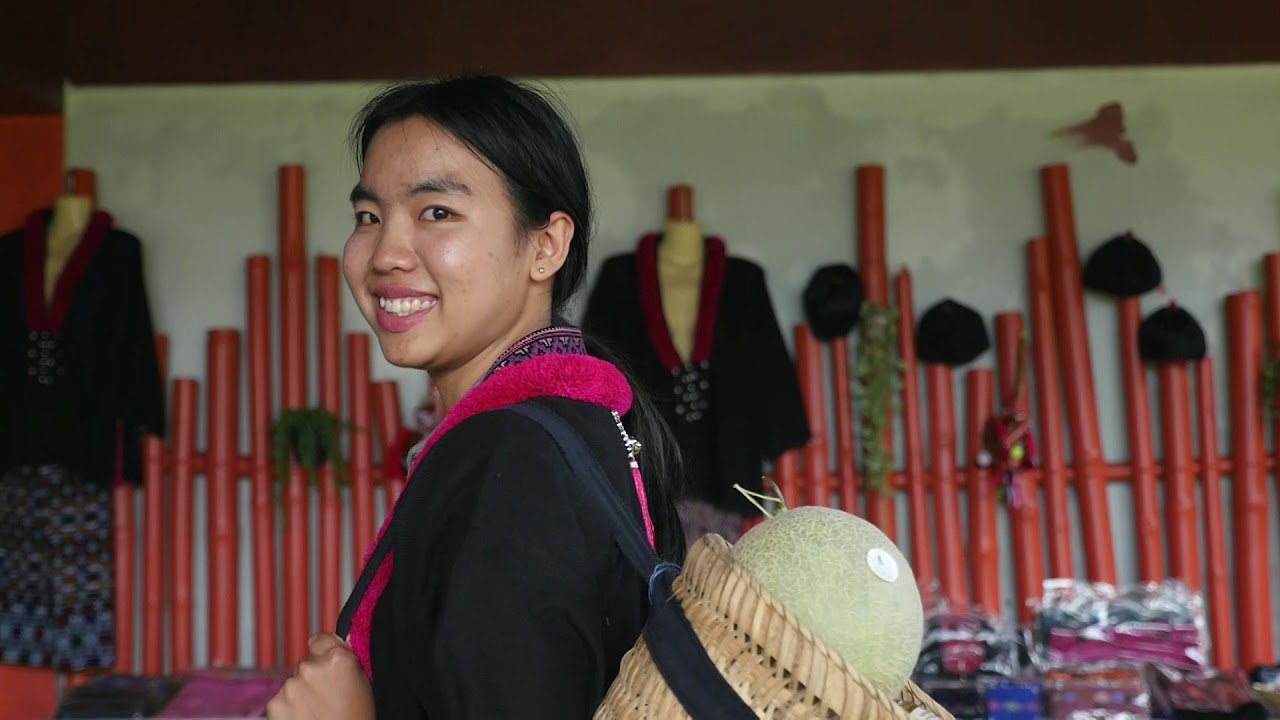
 Click to Access the Navigation Map GPS
Pangka Royal Project Development Center Map
Recommend

 Art, Culture and Heritage
 Historical Sites and Monuments(4)
 Landmarks and Memorials(4)
 Art, Craft Centres, Tradition(1)
 Museums(2)
 Places of Worship
 Temple(39)
 Other Sacred Sites(5)
Royal Project(1)
Other Sacred Sites(5)
Royal Project(1)
 Suburban Living
 Village, Community(2)
 Local Market(4)
 Nature and Wildlife
 National Parks and Marine Reserves(6)
 Mountain (Doi)(2)
 Dam, Reservoir, Lake(11)
 Waterfalls(8)
 Caves(5)
 River, Canal(3)
 Other natural attractions(5)


