
lovethailand home >North Travel Attractions >Phayao Travel Attractions >Pong >Pha Chang Noi > Phu Langka Forest Park
TL;DR: Phu Langka Forest Park is located at Pha Chang Noi Subdistrict, Pong District, Phayao Province, open Daily, hours 05.00 – 18.00.
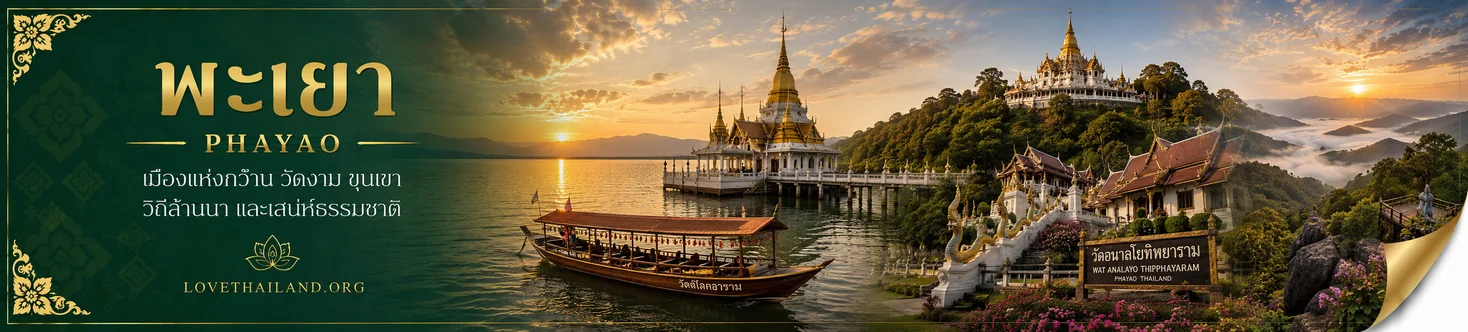
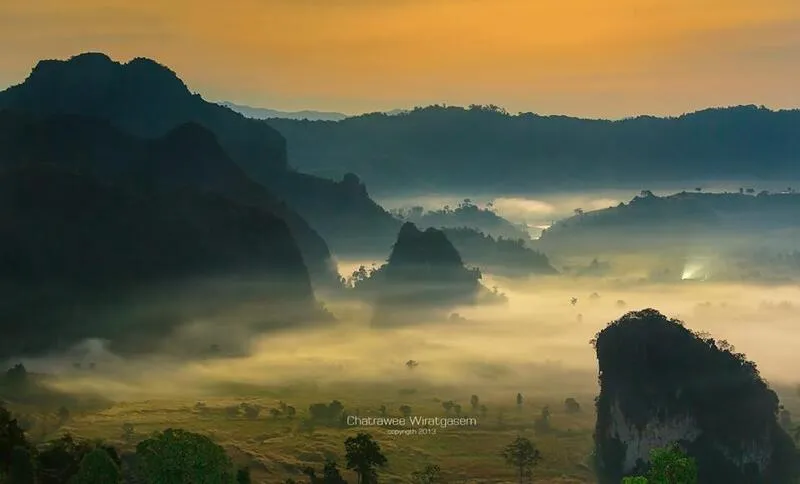
Phu Langka Forest Park
Open Days: Daily
Opening Hours: 05.00 – 18.00
Phu Langka Forest Park in Phayao Province is one of northern Thailand’s most beautiful mountain destinations for sea of mist, sunrise, sunset, montane forest, wildflowers, birdwatching, and highland nature. Located in Pha Chang Noi Subdistrict, Pong District, the forest park covers approximately 7,800 rai and rises to about 1,720 meters above sea level. In the language of the Mien hill tribe, Doi Phu Langka is called “Fin Cha Bo,” meaning “Mountain of Angels.” The name fits the atmosphere of this high mountain landscape, where mist, forest, cool air, and distant ridgelines create a peaceful and almost sacred feeling.
Phu Langka is not only a viewpoint. It is a nature learning area with montane forest, ancient oak forest, million-year rock fields, wildflower meadows, Phu Langka Waterfall, Hin Yaeng Fa rock formation, Doi Phu Lom viewpoint, birdwatching routes, and traces of former communist hideouts. This combination of scenery, ecology, history, and local identity makes the forest park one of the most meaningful travel sites in Phayao for visitors who want more than a quick photo stop.
The most famous experience at Phu Langka is watching the sea of mist. The best atmosphere usually comes during the late rainy season and early cool season, when moisture gathers in the valleys and morning mist blankets the mountains. Visitors who wake before sunrise can see layers of ridges slowly appear through white mist as the first light touches the horizon. This view has made Phu Langka popular among photographers, slow travelers, and anyone who enjoys quiet mountain mornings.
The summit of Doi Phu Langka is about 1,720 meters above sea level and offers wide views of the surrounding mountains. In the morning, it is a place to watch mist and sunrise. In the evening, it becomes a viewpoint for sunset over the ridgelines. What makes the summit special is not only its height, but the feeling of standing above the forest and seeing mist move across valleys and mountain slopes. The air is cool, the light changes quickly, and the landscape feels different from hour to hour.
Doi Phu Lom is another important viewpoint in the area. Rising to about 1,600 meters, it offers a 360-degree view and unusual mountain forms that visitors often compare with shapes such as the Great Wall, a gorilla, or other natural three-dimensional figures. This viewpoint is suitable for travelers who enjoy broad landscapes, mountain photography, and observing landforms shaped by natural processes over a long period of time.
The Dok Khlong Khleng field is one of the most charming seasonal highlights of Phu Langka. Khlong Khleng is a shrub with purple flowers that becomes especially beautiful during the late rainy season and early cool season, and may also bloom around Songkran in some years. The flowers appear in open patches and scattered areas throughout the forest park, adding soft color to the mountain landscape. For travelers who enjoy wildflowers and nature photography, this is one of the best details to look for in the right season.
Lan Hin Lan Pi, or the million-year rock field, is a natural rock area on the ridge of Phu Langka. Moss grows on the rocks, and wild plants such as begonias, orchids, Chomphu Phu Phan, Khlong Khleng, wild balsam, and other small highland plants appear around the area. During the late rainy season and early cool season, the moisture makes the moss and flowers look especially fresh. This site is best appreciated slowly, because its beauty lies in small natural details rather than a single dramatic viewpoint.
Hin Yaeng Fa is a rock formation that rises toward the sky near the end of the Phu Langka summit area. Its shape makes it a distinctive photo spot, with mountain scenery and forest in the background. The rock gives the summit route another layer of interest, combining geological form with highland views.
The ancient oak forest is one of the most valuable ecological areas in Phu Langka. It is a montane forest with large oak trees, medicinal plants, wildflowers, wild orchids, and many highland species. The forest feels especially alive during the late rainy season and early cool season, when humidity is high and the vegetation is fresh. Walking through this area allows visitors to experience the deep forest character of Phu Langka beyond its famous viewpoints.
Phu Langka Waterfall is a clear and cool waterfall with 2 levels. The first level is about 30 meters high, while the second level is about 20 meters high. It is especially beautiful during the rainy season, when the water volume is stronger and the surrounding forest is lush. Visitors should walk carefully around the waterfall area because wet rocks and forest trails can be slippery, especially after rain.
Phu Langka is also an important birdwatching area. The forest is home to more than 200 species of resident and migratory birds, including colorful forest birds such as minivets and barbets. The variety of forest types and elevation levels creates suitable habitats for many species. Early morning is the best time for birdwatching, when birds are more active and the forest is quieter.
The forest park is also known for rare plants, including Chomphu Phu Phan, Niam Daeng, brown orchids, red-flowered galangal, Satta Rue Si, and many other highland plants. These species show the ecological richness of the area. Visitors should observe without collecting or damaging plants, because many of the most beautiful parts of Phu Langka are delicate and easily disturbed.
Wildlife in the area includes more than 100 species, such as bears, deer, barking deer, wild boar, king cobras, butterflies, and other forest animals. Some animals are difficult to see because they live deep in the forest or are active at night. Visitors should never feed, chase, touch, or disturb wildlife. Respecting animal habitat is essential for keeping Phu Langka healthy as a natural area.
Another important layer of Phu Langka is its historical connection with former communist activity. In the past, the high mountain and forest were used as a base area. Today, traces such as hideout caves, trenches, and old bomb pits remain in some parts of the landscape. These traces give Phu Langka a historical dimension in addition to its natural beauty. Visitors should view them respectfully and avoid damaging or removing anything from the site.
The climate changes strongly by season. In winter, the weather can be very cold, with low temperatures around 7 degrees Celsius. This is the best season for mist, sunrise, cool air, and overnight mountain stays. The rainy season brings lush forest, beautiful waterfalls, and fresh wild plants, but trails can be slippery and access conditions may change. The hot season is warmer, but still suitable for some viewpoints and nature study if visitors prepare sun protection and enough drinking water.
The forest park provides accommodation, camping areas, cycling routes, nature trails, birdwatching opportunities, and forest learning areas. Accommodation and camping spaces are limited, so visitors should contact the forest park before traveling, especially during the high season, long weekends, and the mist-viewing period. Planning ahead helps ensure a smoother trip and a better chance to experience sunrise and morning mist properly.
Some internal routes are narrow, steep, winding, and suitable for four-wheel-drive vehicles, especially routes leading higher into the mountain. Ordinary cars can reach the nature classroom area, from which visitors can continue on foot along nature study trails. Visitors should check road conditions with staff before traveling, especially during or after rain, when red dirt roads can become slippery.
Electricity is not available in every part of the forest park. Visitors staying overnight or traveling during early morning and evening hours should prepare flashlights, spare batteries, power banks, warm clothing, good walking shoes, waterproof bags, and personal supplies. Phu Langka is a natural forest area, not a fully developed commercial attraction, so proper preparation is essential.
Phu Langka is best experienced with an overnight stay or an early morning visit. The sea of mist and first light appear only for a short time before the sun rises higher. Travelers arriving at midday may miss the best atmosphere. Those who want to see mist should stay nearby, wake early, and reach the viewpoint before sunrise.
Nearby communities in Pha Chang Noi and the surrounding Phu Langka area provide accommodation, restaurants, and cafés for travelers. Places such as Phu Langka Baan Suan, Phu Langka Resort, Phulangka Le Balcony, Krua Phu Langka, and local cafés support the growing travel community around the mountain. Staying or eating locally helps distribute tourism income to nearby communities and makes the Phu Langka experience more connected to the people of the area.
For photographers, Phu Langka offers many types of images: sea of mist, sunrise, sunset, mountain ridges, Hin Yaeng Fa, wildflowers, ancient oak forest, moss-covered rocks, local houses, and winding mountain roads. Wide-angle lenses, tripods, waterproof covers, and spare batteries are useful because the weather can be cold and humid, especially in the early morning.
Birdwatchers should start early and keep noise to a minimum. Do not play bird calls, approach nests, chase birds, or disturb natural behavior. The best birdwatching comes from patience, silence, binoculars, and long lenses. Since Phu Langka supports many resident and migratory birds, responsible birdwatching is important for protecting the habitat.
Visitors who plan to hike should choose trails according to their ability and follow staff guidance. Some paths are steep and require good physical condition. Bring drinking water, snacks, rain protection, personal medicine, and shoes with good grip. Do not hike alone on unfamiliar routes and do not leave marked trails, as this can cause safety risks and may damage sensitive plants.
Phu Langka is ecologically important because it is a headwater area of the Yom River. The montane forest absorbs water, maintains humidity, supports biodiversity, and helps sustain ecosystems and communities downstream. Protecting the forest therefore matters not only to visitors but also to water systems, agriculture, wildlife, and local communities over a wider area.
Visitors should follow responsible travel practices: do not litter, do not collect flowers or plants, do not touch wildlife, do not make loud noise, do not light fires in prohibited areas, do not drive off designated routes, and do not damage historical traces. Moss, rocks, wildflowers, and old remains are all parts of Phu Langka’s natural and historical story.
Getting There from Phayao city is via Highway 1021 through Dok Kham Tai and Chun districts to Chiang Kham District, then continue on Highway 1148 toward Pha Chang Noi Subdistrict in Pong District. The distance from Phayao city to Phu Langka is about 120 km. From Chiang Rai, take Highway 1020 through Thoeng District to Chiang Kham, then continue toward Phu Langka. The distance is about 140 km. Drivers should check brakes, tires, fuel, and vehicle condition before traveling because some mountain roads are narrow, steep, and winding.
Phu Langka Forest Park is a destination for travelers who want to experience Phayao at a deeper natural level. It offers sea of mist, high mountain viewpoints, montane forest, waterfalls, wildflowers, rare plants, birdlife, and historical traces in one landscape. It is not only a beautiful viewpoint, but a living forest and headwater area that deserves careful and respectful travel.
| Name | Phu Langka Forest Park |
| Location | Pha Chang Noi Subdistrict, Pong District, Phayao Province |
| Address | Pha Chang Noi Subdistrict, Pong District, Phayao 56140 |
| Area | Approximately 7,800 Rai |
| Summit Elevation | Approximately 1,720 Meters Above Mean Sea Level |
| Highlights | Sea Of Mist, Sunrise, Sunset, Doi Phu Langka Summit, Doi Phu Lom, Dok Khlong Khleng Field, Phu Langka Waterfall, Million-Year Rock Field, Hin Yaeng Fa, Ancient Oak Forest, Birdwatching Routes, And Former Communist Hideout Traces |
| History / Local Context | A high mountain in the Thai-Lao watershed range, montane forest, headwater area of the Yom River, and a former communist base area with remaining historical traces |
| Name Origin | In the Mien hill tribe language, Doi Phu Langka is called “Fin Cha Bo,” meaning “Mountain Of Angels” |
| Distinctive Features | Rich montane forest, cool mountain climate, beautiful mist viewpoints, rare plants, abundant birdlife, and highland nature trails |
| Important Plants | Chomphu Phu Phan, Niam Daeng, Brown Orchids, Red-Flowered Galangal, Satta Rue Si, Begonias, Wild Orchids, Khlong Khleng, Wild Balsam, And Montane Forest Plants |
| Important Wildlife | Bears, Deer, Barking Deer, Wild Boar, King Cobras, Butterflies, And More Than 100 Wildlife Species |
| Birdlife | More Than 200 Species Of Resident And Migratory Birds, Including Minivets, Barbets, And Other Highland Forest Birds |
| Travel Information | From Phayao City, take Highway 1021 through Dok Kham Tai and Chun districts to Chiang Kham District, then continue on Highway 1148 to Pha Chang Noi Subdistrict, Pong District. The distance is about 120 km. From Chiang Rai, take Highway 1020 through Thoeng to Chiang Kham, then continue to Phu Langka, about 140 km. |
| Current Status | Open as a forest park and nature destination for sea of mist viewing, hiking, birdwatching, camping, and overnight stays according to site regulations |
| Open Days | Daily |
| Opening Hours | 05.00 – 18.00 |
| Facilities | Accommodation, Camping Ground, Nature Trails, Cycling Routes, Birdwatching Points, Mist Viewpoints, And Nature Classroom Area |
| Main Areas / Zones | Doi Phu Langka Summit, Doi Phu Lom, Dok Khlong Khleng Field, Phu Langka Waterfall, Million-Year Rock Field, Hin Yaeng Fa, Ancient Oak Forest, Former Communist Hideout Cave, And Birdwatching Routes |
| Caretaker | Phu Langka Forest Park, Department Of National Parks, Wildlife And Plant Conservation, Under Protected Area Regional Office 15 (Chiang Rai) |
| Main Contact Number | Phu Langka Forest Park Tel. 081-883-0307 / Protected Area Regional Office 15 Tel. 053-711402 |
| Travel Notes | Some upper routes are narrow, steep, winding, and suitable for four-wheel-drive vehicles. Ordinary cars can reach the nature classroom area. Some areas have no electricity, so visitors should prepare flashlights, power banks, and warm clothing. |
| Nearby Tourist Attractions | 1. Phu Langka Sea Of Mist Viewpoint, About 0 km 2. Doi Phu Langka Summit, About 0 km 3. Doi Phu Lom, About 2 km 4. Dok Khlong Khleng Field, About 1 km 5. Phu Langka Waterfall, About 3 km 6. Pang Kha Royal Project, About 2 km 7. Pha Chang Noi / Highway 1148 Viewpoint, About 5 km 8. Namtok Nam Min Forest Park, About 35 km |
| Nearby Restaurants | 1. Pang Kha Royal Project Restaurant, About 2 km 2. Phulangka Le Balcony, About 5 km, Tel. 082-579-8999 3. Krua Phu Langka, About 6 km, Tel. 080-608-3449 4. Magic Mountain Cafe, About 6 km 5. Ban Thale Mok, About 7 km 6. Cheeva De Cafe, About 7 km |
| Nearby Accommodations | 1. Phu Langka Forest Park Accommodation, About 0 km, Tel. 081-883-0307 2. Phu Langka Forest Park Camping Ground, About 0 km, Tel. 081-883-0307 3. Phu Langka Baan Suan / Phu Langka Resort, About 5 km, Tel. 086-191-0291 4. Phulangka Le Balcony, About 5 km, Tel. 082-579-8999 5. Ingmok Homestay Phulangka, About 6 km, Tel. 096-901-3637 6. Pang Kha Royal Project, About 2 km, Tel. 0-5440-1023 |
Frequently Asked Questions (FAQ)
Q: Where is Phu Langka Forest Park located?
A: Phu Langka Forest Park is located in Pha Chang Noi Subdistrict, Pong District, Phayao Province, on the Thai-Lao watershed mountain range.
Q: What are the main highlights of Phu Langka Forest Park?
A: Highlights include the sea of mist, Doi Phu Langka summit, Doi Phu Lom, Dok Khlong Khleng Field, Phu Langka Waterfall, Million-Year Rock Field, Hin Yaeng Fa, Ancient Oak Forest, birdwatching routes, and historical communist hideout traces.
Q: When is the best time to visit Phu Langka?
A: The late rainy season to early cool season is the best time for sea of mist, wildflowers, and cool weather. The rainy season is good for waterfalls and lush forest scenery.
Q: How high is Doi Phu Langka?
A: Doi Phu Langka is approximately 1,720 meters above mean sea level and is one of the important high summits in the Thai-Lao watershed range.
Q: Are there accommodation and camping areas at Phu Langka Forest Park?
A: Yes. The forest park has accommodation and camping areas, but spaces are limited. Visitors should contact the forest park in advance, especially during the high season and long holidays.
Q: Can ordinary cars drive up Phu Langka?
A: Ordinary cars can reach the nature classroom area. Some higher or red-dirt routes are narrow, steep, and more suitable for four-wheel-drive vehicles.
Q: Is Phu Langka good for birdwatching?
A: Yes. The area has more than 200 species of resident and migratory birds, including minivets, barbets, and other highland forest birds.
Q: How do visitors get to Phu Langka Forest Park?
A: From Phayao city, take Highway 1021 through Dok Kham Tai and Chun districts to Chiang Kham District, then continue on Highway 1148 to Pha Chang Noi Subdistrict, Pong District. The total distance is about 120 km.
 Category: ●Nature and Wildlife
 Group: ●National Parks and Marine Reserves
Last Update : 5 MonthAgo
 Last Update : 5 MonthAgo
 Click to Access the Navigation Map GPS
Phu Langka Forest Park Map
Gellery
Recommend

 Art, Culture and Heritage
 Historical Sites and Monuments(4)
 Landmarks and Memorials(4)
 Art, Craft Centres, Tradition(1)
 Museums(2)
 Places of Worship
 Temple(39)
 Other Sacred Sites(5)
 Research and Development
 Royal Project(1)
 Suburban Living
 Village, Community(2)
 Local Market(4)
National Parks and Marine Reserves(7)
Local Market(4)
National Parks and Marine Reserves(7)
 Mountain (Doi)(2)
 Dam, Reservoir, Lake(11)
 Waterfalls(8)
 Caves(5)
 River, Canal(3)
 Other natural attractions(5)
 Travel Articles, Recipes
 Travel Review, Food Review(1)


