
lovethailand home >North Travel Attractions >Phayao Travel Attractions >Mae Chai >Si Thoi > Pang Pu Lo Hill Tribe Village
TL;DR: Pang Pu Lo Hill Tribe Village is located at Village No. 13, Si Thoi Subdistrict, Mae Chai District, Phayao Province, open Daily, hours Daytime Visits Recommended; Advance Contact Is Recommended For Homestay Stays.
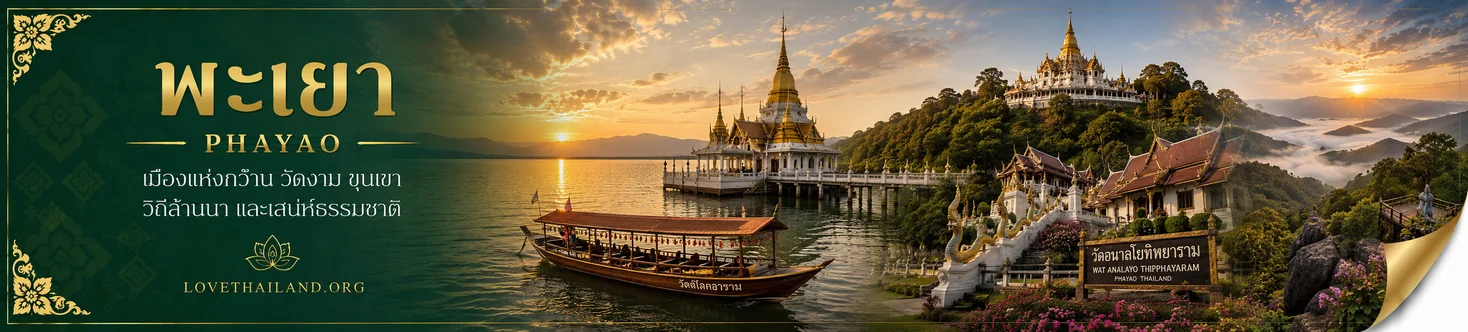
Pang Pu Lo Hill Tribe Village
Open Days: Daily
Opening Hours: Daytime Visits Recommended; Advance Contact Is Recommended For Homestay Stays Or Community Activities
Pang Pu Lo Hill Tribe Village in Phayao Province is a small mountain village hidden quietly in the highland landscape of Mae Chai District. Located in Village No. 13, Si Thoi Subdistrict, this village is home to the Mien or Yao ethnic community and is surrounded by green hills, cool air, fruit orchards, coffee plots, forested slopes, and a peaceful rural atmosphere. Pang Pu Lo is a meaningful destination for travelers who want to experience a slower side of Phayao, where nature, local culture, agriculture, and community-based tourism come together in a quiet highland setting.
Pang Pu Lo is not only a scenic village with cool weather and mountain views. It is also an ecotourism and cultural tourism destination where visitors can learn about the lifestyle of a highland community through homestay experiences, local food, fruit orchards, coffee, handicrafts, and nature-based activities. The charm of the village lies in its authenticity. Instead of large tourist facilities or commercial entertainment, visitors will find simple homes, orchards on the slopes, small cafes, local hosts, and a way of life that remains closely connected to the land, forests, and cultural identity of the Mien people.
The village is set in the mountainous area of Mae Chai District, giving it a cooler climate than the surrounding lowland areas. Travelers approaching the village will pass through rural roads, hill landscapes, orchards, and green natural surroundings. The road gradually leads into a quiet mountain settlement where houses are scattered along the slopes and surrounded by agricultural land. This kind of landscape encourages slow travel. Pang Pu Lo is best experienced by taking time to walk, observe, listen, taste local food, speak with residents, and appreciate the peaceful rhythm of highland life.
The name “Pang Pu Lo” is connected with local stories and village memory. Some accounts mention the older name “Ban Pu Lo,” which gradually changed through local pronunciation until it became known as Pang Pu Lo today. The name is therefore more than a geographical label. It carries traces of local settlement, oral history, and the way people have referred to the village over time. For travelers, understanding the story behind the name helps make the destination more memorable and gives the village a stronger cultural identity.
Most residents of Pang Pu Lo are Mien or Yao people, an ethnic group with distinctive traditions, language, clothing, beliefs, and handicrafts. Mien culture is known for its colorful textiles, detailed needlework, family traditions, ancestral beliefs, and close relationship with highland agriculture. Visiting Pang Pu Lo gives travelers a chance to see a different side of Phayao beyond its temples, lake, and town center. It reveals Phayao as a province of cultural diversity, where mountain communities continue to preserve their identity while adapting to tourism and modern livelihoods.
The cultural life of the Mien community can be seen through many details: clothing, household practices, food, language, family relationships, beliefs, and community activities. Visitors who stay in a homestay or join local activities may experience these cultural elements more closely. They may see how meals are prepared, how orchards are cared for, how families interact, and how the community welcomes travelers during certain periods. These experiences make a visit to Pang Pu Lo more meaningful than simply looking at scenery, because the real value of the village lies in its people and their way of life.
One of the main highlights of Pang Pu Lo is its lychee orchards. Lychee is an important economic crop of Mae Chai District and a well-known fruit of Phayao Province. Mae Chai lychee is appreciated for its aroma, sweetness, and refreshing taste, supported by the area’s climate and highland conditions. During the harvest season, the orchards become especially beautiful, with bright red lychee clusters hanging from the trees. Visitors can walk through the orchards, learn about fruit cultivation, take photographs, and taste fresh lychee directly from local growers when available.
The lychee harvest season brings energy and activity to the village. Local farmers pick, sort, pack, and sell their fruit to buyers and visitors. Travelers who visit during this period can see how the orchard economy works and how much effort is involved in producing quality fruit. In addition to fresh lychee, local residents may also develop processed lychee products to add value to their harvest, such as drinks, sweets, preserved fruit, or seasonal community products. This shows how local agriculture can support both income and tourism.
Besides lychee, Pang Pu Lo also has coffee, tea, and other highland crops. Coffee has become another important attraction for visitors who enjoy slow travel and local flavors. Travelers may stop at a village cafe or homestay to taste local coffee and learn about its journey from plant to cup. Coffee connects agriculture with tourism in a direct and memorable way. A cup of coffee in Pang Pu Lo is not only a drink; it reflects the mountain climate, soil, labor, knowledge, and culture of the community.
Agricultural tourism in Pang Pu Lo is diverse because the village is not built around a single attraction. Visitors may experience lychee orchards, coffee plots, fruit gardens, local food, and mountain farming practices depending on the season. Some periods are suitable for seeing fruit cultivation, while others may offer opportunities to observe coffee, vegetables, or community activities. This seasonal quality gives each visit a different character and encourages travelers to understand the village according to the rhythm of nature.
Homestays are central to the Pang Pu Lo experience. Staying overnight allows travelers to spend more time with the community rather than visiting only briefly. A homestay stay may include local meals, conversations with hosts, early-morning mountain air, simple village routines, and opportunities to learn about orchards, coffee, or culture. Examples of local accommodation in and around Pang Pu Lo include The Fin Home Stay Pang Pu Lo, Pa Gan Tee Pang Pu Lo, and Saeng Sakao Homestay. These places help visitors connect more closely with the village atmosphere.
Homestay travel in Pang Pu Lo is best suited for visitors who want peace, fresh air, mountain views, and meaningful local contact. Travelers should contact accommodation providers in advance because village stays may have limited rooms and some services may depend on season, family availability, or weather conditions. Advance contact also allows hosts to prepare meals, suggest routes, and recommend suitable activities. This is especially important for groups, families, or visitors who want to join community activities rather than simply stay overnight.
Activities in the village can include learning to cook local food, observing traditional textile or handicraft work, walking through lychee orchards, tasting coffee, visiting viewpoints, and exploring nearby nature. Food activities are especially meaningful because highland meals often use ingredients from gardens or nearby farms. Handicraft activities may introduce visitors to the textile traditions of the Mien people, while orchard visits help explain how agriculture shapes daily life. Nature walks, when arranged with local guidance, can help visitors understand the forest, plants, and landscape around the village.
Nature trails and walking routes around Pang Pu Lo are another part of its appeal. The village is located among hills, forested areas, orchards, and small natural features. Some routes may lead to viewpoints, orchard areas, or nearby forest paths. Visitors should ask local residents or homestay hosts before exploring these routes, especially if they are unfamiliar with mountain terrain. Walking with local guidance is safer and also allows visitors to hear stories about plants, orchards, forests, and the community’s relationship with the land.
Prakai Phet Cave is one of the natural attractions associated with the area. Local information describes it as a cave with beautiful formations and sparkling features. Visitors who want to explore this site should check route conditions and local guidance before going, as cave visits depend on safety, access, weather, and community readiness. The presence of Prakai Phet Cave adds another layer to Pang Pu Lo, making it not only a farming and cultural village but also a place with hidden natural attractions in the surrounding mountains.
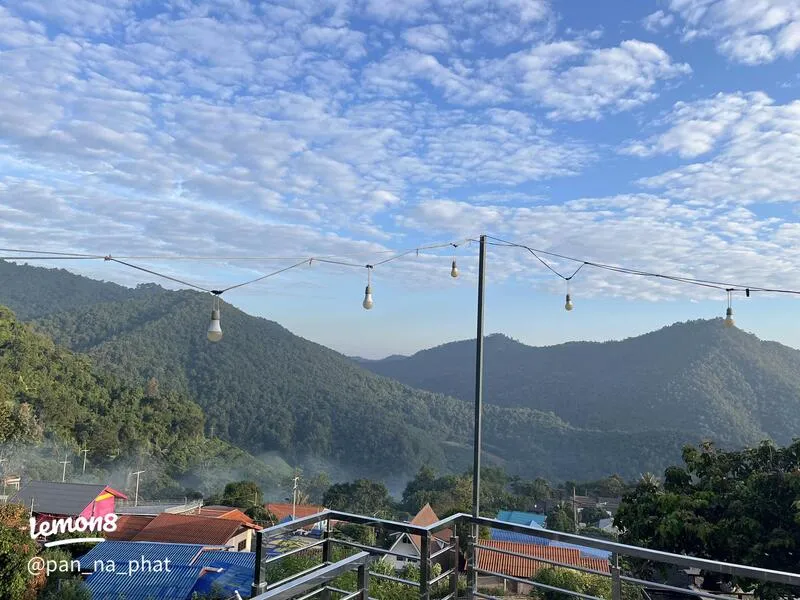
Viewpoints around the village are another reason travelers come to Pang Pu Lo. On cool-season mornings or days with suitable humidity, mist may cover the valleys and orchards below. The sight of houses nestled among green hills gives the village a quiet and intimate feeling. Unlike large commercial viewpoints with heavy crowds, Pang Pu Lo feels small, local, and peaceful. This makes it attractive for travelers who prefer lesser-known places and authentic rural landscapes.
Life in Pang Pu Lo is closely tied to the seasons. The lychee season brings orchard activity and fresh fruit. The coffee season offers another agricultural rhythm. Cool months are suitable for mist, fresh air, and relaxed stays. Community festivals or special local events may show more of the Mien cultural identity through clothing, food, and gatherings. Choosing the best time to visit depends on what travelers want to experience. Those who want lychee should come during the harvest season, while those who want cool weather and mist should consider the late-year to early-year period.
Pang Pu Lo is a destination that should not be rushed. Its value lies in spending time in the village, talking with hosts, listening to local stories, drinking coffee slowly, looking over the hills, and learning about culture in a respectful way. A quick photo stop may miss the deeper character of the village. Travelers who stay for at least half a day, or better still overnight, will understand why Pang Pu Lo is often described as a hidden mountain village in Mae Chai District.
Community tourism in Pang Pu Lo should be based on respect. Visitors should dress appropriately, avoid loud behavior, ask before taking photographs of people, avoid entering private orchards or homes without permission, and never pick fruit without the owner’s consent. These simple actions help protect the dignity and privacy of local residents. A respectful visit also makes the relationship between travelers and the community warmer and more sustainable.
Pang Pu Lo is located in Si Thoi Subdistrict, Mae Chai District, Phayao Province. Travelers can drive from Phayao city toward Mae Chai District and continue into Si Thoi Subdistrict before heading up to the mountain village. Cars can reach the village, but visitors should check road conditions before traveling, especially during the rainy season or foggy periods. Daytime travel is recommended for safety and visibility. A private car or rental car is the most convenient option because it allows travelers to stop at viewpoints, cafes, orchards, and nearby attractions along the way.
Getting There from Phayao city is done by heading toward Mae Chai District, then entering Si Thoi Subdistrict and continuing to Pang Pu Lo, Village No. 13. The distance is suitable for either a day trip or a 1-night stay. From Mae Chai town, the travel time is shorter and can be combined with Nong Leng Sai, Wat Si Umong Kham, local cafes, or lakeside attractions in Phayao city. Travelers staying in a homestay should ask the host for the latest road guidance before departure.
Nearby attractions include natural, cultural, and relaxation sites in Mae Chai District. Nong Leng Sai is an important water body and nature area in Mae Chai, suitable for relaxing before or after visiting the village. Wat Si Umong Kham is a local religious site in Mae Chai, while Kwan Phayao, Wat Si Khom Kham, and lakeside walking areas in Phayao city can be combined with the route. With good planning, Pang Pu Lo can be part of a Phayao itinerary that includes mountains, community life, temples, and the lake.
Nong Leng Sai is a good stop before or after Pang Pu Lo. It offers open scenery, water views, and a relaxed atmosphere. Visiting Nong Leng Sai in the afternoon or evening after descending from Pang Pu Lo gives the trip a pleasant contrast: from a highland ethnic village to a lowland wetland landscape. This combination helps travelers experience different sides of Mae Chai District in one route.
Restaurants and cafes near Pang Pu Lo include village-based food services and cafes, as well as restaurants in Mae Chai town. In the village, some homestays or cafes may provide drinks and meals depending on availability. Around Mae Chai, travelers can find options such as Khrua Nong Leng Sai Mae Chai, Kod Rak Cafe Mae Chai, PunThai Coffee Mae Chai, Hug View Cafe Mae Chai, and local food shops. Since mountain village services may depend on season and visitor numbers, travelers should check opening status before going.
Accommodation in Pang Pu Lo is mainly homestays and community-style stays. Travelers who want to experience the mountain village closely can stay in places such as The Fin Home Stay Pang Pu Lo, Pa Gan Tee Pang Pu Lo, and Saeng Sakao Homestay. Those who prefer roadside resorts or accommodation in Mae Chai town can choose options such as Leng Sai Resort, Baan Manao, or local guesthouses in the district. The best choice depends on the travel style: stay in the village for atmosphere and community experience, or stay in town for easier access to services.
Pang Pu Lo is suitable for families who want nature and cultural learning. Children can see lychee orchards, coffee plants, fruit gardens, and the lifestyle of a Mien community. Adults can rest in a peaceful environment far from city noise. However, because this is a mountain village rather than a fully commercial tourist zone, visitors should plan transportation, food, and accommodation carefully. Good preparation will make the trip safer and more enjoyable.
For photographers, Pang Pu Lo offers many visual opportunities: valley views, houses on the hills, lychee orchards, coffee plots, village roads, morning mist, small cafes, and daily life. Photography in the community should be done respectfully. Ask before photographing people, especially elders, children, or activities inside homes. The best images of Pang Pu Lo are not overly staged; they are the ones that show calmness, authenticity, and respect for local people.
Useful items to bring include a light jacket or warm clothing, comfortable shoes for walking on slopes, a camera, personal medicine, cash for village shops, and personal items for homestay stays. During the lychee season, visitors may want to prepare bags or containers for fruit purchases. During the rainy season, bring rain protection and check road conditions. Those who want to join nature walks should inform homestay hosts or community guides in advance.
A half-day itinerary can start from Phayao city or Mae Chai town in the morning. Drive up to Pang Pu Lo, visit a lychee orchard or local cafe, walk through the village, enjoy viewpoints, and then descend to have lunch or dinner around Mae Chai or Nong Leng Sai. This plan is suitable for travelers with limited time who still want to experience a highland village without staying overnight.
For a 2-day, 1-night itinerary, arrive in the village in the afternoon, check in at a homestay, walk through orchards or visit a local cafe, enjoy the cool evening atmosphere, have a local meal, and rest overnight. The next morning, wake early for mist or soft morning light, visit lychee or coffee areas, then descend toward Nong Leng Sai, Kwan Phayao, or other attractions in the province. This plan is ideal for travelers who want to understand Pang Pu Lo more deeply and experience both evening and morning village life.
The strength of Pang Pu Lo lies in its balance between nature, culture, and agriculture. It has not been shaped into a large-scale tourist attraction. Instead, it has grown from real community life: lychee and coffee cultivation, homestays, hospitality, and the preservation of Mien culture. Visitors will find that community tourism is not always about maximum convenience; sometimes its value lies in understanding real life, place, and people with sincerity.
Pang Pu Lo also adds depth to tourism in Phayao Province. Many travelers know Phayao through Kwan Phayao, Wat Si Khom Kham, Wat Analayo, and the peaceful city area. Pang Pu Lo shows another side of the province: mountain Phayao, ethnic-community Phayao, lychee and coffee Phayao, homestay Phayao, and quiet valley landscapes that remain hidden away from main tourist routes.
Visitors interested in culture should take time to speak with local residents respectfully. The story of Pang Pu Lo lives as much in the people as in the mountain scenery. Listening carefully, asking politely, and respecting cultural differences will make the journey more meaningful. The Mien community has its own ways of life, beliefs, and memories. A visit should be an exchange based on respect, not a view of the community as something exotic for photographs.
In summary, Pang Pu Lo Hill Tribe Village is a suitable destination for travelers who want nature, peace, Mien culture, lychee orchards, coffee, homestays, and genuine highland community experiences. It is not a place to rush through for a quick check-in. It is a village to be seen, heard, tasted, walked through, and learned from slowly. With proper preparation for roads, accommodation, and activities, Pang Pu Lo can offer a warm and memorable experience that large-scale tourist attractions cannot easily provide.
| Name | Pang Pu Lo Hill Tribe Village |
| Location | Village No. 13, Si Thoi Subdistrict, Mae Chai District, Phayao Province |
| Address | Ban Pang Pu Lo, Village No. 13, Si Thoi Subdistrict, Mae Chai District, Phayao 56130, Thailand |
| Highlights | Highland Mien or Yao village with lychee orchards, coffee, homestays, viewpoints, valley scenery, and mountain-community lifestyle |
| History / Background | The village name is associated with the older local name Ban Pu Lo, which gradually became known as Ban Pang Pu Lo. It is a Mien highland community surrounded by forests and mountains, with community-based ecotourism, agriculture, and homestays |
| Name Origin | The name Pang Pu Lo is linked to the local story of the older name “Ban Pu Lo,” which changed through local pronunciation into “Ban Pang Pu Lo” |
| Ethnic Group | Mien or Yao community |
| Distinctive Features | Mountain village in a valley with cool weather, lychee orchards, coffee, tea, homestays, cafes, viewpoints, and nature-learning routes |
| Recommended Activities | Stay in homestays, visit lychee orchards, taste local coffee, learn Mien culture, cook local food, observe handicrafts, walk through nature, and photograph the mountain village scenery |
| Travel Information | From Phayao city, travel toward Mae Chai District, enter Si Thoi Subdistrict, and continue to Ban Pang Pu Lo, Village No. 13. Private car or rental car is recommended, and daytime travel is advised |
| Current Status | An ecotourism, agricultural tourism, and community homestay village in Mae Chai District, Phayao Province |
| Open Days | Daily |
| Opening Hours | Daytime Visits Recommended; Advance Contact Is Recommended For Homestay Stays Or Community Activities |
| Fees | No general admission fee announcement found. Homestay, meals, activities, or local guide services should be checked with local providers in advance |
| Facilities | Homestays, cafes, seasonal food services, lychee orchards, coffee areas, viewpoints, and community activities by advance arrangement |
| Main Areas / Zones | Mien village area, lychee orchards, coffee plots, homestays, cafes, viewpoints, nature routes, and nearby Prakai Phet Cave |
| Caretaker / Related Agencies | Ban Pang Pu Lo Community, Village No. 13, Si Thoi Subdistrict, together with Si Thoi Subdistrict Municipality, Mae Chai District, Phayao Province |
| Local Authority Contact | Si Thoi Subdistrict Municipality, Tel. 054-499-679 / Emergency And Rescue Service, Tel. 054-886-056 |
| Official / Reliable Sources | Si Thoi Subdistrict Municipality, Mae Chai District, Phayao Province, Phayao provincial sources, and Pang Pu Lo community homestay operators |
| Nearby Tourist Attractions | 1. Pang Pu Lo Lychee Orchards, about 0 km 2. Prakai Phet Cave, about 3 km 3. Pang Pu Lo Village Viewpoint, about 1 km 4. Nong Leng Sai, about 18 km 5. Wat Si Umong Kham, Mae Chai, about 20 km 6. Kwan Phayao, about 38 km |
| Nearby Restaurants | 1. Local Cafes And Homestay Kitchens In Ban Pang Pu Lo, about 0 km 2. Khrua Nong Leng Sai Mae Chai, about 18 km, Tel. 082-883-7468, 087-786-2807 3. Kod Rak Cafe Mae Chai, about 20 km 4. PunThai Coffee Mae Chai, about 20 km 5. Hug View Cafe Mae Chai, about 22 km 6. Local Restaurants In Mae Chai District Center, about 20 km |
| Nearby Accommodations | 1. The Fin Home Stay Pang Pu Lo, about 0 km, Tel. 088-691-0769, 062-290-6391 2. Pa Gan Tee Pang Pu Lo, about 0 km 3. Saeng Sakao Homestay, about 1 km, Tel. 065-437-2385, 081-020-9943 4. Leng Sai Resort, about 18 km, Tel. 065-970-2284 5. Baan Manao Mae Chai, about 22 km, Tel. 081-883-0878, 089-892-4252 6. Pete Phet House Mae Chai, about 22 km, Tel. 093-969-6266 |
Frequently Asked Questions (FAQ)
Q: Where is Pang Pu Lo Hill Tribe Village located?
A: Pang Pu Lo Hill Tribe Village is located in Village No. 13, Si Thoi Subdistrict, Mae Chai District, Phayao Province. It is a highland Mien or Yao village with lychee orchards, coffee, homestays, and surrounding mountain nature.
Q: What is interesting about Pang Pu Lo?
A: The village is known for Mien culture, lychee orchards, coffee, homestays, viewpoints, valley scenery, local food, handicrafts, and nature-based community tourism.
Q: When is the best time to visit Pang Pu Lo?
A: Travelers who want to see lychee orchards should visit during the Mae Chai lychee harvest season. Those who prefer cool weather, mountain views, and mist should consider the late-year to early-year period.
Q: Are homestays available in Pang Pu Lo?
A: Yes. Homestays and community-style stays are available, including The Fin Home Stay Pang Pu Lo, Pa Gan Tee Pang Pu Lo, and Saeng Sakao Homestay. Visitors should contact accommodation providers in advance.
Q: Can travelers reach Pang Pu Lo by car?
A: Yes. Cars can reach the village, but travelers should check road conditions before departure, especially during the rainy season or foggy weather. Daytime travel is recommended.
Q: Who is Pang Pu Lo suitable for?
A: It is suitable for travelers who enjoy nature, highland communities, ethnic culture, homestays, fruit orchards, coffee, and peaceful slow travel.
Q: Is there an admission fee for Pang Pu Lo?
A: No general admission fee announcement was found. Homestay costs, meals, community activities, or local guide services should be checked with local providers in advance.
Q: What nearby places can be visited after Pang Pu Lo?
A: Nearby places include Nong Leng Sai, Wat Si Umong Kham in Mae Chai, Kwan Phayao, Wat Si Khom Kham, and other attractions in Mae Chai District and Phayao city.
 Category: ●Suburban Living
 Group: ●Village, Community
Last Update : 4 MonthAgo
 Last Update : 4 MonthAgo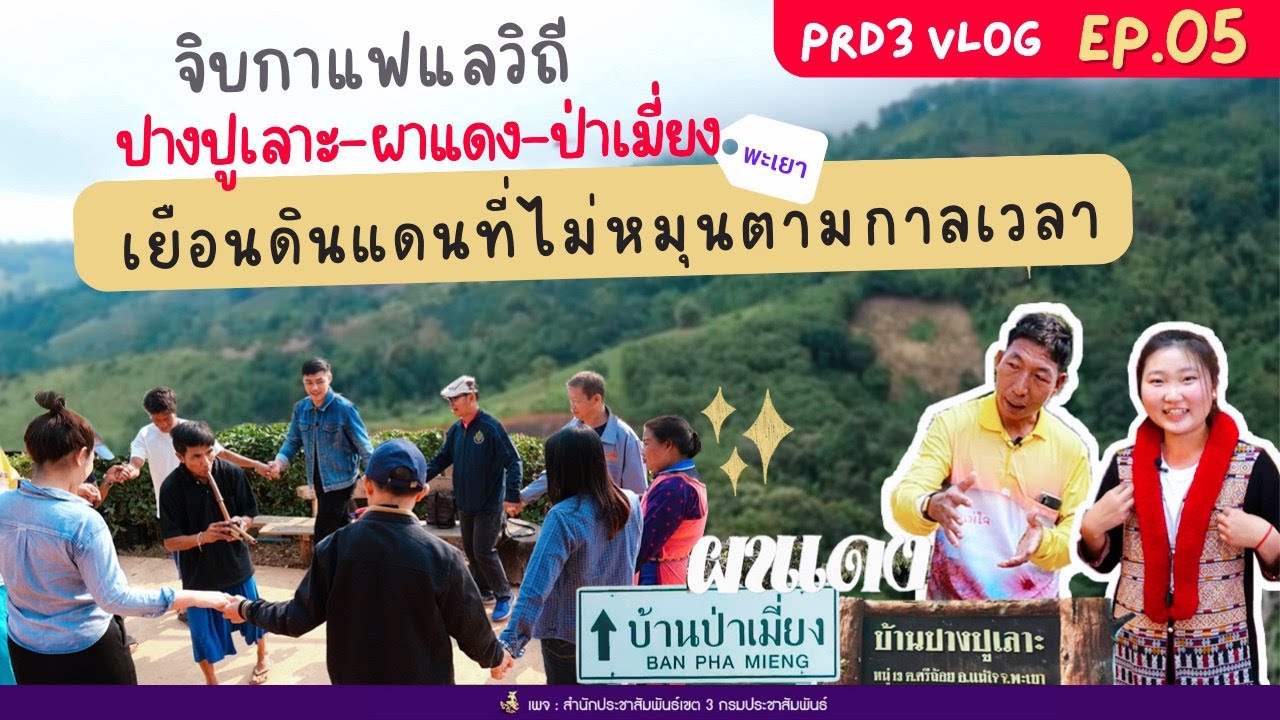
 Click to Access the Navigation Map GPS
Pang Pu Lo Hill Tribe Village Map
Recommend

 Art, Culture and Heritage
 Historical Sites and Monuments(4)
 Landmarks and Memorials(4)
 Art, Craft Centres, Tradition(1)
 Museums(2)
 Places of Worship
 Temple(39)
 Other Sacred Sites(5)
 Research and Development
 Royal Project(1)
Village, Community(2)
Royal Project(1)
Village, Community(2)
 Local Market(4)
 Nature and Wildlife
 National Parks and Marine Reserves(6)
 Mountain (Doi)(2)
 Dam, Reservoir, Lake(11)
 Waterfalls(8)
 Caves(5)
 River, Canal(3)
 Other natural attractions(5)


