
lovethailand home >North Travel Attractions >Phayao Travel Attractions >Chiang Kham >Chiang Ban > Wat Chiang Ban
TL;DR: Wat Chiang Ban is located at Chiang Ban Subdistrict, Chiang Kham District, Phayao Province, open Daily, hours 08.00 – 17.00.
Wat Chiang Ban
Open Days: Daily
Opening Hours: 08.00 – 17.00
Wat Chiang Ban in Phayao Province is located in Chiang Ban Subdistrict, Chiang Kham District. It is an important community temple known for its Tai Lue-inspired architecture, peaceful temple atmosphere, and the annual Tan Tung tradition held during the Songkran festival. For travelers who want to understand Chiang Kham beyond ordinary sightseeing, this temple offers a meaningful encounter with local faith, Tai Lue identity, Buddhist merit-making, and the living traditions of a northern Thai community.
Wat Chiang Ban is suitable for visitors interested in Tai Lue culture, temple architecture, Songkran traditions, local Buddhist rituals, and cultural travel in Phayao. The temple is not defined by grand scale alone. Its value lies in its connection with the community, the continuity of annual traditions, and the way local people continue to use the temple as a place for merit-making, gathering, worship, and cultural memory.
The temple is a community temple under the Mahanikaya Buddhist order. It is located in Moo 3, Chiang Ban Subdistrict, Chiang Kham District, Phayao Province, and was built in 1825. This long history makes Wat Chiang Ban one of the older temples connected with the settlement and religious life of the Chiang Ban community. One of its important sacred objects is a Buddha image in the Chiang Saen style, which reflects the long artistic and spiritual heritage of northern Thailand.
Chiang Ban is both the name of the subdistrict and the local community where the temple stands. The area forms part of the cultural route into Chiang Kham, a district well known for Tai Lue, Tai Yai, Lanna, and local Buddhist traditions. Because the temple is located within the community, Wat Chiang Ban functions as more than a religious building. It is a shared space where people make merit, continue annual rituals, and preserve the identity of the village.
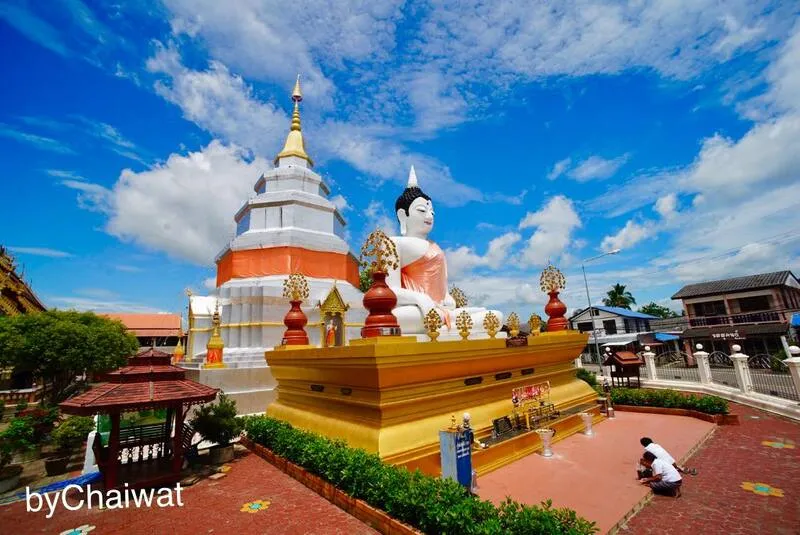
The beauty of Wat Chiang Ban is closely associated with its Tai Lue-style architectural character. The temple buildings show forms and details that reflect local craftsmanship, decorative rhythm, and the refined simplicity often found in Tai Lue religious architecture. Its colors, structure, and visual presence make it a memorable sight for travelers passing through Chiang Ban on the way to Chiang Kham town.
Tai Lue architecture often combines modest scale with careful detail. Rooflines, decorative elements, woodwork, plasterwork, and symbolic forms all work together to express Buddhist faith and community identity. Wat Chiang Ban helps visitors see this cultural identity in a tangible way. Tai Lue culture here is not only described in words; it is present in architecture, ritual, annual festivals, and everyday community life.
The Tai Lue people have cultural roots connected with Sipsongpanna and Lanna. In northern Thailand, Tai Lue communities can be found in provinces such as Phayao, Nan, Chiang Rai, Chiang Mai, Lampang, and Lamphun. Chiang Kham is one of the most important Tai Lue cultural areas in Phayao. Wat Chiang Ban is therefore part of a wider cultural landscape that also includes Wat Saen Mueang Ma, Wat Phra That Sop Waen, Wat Nantaram, and the Tai Lue Cultural Center at Wat Yuan.
The most distinctive annual tradition at Wat Chiang Ban is the Tan Tung ceremony during Songkran. This Tai Lue tradition has been passed down for generations and is admired for its beauty, spiritual meaning, and strong community atmosphere. The tung banners offered and displayed during the festival are not simply colorful decorations. They are Buddhist offerings, symbols of merit, and expressions of remembrance for ancestors and departed family members.
In Lanna and Tai Lue belief, tung banners carry deep religious meaning. Offering a tung is considered an act of merit. It is associated with Buddhist devotion, auspiciousness, and dedication of merit to the deceased. The beauty of the Tan Tung tradition at Wat Chiang Ban therefore comes not only from the visual appearance of the banners, but also from the shared faith of the community and the spiritual meaning woven into each offering.
During Songkran, Wat Chiang Ban becomes especially lively. Local residents gather for merit-making, the temple area is decorated with tung banners, and visitors can see how Buddhist faith, New Year traditions, and Tai Lue identity come together. The festival has attracted attention from visitors and cultural media, and it has also been filmed for tourism and cultural documentaries. This reflects the wider cultural value of the temple and its annual tradition.
Being featured in cultural and travel documentaries shows that Wat Chiang Ban is more than a local temple. It is a cultural site capable of telling the story of Tai Lue life in Chiang Kham to a broader audience. The sight of hanging tung banners, local participation, community rituals, and Songkran merit-making helps visitors understand that Chiang Kham has a strong cultural foundation that remains active in everyday life.
A visit during Songkran offers a different experience from an ordinary day. The temple becomes a living cultural space filled with color, movement, sound, and communal devotion. Visitors can see people preparing offerings, joining religious activities, and preserving the Tan Tung tradition together. This is the best time for travelers who want to experience a real local festival rather than only see temple architecture.
On ordinary days, however, Wat Chiang Ban is also worth visiting. The temple atmosphere is calm and suitable for making merit, paying respect to the Buddha image, and walking slowly around the temple grounds. Visitors interested in local art can take time to observe the building forms, decorative details, and spatial arrangement of the temple without the bustle of festival crowds.
The Chiang Saen-style Buddha image inside the temple is an important sacred object. Chiang Saen art is closely associated with the Buddhist heritage of northern Thailand and reflects the historical depth of Buddhist culture in the region. The presence of such a Buddha image adds both artistic and spiritual value to Wat Chiang Ban, making it an important temple for visitors interested in northern Thai Buddhist art.
The role of monks is also important to the ongoing life of the temple. Wat Chiang Ban is currently led by Phra Khru Wichit Phiphatthana Koson as abbot, with monks residing at the temple. This continuity of monastic presence allows the temple to maintain Buddhist activities, community rituals, and local traditions such as Tan Tung. The temple therefore continues to connect Buddhism, community life, and Tai Lue cultural heritage.
Wat Chiang Ban is located close to several important cultural attractions in Chiang Kham. Travelers can combine it with Wat Saen Mueang Ma, the Tai Lue Cultural Center at Wat Yuan, Wat Nantaram, Wat Phra That Sop Waen, and Wat Phra Nang Din. This route is especially rewarding for travelers who want to understand the cultural diversity of Chiang Kham, including Tai Lue, Tai Yai, Lanna, wooden architecture, old pagodas, and local Buddhist festivals.
In the wider cultural map of Chiang Kham, each temple offers a different perspective. Wat Saen Mueang Ma is known for Tai Lue murals and architecture. Wat Phra That Sop Waen is known for its ancient pagoda and Tai Lue house. Wat Nantaram is known for its Tai Yai-style wooden viharn. Wat Chiang Ban is distinctive for its Tan Tung tradition and Tai Lue architectural character. Visiting these sites together gives travelers a deeper view of Phayao’s cultural richness.
For photography, Wat Chiang Ban offers interesting views of temple architecture, local details, and festival decorations. During Songkran, the hanging tung banners create especially beautiful scenes. Visitors should photograph respectfully, avoid interrupting rituals, and ask permission before taking close photographs of people, especially elders or participants in religious activities.
Visitors should dress modestly when entering Wat Chiang Ban. Clothing should cover shoulders and knees, and behavior inside the temple should be calm and respectful. During the Tan Tung festival, visitors should remember that the event is a merit-making tradition for the community, not only a tourist activity. Respecting local customs makes the visit more meaningful and helps preserve the dignity of the tradition.
Travelers who want to understand the Tan Tung tradition should learn its meaning before visiting. Tung banners come in different forms and sizes. Some are offered as Buddhist devotion, some are connected with dedication of merit, and some are used for auspicious decoration during festivals. Understanding these meanings allows visitors to appreciate the tradition as a spiritual practice rather than only a visual display.
Getting There to Wat Chiang Ban is convenient by private car or local transport. From Phayao city, head toward Chiang Kham District and enter Chiang Ban Subdistrict before reaching Chiang Kham town. The temple is located within the community and is easy to include in a cultural route around Chiang Kham. Travelers arriving by bus can continue from Chiang Kham town or nearby areas by local hired vehicle.
Private car is the most flexible option because it allows travelers to visit several nearby temples in one day. From Wat Chiang Ban, visitors can continue to Wat Saen Mueang Ma, the Tai Lue Cultural Center, Wat Nantaram, and Wat Phra That Sop Waen within a short driving distance. Those staying overnight can choose accommodation in Chiang Ban Subdistrict or Chiang Kham town and spend more time exploring the cultural sites of the district.
The best time to visit Wat Chiang Ban on an ordinary day is in the morning or late afternoon, when the weather is more comfortable and the natural light enhances the details of the temple buildings. For the Tan Tung tradition, visitors should plan around the Songkran festival in April. This is when the temple becomes most visually and culturally vibrant, with merit-making, decorations, and community activities.
As a cultural destination, Wat Chiang Ban is valuable because it clearly connects religion with community life. The temple architecture, Buddha image, monks, Tan Tung tradition, and local participation all reveal how Buddhist faith continues to shape the daily and annual rhythm of the community. It is a temple that should be visited slowly, with attention to both visible beauty and the cultural meaning behind it.
Wat Chiang Ban is therefore one of the meaningful temples to visit in Chiang Kham, Phayao Province. Its significance lies not only in Tai Lue-inspired architecture, but also in the living Tan Tung tradition during Songkran. For travelers who want to experience Phayao through ethnic culture, local faith, community festivals, and northern Thai Buddhist heritage, Wat Chiang Ban is a worthwhile stop to include in a Chiang Kham travel plan.
| Name | Wat Chiang Ban |
| Location | Chiang Ban Subdistrict, Chiang Kham District, Phayao Province |
| Address | Moo 3, Chiang Ban Subdistrict, Chiang Kham District, Phayao 56110, Thailand |
| Coordinates | Latitude 19.51513, Longitude 100.28668 |
| Highlights | Tai Lue-inspired architecture, Tan Tung tradition during Songkran, Chiang Saen-style Buddha image, and peaceful community temple atmosphere |
| History | Built in 1825, Wat Chiang Ban is a community temple under the Mahanikaya Buddhist order and an important temple of Chiang Ban Subdistrict. |
| Distinctive Features | Tai Lue-style religious architecture, visually distinctive temple buildings, and an annual Tan Tung merit-making tradition connected with Songkran |
| Important Tradition | Tan Tung during the Songkran festival, a long-standing Tai Lue tradition associated with Buddhist merit, auspiciousness, and dedication of merit to the departed |
| Sacred Object | Chiang Saen-style Buddha image |
| Travel Information | From Phayao city, head toward Chiang Kham District and enter Chiang Ban Subdistrict before reaching Chiang Kham town. The temple is accessible by private car, motorcycle, or local hired transport. |
| Current Status | Active community temple, local merit-making site, and Tai Lue cultural learning destination in Chiang Kham District |
| Open Days | Daily |
| Opening Hours | 08.00 – 17.00 |
| Facilities | Temple courtyard, worship area, parking space, and nearby restaurants and accommodations in Chiang Ban and Chiang Kham |
| Main Areas / Zones | Viharn, worship area, Chiang Saen-style Buddha image, temple courtyard, and Tan Tung festival area during Songkran |
| Abbot / Caretaker | Phra Khru Wichit Phiphatthana Koson |
| Nearby Tourist Attractions | 1. Wat Saen Mueang Ma, about 3 km 2. Tai Lue Cultural Center at Wat Yuan, about 4 km 3. Wat Nantaram, about 5 km 4. Wat Phra That Sop Waen, about 6 km 5. Wat Phra Nang Din, about 8 km |
| Nearby Restaurants | 1. Chiang Ban Rooftop X Cafe, about 4 km, Tel. 082-030-0717 2. Pa Ko Chiang Kham 1994, about 4 km 3. Kim Hiang Restaurant, about 4 km 4. Lap Mo Yo Lue Restaurant, about 5 km 5. Hotel De One Dee Cafe, about 6 km, Tel. 091-060-9928 |
| Nearby Accommodations | 1. Chiang Kham Hom Hug Resort, about 2 km, Tel. 089-263-1692 2. Chiang Ban Resort, about 3 km, Tel. 054-452-109, 081-952-2071 3. Chiang Kham Ruk Khun Hotel, about 5 km, Tel. 097-389-8998 4. Phu View Place, about 6 km, Tel. 083-519-6445 5. Chiang Kham Grand Villa, about 7 km, Tel. 084-811-5585 |
Frequently Asked Questions (FAQ)
Q: Where is Wat Chiang Ban located?
A: Wat Chiang Ban is located in Moo 3, Chiang Ban Subdistrict, Chiang Kham District, Phayao Province, before reaching Chiang Kham town.
Q: What is Wat Chiang Ban known for?
A: It is known for Tai Lue-inspired architecture, a peaceful community temple atmosphere, a Chiang Saen-style Buddha image, and the Tan Tung tradition during Songkran.
Q: When is the Tan Tung tradition at Wat Chiang Ban held?
A: The Tan Tung tradition is held during the Songkran festival every year.
Q: What does a tung banner mean in this tradition?
A: A tung banner is a Buddhist offering and a symbol of merit, auspiciousness, and dedication of merit to departed family members and ancestors.
Q: How is Wat Chiang Ban connected with Tai Lue culture?
A: The temple reflects Tai Lue culture through its architectural character and the annual Tan Tung tradition preserved by the local community.
Q: What important sacred object is found at Wat Chiang Ban?
A: The temple has a Chiang Saen-style Buddha image, an important sacred object connected with northern Thai Buddhist art.
Q: What nearby attractions can be visited with Wat Chiang Ban?
A: Nearby attractions include Wat Saen Mueang Ma, the Tai Lue Cultural Center at Wat Yuan, Wat Nantaram, Wat Phra That Sop Waen, and Wat Phra Nang Din.
Q: How can travelers get to Wat Chiang Ban?
A: From Phayao city, travel toward Chiang Kham District and enter Chiang Ban Subdistrict. The temple is accessible by private car, motorcycle, or local hired transport.
 Category: ●Places of Worship
 Group: ●Temple
Last Update : 3 MonthAgo
 Last Update : 3 MonthAgo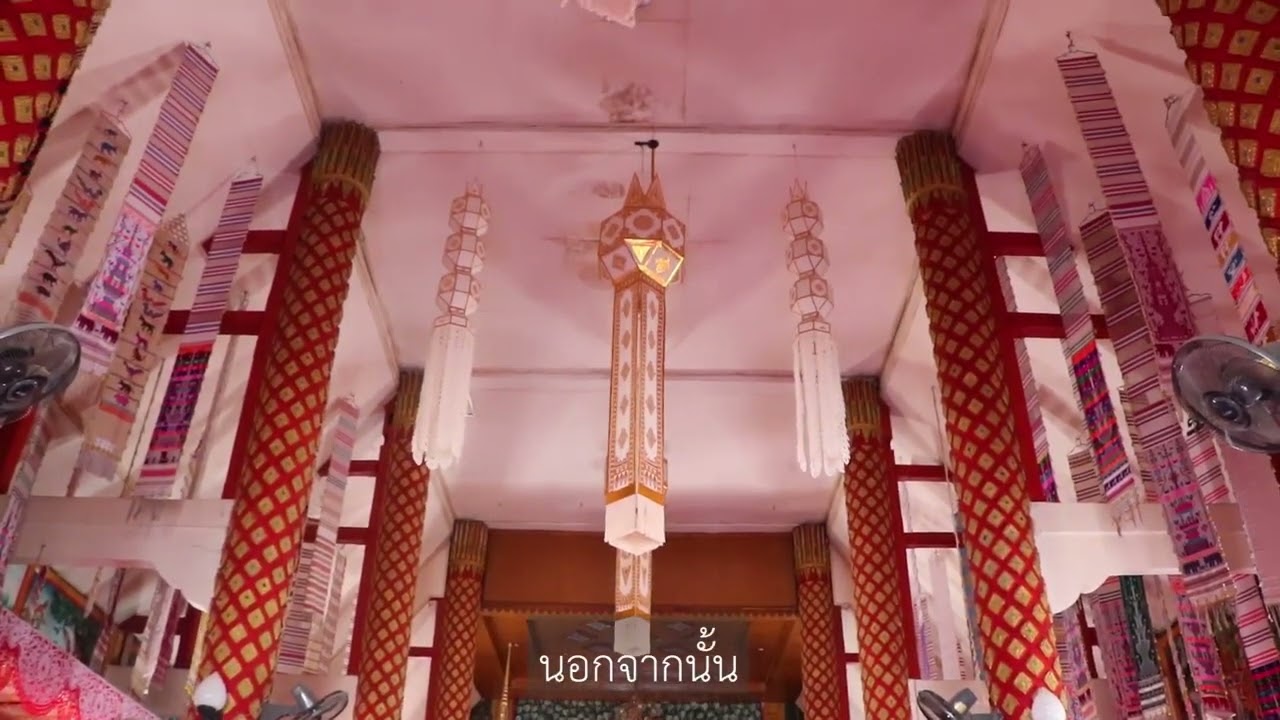
 Click to Access the Navigation Map GPS
Wat Chiang Ban Map
Recommend

 Art, Culture and Heritage
 Historical Sites and Monuments(4)
 Landmarks and Memorials(4)
 Art, Craft Centres, Tradition(1)
 Museums(2)
Temple(39)
Museums(2)
Temple(39)
 Other Sacred Sites(5)
 Research and Development
 Royal Project(1)
 Suburban Living
 Village, Community(2)
 Local Market(4)
 Nature and Wildlife
 National Parks and Marine Reserves(6)
 Mountain (Doi)(2)
 Dam, Reservoir, Lake(11)
 Waterfalls(8)
 Caves(5)
 River, Canal(3)
 Other natural attractions(5)


