
lovethailand home >North Travel Attractions >Phayao Travel Attractions >Chun >Lo > Fish Breeding Ground
TL;DR: Fish Breeding Ground is located at Opposite Wat Tom Dong, Ban Tom Dong, Ban Tom Subdistrict, Mueang Phayao District, Phayao Province, open Daily, hours 08.00 – 17.00.

Fish Breeding Ground
Open Days: Daily
Opening Hours: 08.00 – 17.00
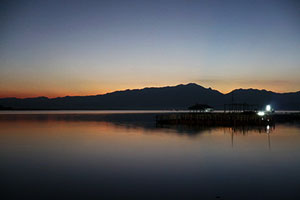
Fish Breeding Ground is a community-based freshwater fish breeding and conservation area located in front of Wat Tom Dong, Ban Tom Dong, Ban Tom Subdistrict, Mueang Phayao District. The site is known as a no-fishing sanctuary where freshwater fish are protected, allowed to live safely, and able to reproduce in a peaceful waterside environment. Its most important identity is the conservation of local freshwater fish, especially pla khao or pla khao khao, a large freshwater fish associated with the Ing River basin and the wider aquatic ecosystem of Phayao. For travelers, Wang Matcha Park is not only a place to watch fish and relax near a temple; it is also a small but meaningful learning space where visitors can understand how a temple, a community, a water source, and native fish can coexist through local conservation.
The area in front of Wat Tom Dong functions as both a fish sanctuary and a local leisure space. The community protects this water area under the concept of compassion, merit-making, and respect for living creatures. By designating the site as a no-fishing zone, fish can grow, gather, and reproduce without being disturbed by fishing activities. This makes the park valuable not only for nature but also for the local community. It gives residents a peaceful place to rest, helps children learn about aquatic life, and encourages visitors to see fish as part of a shared ecosystem rather than only as a food resource.
Wang Matcha Park has a simple appearance, but its meaning is deep. It represents a form of community conservation that does not require grand facilities or large-scale development. Instead, it depends on local rules, shared responsibility, and respect for the temple area. Visitors who come here can see fish swimming together in the protected water, experience the quiet atmosphere near Wat Tom Dong, and observe how the people of Ban Tom Dong help preserve a small but important freshwater habitat. This makes the park suitable for travelers who want to see a quieter side of Phayao beyond the main tourist landmarks.
The name “Wang Matcha” reflects the character of the place. In Thai, “matcha” means fish, while “wang” can refer to a deeper water area, pool, or natural section of water where fish gather. Together, the name suggests a water area rich with fish. This meaning closely matches the park’s role as a fish breeding and conservation site. The name is therefore not just a tourism label; it describes the actual nature of the place and the intention of the community to protect fish in the water area in front of the temple.
The most important feature of Wang Matcha Park is its status as a no-fishing zone. When fish are not caught in the area, small fish have a safer place to grow, larger fish can use the water as a refuge, and the freshwater ecosystem can remain healthier. A protected area like this also helps visitors understand the value of fish as living creatures within an ecosystem. The park therefore connects environmental conservation with community ethics and the Buddhist idea of non-harm.
Pla khao, also known as pla khao khao, is one of the key freshwater fish associated with the story of Wang Matcha Park. It is a large freshwater fish with a long body, scaleless skin, a wide mouth, and a predatory role in freshwater habitats. This type of fish is part of the ecological memory of northern Thailand’s waterways, including the Ing River basin, Kwan Phayao, and nearby wetlands. In the past, large freshwater fish were more commonly found in natural water systems, but changes in habitats, reduced spawning areas, and fishing pressure have made such fish more vulnerable. A temple-front fish sanctuary like Wang Matcha Park helps create a safe refuge for native freshwater species at the community level.
The Ing River basin is one of the important freshwater systems of northern Thailand. It is connected to the landscapes of Phayao and Chiang Rai and supports communities, farmland, wetlands, and local fish species. Fish in the Ing River basin are not only part of local food culture; they are also tied to traditional knowledge, seasonal rhythms, and the daily life of riverside communities. By highlighting pla khao in the context of Wang Matcha Park, the story of this small attraction becomes connected to a much larger ecological system that has shaped life in Phayao for generations.
Wang Matcha Park serves as an outdoor classroom for visitors. People can learn by observing real fish in a protected water area, seeing how fish gather when they are not disturbed, and understanding how a community rule can create visible results. This kind of learning is especially suitable for children, students, families, and anyone interested in nature. Instead of reading about conservation in abstract terms, visitors can see how a simple no-fishing zone helps protect aquatic life in a real local setting.
For travelers, Wang Matcha Park is an easy and meaningful stop during a Phayao trip. It is suitable for those exploring areas around Kwan Phayao, Wat Si Khom Kham, Ban Tom, and nearby temples. The park is not crowded or commercial. Its appeal comes from its peaceful atmosphere, the presence of fish, and its close connection to the local community. A short visit is enough to appreciate the site, but travelers who enjoy slow travel may find it rewarding to spend more time observing the water, taking photographs, and relaxing near the temple.
Visitors should always remember that Wang Matcha Park is a conservation area. Fish should not be caught, disturbed, or harmed. Visitors should not throw waste or foreign objects into the water, and fish feeding should be done only in an appropriate and moderate manner. Excessive feeding can affect water quality and fish health. Responsible behavior is part of the visit. By following the local rules, travelers help preserve the park as a fish breeding and conservation site for the community.
Wat Tom Dong, located opposite the park, is an important landmark and part of the identity of Wang Matcha Park. Many temple-front fish sanctuaries in Thailand are closely connected to Buddhist values such as compassion, non-harm, and merit-making. In this context, the protected fish area in front of Wat Tom Dong links spiritual practice with environmental care. It shows how local temples can support community conservation not through large programs but through everyday respect for life and shared public space.
The surrounding atmosphere of Ban Tom Dong is quiet and local. Visitors can experience a simple community setting with a temple, water, fish, and a calm environment. This simplicity is one of the main values of the place. It allows travelers to slow down, notice small details, and experience Phayao in a softer and more intimate way. Watching fish in the water, sitting quietly for a short while, and observing the local setting can make a trip feel more thoughtful than a quick visit to a major landmark alone.
Wang Matcha Park also fits well with Phayao’s wider identity as a province of water, temples, history, and local life. Phayao is widely known for Kwan Phayao, Wat Si Khom Kham, and its historic urban landscape, but small sites like Wang Matcha Park help complete the picture. They show how water is not only a scenic backdrop but also part of everyday community life. The park gives travelers a chance to see a smaller water-based conservation area that local people continue to protect.
From a conservation perspective, pla khao gives the park a stronger ecological story. This large freshwater fish depends on healthy water systems and suitable habitats. Its presence in local conservation narratives helps visitors understand that freshwater fish are not always abundant or secure. Some species are sensitive to habitat change and human pressure. A no-fishing sanctuary therefore plays an important role in preserving fish diversity, especially in areas connected to significant river basins such as the Ing River system.
The convenient location of Wang Matcha Park makes it easy to include in many travel routes. Travelers staying in Phayao city or near Kwan Phayao can reach the park by private car, rental car, or local hired transport. The easiest landmark to use is Wat Tom Dong in Ban Tom Dong. Once visitors arrive at the temple area, Wang Matcha Park can be found directly opposite the temple. The route is straightforward and suitable for a short stop or a half-day trip around Mueang Phayao District.
Getting There from Phayao city is simple. Travel toward Ban Tom Subdistrict and use Wat Tom Dong as the main landmark. Wang Matcha Park is located directly opposite the temple. The trip from central Phayao or the Kwan Phayao area does not take long, making it suitable for travelers driving themselves or using local hired transport. Morning and late afternoon are the best times to visit because the weather is more comfortable, the light is suitable for photography, and visitors can spend time watching the fish without rushing.
A practical half-day itinerary can begin at Wang Matcha Park in the morning. Visitors can watch the fish, take photographs, and learn about the temple-front conservation area before continuing to Wat Si Khom Kham to pay respect to Phra Chao Ton Luang. After that, travelers can continue to Kwan Phayao and the Pho Khun Ngam Mueang Monument. This route offers a calm mix of nature, community conservation, Buddhist heritage, and lakeside scenery within one comfortable day.
Wat Si Khom Kham is one of the most important temples in Phayao and is a suitable nearby attraction to combine with Wang Matcha Park. The temple is associated with Phra Chao Ton Luang, a revered Buddha image of the province. Traveling from Wang Matcha Park to Wat Si Khom Kham is convenient, allowing visitors to continue from a quiet fish conservation site to one of Phayao’s major spiritual landmarks.
Kwan Phayao is another meaningful destination to visit together with Wang Matcha Park. Both places are connected to water, fish, and the way of life in Phayao, but they differ in scale. Kwan Phayao is the province’s iconic lake and one of its most recognized landmarks, while Wang Matcha Park is a smaller community conservation area in front of a temple. Visiting both places in the same day helps travelers understand Phayao’s relationship with water at both landscape and community levels.
The Pho Khun Ngam Mueang Monument adds a historical dimension to the route. After learning about local fish conservation at Wang Matcha Park, travelers can visit the monument near Kwan Phayao to connect the trip with the history of the old city of Phayao, also known historically as Phukamyao. This combination gives the journey more depth by linking nature, community, and history.
Wat Tilok Aram is an ancient temple site in Kwan Phayao and is interesting for travelers who want to understand the historical and cultural layers of the province. When paired with Wang Matcha Park, it reveals the importance of water in different ways: as a habitat for fish, as a community resource, and as a historical landscape preserving traces of Phayao’s past.
Wat Analayo Thipphayaram is another recommended attraction for travelers who want to end the day with a hilltop temple and broad views of Phayao. From the temple-front water area of Wang Matcha Park to the elevated setting of Wat Analayo Thipphayaram on Doi Busarakham, visitors can experience two very different sides of Phayao: a quiet community fish sanctuary and a scenic religious site overlooking the province.
For food and cafes, the Ban Tom and Kwan Phayao areas offer several convenient options after visiting Wang Matcha Park. Travelers can stop at Microroast, Phayao Coffee Roaster, THREE TWO CAFE Him Kwan, Aurora Restaurant Phayao, or PREMM CAFE. Cafes near Ban Tom are suitable for a light break, while restaurants closer to the city and lakeside area are convenient for a full meal after sightseeing.
For accommodation, travelers who prefer to stay near Ban Tom can choose lodging in the Ban Tom or lakeside area, such as Naga Tara Resort. Those who want easier access to multiple attractions in Phayao city can consider M2 Hotel Waterside, ABIZZ Hotel KwanPhayao, B2 Phayao Boutique & Budget Hotel, or Phayao Gateway Hotel. Staying in or near Phayao city makes it easy to plan a route that includes Wang Matcha Park, Kwan Phayao, important temples, restaurants, and cafes.
The best time to visit Wang Matcha Park is in the morning or late afternoon. Morning visits offer a fresh and peaceful atmosphere, while late afternoon visits are suitable before continuing to the lakeside area of Kwan Phayao. During the rainy season, travelers should prepare an umbrella or raincoat and be careful around wet waterside areas. During the hot season, drinking water, a hat, or sun protection is useful because some areas are outdoors.
Visitors should behave respectfully because the park is located near a temple and functions as a conservation area. They should keep the area quiet, avoid littering, stay out of the water, avoid catching or disturbing fish, and respect the local community. Polite behavior helps preserve the peaceful atmosphere of Wang Matcha Park and allows the site to continue serving as a place of relaxation and learning for future visitors.
Wang Matcha Park is also suitable as a learning site for schools or youth groups in Phayao. It connects several topics in one place, including freshwater ecosystems, fish conservation, the role of temples in community life, the importance of the Ing River basin, and responsible tourism. Seeing fish living safely in a protected water area helps learners understand conservation more clearly and may encourage similar care for other local water sources.
For general travelers, Wang Matcha Park adds detail and meaning to a Phayao itinerary. Many visitors already know Phayao through Kwan Phayao, Wat Si Khom Kham, and Wat Analayo Thipphayaram, but a stop at Wang Matcha Park reveals another side of the province: community conservation, temple-front ecology, and the relationship between people and fish. This small site can make a journey feel more grounded and memorable, especially for travelers who enjoy quiet natural places with a local story.
In summary, Wang Matcha Park in Phayao Province is a temple-front freshwater fish breeding and conservation area with strong community value. Its highlights include its no-fishing status, its role in protecting freshwater fish, especially pla khao associated with the Ing River basin, and its peaceful location opposite Wat Tom Dong. The park is easy to reach from Phayao city and suitable for travelers who want to relax, observe fish, learn about conservation, and experience a quieter side of Phayao. When visited respectfully, Wang Matcha Park remains a safe habitat for fish, a learning space for the community, and a meaningful stop for visitors to Phayao.
| Name | Wang Matcha Park, Phayao Province |
| Location | Opposite Wat Tom Dong, Ban Tom Dong, Ban Tom Subdistrict, Mueang Phayao District, Phayao Province |
| Address | Ban Tom Dong, Ban Tom Subdistrict, Mueang Phayao District, Phayao 56000, Thailand |
| Coordinates | 19.19506, 99.82713 |
| Highlights | Temple-front freshwater fish breeding and conservation area, no-fishing sanctuary, and learning site for pla khao in the Ing River basin ecosystem |
| Distinctive Features | A peaceful waterside area in front of a temple where many fish gather, suitable for fish watching, relaxation, photography, and learning about community-based aquatic conservation |
| Importance | A freshwater fish conservation area, especially for pla khao or pla khao khao, a native freshwater fish associated with the Ing River basin and important to local aquatic biodiversity |
| Name Origin | The name refers to a water area where many fish gather, matching its role as a fish breeding and conservation site |
| Travel Information | Travel from Phayao city toward Ban Tom Subdistrict and use Wat Tom Dong as the main landmark. Wang Matcha Park is directly opposite the temple and is best reached by private car, rental car, or local hired transport |
| Current Status | Open as a community leisure attraction, fish breeding area, and freshwater fish conservation site |
| Open Days | Daily |
| Opening Hours | 08.00 – 17.00 |
| Facilities | Fish viewing area, waterside resting area, photo spots, and nearby community space around Wat Tom Dong |
| Main Areas / Zones | Fish viewing area, temple-front fish conservation area, waterside area, and community area connected to Ban Tom Dong |
| Caretaker | Ban Tom Dong community together with Wat Tom Dong and local authorities |
| Main Contact Number | Phayao Municipality Tourist Information Center, Tel. 054-072206 ext. 129 / 134 |
| Nearby Tourist Attractions | 1. Wat Tom Dong, about 0.1 km 2. Wat Si Khom Kham, about 3 km 3. Kwan Phayao, about 4 km 4. Pho Khun Ngam Mueang Monument, about 5 km 5. Wat Tilok Aram, about 6 km 6. Wat Analayo Thipphayaram, about 18 km |
| Nearby Restaurants | 1. Microroast, about 3 km, Tel. 087-657-9225, 097-983-7126 2. Phayao Coffee Roaster, about 3 km, Tel. 087-433-9449 3. THREE TWO CAFE Him Kwan, about 4 km, Tel. 061-626-1524 4. Aurora Restaurant Phayao, about 5 km, Tel. 054-410-065, 093-136-6655 5. PREMM CAFE, about 6 km, Tel. 088-318-9669 |
| Nearby Accommodations | 1. Naga Tara Resort, about 3 km, Tel. 054-430-838 2. M2 Hotel Waterside, about 5 km, Tel. 063-164-7824, 054-070-587 3. ABIZZ Hotel KwanPhayao, about 6 km, Tel. 062-941-6228, 054-431-995, 054-431-959 4. B2 Phayao Boutique & Budget Hotel, about 6 km, Tel. 052-009-161, 088-263-2897 5. Phayao Gateway Hotel, about 7 km, Tel. 063-696-2249, 054-411-333 |
Frequently Asked Questions (FAQ)
Q: Where is Wang Matcha Park located?
A: Wang Matcha Park is located opposite Wat Tom Dong in Ban Tom Dong, Ban Tom Subdistrict, Mueang Phayao District, Phayao Province.
Q: What is the main highlight of Wang Matcha Park?
A: Its main highlight is that it is a temple-front freshwater fish breeding and conservation area, especially connected with pla khao or pla khao khao in the Ing River basin ecosystem.
Q: What are the opening days and hours of Wang Matcha Park?
A: The park is open daily from 08.00 to 17.00.
Q: Can visitors catch fish at Wang Matcha Park?
A: No. Fishing is not allowed because the area is a protected fish sanctuary and a community conservation site.
Q: Why is pla khao important to Wang Matcha Park?
A: Pla khao is a large freshwater fish associated with the Ing River basin and local freshwater biodiversity. Conserving this fish helps protect the ecological value of Phayao’s water systems.
Q: Who should visit Wang Matcha Park?
A: The park is suitable for families, children, older visitors, nature lovers, and travelers interested in fish conservation and community-based water management.
Q: How can travelers get to Wang Matcha Park?
A: Travel from Phayao city toward Ban Tom Subdistrict and use Wat Tom Dong as the main landmark. The park is directly opposite the temple.
Q: What nearby attractions can be visited together with Wang Matcha Park?
A: Nearby attractions include Wat Tom Dong, Wat Si Khom Kham, Kwan Phayao, Pho Khun Ngam Mueang Monument, Wat Tilok Aram, and Wat Analayo Thipphayaram.
 Category: ●Nature and Wildlife
 Group: ●Other natural attractions
Last Update : 4 MonthAgo
 Last Update : 4 MonthAgo
Recommend

 Art, Culture and Heritage
 Historical Sites and Monuments(4)
 Landmarks and Memorials(4)
 Art, Craft Centres, Tradition(1)
 Museums(2)
 Places of Worship
 Temple(39)
 Other Sacred Sites(5)
 Research and Development
 Royal Project(1)
 Suburban Living
 Village, Community(2)
 Local Market(4)
 National Parks and Marine Reserves(6)
 Mountain (Doi)(2)
 Dam, Reservoir, Lake(11)
 Waterfalls(8)
 Caves(5)
 River, Canal(3)
Other natural attractions(5)
River, Canal(3)
Other natural attractions(5)


