
lovethailand home >North Travel Attractions >Phayao Travel Attractions >Chun >Lo > Wiang Lo Archaeological Site
TL;DR: Wiang Lo Archaeological Site is located at Ban Wiang Lo, Lo Subdistrict, Chun District, Phayao Province, open Daily, hours Exterior Viewing Is Possible Throughout The Day; Daytime Visits Are Recommended.

Wiang Lo Archaeological Site
Open Days: Daily
Opening Hours: Exterior Viewing Is Possible Throughout The Day; Daytime Visits Are Recommended
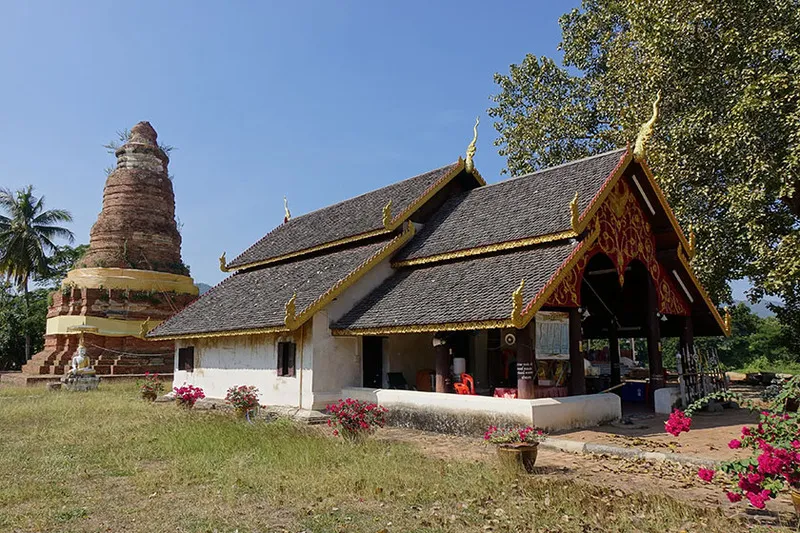
Wiang Lo Archaeological Site in Phayao Province is an important ancient town in the Ing River basin. Located in Lo Subdistrict, Chun District, this historic site preserves traces of an old settlement with city walls, moats, earthen embankments, old temple remains, stupa bases, sandstone Buddha images, and archaeological evidence that reflects the former prosperity of a community in northern Thailand. Wiang Lo is not only a group of ruins. It is a cultural landscape that connects settlement, Buddhism, agriculture, water management, and the historical development of Phayao.
The location of Wiang Lo near the Ing River is central to its importance. Ancient communities often developed near rivers because water supported farming, daily life, transport, trade, and ritual activities. The landscape of Wiang Lo shows how earlier people selected a settlement area with fertile land, reliable water, and natural routes connecting nearby communities. This relationship between town and river helps explain why Wiang Lo could grow into a large and significant ancient community.
One of the most distinctive features of Wiang Lo is its ancient town plan. The site preserves traces of moats, earthen ramparts, brick structures, and old city boundaries. The total length of the city wall system is approximately 2,750 meters. This shows that the ancient community had a clear understanding of urban planning and landscape organization. Moats and walls were not only defensive features. They also marked the sacred and social boundary of the city, helped manage water, and expressed the structure of an organized settlement.
The four city gates of Wiang Lo reflect the symbolic and practical thinking of ancient Lanna urban planning. A city was not only a place to live. It was a carefully organized space with directions, entrances, ritual meaning, and social order. Each gate may have served transport, trade, defense, and ceremonial purposes. Visitors should therefore look at Wiang Lo as an entire urban system rather than as separate ruins scattered across the area.
The interior of Wiang Lo is a lowland area suitable for settlement and agriculture. This environment would have supported long-term residence and food production. The discovery of many old temple remains, stupa bases, and sandstone Buddha images shows that Buddhism played a major role in the community. Religious structures in ancient towns were not only places of worship. They were also centers of education, art, memory, community gathering, and merit-making.
The sandstone Buddha images found in the Wiang Lo area are especially valuable because they help reveal the artistic taste and religious devotion of the old community. Sandstone carving requires skill and careful technique. These images reflect Buddhist faith and the craftsmanship of local artisans, while also showing stylistic connections with Lanna and Lan Xang art traditions. Details such as facial features, robes, posture, and carving style help scholars and visitors understand the cultural networks of the period.
The old temple remains inside Wiang Lo confirm that the city once had a strong religious life. In the past, temples served many functions. They were ritual centers, places of learning, artistic spaces, and gathering points for local people. The presence of several deserted temples and stupa bases indicates that Wiang Lo had a substantial population and a strong network of Buddhist patrons. When visitors see brick foundations or ruined mounds today, they are looking at spaces that were once full of monks, residents, ceremonies, and daily life.
Archaeological work at Wiang Lo has also revealed evidence below the later city-wall level. Excavation beneath the wall area found human burials from a late prehistoric Metal Age culture, including extended burials and grave goods. This evidence shows that the area was used long before the later historic town developed. Wiang Lo is therefore important not only as a Lanna-period ancient town, but also as a place with deeper layers of human occupation.
The burial evidence helps expand the understanding of earlier society in the area. Objects placed with the dead and differences in burial goods may reflect beliefs about the afterlife, social status, or economic differences within the community. Such evidence makes Wiang Lo more than an architectural site. It is also a place where the life, death, beliefs, and social organization of ancient people can be studied.
Wiang Lo is closely connected with the wider history of Phukamyao and Lanna culture in Phayao. Ancient towns in this region were linked through rivers, trade routes, religious networks, political relationships, and cultural exchange. Wiang Lo helps visitors understand Phayao beyond Kwan Phayao and the present city center. It reveals another historical layer of the province: the Ing River basin as a place of settlement, belief, and urban development.
Today, Wiang Lo has a quiet atmosphere surrounded by local community life and rural landscapes. Visitors can walk through the archaeological area, observe moats and embankments, see ruined temple bases, read information signs, and imagine the old city that once stood here. The site is best suited for travelers who enjoy history, archaeology, Lanna culture, and slow exploration rather than entertainment-focused attractions.
Excavation and conservation work have helped make parts of Wiang Lo easier to understand. Some remains have been studied and presented with supporting information, allowing visitors to connect the visible ruins with their historical meaning. This is important because ancient urban sites can be difficult to read without context. What appears as a mound, wall, or brick base may in fact represent an old temple, a defensive line, a sacred structure, or a part of the city plan.
For visitors interested in ancient urban planning, Wiang Lo is a valuable field site. The relationship between the moat, wall, earthen embankment, lowland interior, temple locations, and river environment shows how the city functioned as a complete landscape. Understanding the whole plan helps visitors see that Wiang Lo was not a random collection of structures. It was a planned settlement shaped by water, belief, agriculture, and security.
The Ing River is essential to the story of Wiang Lo. The river supported settlement and helped connect communities across the region. Ancient towns near rivers show that people in the past understood water systems and adapted to them. Preserving Wiang Lo therefore also means preserving the memory of how people lived with water, land, and seasonal change in the northern landscape.
Visitors should allow at least 1–2 hours to explore the main areas of Wiang Lo. Those who want to study the city wall, moat, temple remains, and landscape more carefully may need more time. Comfortable walking shoes, a hat, drinking water, and sun protection are recommended. Morning and late afternoon are the best times to visit because the weather is cooler and the light is better for viewing the landscape.
Getting There is easiest by private car or rental car. From Phayao city, travel toward Chun District, then continue to Lo Subdistrict and Ban Wiang Lo. The distance from Phayao city is about 70 km, depending on the route. Visitors can use navigation to Wiang Lo Archaeological Site or Wiang Lo Subdistrict Municipality. From central Chun District, the distance is shorter, and it is easy to combine the visit with restaurants and other local sites in the district.
A suitable itinerary is to visit Wiang Lo in the morning, explore the ancient city area, then have lunch in Chun District before continuing to nearby temples or natural attractions. Travelers with more time can continue toward Chiang Kham District or return to Phayao city for an evening by Kwan Phayao. Because distances between attractions in this part of the province can be significant, planning the route in advance is useful.
Ban Wiang Lo is a living community with deep historical and cultural roots. Local people live alongside the ancient remains and the Ing River. This relationship makes Wiang Lo different from an isolated archaeological park. It is a heritage area within a real community. Visitors should respect local homes, agricultural areas, and community spaces. Responsible behavior helps preserve both the archaeological remains and the quality of life of local residents.
Nearby attractions that can be combined with Wiang Lo include Wat Si Ping Mueang, the Ing River landscape, Wat Phra That Khing Kaeng, central Chun District, Chiang Kham District, Doi Phu Nang National Park, and Kwan Phayao. Travelers interested in broader historical and natural routes can combine ancient town heritage with temples, river scenery, and northern rural landscapes.
Restaurants near Wiang Lo are mostly found in Chun District and along nearby routes. Options include local noodle shops, cafés, northern Thai restaurants, and small community eateries. Phan Saen Boat Noodles Rangsit, Hug Man Fresh Coffee, PALMS Cafe & Bistro, Eve Coffee And Milk, and other local shops in Chun District can serve as practical meal stops before or after visiting the archaeological site.
Accommodation near Wiang Lo includes local stays in Chun District, hotels in Chiang Kham District, and hotels in Phayao city. Travelers who want to stay close to Wiang Lo can choose accommodation in Chun. Those who want more hotel choices may stay in Chiang Kham or Phayao city and visit Wiang Lo as a day trip. The best option depends on the travel plan. Chun is convenient for the archaeological site, while Phayao city is better for visitors who also want to explore Kwan Phayao.
Visitors should protect the site carefully. Do not climb on walls, stupa bases, or ancient structures. Do not scratch, write, dig, or remove bricks or objects. Do not drive into areas not intended for vehicles. Archaeological remains cannot be replaced once damaged. Respecting the site ensures that Wiang Lo can continue to serve as a learning resource for future generations.
Wiang Lo is ideal for students, history enthusiasts, Lanna culture researchers, and travelers who want to understand Phayao more deeply. Seeing the actual site makes it easier to understand ancient urban planning, moats, walls, Buddhist structures, settlement patterns, and the relationship between community and river. It is an outdoor classroom that connects the present with the ancient past in a direct and meaningful way.
In summary, Wiang Lo Archaeological Site is one of the most important heritage places in Phayao Province and the Ing River basin. It preserves evidence of an ancient town with moats, walls, embankments, city gates, religious remains, sandstone Buddha images, and deeper layers of prehistoric occupation. A visit to Wiang Lo is not simply a walk through ruins. It is a journey through the memory of an old civilization that still speaks through earthworks, brick remains, sacred spaces, and the quiet landscape of Lo Subdistrict.
| Name | Wiang Lo Archaeological Site |
| Location | Ban Wiang Lo, Lo Subdistrict, Chun District, Phayao Province |
| Address | Wiang Lo Archaeological Site, Ban Wiang Lo, Moo 11, Lo Subdistrict, Chun District, Phayao 56150, Thailand |
| Approximate Coordinates | 19.449882, 100.094399 |
| Highlights | Ancient town in the Ing River basin with moats, city walls, earthen embankments, city gates, deserted temples, stupa bases, sandstone Buddha images, and important archaeological remains |
| History | An ancient town more than 900 years old, with archaeological evidence ranging from late prehistoric Metal Age occupation to the historic Lanna-period urban settlement |
| Name Origin | The name Wiang Lo is connected with Ban Wiang Lo and Lo Subdistrict. In northern Thai context, “wiang” refers to a town enclosed by moats, walls, or embankments |
| Distinctive Features | Ancient town plan with moats, earthen embankments, and walls measuring about 2,750 meters in total, with four city gates and numerous archaeological remains inside and around the settlement |
| Travel Information | From Phayao city, travel to Chun District, then continue to Lo Subdistrict and Ban Wiang Lo. The distance is about 70 km from Phayao city. Private car, rental car, or motorcycle is recommended |
| Current Status | Open as an archaeological and historical learning site in Chun District. Visitors should walk carefully and respect the local community |
| Open Days | Daily |
| Opening Hours | Exterior Viewing Is Possible Throughout The Day; Daytime Visits Are Recommended |
| Fees | No Admission Fee |
| Facilities | Walking areas around the ancient site, some information signs, surrounding community spaces, local parking areas, and restaurants in Chun District |
| Main Areas / Zones | Moat line, city wall, earthen embankment, city gates, deserted temples, stupa bases, sandstone Buddha image areas, and Ban Wiang Lo community near the Ing River |
| Caretaker | Wiang Lo Subdistrict Municipality, archaeological authorities, and Ban Wiang Lo community |
| Main Contact Number | Wiang Lo Subdistrict Municipality, Tel. 054-447-199 |
| Official Website / Official Page | Wiang Lo Subdistrict Municipality And Phayao Tourism Information |
| Nearby Tourist Attractions | 1. Wat Si Ping Mueang, about 1 km 2. Ing River Landscape, about 1 km 3. Wat Phra That Khing Kaeng, Chun District, about 12 km 4. Central Chun District, about 12 km 5. Chiang Kham District, about 22 km 6. Doi Phu Nang National Park, about 30 km 7. Kwan Phayao, about 70 km |
| Nearby Restaurants | 1. Phan Saen Boat Noodles Rangsit, Chun District, about 12 km, Tel. 092-865-3284, 092-865-3395 2. Hug Man Fresh Coffee, Chun District, about 12 km 3. PALMS Cafe & Bistro, Chun District, about 12 km, Tel. 063-857-4520, 099-386-2568 4. Eve Coffee And Milk, Chun District, about 12 km, Tel. 080-252-8359 5. Krua Mae Pa Tu, Dok Kham Tai District, about 16 km, Tel. 080-925-5199, 089-517-4855 6. Kod Rak Cafe Mae Chai, about 31 km |
| Nearby Accommodations | 1. Huen Ui Dee, Chun District, about 12 km 2. Freestyle Chun Hotel, Chun District, about 12 km 3. Chiang Kham Grand Villa, Chiang Kham District, about 22 km 4. Baan Suan Kamlang Dee, Chiang Kham District, about 25 km 5. Hop Inn Phayao, Phayao City, about 38 km 6. M2 Hotel Waterside, Phayao City, about 37 km 7. Green Hill Hotel Phayao, about 37 km |
Frequently Asked Questions (FAQ)
Q: Where is Wiang Lo Archaeological Site located?
A: Wiang Lo Archaeological Site is located at Ban Wiang Lo, Lo Subdistrict, Chun District, Phayao Province. It is an important ancient town in the Ing River basin.
Q: Why is Wiang Lo important?
A: Wiang Lo preserves evidence of an ancient town with moats, walls, embankments, city gates, deserted temples, stupa bases, and sandstone Buddha images, reflecting the prosperity of an old community in Phayao.
Q: How old is Wiang Lo?
A: Wiang Lo is more than 900 years old, with deeper archaeological evidence showing earlier use of the area during the late prehistoric Metal Age.
Q: Is Wiang Lo open to visitors?
A: Yes. Visitors can explore the exterior archaeological area daily. Daytime visits are recommended because the site is outdoors and should be walked carefully.
Q: Is there an admission fee?
A: No. There is no admission fee for general exterior viewing of the archaeological site.
Q: How do visitors get to Wiang Lo?
A: From Phayao city, travel to Chun District, then continue to Lo Subdistrict and Ban Wiang Lo. The distance is about 70 km from Phayao city, and private car or rental car is recommended.
Q: What nearby attractions can be combined with Wiang Lo?
A: Nearby attractions include Wat Si Ping Mueang, the Ing River landscape, Wat Phra That Khing Kaeng, central Chun District, Chiang Kham District, Doi Phu Nang National Park, and Kwan Phayao.
Q: Who can visitors contact for local information?
A: Visitors can contact Wiang Lo Subdistrict Municipality at 054-447-199 for local area information.
 Category: ●Art, Culture and Heritage
 Group: ●Historical Sites and Monuments
Last Update : 5 MonthAgo
 Last Update : 5 MonthAgo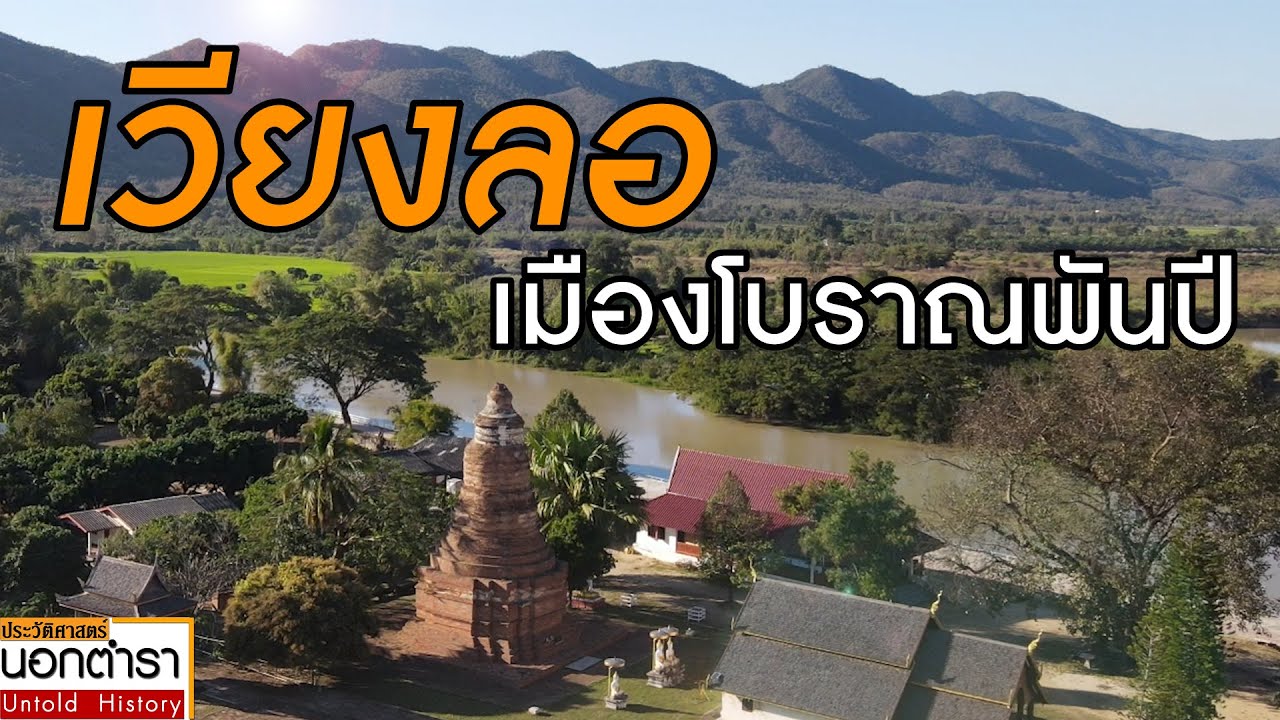
 Click to Access the Navigation Map GPS
Wiang Lo Archaeological Site Map
Recommend
 Historical Sites and Monuments(4)
 Landmarks and Memorials(4)
 Art, Craft Centres, Tradition(1)
 Museums(2)
 Places of Worship
 Temple(39)
 Other Sacred Sites(5)
 Research and Development
 Royal Project(1)
 Suburban Living
 Village, Community(2)
 Local Market(4)
 Nature and Wildlife
 National Parks and Marine Reserves(7)
 Mountain (Doi)(2)
 Dam, Reservoir, Lake(11)
 Waterfalls(8)
 Caves(5)
 River, Canal(3)
 Other natural attractions(5)
 Travel Articles, Recipes
 Travel Review, Food Review(1)


