
lovethailand home >North Travel Attractions >Phayao Travel Attractions >Chun >Lo > Wiang Lo Wildlife Sanctuary
TL;DR: Wiang Lo Wildlife Sanctuary is located at Covering Chun, Dok Kham Tai, Pong, And Chiang Kham Districts, Phayao Province, open Daily, hours 08.30 – 16.30.

Wiang Lo Wildlife Sanctuary
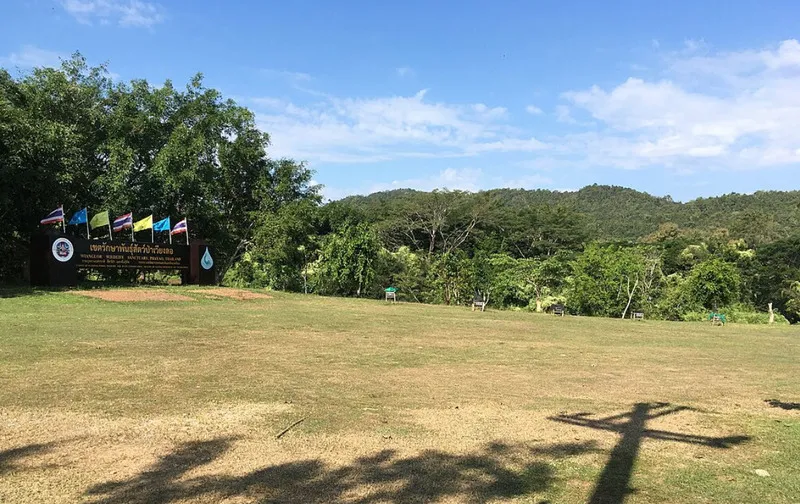
Open Days: Daily
Opening Hours: 08.30 – 16.30
Wiang Lo Wildlife Sanctuary in Phayao Province is one of the important protected forest areas in northern Thailand. Covering approximately 231,875 rai, or around 371 square kilometers, the sanctuary extends across Chun, Dok Kham Tai, Pong, and Chiang Kham districts. Its name is connected with Wiang Lo, an ancient locality in Chun District, giving the area both ecological and cultural meaning. For travelers and learners interested in nature conservation, wildlife habitats, forest watersheds, and the landscape of Phayao, Wiang Lo is a place that should be understood with respect and care.
The sanctuary plays a major role as a watershed forest. It helps protect the headwaters and ecological systems connected with the Ing River and the Yom River, two important water systems in northern Thailand. Healthy forests absorb rainfall, slow water runoff, reduce soil erosion, and release water gradually during the dry season. Because of this, protecting Wiang Lo is not only about saving wildlife. It is also about maintaining water security, soil stability, and environmental balance for communities living around the forest and downstream areas.
Important wildlife species associated with the sanctuary include the green peafowl, serow, barking deer, and deer. The green peafowl is especially symbolic because it requires suitable open forest, feeding grounds, water sources, and quiet nesting areas. The presence of such wildlife reflects the quality of the habitat. Serows prefer rocky and mountainous terrain, while barking deer and deer are important herbivores within the forest ecosystem. These animals help show the ecological value of Wiang Lo as a living forest rather than just a protected area on a map.
Wiang Lo Wildlife Sanctuary is different from general nature attractions because its main purpose is wildlife protection under conservation law. It is not a commercial recreation area where visitors can freely walk everywhere. Anyone wishing to enter for nature study, wildlife observation, photography, or educational activities should contact sanctuary staff in advance. Some parts of the sanctuary are operational areas, patrol zones, fire prevention zones, or sensitive wildlife habitats. Visitors should never enter restricted areas or leave permitted routes without approval.
The sanctuary is also important because it is connected with Doi Phu Nang National Park, forming a larger continuous forest landscape. Continuous forests are essential for wildlife because animals need space to move, find food, avoid disturbance, and maintain healthy populations. When forests are fragmented into small isolated areas, many species face greater risks. The connection between Wiang Lo and nearby protected areas therefore strengthens the long-term conservation value of the region.
The establishment of Wiang Lo as a wildlife sanctuary reflects the need to protect both forest and wildlife resources. Before the area became a sanctuary, surrounding forest reserves and local concerns highlighted the importance of conserving this landscape. Once officially protected, the area gained a legal framework for wildlife protection, anti-poaching patrols, fire prevention, habitat restoration, and public coordination. These tasks continue throughout the year and require cooperation between government officers, local communities, and responsible visitors.
The name “Wiang Lo” is linked to the ancient Wiang Lo area in Chun District. In northern Thai cultural context, “wiang” often refers to an old town, fortified settlement, or historic community area. This connection gives the sanctuary a cultural dimension in addition to its ecological importance. The forest, the name, and the nearby ancient settlement together show that this part of Phayao has long been meaningful to both people and nature.
Visitors should approach Wiang Lo as a conservation and learning site, not simply as a sightseeing stop. Before visiting, contact the sanctuary to ask about access, current conditions, opening arrangements, and rules. Wildlife observation should always be done quietly and from a safe distance. Getting too close to animals can disturb them and may be dangerous for both people and wildlife. Binoculars and long-lens cameras are more appropriate than approaching animals directly.
Responsible wildlife watching is essential. Visitors should not shout, chase animals, feed wildlife, use animal calls, fly drones, or use flash photography near animals. Wildlife sightings are never guaranteed because animal behavior depends on season, food, water, weather, and safety. Seeing wildlife should be treated as a special privilege that comes from patience and respect for the forest.
The late rainy season and cool season are generally suitable for learning about forest ecology because the landscape is green, the weather is more comfortable, and visibility is often better. However, entry conditions always depend on sanctuary announcements and staff guidance. During the dry season, forest fire risk becomes especially important. Fire can destroy food sources, nesting areas, and shelter for wildlife, including green peafowl and smaller species. Visitors must strictly avoid any action that can cause fire, including cigarette disposal and unauthorized burning.
For educational groups, Wiang Lo is a valuable outdoor classroom. It can help students and visitors understand the relationship between forest, wildlife, water sources, and local communities. Study visits should be coordinated in advance so that activities do not interfere with patrol work or sensitive habitats. Learning in a real protected area helps people understand that conservation is not only about planting trees or banning hunting. It involves long-term land management, scientific observation, enforcement, fire control, community cooperation, and public awareness.
The sanctuary benefits surrounding communities even when people do not freely use its core forest area. The forest protects water, soil, air quality, biodiversity, and local climate. Agricultural areas below the watershed benefit from water regulation. Communities gain a healthier environment and a distinctive natural landscape. Phayao Province also gains an important conservation asset for education and long-term ecological stability. This relationship makes Wiang Lo a shared responsibility rather than only a government duty.
Travelers can combine Wiang Lo with nearby cultural and natural places in Chun District. Ancient Wiang Lo, Wat Phra That Khing Kaeng, Doi Phu Nang National Park, Than Sawan Waterfall, and community attractions in Chun can be included in the same route. It is important to understand the different roles of each place. The wildlife sanctuary is primarily for conservation and learning with staff guidance, while ancient sites and temples are more accessible cultural attractions.
Getting to the sanctuary office or contact area is usually done by private car toward Chun District. The main contact area is in Chun Subdistrict, but the sanctuary covers a wide landscape across several districts. Visitors starting from Mueang Phayao can travel toward Chun District and continue to the relevant contact area. Those coming from Chiang Kham, Dok Kham Tai, or nearby districts can use local roads that connect to Chun. Because the sanctuary is large, travelers should not rely only on general map apps. Contacting staff before travel is the safest way to confirm directions and access conditions.
Nature photographers should follow strict wildlife ethics. Good wildlife photography comes from patience, distance, and respect. Do not approach nests, use drones, play calls, use flash on animals, or force wildlife to move. Disturbing animals may cause stress, disrupt feeding, or cause nesting failure. A respectful photograph is more valuable than an image obtained by harming natural behavior.
The biodiversity of Wiang Lo is shaped by different forest types and terrain. Dry dipterocarp forest, mixed deciduous forest, dry evergreen patches, streams, hills, and open areas create varied habitats for different species. Some animals prefer open forest, others require dense cover or rocky slopes, and many depend on reliable water sources. Protecting this diversity of habitats is essential for maintaining the sanctuary’s wildlife populations.
Wiang Lo helps explain the deeper meaning of conservation. Conservation is not only restriction; it is long-term care. It includes fire monitoring, patrols against illegal hunting, wildlife surveys, cooperation with nearby communities, habitat restoration, and public education. Much of this work happens quietly throughout the year. Visitors who understand this will appreciate why rules exist and why staff guidance should be followed.
Travelers should prepare properly before visiting. Bring drinking water, sun protection, personal medicine, suitable footwear, and a bag to carry all trash back out. Do not bring pets into forest areas, do not collect plants, flowers, stones, or natural objects, and do not leave food behind. Food waste can change animal behavior and attract wildlife closer to people, creating risks for both sides.
When explored together with Chun District, Wiang Lo reveals how nature and history are connected. Chun is known for the ancient Wiang Lo area and Lanna cultural traces, while the wildlife sanctuary preserves the natural landscape linked to the same name. Visiting both cultural and natural sites gives travelers a richer understanding of the district. Ancient settlement and protected forest together show that this area has long been significant for both human communities and wildlife.
Getting There is best by private car. From Mueang Phayao, travel toward Chun District and continue to Chun Subdistrict or the relevant contact point of the sanctuary. Travelers from Chiang Kham or Dok Kham Tai can use local connecting roads toward Chun. Before traveling, contact Wiang Lo Wildlife Sanctuary to confirm the correct access point, road conditions, and current rules. Drive carefully during rain, on rural roads, and on routes passing through forested or hilly terrain.
Wiang Lo Wildlife Sanctuary is a meaningful place in Phayao Province. It may not be a busy tourist attraction, but it has deep ecological value. It protects headwaters, provides habitat for green peafowl, serow, barking deer, deer, and other wildlife, connects with the historic name of Wiang Lo, and represents ongoing efforts to preserve forests for future generations. Visitors who respect the rules and the forest will gain a deeper appreciation of Phayao beyond ordinary sightseeing.
| Name | Wiang Lo Wildlife Sanctuary |
| Location | Covering Chun, Dok Kham Tai, Pong, And Chiang Kham Districts, Phayao Province |
| Address | 321 Moo 4, Chun Subdistrict, Chun District, Phayao 56150 |
| Area | Approximately 231,875 Rai Or About 371 Square Kilometers |
| Highlights | Important protected forest in Phayao, watershed area for the Ing and Yom rivers, and habitat for green peafowl, serow, barking deer, deer, and other local wildlife |
| History / Period | Published in the Royal Gazette, Volume 114, Section 19 Kor, on June 10, 1997, using the name Wiang Lo from the historic locality in Chun District |
| Name Origin | The name is connected with ancient Wiang Lo in Chun District, an important historic locality of Phayao Province |
| Distinctive Features | Large protected forest connected with Doi Phu Nang National Park, important watershed systems, mountain forest habitats, and wildlife conservation zones |
| Important Wildlife | Green Peafowl, Serow, Barking Deer, Deer, And Other Local Wildlife |
| Travel Information | Travel by private car from Mueang Phayao to Chun District, then continue to Chun Subdistrict or the sanctuary contact area. Contact staff before entering to confirm access, road conditions, and current rules. |
| Current Status | Wildlife sanctuary under the Department Of National Parks, Wildlife And Plant Conservation, managed for wildlife protection, habitat conservation, and watershed preservation |
| Open Days | Daily |
| Opening Hours | 08.30 – 16.30 |
| Fees | No Admission Fee For The Office Area; Entry Into Forest Areas Must Follow Sanctuary Regulations And Staff Permission |
| Facilities | Sanctuary office, staff contact point, limited nature learning areas, and conservation operation areas |
| Main Areas / Zones | Office Area, Watershed Forest, Patrol Zones, Fire Monitoring Areas, And Wildlife Habitats Within The Protected Forest |
| Caretaker | Wiang Lo Wildlife Sanctuary, Protected Area Regional Office 15 (Chiang Rai), Department Of National Parks, Wildlife And Plant Conservation |
| Main Contact Number | 0 5442 1557, 08 1883 9159 |
| Official Website / Official Page | Wiang Lo Wildlife Sanctuary Phayao Official Facebook Page And Department Of National Parks, Wildlife And Plant Conservation Information Sources |
| Nearby Tourist Attractions | 1. Ancient Wiang Lo, About 8 km 2. Wat Phra That Khing Kaeng, About 12 km 3. Doi Phu Nang National Park, About 25 km 4. Than Sawan Waterfall, About 28 km 5. Huai Khao Kam Reservoir, About 18 km 6. Wat Nantaram, Chiang Kham District, About 45 km 7. Kwan Phayao, About 55 km |
| Nearby Restaurants | 1. Krua Fah Tawan Ban Wiang Lo, About 8 km, Tel. 063-628-2548 2. Peng Lung Cafe & Learning Space, About 9 km, Tel. 080-396-6210, 095-803-9454 3. Ban Suan Ai-Un Chun Branch, About 14 km, Tel. 092-279-3978, 086-013-5054 4. Tam Zaab Chun, About 15 km, Tel. 093-342-6680, 084-343-9835 5. Palms Coffee Chun, About 16 km |
| Nearby Accommodations | 1. Ban Suan Homestay Chun, About 15 km, Tel. 081-021-1502, 080-135-6076, 081-032-3156 2. Wang Nam Cham Resort, About 18 km, Tel. 089-954-8584 3. Freestyle Chun Hotel, About 16 km 4. Huan Ui Dee, About 18 km 5. Ban Phuean Cafe And Homestay, About 25 km |
Frequently Asked Questions (FAQ)
Q: Where is Wiang Lo Wildlife Sanctuary located?
A: Wiang Lo Wildlife Sanctuary is in Phayao Province and covers Chun, Dok Kham Tai, Pong, and Chiang Kham districts. The main contact area is in Chun Subdistrict, Chun District.
Q: How large is Wiang Lo Wildlife Sanctuary?
A: It covers approximately 231,875 rai, or about 371 square kilometers.
Q: What wildlife can be found in Wiang Lo Wildlife Sanctuary?
A: Important wildlife includes green peafowl, serow, barking deer, deer, and other local species living in the forest ecosystem.
Q: Can travelers visit Wiang Lo Wildlife Sanctuary?
A: Visitors may contact the sanctuary and enter permitted areas, but access to forest zones must follow sanctuary regulations and staff permission.
Q: Why is Wiang Lo Wildlife Sanctuary important?
A: It protects headwaters of the Ing and Yom rivers, provides habitat for wildlife, and preserves an important forest ecosystem in Phayao Province.
Q: What should visitors prepare before going to Wiang Lo Wildlife Sanctuary?
A: Contact staff in advance, bring drinking water, suitable footwear, sun protection, personal medicine, and follow all conservation rules strictly.
Q: What nearby attractions can be visited with Wiang Lo Wildlife Sanctuary?
A: Nearby places include Ancient Wiang Lo, Wat Phra That Khing Kaeng, Doi Phu Nang National Park, Than Sawan Waterfall, and other attractions in Chun District.
Q: What are the main rules inside Wiang Lo Wildlife Sanctuary?
A: Do not hunt, collect plants or forest products, make loud noise, light fires in risky areas, feed wildlife, or enter restricted zones without permission.
 Category: ●Nature and Wildlife
 Group: ●National Parks and Marine Reserves
Last Update : 4 MonthAgo
 Last Update : 4 MonthAgo
 Click to Access the Navigation Map GPS
Wiang Lo Wildlife Sanctuary Map
Recommend

 Art, Culture and Heritage
 Historical Sites and Monuments(4)
 Landmarks and Memorials(4)
 Art, Craft Centres, Tradition(1)
 Museums(2)
 Places of Worship
 Temple(39)
 Other Sacred Sites(5)
 Research and Development
 Royal Project(1)
 Suburban Living
 Village, Community(2)
 Local Market(4)
National Parks and Marine Reserves(6)
Local Market(4)
National Parks and Marine Reserves(6)
 Mountain (Doi)(2)
 Dam, Reservoir, Lake(11)
 Waterfalls(8)
 Caves(5)
 River, Canal(3)
 Other natural attractions(5)


