
lovethailand home >North Travel Attractions >Phayao Travel Attractions >Chiang Kham >Yuan > Tai Lue Cultural Center
TL;DR: Tai Lue Cultural Center is located at Wat Yuan, Ban Yuan, Yuan Subdistrict, Chiang Kham District, Phayao Province, open Wednesday – Sunday, hours 09.00 – 17.30.
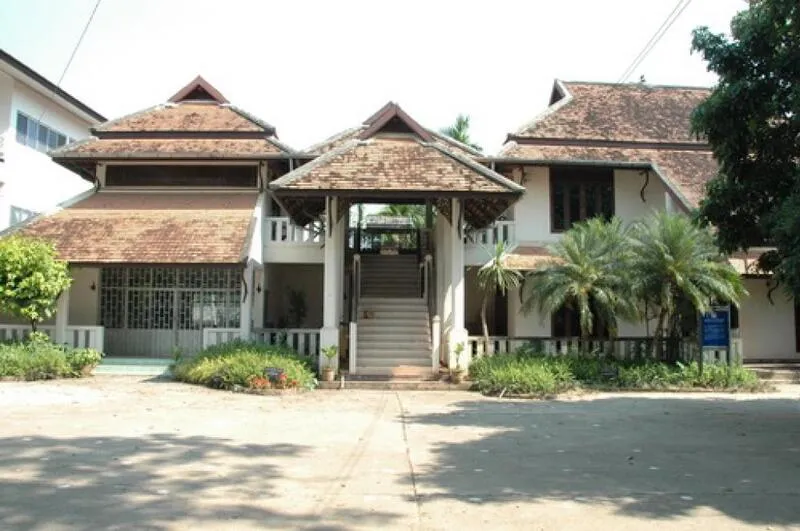
Tai Lue Cultural Center
Open Days: Wednesday – Sunday
Opening Hours: 09.00 – 17.30
Tai Lue Cultural Center at Wat Yuan is located inside Wat Yuan, 177 Moo 3, Yuan Subdistrict, Chiang Kham District, Phayao Province. It is one of the most meaningful cultural learning centers for understanding the Tai Lue community in northern Thailand. More than a small museum or textile display, this center presents the living identity of the Tai Lue people through traditional weaving, clothing, house forms, household objects, food culture, craft knowledge, Buddhist faith, and community-based heritage preservation.
The cultural center is especially valuable because it stands within an active Tai Lue community. Visitors do not encounter culture as something separated from daily life. Instead, they see how the temple, weaving groups, local houses, textiles, and community memory remain connected. Wat Yuan serves as a religious and cultural center, while the Tai Lue Cultural Center helps preserve and present the knowledge that local people continue to value. This makes the site ideal for travelers who want to understand Chiang Kham beyond ordinary sightseeing.
The Tai Lue people are known for their peaceful character, diligence, patience, and strong attachment to traditional customs. Their identity appears clearly in their language, dress, weaving, architecture, food, rituals, Buddhist devotion, and social life. In Chiang Kham District, Tai Lue culture remains especially visible. The community has preserved traditional textiles, local ceremonies, and a sense of ethnic pride that continues to shape daily life. A visit to the center therefore offers a direct window into one of Phayao’s most distinctive cultural groups.
The origin of the center is closely connected with the intention to preserve Tai Lue weaving, which had begun to decline in the village. Phra Khru Suphat Phrommakhun, the abbot of Wat Yuan, played an important role in encouraging local weaving groups to use the temple area as a place for weaving, cultural presentation, and vocational training. This gave the temple a broader role beyond religious practice. It became a space where craft knowledge, community identity, and economic opportunity could support one another.
The heart of the Tai Lue Cultural Center is its textile display. Tai Lue woven cloth is famous for bright colors, refined patterns, and strong cultural meaning. Important motifs include dok kho khruea, dok kho, horse patterns, dok tang, and other designs connected with nature, belief, animals, and local imagination. A piece of Tai Lue cloth is not merely fabric. It is a cultural text that carries the taste, skill, memory, and identity of the people who create and wear it.
Tai Lue weaving requires patience, precision, and deep knowledge. Weavers must prepare threads, choose colors, organize patterns, control the rhythm of weaving, and remember inherited designs. Some motifs carry auspicious meanings, while others reflect the natural environment or ceremonial use. Visitors should look closely at the textiles rather than viewing them only as souvenirs. Every line and color contains the discipline of the weaver and the accumulated wisdom of generations.
Beyond textiles, the center presents broader aspects of Tai Lue life. One of the most important features is the Tai Lue house, or traditional wooden house, which reflects local architecture and the way families organized their living space. The house form is shaped by climate, available materials, family structure, and everyday needs. Its elevated floor helps ventilation, reduces moisture, and creates useful space below the house. Studying the house helps visitors understand how architecture grows from real life rather than from decoration alone.
The household objects and tools displayed at the center further reveal the everyday intelligence of the Tai Lue community. Weaving tools, agricultural implements, kitchen objects, ritual items, and daily utensils show a way of life that relied on self-sufficiency, practical skill, and close relationships with nature. These items may appear simple, but they are important evidence of how people worked, cooked, dressed, worshipped, and passed knowledge within families.
Traditional clothing is another important part of Tai Lue identity. Tai Lue women are known for beautifully patterned tube skirts, local blouses, and distinctive head cloths. Men’s clothing tends to be simpler but still reflects order, practicality, and cultural belonging. Clothing is not only a matter of appearance. It marks identity, community pride, social memory, and the relationship between textiles and everyday life. The display at Wat Yuan helps visitors see how weaving and dress are inseparable from Tai Lue culture.
Food culture is also part of Tai Lue life. Although the center is not a restaurant, learning about Tai Lue culture naturally leads to an understanding of local foodways. Traditional food is connected to seasonal ingredients, household knowledge, agriculture, and community gatherings. Food, like textiles, carries memory. Recipes, flavors, and cooking methods are transmitted through families and remain part of cultural continuity.
Wat Yuan plays a central role in keeping this cultural heritage alive. In northern Thai and Tai Lue society, a temple is not only a place for religious ceremonies. It is also a center for education, moral training, social gathering, and cultural transmission. Placing the cultural center inside the temple area gives the project deeper meaning. It shows how Buddhism, community identity, and craft preservation can coexist in one place.
Wat Yuan is also known for its Tai Lue-style religious architecture. The temple environment adds context to the cultural center because visitors can see both sacred space and cultural displays in the same visit. This connection helps explain why Tai Lue heritage cannot be understood only through cloth or objects. It must also be understood through temple life, community rituals, architecture, and the role of monks and local leaders in cultural preservation.
The center is accessible and easy to understand for visitors without an academic background. Students, families, cultural travelers, textile lovers, and those interested in ethnic communities can all learn from the displays. The objects are concrete and relatable, making Tai Lue culture easier to understand. Visitors can see how weaving, housing, clothing, food, and religious life form a complete cultural system.
The vocational-training role of the center is also important. Weaving is not only a heritage skill; it can create income, pride, and continuity for local people. Bringing weaving activity into the temple area helped concentrate knowledge and make it easier for younger generations to learn from experienced weavers. Textiles produced through this cultural ecosystem are both craft products and evidence of community revival.
In the wider travel context, the Tai Lue Cultural Center at Wat Yuan is part of the cultural route of Chiang Kham District. Nearby attractions such as Wat Saen Mueang Ma, Wat Nantaram, Wat Phra Nang Din, Huen Tai Lue Mae Saengda, and Phu Sang Waterfall can be combined into a meaningful trip. This makes Chiang Kham an excellent destination for travelers who want to explore Tai Lue heritage, northern Buddhist art, local architecture, and natural attractions in one area.
Wat Saen Mueang Ma is associated with Tai Lue-style religious art, while Wat Nantaram is known for its remarkable dark teak-style viharn. Wat Phra Nang Din is an old and highly respected temple in Chiang Kham, and Huen Tai Lue Mae Saengda offers another important perspective on Tai Lue domestic life and textile heritage. Visiting these places together with the cultural center gives travelers a more complete understanding of Chiang Kham as a cultural district.
For textile enthusiasts, the center deserves slow attention. Tai Lue cloth should not be viewed merely as a colorful souvenir. Its patterns, color arrangements, and weaving techniques reveal deep cultural systems. Motifs such as dok kho khruea, dok kho, horse patterns, and dok tang reflect belief, imagination, and skilled craftsmanship. When possible, visitors should speak with caretakers or local weavers to learn the meanings behind the cloth.
The center is open Wednesday to Sunday from 09.00 to 17.30, with free admission. Morning or early afternoon is a good time to visit because it allows enough time to explore the displays and continue to nearby temples or restaurants in Chiang Kham. Groups or visitors who want a deeper cultural experience should contact the center in advance through its published contact number.
Getting There is easiest by private car or rental car. From Chiang Kham town, travel toward Yuan Subdistrict and Wat Yuan in Ban Yuan, Moo 3, on Sitthi Pracharat Road. From Phayao town, visitors can drive through Dok Khamtai and Chun districts toward Chiang Kham. The route is suitable for a full-day cultural trip or an overnight stay in Chiang Kham, especially for those who want to explore Tai Lue heritage more completely.
Visitors should dress politely because the center is located inside a temple. Walk carefully, avoid touching displayed objects without permission, and behave respectfully if weaving demonstrations or community activities are taking place. Photography should be done with proper manners, especially when local people, weavers, or community activities are involved. Respectful behavior helps protect the dignity of both the temple and the community.
The importance of the Tai Lue Cultural Center at Wat Yuan lies in its ability to make ethnic heritage accessible. Visitors can see that Tai Lue identity is not limited to clothing or textiles. It is found in patience, craftsmanship, calmness, discipline, Buddhist faith, family life, and community pride. The center shows that cultural preservation is not about freezing the past. It is about keeping inherited knowledge alive in daily life and passing it forward to future generations.
For anyone who wants to understand Phayao through its ethnic diversity and community culture, the Tai Lue Cultural Center at Wat Yuan is an essential stop. If Kwan Phayao represents the natural heart of the province and Wat Si Khom Kham represents its religious center, Chiang Kham represents one of its strongest cultural identities. This center opens the door to that identity through cloth, houses, tools, stories, and the living memory of the Tai Lue people.
| Name | Tai Lue Cultural Center at Wat Yuan |
| Location | Wat Yuan, Ban Yuan, Yuan Subdistrict, Chiang Kham District, Phayao Province |
| Address | Wat Yuan, 177 Moo 3, Yuan Subdistrict, Chiang Kham District, Phayao 56110, Thailand |
| Coordinates | 19.5264227, 100.2993550 |
| Highlights | Cultural learning center for Tai Lue textiles, traditional house forms, weaving tools, household objects, and community-based heritage preservation |
| History | Established to present Tai Lue art and culture and support vocational training, especially the preservation and revival of Tai Lue weaving in Ban Yuan community |
| Name Origin | Named after its role as a cultural center for presenting Tai Lue heritage within Wat Yuan |
| Distinctive Features | Displays Tai Lue woven textiles, dok kho khruea pattern, dok kho pattern, horse pattern, dok tang pattern, Tai Lue house, weaving tools, and everyday cultural objects |
| Travel Information | From Chiang Kham town, travel to Yuan Subdistrict and Wat Yuan in Ban Yuan, Moo 3, on Sitthi Pracharat Road. Private car or rental car is the most convenient option |
| Current Status | Open as a Tai Lue cultural learning center and community-based cultural attraction in Chiang Kham District, Phayao Province |
| Open Days | Wednesday – Sunday |
| Opening Hours | 09.00 – 17.30 |
| Fees | Free admission |
| Facilities | Toilets, elderly toilet, cultural learning area, textile display area, and Tai Lue house display |
| Main Areas / Zones | Tai Lue textile display, Tai Lue house, household object display, weaving tools, vocational training and community wisdom area |
| Abbot / Caretaker | Phra Khru Suphat Phrommakhun, Abbot of Wat Yuan, and Tai Lue Cultural Center at Wat Yuan |
| Main Contact Number | 087-182-6731, Khun Hathai Thip |
| Nearby Tourist Attractions | 1. Wat Yuan, about 0 km 2. Wat Saen Mueang Ma, about 1 km 3. Wat Nantaram, about 2 km 4. Wat Phra Nang Din, about 4 km 5. Huen Tai Lue Mae Saengda, about 5 km, Tel. 088-267-5101 6. Phu Sang Waterfall, about 30 km |
| Nearby Restaurants | 1. Den Khao Man Kai, about 1 km, Tel. 061-497-9988, 093-653-9966 2. Ban Phuean Him Lao Chiang Kham, about 3 km, Tel. 095-682-8181 3. Lab Khom Lung Rob-Pa Ree, about 4 km, Tel. 080-848-7589 4. Malangpor Hall and Garden, about 5 km, Tel. 063-231-1145 5. Palms Coffee Chun, about 40 km |
| Nearby Accommodations | 1. Chiang Kham Tai Lue Resort, about 1 km, Tel. 080-846-1900 2. Chiang Kham Grand Villa, about 3 km, Tel. 084-811-5585 3. Homhug Resort Chiang Kham, about 3 km, Tel. 093-135-6191 4. Chiang Kham Ruk Khun Hotel, about 3 km, Tel. 097-389-8998 5. Phu View Place, about 4 km, Tel. 083-519-6445 |
Frequently Asked Questions (FAQ)
Q: Where is the Tai Lue Cultural Center at Wat Yuan located?
A: It is located inside Wat Yuan, 177 Moo 3, Yuan Subdistrict, Chiang Kham District, Phayao Province 56110, Thailand.
Q: What are the opening days and hours?
A: The center is open Wednesday to Sunday from 09.00 to 17.30.
Q: Is there an admission fee?
A: No. Admission is free.
Q: What can visitors see at the center?
A: Visitors can see Tai Lue woven textiles, a Tai Lue house, weaving tools, household objects, agricultural tools, and displays about the daily life of the Tai Lue community in Chiang Kham.
Q: What are the notable Tai Lue textile patterns?
A: Notable patterns include dok kho khruea, dok kho, horse patterns, and dok tang, all reflecting Tai Lue weaving identity.
Q: Who manages the Tai Lue Cultural Center at Wat Yuan?
A: The center is located inside Wat Yuan and is cared for by Wat Yuan and the Tai Lue Cultural Center, with Phra Khru Suphat Phrommakhun serving as abbot of Wat Yuan.
Q: What nearby attractions can visitors combine with the trip?
A: Nearby attractions include Wat Saen Mueang Ma, Wat Nantaram, Wat Phra Nang Din, Huen Tai Lue Mae Saengda, and Phu Sang Waterfall.
Q: Who should visit this cultural center?
A: It is ideal for cultural travelers, students, textile enthusiasts, and anyone interested in Tai Lue ethnicity, northern Thai weaving, traditional houses, and community wisdom.
Tel : 054449601
 Tel : 054449601
 Category: ●Art, Culture and Heritage
 Group: ●Museums
Last Update : 4 MonthAgo
 Last Update : 4 MonthAgo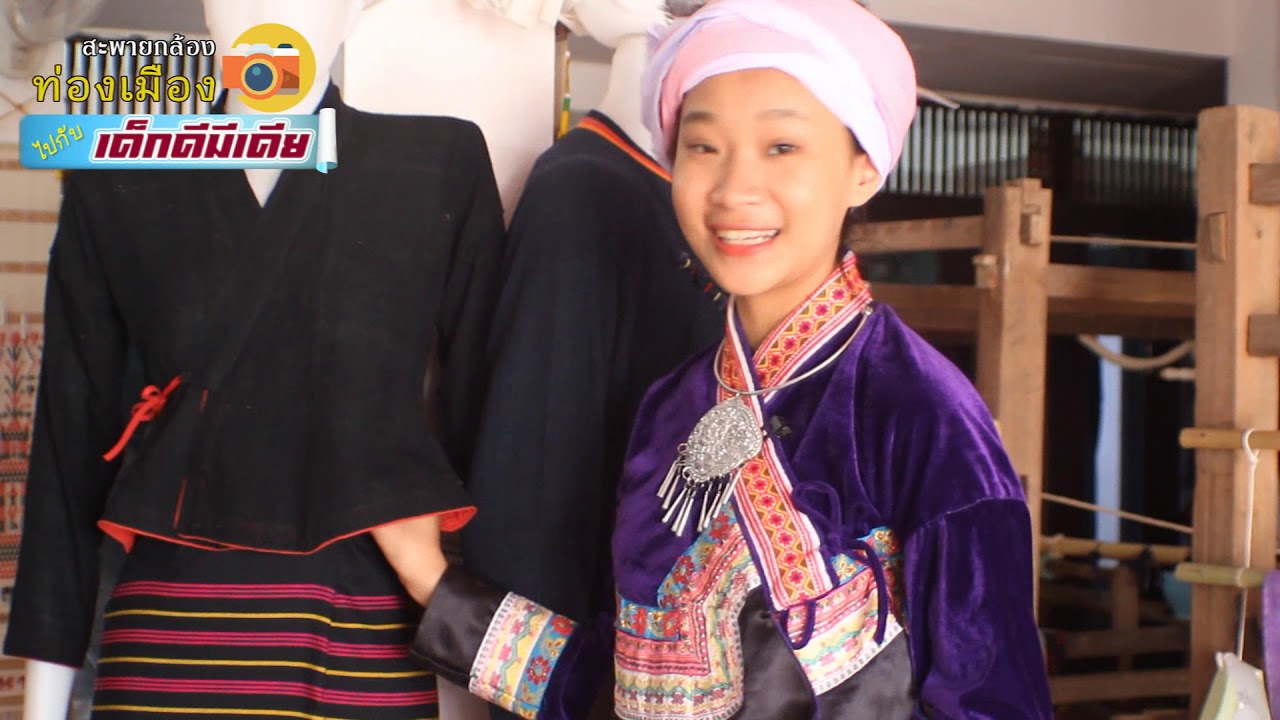
 Click to Access the Navigation Map GPS
Tai Lue Cultural Center Map
Recommend

 Historical Sites and Monuments(4)
 Landmarks and Memorials(4)
 Art, Craft Centres, Tradition(1)
Museums(2)
Art, Craft Centres, Tradition(1)
Museums(2)
 Places of Worship
 Temple(39)
 Other Sacred Sites(5)
 Research and Development
 Royal Project(1)
 Suburban Living
 Village, Community(2)
 Local Market(4)
 Nature and Wildlife
 National Parks and Marine Reserves(6)
 Mountain (Doi)(2)
 Dam, Reservoir, Lake(11)
 Waterfalls(8)
 Caves(5)
 River, Canal(3)
 Other natural attractions(5)


